REVIEW · NAIROBI
Memorable Daily KIBERA Slums/Toi Market Tour with Locals (2 hours)
Book on Viator →Operated by DALA TOURS, SAFARIS & VOLUNTEERS KENYA · Bookable on Viator
Kibera isn’t a postcard. It’s a real neighborhood, and this tour is built for an inside look with a local youth guide. You get a guided feel for daily life, the informal economy, and why the community’s resilience is more than a talking point.
Two things I really like: you stop in at Olympic Primary School, and you also hear how NGO projects target housing, education, and health. The school visit adds a clear thread of hope that helps the whole experience make sense.
One consideration: this is a walking tour in a lived-in area, not a museum. Wear sturdy shoes and keep your phone/camera use respectful and minimal.
In This Review
- Key things to know before you go
- Kibera in 2–3 Hours: what this walk is really for
- Meet at Olympic Primary School, then follow the story
- Walking through Kibera: what you’ll see, and how to prepare
- Local youth guides: safety, trust, and real names
- NGO projects: what’s improving, and what’s complicated
- Why DALA: your booking supports youth work and MAKLWETA
- Olympic Primary School: the hope stop that doesn’t feel random
- Price and value: is $25 fair for what you’re getting?
- Timing, pace, and what to expect on the ground
- Who should book this tour (and who might not love it)
- Should you book this Kibera tour with local youth guides?
- FAQ
- How long is the Kibera slums and local tour?
- How much does the tour cost?
- What does the tour include?
- Is lunch included?
- Where do we meet and where does the tour end?
- What will I learn during the tour?
- Is there a maximum group size?
- Is free cancellation available?
- Are service animals allowed?
Key things to know before you go
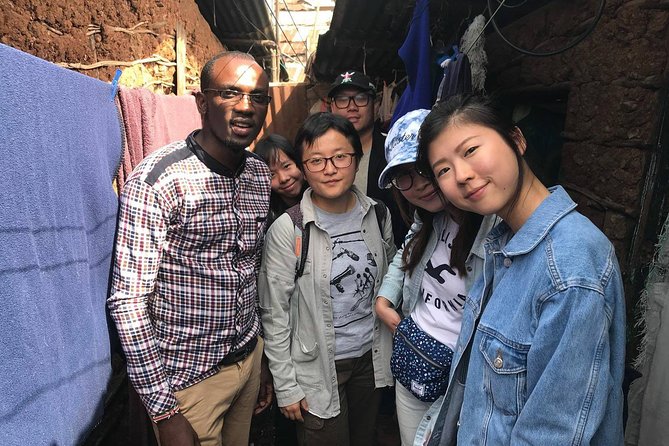
- Local youth guides help you understand Kibera through day-to-day reality, not stereotypes
- NGO project context covers what’s working and what’s complicated
- Olympic Primary School is the big education stop and part of the reason this tour has meaning
- Round-trip transfers are included from the designated meeting point
- Small-group feel with a maximum of 50 travelers
- DALA’s mission ties your booking to youth employment and the MAKLWETA charity
Kibera in 2–3 Hours: what this walk is really for
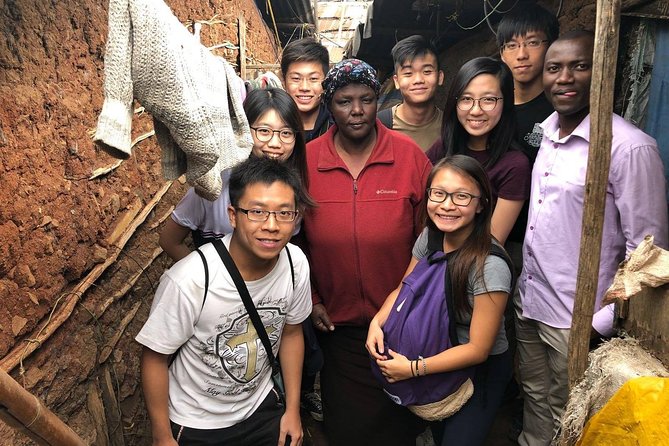
A good Kibera experience has one job: it helps you see the place as home, not a spectacle. This tour is designed to do that through a guided walk with locals who can explain what you’re seeing in plain language. It also keeps things time-efficient—about 2 to 3 hours—so you can fit it into a Nairobi day without losing your whole schedule to traffic.
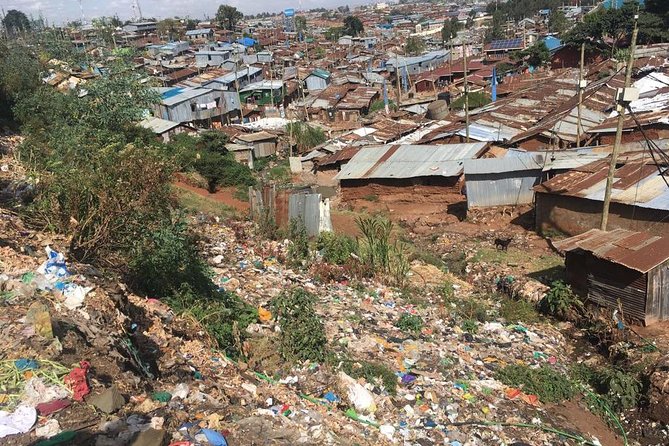
The other thing you’ll notice quickly is that the experience is built around context. Kibera is East Africa’s largest informal settlement, with an estimated million residents packed into a small footprint. Your guide helps translate that density into everyday details: how people move, how people make money, and how families keep going amid tight space and limited services.
And yes, this is also a humbling experience. Several guides connected to the community (and the company behind the tour) emphasize exactly that tone: camera down, behave like you’re visiting someone’s life, because you are.
You can also read our reviews of more tours and experiences in Nairobi.
Meet at Olympic Primary School, then follow the story
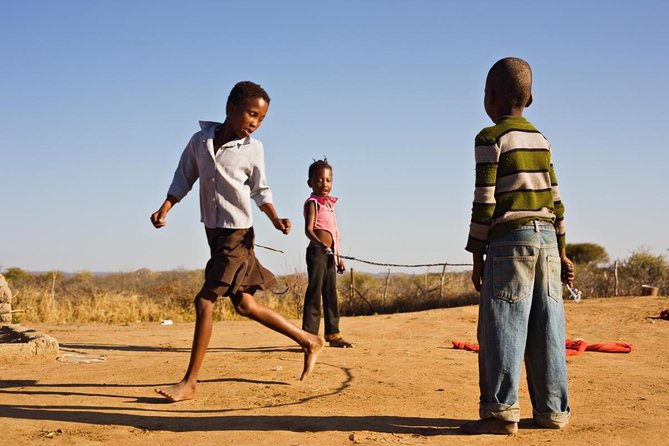
Your day starts and ends at Olympic Primary School, a major public primary school in Nairobi. The tour positions this school as a turning point—at one time, it was described as a top-performing school, and the idea is that education has pulled families out of poverty.
From a practical point of view, this matters. Using a known landmark as your meeting point makes the first step easier, especially if Nairobi traffic means you’re arriving with a little stress. You also get a built-in rhythm: walking through Kibera, then grounding the whole visit with the school stop.
Some trips also include a meeting-and-briefing style conversation tied to the tour operator’s mission (called Why DALA?). That segment is there for a reason: it explains how your money supports local youth jobs and related community work, so you’re not just consuming a hard story and leaving.
Walking through Kibera: what you’ll see, and how to prepare
Kibera is described as Africa’s second largest informal settlement after Soweto. It’s also shaped by movement from across East Africa, which is part of why life there can feel both varied and intensely crowded. In this walking format, you don’t get to “drive past” the area. You’re inside the lanes and spaces where people actually live and work.
So here’s what you should expect from the visual side:
- compact housing and tight pathways
- everyday scenes of informal work that keep the neighborhood going
- a community perspective on NGO activity (what arrives, what helps, and what falls short)
Now the practical part: people keep mentioning the same advice—dress appropriately. Expect muddy or wet conditions in places, so bring sturdy shoes. If you show up with delicate sandals or light sneakers, the day will feel uncomfortable fast.
Also, keep your behavior simple. The most repeated theme in guide feedback is respect. Put your camera away more often than you think you need to. Ask questions. Listen. Let your guide set the pace.
Local youth guides: safety, trust, and real names
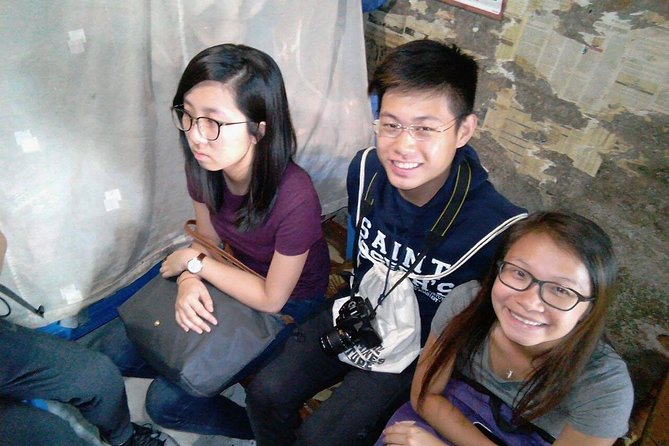
The single biggest strength of this tour is the guide relationship. In the reviews, guides like Bramwel and Frederick are named, and the pattern is consistent: they’re friendly, calm, and able to answer questions because they actually know people in the community.
Several comments highlight a key point: you don’t feel like you’re wandering alone. You feel guided by someone who understands what’s normal and what needs attention. One review even describes the guide as turning into an amigo by the end of the tour—less “tour guide script,” more neighbor energy.
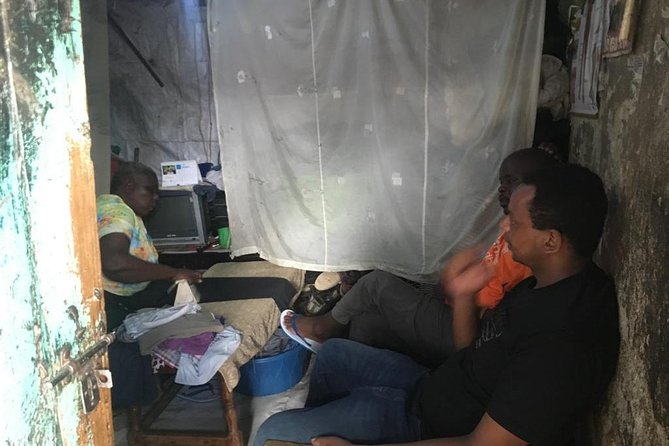
What makes this more than feel-good branding is the social access. Your guide can connect you to people and stories that wouldn’t happen on a quick drive-by. Some of the feedback also mentions entering a friend’s home to see how families live. That’s not just “wow content.” It changes how you understand the place, because you see daily life up close instead of guessing.
If you want a Kibera tour that doesn’t feel cold, this is the format to pick. The guide’s job isn’t to hand you facts like flash cards. It’s to help you understand the meaning behind what you’re seeing.
NGO projects: what’s improving, and what’s complicated
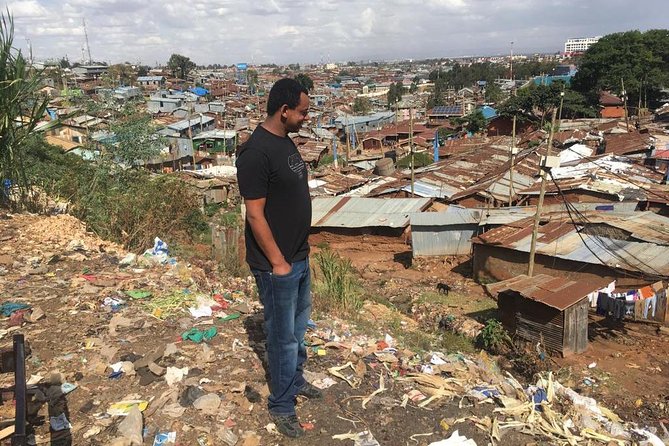
This experience doesn’t just show hardship. It also focuses on efforts happening inside the settlement—especially around housing, education, and health. You’ll hear how your hosts think about impact, including both successes and setbacks.
One recurring theme in feedback is that outcomes can be mixed. Your guide may mention that some projects have worked while others faced problems, including corruption. That doesn’t make the visit less valuable. It makes it more honest. You’re learning how the real world affects aid and infrastructure, not watching a clean marketing version of social work.
A useful way to think about it as you walk: NGO projects are like tools. The presence of a tool matters, but so does who uses it, how decisions get made, and whether maintenance continues after the program cycle ends. That’s the level of nuance your guide can bring when they’re connected locally.
Why DALA: your booking supports youth work and MAKLWETA
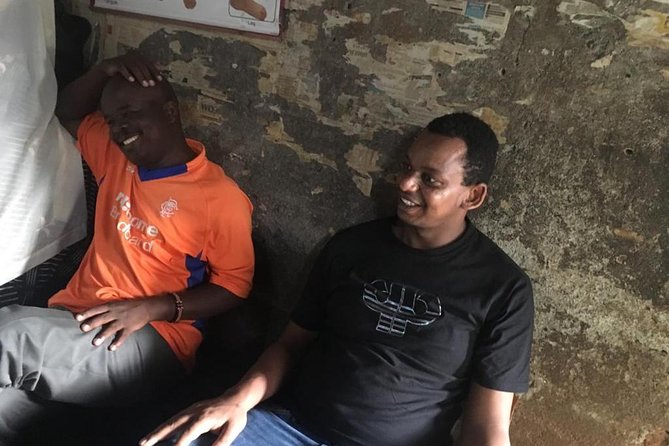
There’s a specific section of the experience that explains why the tour exists. It’s called Why DALA?, and it lays out a few points that help you judge value beyond the itinerary.
Here’s what you’re supporting with your booking:
- local youth employment (your money helps hire local youths)
- the reality that youth unemployment in Kenya is high (over 50% is cited)
- a company approach described as 100% indigenous, with an emphasis on authentic local touch
There’s also a charity link: proceeds support MAKLWETA, a charity founded to support rural girl child education (maklweta.org is referenced). If education is one of your priorities in Kenya, this connection is part of what makes the tour feel more “whole” rather than isolated.
One more practical note from the same message: they describe a pay-as-you-go policy where you don’t have to send money in advance. That can reduce stress if you prefer to handle payment closer to the day of travel, but you should still follow the confirmation details you receive.
Olympic Primary School: the hope stop that doesn’t feel random
The tour ends with a visit to Olympic Primary School, described as Kenya’s largest public primary school. It’s framed as a place with a track record for lifting families out of poverty, and that framing matters.
Why? Because it gives you a lens for everything you saw earlier. Kibera can feel like a closed loop—crowded, pressured, and constrained. Then you see an institution that’s focused on education, where kids can keep moving forward even when the environment around them is challenging.
If you’re the type who wants proof that change is happening (not just sadness), this stop helps you balance the emotional load. It also gives you something practical to ask about: what students need, what teachers are working with, and how schooling fits into family decisions.
Price and value: is $25 fair for what you’re getting?
$25 per person is a bargain price for a guided, locally run walking tour in central Nairobi. But the real question is: what does that cost buy you?
Based on the structure here, your money covers:
- the guide experience with a local youth focus
- access to community explanations and context around NGO projects
- the Olympic Primary School visit
- admission/tickets are listed as included
- round-trip transfers from the meeting point
The tour also has a maximum of 50 travelers. That doesn’t guarantee intimacy, but it usually helps keep the group experience controlled enough for Q&A. And you’re not paying for a long private safari ride worth of logistics; this is a focused neighborhood visit with an education anchor.
The only “extra” cost to plan for is optional spending. Lunch and drinks are not included, though you can visit local restaurants if you want. Tips are also not included, and you should budget for them if the guide performance meets your expectations.
Timing, pace, and what to expect on the ground
The tour is listed at 2 to 3 hours, and it’s described as a daily Kibera slums tour with a local guide. In practice, that time range is perfect for a first visit because it’s long enough to understand the neighborhood’s rhythm, but short enough that you can stay alert and respectful.
Keep an eye on what the day asks from you:
- walking time and uneven surfaces
- limited privacy for personal photos
- questions that may get emotional fast, especially when discussing housing and health issues
Also note the schedule practicality: the company says confirmations come at booking time, and they respond to coordination. One less-positive note in the feedback mentions a waiting issue during lockdown periods, so do yourself a favor: confirm your meeting time and stay reachable on the day. This is one of those experiences where clear communication protects your time and your mood.
Who should book this tour (and who might not love it)
This tour is a great match if:
- you want to see Nairobi beyond the usual skyline-and-museums routine
- you like learning from locals with real connections (not just reading from a brochure)
- you’re curious about how education and NGOs interact with community life
- you can handle discomfort with respect and patience
It may not be your best match if:
- you want a scenic, photo-heavy “sights only” outing
- you struggle with walking on possibly wet/muddy ground
- you’re looking for a quick look that feels like entertainment
If you’re unsure, your best move is to set the right expectations. Think: educational neighborhood walk, not a thrill ride.
Should you book this Kibera tour with local youth guides?
Yes—if you’re choosing it for the right reasons. This experience works because the guide makes it human. The Olympic Primary School stop adds meaning, and the NGO discussion helps you understand the “why” behind the visible conditions.
Before you go, do two things:
1) Pack for walking—sturdy shoes matter here.
2) Bring curiosity, not a checklist. Ask questions. Keep your camera use respectful.
If that’s your style of travel, this is a strong value at $25—and it supports a model that puts youth employment and local charity work at the center.
FAQ
How long is the Kibera slums and local tour?
It’s listed as about 2 to 3 hours, with the tour described as around two hours.
How much does the tour cost?
The price is $25.00 per person.
What does the tour include?
All fees and taxes are included, admission ticket(s) are included, and round-trip transfers are provided from the designated meeting point.
Is lunch included?
No. Lunch and drinks are optional, and you can visit local restaurants at your request.
Where do we meet and where does the tour end?
The start and end are at Olympic Primary School (MQQH+3FJ, Nairobi, Kenya).
What will I learn during the tour?
You’ll get an inside look at day-to-day life in Kibera, including the informal economy and local community resilience, plus an overview of NGO projects related to housing, education, and health.
Is there a maximum group size?
Yes. The tour/activity has a maximum of 50 travelers.
Is free cancellation available?
Yes. You can cancel up to 24 hours in advance for a full refund. Within 24 hours, no refund is offered.
Are service animals allowed?
Yes, service animals are allowed.