REVIEW · NAIROBI
Traditional Kenyan Cooking Class & Local Market Tour
Book on Viator →Operated by Local Experience Tours · Bookable on Viator
Market to matatu to meal in one Nairobi afternoon. This experience strings together a local farmers market stop, a matatu public-transport ride, and cooking Kenyan food at a real home. I love the ingredient hunt with fresh produce and meats, and I love how the matatu leg gives you an immediate feel for everyday city life.
The only real drawback to plan around is that it’s hands-on. You might get a bit messy, it can be lively in transport, and it depends on good weather for the outdoor market part.
In This Review
- Key things that make this tour work
- Nairobi’s Market Lesson: Seeing Food Before It Hits Your Plate
- Riding a Matatu: The Loud, Local Public Transport Slice
- Cooking at Home With Nimoh: A Kenyan Meal From Scratch
- What You’ll Make (and How Dietary Options Work)
- The Value Math: Why $50 Can Feel Like a Deal
- Who Should Book This (and Who Might Skip Parts)
- Practical Tips to Make the Whole Day Feel Smooth
- Should You Book This Kenyan Cooking Class and Market Tour?
- FAQ
- How long is the Traditional Kenyan Cooking Class & Local Market Tour?
- Where do we meet, and where does the tour end?
- Do I have to go shopping in the local farmers market?
- What kind of meal will we cook?
- Are vegetarian or gluten-free options available?
- Is the cooking location wheelchair accessible?
Key things that make this tour work
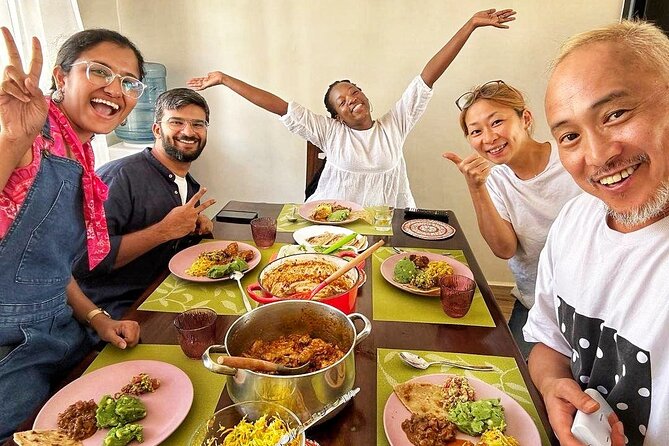
- Farmers market shopping that actually teaches you what to buy
- Matatu public transport for a first-time Nairobi orientation (music and all)
- Cooking in someone’s home kitchen, not a formal classroom
- Your food includes what you make, and you can take leftovers with you
- Small group size (max 15) keeps things personal and flexible
Nairobi’s Market Lesson: Seeing Food Before It Hits Your Plate
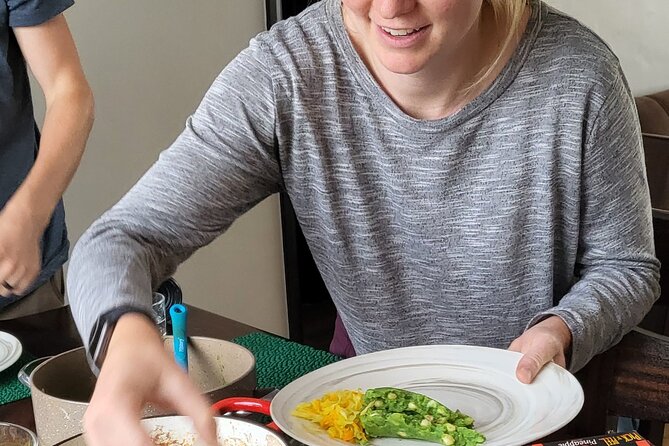
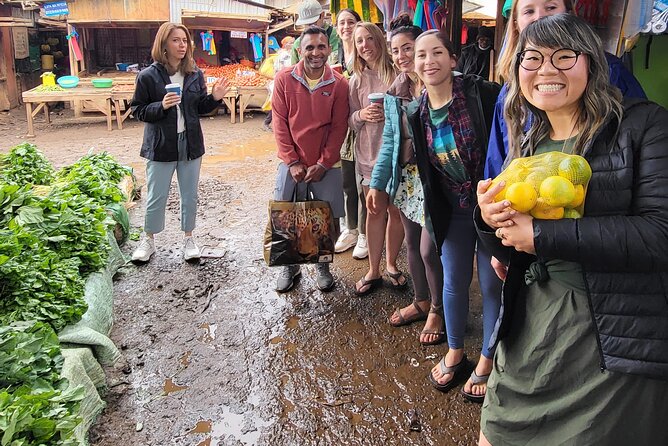
The day starts near Westlands Square, Ring Road Parklands and then moves straight into the part most visitors rush through: figuring out what’s fresh, what’s in season, and what gives Kenyan cooking its flavor.
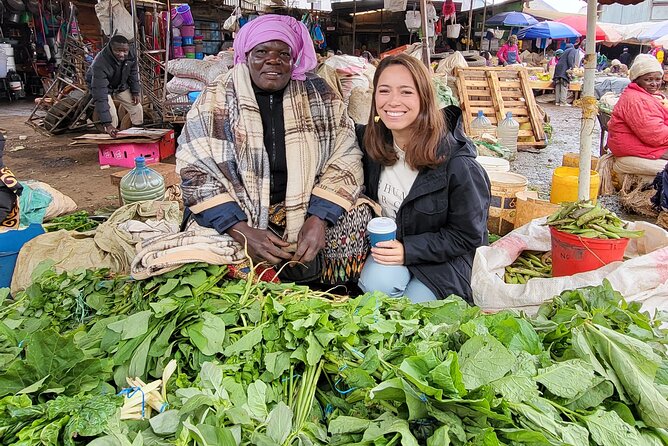
At the farmers market, you’re not just looking. You’re shopping with guidance. You get to see the produce up close and ask questions about what people choose and why. That matters because Kenyan meals rely on a mix of fresh ingredients and spice blends. When you understand the ingredient logic, the cooking lesson later makes more sense (and you’ll remember it when you try again at home).
What I like most here is the option to keep it flexible. The market visit includes grocery shopping, but if you’re not in the mood for extra walking or shopping, you can skip that part and still enjoy the home-cooked meal. That’s a smart setup for travelers who are tired from safari days or jet lag.
One more practical point: markets move fast. Even if the pace feels busy, you’ll be with a host who can steer you to safe, sensible spots. This is one of those experiences where guidance turns chaos into clarity.
You can also read our reviews of more tours and experiences in Nairobi.

Riding a Matatu: The Loud, Local Public Transport Slice

Next comes the matatu experience. If you’re coming to Nairobi for the first time, this leg is the quickest way to understand the city’s rhythm. Matatus are public vehicles, and they tend to be lively—so expect a ride that feels more social and louder than the kind of transit most visitors use.
This isn’t about being flashy. It’s about learning how people actually get around. In Nairobi, that means you’re sharing space with locals going about their day, in a way that feels far more real than taking a private car everywhere.
The way this tour is structured also helps. You’re not doing it alone and guessing what to do. Your host is there to manage the flow of the day and help you feel confident. Several people highlight that the experience felt safe, even for those who had never tried a matatu before.
If you want a calmer ride, you can prepare mentally. Wear comfortable clothes, keep your phone secure, and remember that this is part of the cultural learning, not just transportation.
Cooking at Home With Nimoh: A Kenyan Meal From Scratch
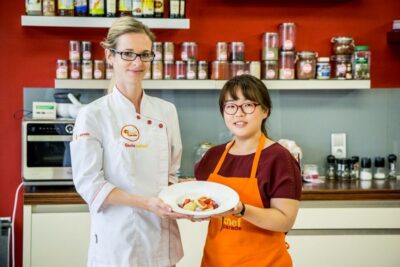
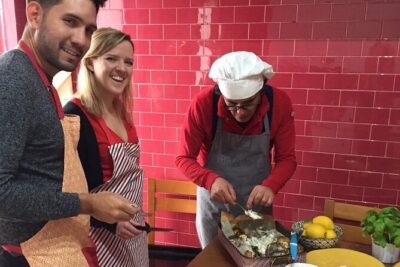
After the market and matatu ride, the setting shifts—into a home kitchen. That change is the whole point. You’re not just learning recipes; you’re learning how Kenyan cooking happens in everyday life.
In a traditional Kenyan cooking class like this, the best learning comes from the process:
- handling ingredients,
- seasoning and tasting as you go,
- and understanding why each step matters.
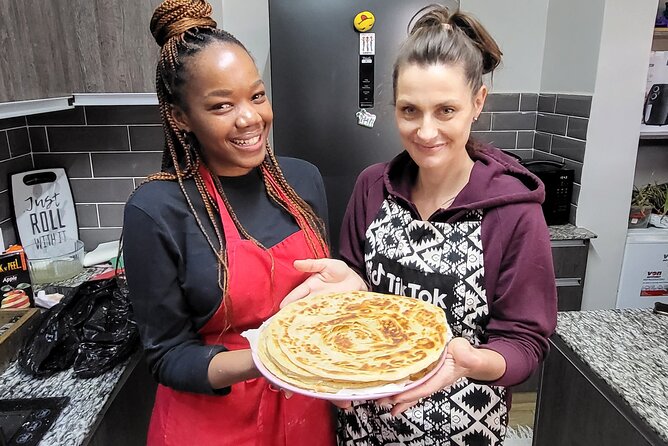
The tour is described as making a complete Kenyan meal from scratch, usually with a main dish and a side dish with veggies. You’ll get hands-on time, and you can also watch if that’s your style. Either way, the goal is that you leave knowing what you did and how to repeat it.
A lot of the praise in past experiences centers on the host, especially Nimoh, for explaining foods and spices while keeping things relaxed. You’re not just following steps—you’re getting context about food choices and Kenyan culture around eating together.
And yes, the vibe is chatty. This isn’t silent culinary boot camp. People mention sitting down together after cooking, with conversation and cultural stories flowing along with the meal.
What You’ll Make (and How Dietary Options Work)
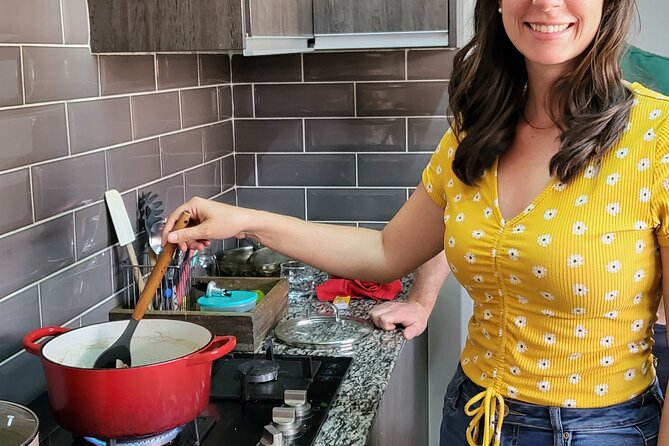
Here’s the helpful truth: Kenyan cuisine is broader than one dish. This class aims for variety, which is why you’ll typically cook both a main and a side with vegetables.
You may see familiar Kenyan staples during the cooking time. One commonly mentioned highlight includes making chapati, alongside heartier dishes like stewed goat. That’s not guaranteed for every session, but it’s a good clue about the kind of traditional meal style you’re likely to encounter—comforting, spiced, and built around real ingredients you shopped for earlier.
Dietary needs are supported, but with one important condition: you need to request them on booking. The options listed are Vegetarian, Pescatarian, and Gluten free. That’s exactly what you want to hear. It means you’re not stuck with a generic “no” when you arrive hungry.
The Value Math: Why $50 Can Feel Like a Deal
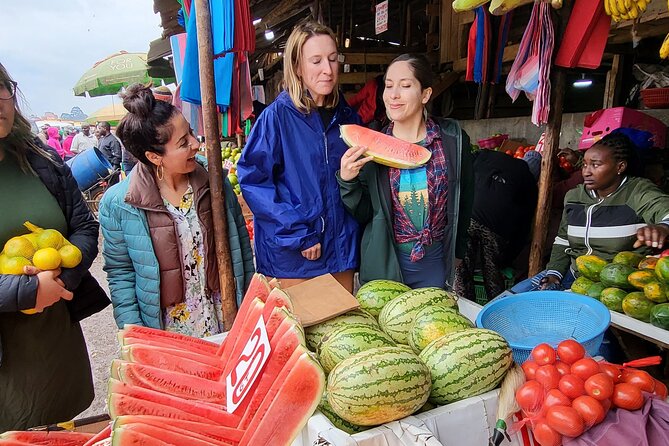
At $50 per person, the price is not just for watching someone cook. You’re paying for multiple parts that add up fast:
- market shopping (and grocery shopping is included),
- transport via a matatu public bus experience,
- and the cooking class plus a meal you eat.
So you’re getting more than instruction. You’re also getting ingredients. That makes a huge difference in value. Many food experiences charge a class fee and then expect you to pay extra for the food itself.
Also, the session length is about 3 to 3.5 hours, which is a comfortable time window. Long enough to shop, cook, and eat without feeling like your whole day disappears. For first-time Nairobi visitors, it’s also a tight way to get a cultural sampler platter that doesn’t require planning a full day elsewhere.
Group size matters here too. With a maximum of 15 travelers, you’re less likely to feel like you’re stuck in a line waiting your turn. Smaller groups usually mean better interaction and fewer “sit and watch” moments.
If you’re the type who likes food that’s tied to place—market to stove to table—this pricing structure makes sense.
Who Should Book This (and Who Might Skip Parts)
This tour fits best if you want a Nairobi experience that feels personal and practical.
You’ll likely enjoy it if you:
- want a real food experience beyond restaurants,
- enjoy markets and learning what goes into cooking,
- are curious about local public transport culture,
- like hands-on activities (or at least don’t mind getting involved).
You might consider skipping the market shopping option if:
- you’re short on energy and just want the meal,
- you prefer to avoid crowds and walking through a lively market environment,
- you have dietary needs and want the focus to be strictly on cooking.
The good news is the structure supports both moods: you can opt into the grocery hunt or keep it simple and go straight to home-cooked food.
Practical Tips to Make the Whole Day Feel Smooth
A few quick moves will help you enjoy this day without friction.
1) Wear clothes that handle motion and mess.
You’ll be in a market and cooking after. Even if you’re not eager to get your hands dirty, expect some splashes and spice smells.
2) Bring water and a light snack plan.
The day runs about half a day. You’ll eat what you make, but don’t assume you’ll arrive at a restaurant-style meal pace.
3) Expect a lively matatu ride.
Plan your comfort around noise and close seating. Keep valuables secure and your expectations realistic. This is local transport culture.
4) If you have dietary needs, request them on booking.
Vegetarian, pescatarian, and gluten-free options are available upon notice. Don’t wait until day-of.
5) Time it for good weather if you can.
The experience requires good weather. If conditions are poor, you may be offered a different date or a full refund.
Should You Book This Kenyan Cooking Class and Market Tour?
If you want Nairobi food with context—ingredients, transport culture, and a home meal—this is a strong choice. The biggest wins are the combo of market shopping plus cooking at a home, plus the matatu ride for real city flavor. With groceries included and a small group size, it feels like more than a “tour photo” activity.
Skip it only if you hate markets, dislike public transport, or you want a purely classroom-style lesson with no shopping and no movement. Otherwise, this is one of the better ways to understand how Kenyan cooking starts long before it reaches your plate.
FAQ
How long is the Traditional Kenyan Cooking Class & Local Market Tour?
It lasts about 3 hours 30 minutes (around 3 to 3.5 hours).
Where do we meet, and where does the tour end?
You start at Westlands Square, Ring Rd Parklands, Nairobi, Kenya, and the activity ends back at the same meeting point.
Do I have to go shopping in the local farmers market?
No. The market visit includes grocery shopping, but you can totally skip that part if you are not feeling up to it.
What kind of meal will we cook?
You’ll make a complete traditional Kenyan meal from scratch, including a main dish and a side dish with veggies. You’ll also be able to carry the foods prepared after the experience.
Are vegetarian or gluten-free options available?
Yes. Vegetarian, Pescatarian, and Gluten free options are available if you request them on notice upon booking.
Is the cooking location wheelchair accessible?
The cooking class location has lifts and is wheelchair accessible. Service animals are also allowed.
If you’d like, tell me your dietary needs and when you’re visiting Nairobi, and I’ll suggest the best way to plan this day around your other activities.