REVIEW · VALENCIA
Real Paella Cooking Class – Market Visit & Sangría Workshop
Book on GetYourGuide →Operated by My First Paella · Bookable on GetYourGuide
Paella in Valencia is equal parts cooking and timing. This class pairs a local market visit with hands-on paella—so the food makes sense, fast.
I love the way you cook with real guidance: hands in the rice, corrections as you go, and a real focus on socarrat (that crispy golden crust Valencians brag about). I also like the hospitality setup—tapasmore, wine, and sangria while you learn (including DO Valencia wine).
One thing to consider: the experience includes a lot of drinking time, including bottomless sangria, so it’s best if you’re okay with a lively pace and a somewhat boozy cooking flow.
In This Review
- Key things that make this class special
- A Market-to-Pan Day in Valencia (with Real Paella Techniques)
- Finding the Meeting Point: Church of San Valero to Start Simple
- Ruzafa Market: Shopping Like Valencia’s Neighbors
- Market reality check
- Tapas and DO Valencia Wine: Set the Flavor Foundation
- The Sangria Workshop: More Than Just a Pour
- Paella Time: Meat and Vegetables or Seafood Paella
- Rice, saffron, and why your choices matter
- Mastering the Socarrat: The Crispy Bottom Layer
- Eating What You Cook: Classic Finishes After the Cooking
- The Price Question: Is $77 Good Value?
- Who This Class Fits Best (and Who Might Skip)
- Tips to Get the Most From Your 3.5 Hours
- Should You Book This Real Paella Cooking Class?
- FAQ
- What’s included in the paella class?
- Is this a cooking show or a hands-on class?
- How long is the experience?
- Where does the tour start?
- What paella types are offered?
- Do I learn how to make socarrat?
- What drinks are included?
- What food do you eat besides paella?
- Is there time to buy extra items at the market?
- Is the guide available in English?
Key things that make this class special
- Ruzafa Market start: you shop where locals buy daily—not a photo-stop crowd.
- Chef-led, hands-on paella: you’re actively cooking, not watching from a distance.
- Socarrat coaching: you learn what produces the crispy rice layer.
- Sangria workshop at the same time: you build flavor skills, then eat what you make.
- Two paella styles: Valencian meat-and-vegetables or seafood with salmorreta sofrito.
- You leave with a usable recipe: not a vague memory of how it tasted.
A Market-to-Pan Day in Valencia (with Real Paella Techniques)
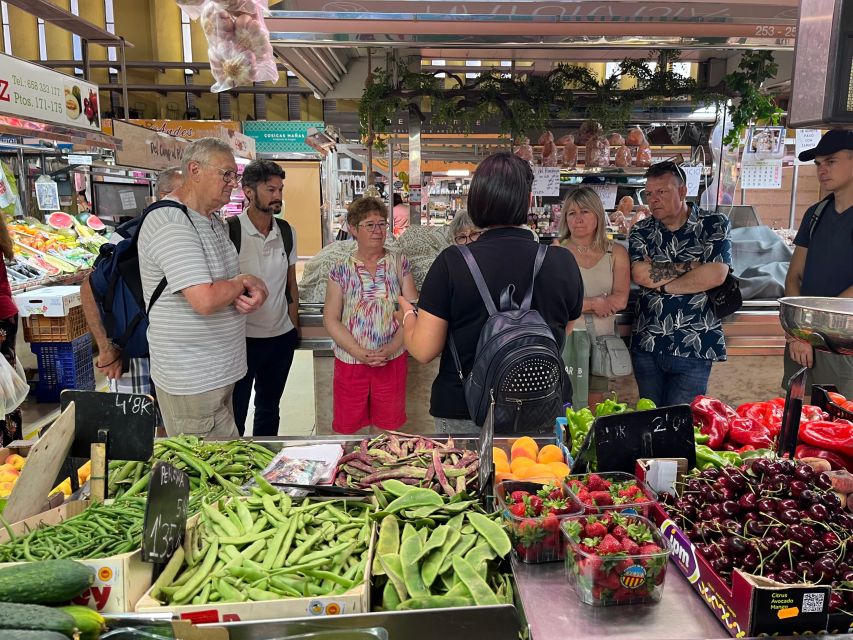
This is the kind of cooking class that feels like you’re stepping into a neighborhood routine. You start with ingredient hunting at Ruzafa Market, then you move to the kitchen where your chef turns lessons into muscle memory—stir, season, watch, and time it until the paella is ready.
The best part is that the class doesn’t treat paella as a mystery dish. You get practical, do-this-now guidance on key decisions—like how the rice works and how saffron should be handled. Then you get to test those decisions immediately, because you’re cooking in the same session you’re learning in.
I also like the social rhythm. There’s food before cooking, drinks while you cook, and a proper sit-down meal afterward with classic Valencian finishing touches. It’s not just an activity; it’s an actual lunch.
You can also read our reviews of more tours and experiences in Valencia.
Finding the Meeting Point: Church of San Valero to Start Simple
You meet your guide at the door of the Church of San Valero. That matters more than it sounds. A clear meeting point helps you avoid that last-10-minute scramble that can make any class feel stressful.
Once you’re lined up with the group and guide, the day moves in a tight flow: walk to the market, select ingredients with your chef, then head to the kitchen not far away. If you like your experiences with minimal waiting around, this pacing tends to work well.
Ruzafa Market: Shopping Like Valencia’s Neighbors
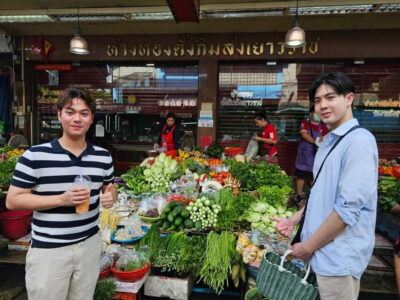
Instead of heading to the most famous central market, you begin at Ruzafa Market—a neighborhood market where locals do daily shopping. The result is a calmer, more real-feeling experience. You get to see ingredients in context, not just on display for tourists.
What makes this stage valuable is that it links technique to ingredients. When your chef talks about what goes into paella, you’re not just memorizing steps. You’re seeing produce, proteins, and key pantry items you’ll handle later. That makes it easier to understand why the cooking method matters.
This is also where you get a first taste of the culture around food: brisk shopping energy, lots of local talk, and the sense that meals here aren’t planned around trend. They’re planned around what’s fresh and what’s seasonal.
Market reality check
Wear shoes you can walk in comfortably. You’ll do a market walk before cooking, and you’ll likely be on your feet long enough that stiff dress shoes will feel like a punishment.
Tapas and DO Valencia Wine: Set the Flavor Foundation
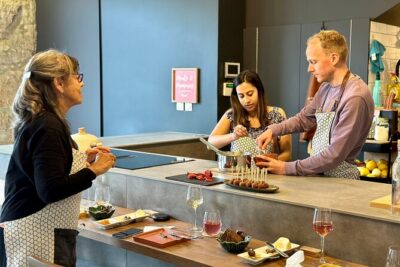
Before the paella hits the pan, you’re welcomed with homemade tapas. The spread includes things like manchego cheese, jamón, steamed mussels, patatas bravas, and olives. It’s a smart move: you’re tasting while you learn, so the whole event feels like food culture instead of a snack break.
While you eat, you also learn to make sangria. You’ll toast with DO Valencia wine, and you’ll have beer and soft drink options too. Sangria here isn’t treated like a gimmick. Your chef shows you how it fits into the meal—bright, fruity, and built to keep the cooking session comfortable.
One practical point: because alcohol is part of the schedule, your taste buds may feel extra active after your first few sips. That’s actually useful when you’re learning seasoning balance. Just keep your water nearby and pace yourself if you’re sensitive to strong alcohol.
The Sangria Workshop: More Than Just a Pour
This part is fun, but it’s also instructional. You’ll learn the basic approach to sangria while you’re already in a drinking-and-tasting mode, so you can connect what you’re doing to what you’re feeling.
You’ll have bottomless sangria, plus wine and beer during the workshop. In other words, you’re not trying to fit drinking into the class—you’re part of the class’s whole rhythm.
If you’re the type who usually skips cocktails because you’re trying to stay “focused,” this is a good exception. It’s still a cooking lesson day, just with Valencia’s signature party drink involved.
Paella Time: Meat and Vegetables or Seafood Paella
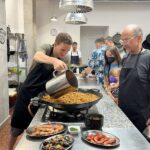
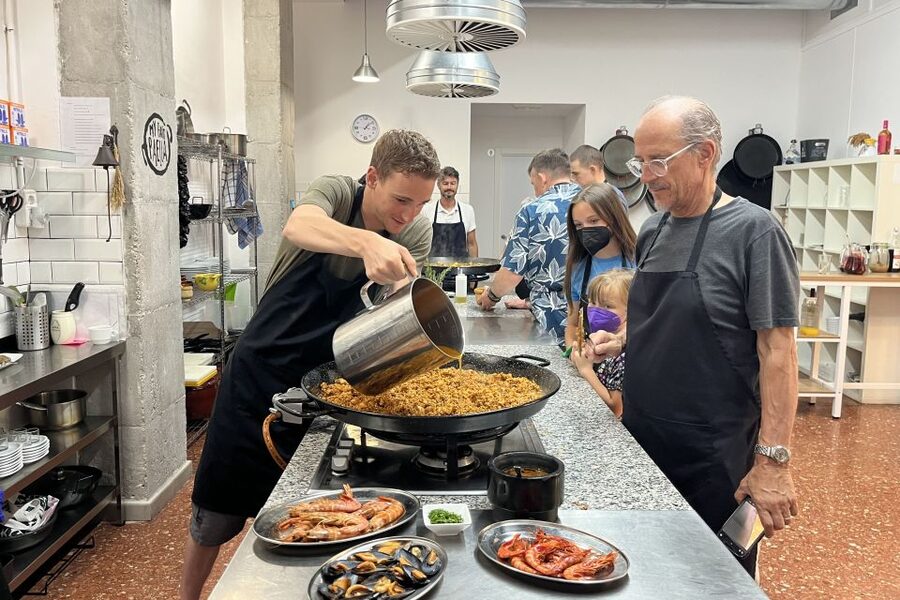
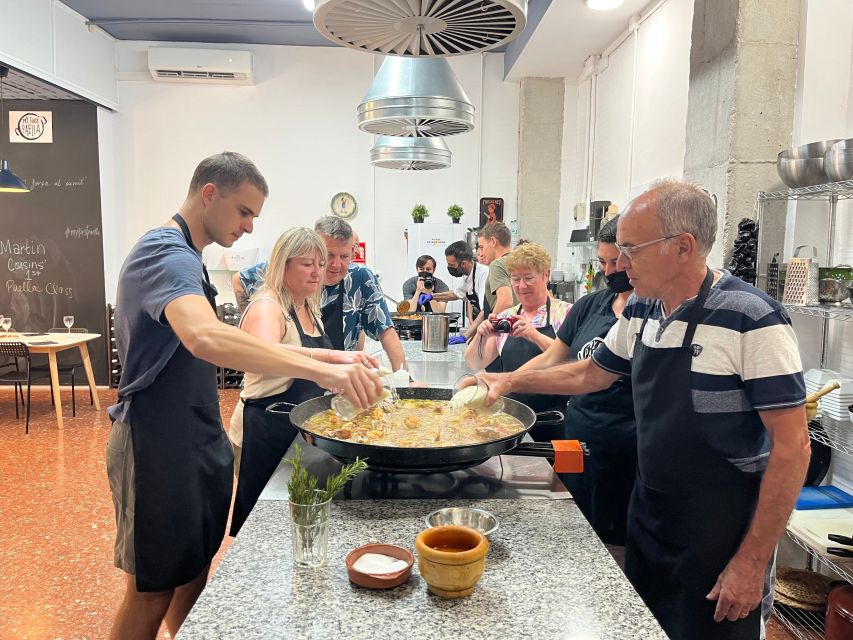
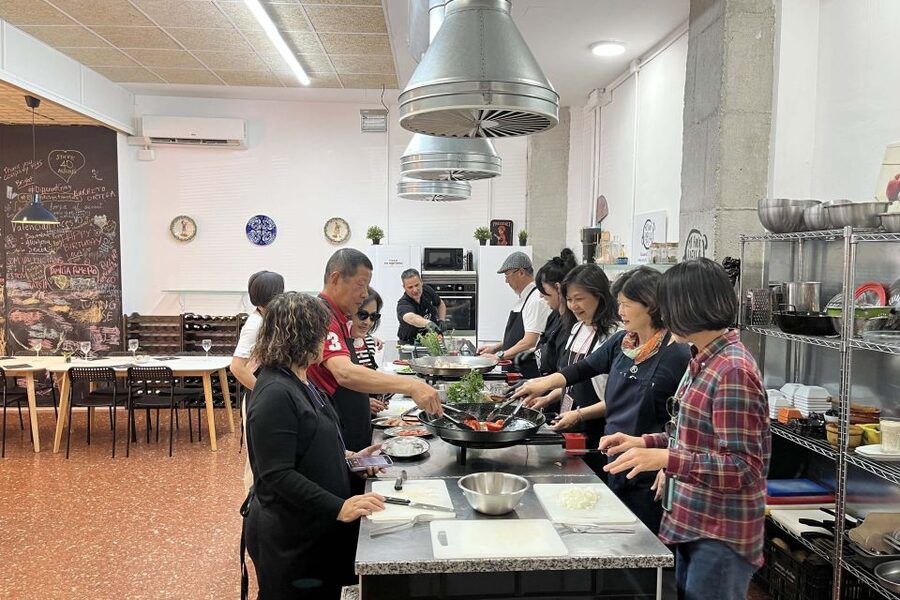
Once the kitchen phase starts, your chef guides you step by step to make authentic paella. You’ll typically choose between:
- Valencian paella with meat and vegetables
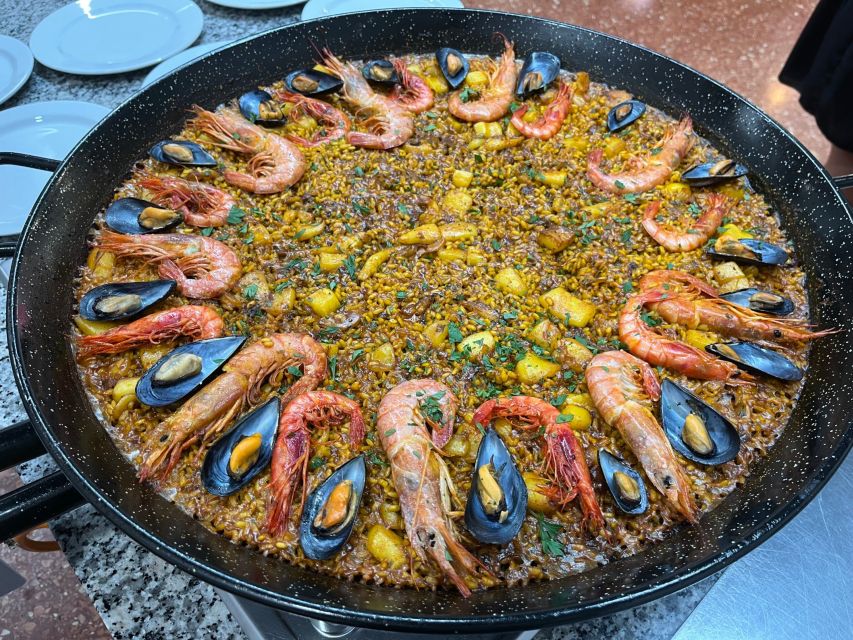
- Seafood paella, including a traditional salmorreta sofrito
That choice is important. Paella in Valencia has strong traditions about what belongs together, and the class follows that idea. If you love seafood, lean seafood. If you want the classic meat-and-veg vibe, go Valencian.
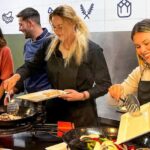
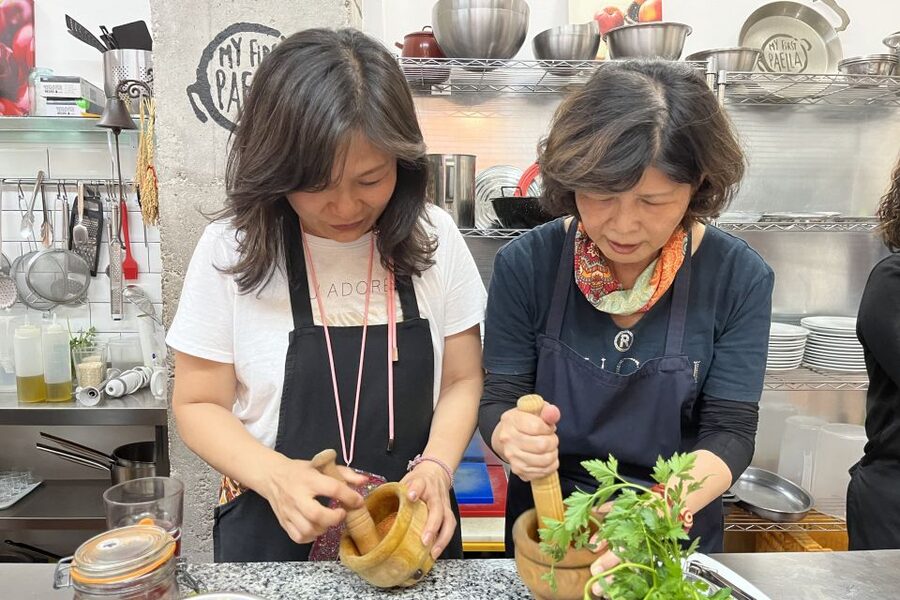
The lesson stays hands-on. You’re not just hovering over your station with a spoon while a chef does the heavy lifting. You’ll be actively involved—mixing, managing heat, and responding to real-time feedback.
Rice, saffron, and why your choices matter
You’ll learn why the class uses J. Sendra rice, how to handle saffron so it stays flavorful instead of overpowering, and how the cooking process links directly to texture.
This is where paella stops being “just rice.” You start seeing it as a set of controlled reactions: simmer time, liquid absorption, and crust formation all happen together. The chef’s explanations make it easier to reproduce results after you get home.
Mastering the Socarrat: The Crispy Bottom Layer
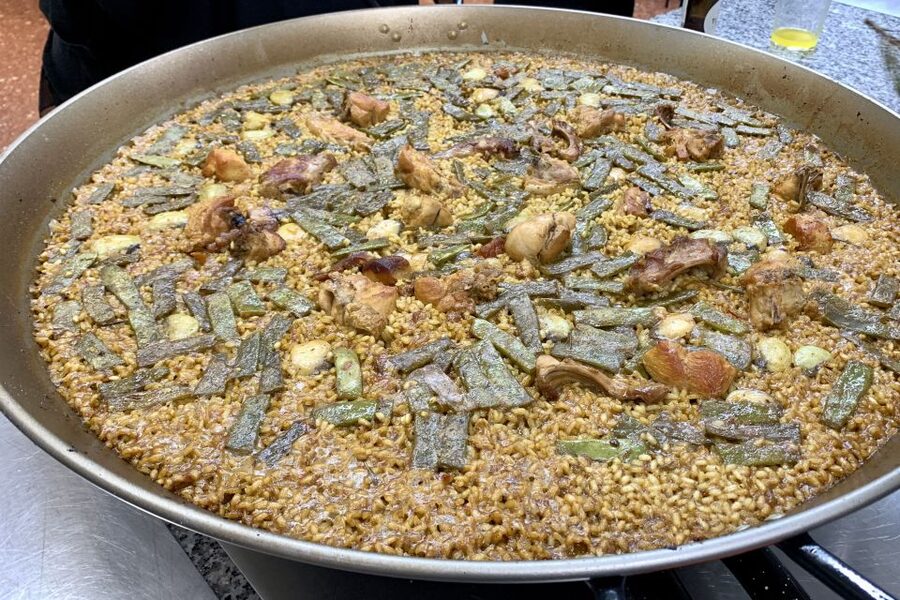
The standout teaching moment is socarrat—the golden, crispy layer Valencians consider the best part of paella. Getting it right is less about luck and more about control.
In this class, you’ll learn what creates that crust and what to watch as heat and cooking progress. You’ll also get corrected as you work, which is huge. Socarrat is where beginners often mess up because they treat paella like stew. It isn’t.
So you’ll learn to respect the final stage: once the paella is close to done, the goal shifts from cooking to finishing—keeping enough heat to crisp the rice without burning it beyond the point of recovery.
If you want a paella you can actually make again later, socarrat coaching is the difference between a nice meal and a genuinely Valencian one.
Eating What You Cook: Classic Finishes After the Cooking
When your paella is ready, everyone sits down together. That’s not just a nice touch—it helps the lesson “land.” You taste your results right away, and it becomes easier to remember what the chef meant when they corrected your technique.
Your meal includes:
- Valencian tomato salad
- Seasonal fruit
- Coca de llanda (the traditional sponge cake from here)
- Coffee
- A shot of mistela to finish
Mistela is a traditional sweet spirit finish, and the class framework includes a brandy path to mistela as part of the ending. It’s a very local way to close a meal, and it gives the whole day a sense of ceremony without being overly formal.
Also worth noting: the menu is built to match the paella. Tomato salad and fruit bring brightness after the richness of rice and meats or seafood. Then the sponge cake and coffee feel like the natural landing spot.
The Price Question: Is $77 Good Value?
At $77 per person for about 3.5 hours, this is one of the better deals you’ll find if you want more than a restaurant meal.
Here’s why the value holds up:
- You get the market visit (ingredient selection experience)
- You get hands-on cooking with a chef, including instruction you can use later
- You get a full food lineup: tapas upfront plus the paella meal
- You get drinks included: bottomless sangria, beer, and DO Valencia wine
- You leave with a recipe you can actually use, which is often the missing piece in cooking classes
In other words, you’re not paying only for a dish. You’re paying for context, technique, and a full “workshop + lunch” structure.
If you’re someone who hates alcohol or avoids it completely, the included drink plan might not be your best match. But if you like sangria and a lively table, this pricing starts to feel very fair.
Who This Class Fits Best (and Who Might Skip)
This is a great fit if:
- You want authentic Valencian paella techniques, not a generic “paella night”
- You enjoy learning by doing, including timing and heat management
- You like a social meal where everyone helps cook and then eats together
- You want market-to-table context with a chef who grew up with these traditions
It might be less ideal if:
- You prefer calm, low-alcohol experiences
- You’re only interested in watching rather than participating
- You have very specific dietary needs not mentioned in the provided details
Tips to Get the Most From Your 3.5 Hours
- Arrive ready to taste. The class starts with tapas and moves into sangria, so you’ll get flavor input right away.
- Plan to participate actively. The best results come when you take the chef’s corrections seriously—especially for socarrat.
- Choose your paella style thoughtfully. Meat-and-vegetables and seafood paella are both offered, but you typically won’t get both in one bowl.
- Bring your appetite. This isn’t a “snack and a bite” class. It’s a full meal with dessert and a finishing shot.
Should You Book This Real Paella Cooking Class?
Yes, if you want a Valencia experience that goes beyond eating. Book it for the Ruzafa Market start, the chef-led hands-on cooking, and the socarrat focus. You’ll come away with technique, not just a memory.
Skip it only if you strongly dislike alcohol-heavy scheduling or you want a quieter, less social class. If you’re open to tapas, sangria, and a proper lunch structure, this is a $77 class that delivers far more than “just paella.”
FAQ
What’s included in the paella class?
You’ll get a guided visit to Ruzafa Market, a hands-on paella workshop with a chef, all ingredients, tapas, bottomless sangria, beer, wine (DO Valencia wine), dessert, coffee, and a shot of mistela at the end.
Is this a cooking show or a hands-on class?
It’s hands-on. You’ll cook the paella with the chef guiding you step by step and correcting your technique as you work.
How long is the experience?
It lasts about 3.5 hours.
Where does the tour start?
Meet your guide at the door of the Church of San Valero.
What paella types are offered?
You’ll make either Valencian paella with meat and vegetables, or a seafood paella using a traditional salmorreta sofrito.
Do I learn how to make socarrat?
Yes. The class specifically teaches the socarrat, the crispy golden rice layer.
What drinks are included?
Bottomless sangria is included, along with beer, DO Valencia wine, and soft drinks. You also toast as part of the sangria workshop.
What food do you eat besides paella?
You’ll have tapas at the start, plus the main paella meal served with Valencian tomato salad and seasonal fruit. Dessert includes coca de llanda, and coffee and mistela finish the experience.
Is there time to buy extra items at the market?
Market purchases beyond what’s needed for the class aren’t included, so you might want extra money if you plan to buy additional items.
Is the guide available in English?
Yes, it’s listed as an English live tour guide.