REVIEW · MARRAKECH
Moroccan Cooking Class with Market Visit and Meal
Book on Viator →Operated by Next Stop Morocco · Bookable on Viator
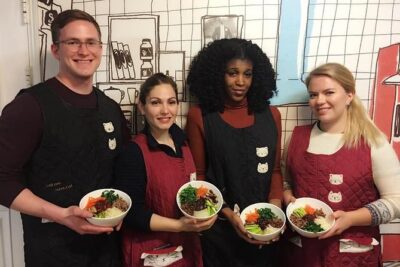
If you like food with a story, this fits. This Moroccan cooking class turns a simple meal into a market-to-table day: you start with a guided trip to pick fresh ingredients and signature spices like Ras El Hanout and saffron, then you cook a full three-course menu in a spacious riad kitchen. After that, you eat what you made in a beautifully set Moroccan salon.
I love that the class is hands-on and structured, so you’re not just watching someone else cook. I also like the family-style feel, with local chefs guiding you through chopping, seasoning, and cooking techniques for dishes such as salads, tajines, couscous, and desserts. One possible drawback: this is not a sit-back, fancy-only experience. Expect to get working, and if you’re uncomfortable with an active, shared kitchen moment at first, it may feel a bit odd until you settle in.
In This Review
- Key things to know before you go
- A Riads Kitchen Where Shopping Turns into Cooking
- Choosing Ingredients and Spices at the Market (Morning Session Only)
- From Chopping to Tajines: How the Cooking Class Actually Works
- Your Three-Course Meal in a Moroccan Salon
- What You Take Home: Digital Recipes and Spice Shopping
- Price and Time: Does $38.72 Make Sense for Four Hours?
- Who This Marrakech Cooking Class Is Best For
- Booking Practicalities You Should Know (Quick and Useful)
- Should You Book This Moroccan Cooking Class?
- FAQ
- How long is the Moroccan cooking class in Marrakech?
- Do I get a market visit included?
- What time options are available?
- What will I cook and eat during the class?
- How big is the group?
- Where does the tour start and end?
Key things to know before you go
- Market visit (morning only): You’ll learn how to choose ingredients and spices before you cook.
- Three-course, full menu: You’re cooking more than a single dish, including sides and dessert.
- Riad kitchen setup: Spacious and well-equipped, designed for real cooking practice.
- Small group limit: Maximum 12 travelers, which keeps the chef attention feeling practical.
- Eat in the Moroccan salon: The meal is served in a proper setting, not standing around.
- Take-home help: You get a digital recipe booklet and can buy spices to take home.
A Riads Kitchen Where Shopping Turns into Cooking

Marrakech has a way of making food feel like more than fuel, and this experience is built to prove it fast. You begin with ingredient choices, not just recipes. That means when you later handle spices and start cooking, you’re doing it with context: why that spice matters, what freshness looks like, and how flavor builds across the meal.
You’re also in a riad setup, not a hotel banquet room. That matters. In a smaller, home-style space, you can actually see what the chefs are doing and copy it. And because the group is capped at 12, you won’t feel swallowed by a crowd.
If you’re the type who wants to taste Morocco first, this gives you both: you’ll smell the ingredients early, then you’ll make them real on your plate later. It’s a good option when you want something authentic but still organized.
You can also read our reviews of more tours and experiences in Marrakech.


Choosing Ingredients and Spices at the Market (Morning Session Only)

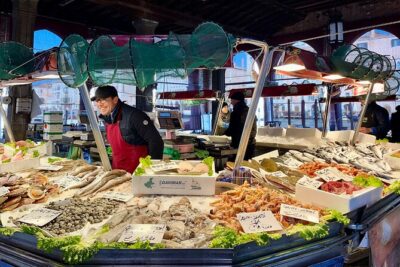
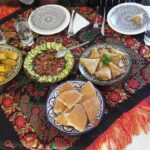
The market visit is the start of the magic trick. The morning session is when you’ll handpick fresh ingredients and aromatic spices, guided by your hosts. You’ll focus on key staples such as Ras El Hanout and saffron, plus other common Moroccan flavors like paprika and cumin.
Here’s what I’d pay attention to at the market, because it directly helps later in the kitchen:
- Smell the spices before you assume. Freshly fragrant spices usually beat dusty ones. Ask how they’re used and what dishes they’re best for.
- Look for ingredient condition, not just color. For cooking, freshness and texture affect everything, especially for salads and couscous components.
- Learn what the spices do together. Moroccan flavors often work as a blend, not a solo act. Even if you love one spice, your dish needs balance.
This part is valuable because it makes your cooking feel less like following instructions and more like making decisions. By the time you return to the riad, you’re not just grabbing what you see—you understand why it’s there.
Timing note: the market visit is morning only, so if you want this full market-to-table flow, book the 10:30 am session.
From Chopping to Tajines: How the Cooking Class Actually Works

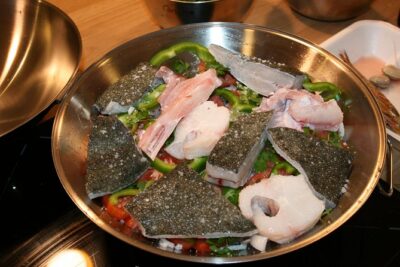
Once you’re back in the kitchen, the class shifts from shopping to technique. This is where you’ll learn practical basics: chopping, seasoning, and cooking Moroccan dishes with chef guidance. The goal is that you can repeat at least part of what you learned at home, not just survive the menu.
The menu includes several Moroccan favorites, including:
- salads
- tajines
- couscous
- desserts
Even if you’ve cooked before, Moroccan technique can feel different. For example, you’re usually working with spices and timing in a way that’s specific to the dishes—how you season, how you layer flavor, and how you control the heat as food cooks down. You’ll likely pick up chef habits you can use immediately, such as tasting adjustments while cooking instead of only adjusting at the end.
Also, the kitchen is described as spacious and well-equipped. That matters for comfort. When a kitchen is tight, hands-on classes become stressful. Here, the setup is built so you can work without constantly bumping elbows.
One more small detail that helps: you’ll be talking with your local chefs as you cook, learning food and culture context along the way. That turns a cooking lesson into a real conversation, not a factory line of steps.
Your Three-Course Meal in a Moroccan Salon

After cooking comes the best part: eating it. You’ll enjoy your creations in a Moroccan salon set up for the meal, which is a big difference from many classes where you cook for a minute, then eat something generic later.
Because the menu is three courses, you get variety in the way you taste. Salads and couscous let you understand lighter, grain-and-veg structure. Tajines show the slower, spiced, comfort-food side. And dessert finishes the experience with something sweet to tie it together.
Practical advice: go slow during eating. You’ll taste what you cooked, but you’ll also notice how flavors developed over time. That’s the moment your market learning turns into understanding, like when you realize why a spice blend tastes different in a sauce than it does in the powder form.
If you care about atmosphere, this part delivers. You’re not eating in a cramped corner. You’re in a setting meant for a full meal, which makes it feel like hospitality, not just a class.
What You Take Home: Digital Recipes and Spice Shopping
This experience doesn’t end when you clean up. You’ll receive a digital recipe booklet, which is helpful if you want to repeat the menu later. Having recipes in digital form is practical while you’re traveling—you can search ingredients quickly and keep notes without carrying paper.
You can also purchase spices to take home. That’s more than souvenir shopping. If you liked how Ras El Hanout or saffron tasted in your finished dish, buying the blend (or at least learning what to buy) gives you a way to recreate the flavors later.
My suggestion: buy the spices you actually used during class, not the ones that just sound cool. If you return to the recipe booklet and match the spice list to what you remember tasting, you’ll use it more at home, instead of letting it sit in a drawer.
Price and Time: Does $38.72 Make Sense for Four Hours?

At $38.72 per person for about four hours, this class is priced like a serious local add-on, not like a fancy performance. What makes the value feel real is what’s included: the market visit (morning), hands-on cooking in the riad kitchen, chef guidance, and then a full three-course meal you eat afterward.
You’re also not stuck waiting for others. With a maximum of 12 travelers, the experience is built so you can participate. That reduces the usual issue with group classes where only a few people get real instruction.
You’ll get the most out of it if you treat it as active learning: ask about ingredients, pay attention to seasoning decisions, and don’t rush through the meal portion. If you do those things, the price turns into a practical return: you’ll leave with techniques, not just memories.
For timing, you can choose:
- 10:30 am morning session (includes the market visit)
- 5:30 pm evening session (cooking and meal, without the market step)
Pick based on what you want most: ingredient shopping and learning first, or evening cooking and dining.
Who This Marrakech Cooking Class Is Best For
This is a great fit if you:
- want an authentic market-to-table food experience in Marrakech
- enjoy hands-on classes where you cook, not just watch
- want a small-group setting with guidance and conversation
- like the idea of taking a recipe booklet and spice knowledge home
It’s also a good choice if you’re worried about getting lost in Marrakech food culture. The structure gives you momentum: market, kitchen, meal.
Who might skip it? If you’re looking for a purely passive, polished tourist-style dinner, this is more active than that. You should expect chopping, seasoning, and shared kitchen energy. Also, it’s best for people who don’t mind learning basics they might repeat later rather than chasing a high-speed, super-advanced cooking workshop.
One more heads-up from the vibe of real experiences like this: at first, shared kitchens can feel slightly awkward for people who prefer space and silence. In this kind of family-style setting, it usually passes quickly once you’re cooking and the hosts are guiding you. Go in with a relaxed attitude and you’ll likely have a smoother time.
Booking Practicalities You Should Know (Quick and Useful)

The meeting point is Flavors of Marrakech, Rue Fatima Zahra, Marrakech 40000. The tour ends back at the meeting point.
You’ll get a confirmation at booking time and receive a mobile ticket. The area is noted as near public transportation, which helps if you’re planning a day around other Marrakech stops.
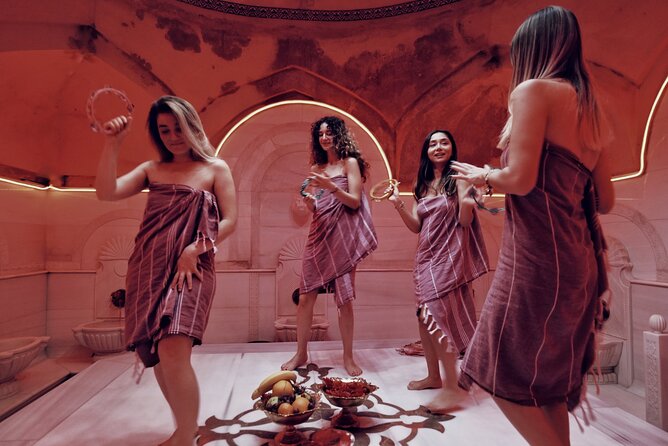
One line in the additional info mentions a swimsuit and notes about something related to a hammam. This is unusual for a pure cooking class, so I’d treat it as a potential add-on note and double-check with the operator when you book. If there’s any chance a hammam element is included with your exact session, bring what they ask for.
Cancellation is flexible with free cancellation up to 24 hours in advance, which is handy if your schedule gets messy.
Should You Book This Moroccan Cooking Class?
I’d book it if your goal is to eat Moroccan food with context. You’ll shop for spices first, learn techniques in a real riad kitchen, and then enjoy a full three-course meal you cooked yourself. For the money, the combination of market learning, small group size, and chef-led instruction is what makes it worth your time.
Pass if you only want a casual dinner with no cooking, or if you strongly dislike hands-on work. This is meant to be active, shared, and a little bit hands-dirty.
If you choose the morning session, you also get the extra value of learning how ingredients and spices are selected in Marrakech before you turn them into your meal.
FAQ
How long is the Moroccan cooking class in Marrakech?
The experience runs for about 4 hours.
Do I get a market visit included?
Yes, the market visit is part of the morning session only.
What time options are available?
There’s a 10:30 am morning session and a 5:30 pm evening session.
What will I cook and eat during the class?
You’ll prepare a full three-course meal, including Moroccan dishes like salads, tajines, couscous, and desserts, and then you’ll eat everything you make.
How big is the group?
The experience has a maximum of 12 travelers.
Where does the tour start and end?
It starts at Flavors of Marrakech on Rue Fatima Zahra and ends back at the meeting point.