REVIEW · PRAGUE
Prague: Market Tour and Traditional Czech Cooking Class
Book on GetYourGuide →Operated by Chefparade · Bookable on GetYourGuide
Goulash tastes better when you cook it. This Prague market-to-studio experience pairs a morning farmer’s market stop with hands-on Czech cooking at Chefparade, where you’ll learn core techniques and finish by eating the meal you make. It’s one of the easiest ways to turn Prague food sightseeing into something practical you can repeat later at home.
I especially like two things: you learn by cooking side-by-side in a contemporary studio, and you leave with recipes you can take home. You’re also not stuck with a single dish—you typically work through a full 3-course menu built around Czech comfort food, so the learning sticks.
One possible drawback: there’s no hotel pick-up, so you’ll need to get yourself to the Chefparade meeting point in Prague 7 (Holešovice). If you’re staying far away and hate transit, factor that into your day.
In This Review
- Key points worth knowing
- Why this Prague market-and-cooking format makes sense
- Farmer’s market morning: spotting Czech ingredients that actually matter
- Chefparade Cooking School: where the class stays hands-on
- The cooking basics you’ll use again: soups, potatoes, and dumpling technique
- Goulash and dumplings: learning the flavor logic behind Czech comfort food
- Main course favorites: Easter stuffing, rabbit or chicken, and new potatoes
- Dessert: how Czech sweets fit the meal
- The 3-course lunch you make (and why it’s worth the time)
- Price and value: is $227 per person fair for Prague?
- Who should book this cooking class with market tour
- Small logistics that can save your day
- Should you book the Prague Market Tour and Traditional Czech Cooking Class?
- FAQ
- How long is the Prague market tour and cooking class?
- Is the farmer’s market tour included?
- What dishes might I cook during the class?
- Where do I meet for the experience?
- What’s included in the price?
- Is the class taught in English?
- Can I get a refund if I cancel?
Key points worth knowing
- Morning market timing: the farmer’s market is covered from 09:00 when it’s at its most active.
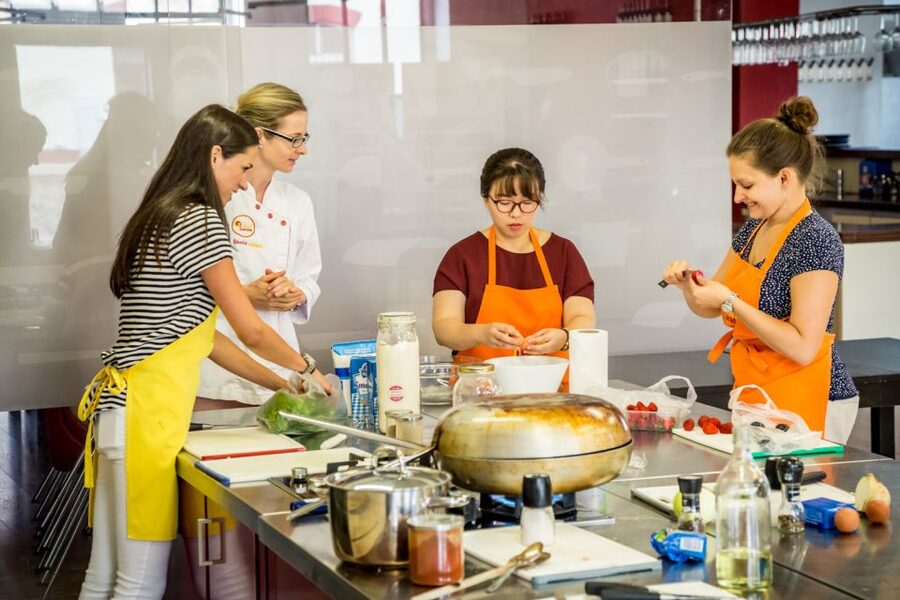
- Cook in a real studio setup: Chefparade Cooking School keeps the class modern but focused on traditional food.
- A full Czech meal, not just a demo: you typically prepare a 3-course menu and then eat it.
- Classic dishes with variety: expect staples like bramboračka (potato soup with mushrooms), goulash, dumplings, and often bramboráky (potato pancakes).
- Seasonal adjustments are part of the plan: menus can shift based on what’s in season and your requirements.
- Strong teaching shows up in the details: instructors are praised for clear cooking tips and flavor guidance, including an instructor named Vladimir.
Why this Prague market-and-cooking format makes sense
Prague has great restaurants, sure. But a market tour + cooking class combo gives you something restaurants can’t: the ingredients become part of the story. When you shop for the spices, produce, and typical Czech staples first, the cooking stops feeling like a mystery. You understand what goes where, and why.
This one also has a clean structure. You start with a guided market visit (if you choose that option), then move into the kitchen where you’ll cook a full meal. That pacing helps you stay focused instead of rushing between “seeing” and “doing.”
And there’s a practical payoff. You don’t just watch someone else make food—you cook it, taste it, and then take recipes home. That means you’ll remember the flavors next time you shop for the same ingredients.
You can also read our reviews of more tours and experiences in Prague.
Farmer’s market morning: spotting Czech ingredients that actually matter
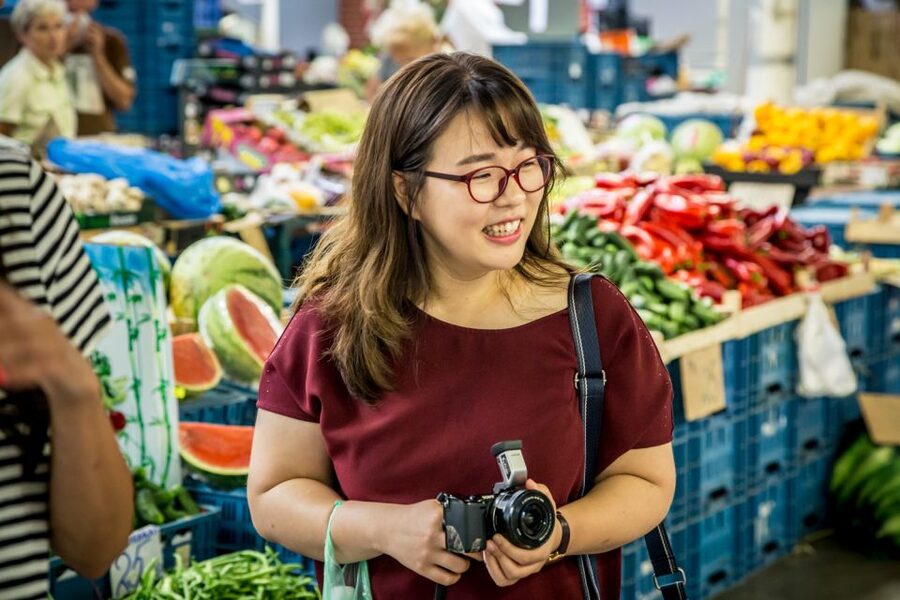
If you pick the market add-on, you’ll meet at the cooking school and head out with your guide early, starting at 09:00. The point of that time isn’t romance—it’s practical. Markets are easiest to navigate when they’re lively, and you’ll get more attention from vendors while there’s still plenty of produce and pantry basics on the tables.
What you’re looking for here is the “how Czech cuisine tastes” part. During the walk, you’ll learn about typical ingredients that show up again and again in Czech cooking. The class guide helps point you toward what’s essential for an authentic meal—so when you later cook dishes like potato-based soups and dumplings, the flavors aren’t random. They’re connected.
You’ll also buy the items you need for class. That’s a big advantage. It turns the market stop into real prep work, so you leave knowing how to recreate the shopping-to-cooking logic later.
What to keep in mind: wear shoes you’re comfortable walking in, since the market time is part sightseeing and part shopping. Also, since the menu can change with the season, don’t expect every single ingredient to match the dish list perfectly on every date—but you’ll still be cooking Czech classics.
Chefparade Cooking School: where the class stays hands-on
The action starts at Chefparade Cooking School, Bubenské nábř. 306/13, Prague Market, Hall No. 36, Prague 7 – Holešovice. It’s a straightforward meeting point, and the activity ends back there—so you’re not forced into a second transfer after lunch.
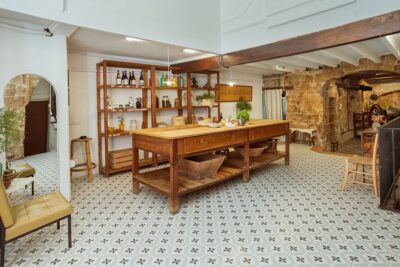
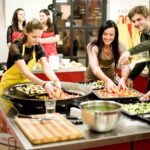
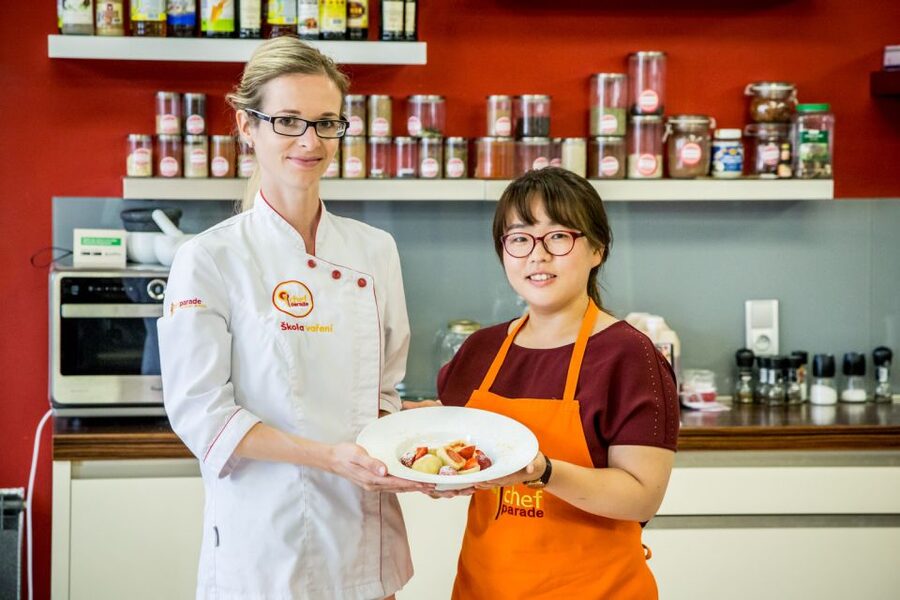
Inside, you cook in a contemporary, cosmopolitan-style kitchen studio. The important part isn’t the decor. It’s that the setup is designed for hands-on classes: you use kitchen equipment and utensils provided by the school, plus you’ll get aprons. That keeps the focus on technique and comfort rather than logistics.
The instructor speaks Czech and English, so you’re covered if your Czech is limited. In other words, you’ll be able to ask questions while you’re cooking—not just at the start when everyone’s still taking notes.
One theme that shows up in how people rate this class: the teaching is practical. A standout example from instructor feedback is Vladimir, described as extremely sweet and focused on helping people build more flavor, not just follow steps.
The cooking basics you’ll use again: soups, potatoes, and dumpling technique
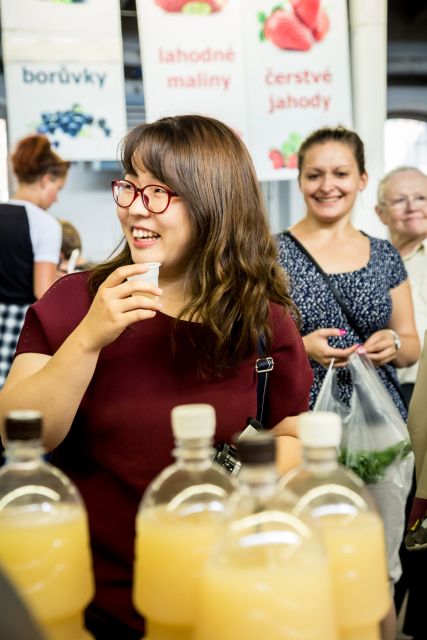
Czech cooking leans hard on structure—sauces, starchy bases, and doughs that behave predictably when you treat them right. This class is built around that idea: you start learning fundamentals and then apply them across several dishes.
A common first course is potato soup with mushrooms, bramboračka. This is the kind of dish where technique matters. Potato soup can go wrong if you rush texture or seasoning, but when it’s done right it’s cozy and comforting without being heavy for the sake of heavy. You’ll also learn how the flavors come together and how to balance them.
From there, you typically move into more hands-on starch work, including either goulash components (often tied to dumplings) or other Czech potato specialties like potato pancakes, bramboráky. Potato pancakes are a great teaching tool because they make you think about consistency—how thick the batter is, how heat affects browning, and how you season so the flavor isn’t bland once it’s cooked through.
You may also prepare fruit dumplings with cottage cheese, ovocné knedlíky. That’s another key technique lesson: dough control. Getting dumplings right is about timing and texture, not just ingredients.
Goulash and dumplings: learning the flavor logic behind Czech comfort food
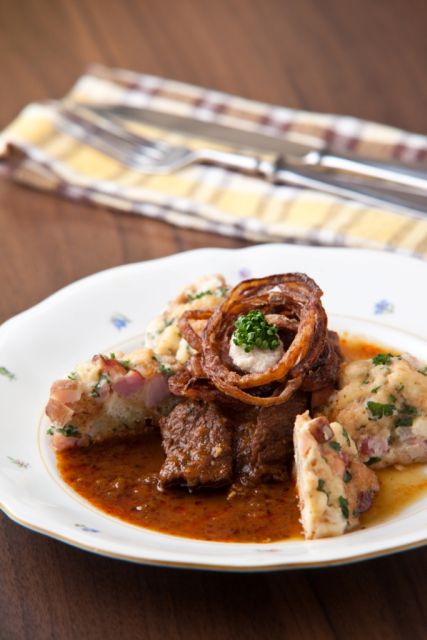
Goulash in Czech cuisine isn’t only about the meat. It’s about how the sauce tastes and clings, and how it pairs with dumplings. In this class, goulash is often taught alongside dumplings from Carlsbad—a regional pairing that shows you Czech food isn’t one-note. It has place-based variations.
This is where you’ll likely notice the instructor’s flavor tips. One of the most praised parts of the experience is how the chef guide teaches ways to add more flavor, not just cook longer. That can mean adjusting seasoning at the right stage, understanding how ingredients release taste, or learning which steps prevent bland results.
You’ll also get guidance in a studio setting with a local chef guide, which matters. When you’re cooking something dough-based or sauce-based, you don’t always know what’s gone wrong until it’s too late. Having real-time teaching helps you fix texture or balance early.
A practical consideration: recipes can be adjusted based on your requirements and what’s in season. That’s good for authenticity, but it means the exact version of goulash or dumplings may shift slightly. You’re still learning the same underlying principles.
Main course favorites: Easter stuffing, rabbit or chicken, and new potatoes
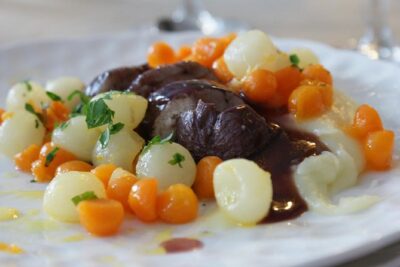
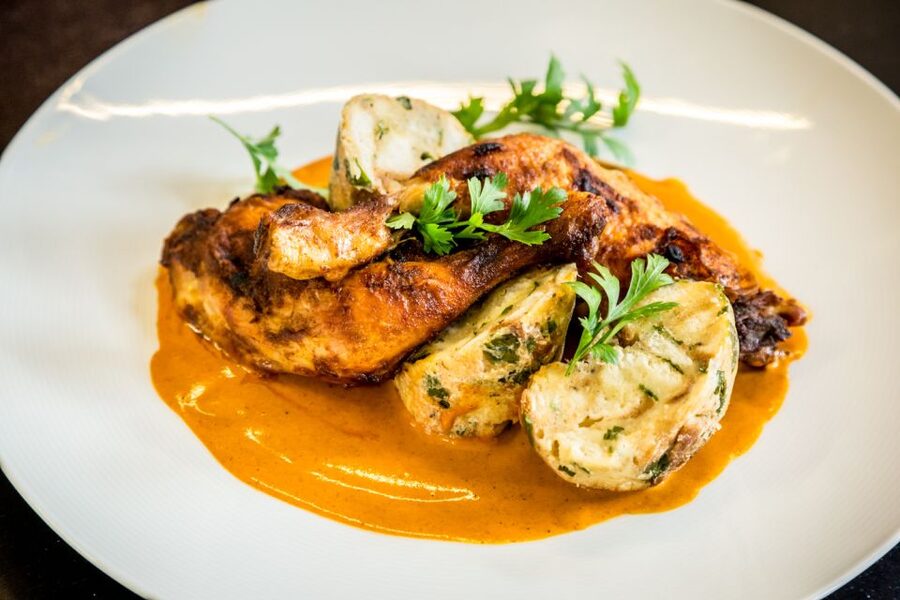
For the main course, Czech menus in this class often include something more traditional than the usual “chicken in a sauce” routine. A favorite option is rabbit or baby chicken with Easter stuffing and new potatoes with chives.
That menu choice matters because it teaches you how Czech plates feel when they’re built for a meal, not just a bite. The herbs, the potatoes, and the stuffing all work together. You’re learning pairing, not only cooking.
If you’re someone who wants to understand what makes a Czech lunch feel Czech—comfort without heaviness, herb-forward freshness, and slow-built savor—this is the part that makes it click.
You may also prepare something like a creamy spinach soup with herb croutons as part of a course menu variation. That helps broaden your idea of Czech cooking beyond just potatoes and dumplings.
Dessert: how Czech sweets fit the meal
Dessert in this class often includes beránek, a sweet cake that’s distinctly Czech. This kind of dessert isn’t usually about fancy decoration. It’s about flavor and tradition—how the sweetness sits after savory courses.
If you’re hoping to learn one Czech sweet you can reproduce at home, beránek can be a memorable anchor. Even if you’ve never baked Czech-style before, you’ll be working with a structured recipe process while the studio provides the setup.
The bigger value here is pacing. A meal that ends with a Czech dessert helps you understand how the whole menu “lands.” You don’t just eat; you experience the order of flavors.
The 3-course lunch you make (and why it’s worth the time)
The class is designed so you prepare a 3-course meal and eat it after. In a great cooking class, eating isn’t an afterthought. Here, you get closure: you taste what you made while the techniques are still fresh in your head.
Timing-wise, you’re looking at 3.5 to 4 hours total for the full experience. That includes time for market prep if you select it. Most sessions run late morning into lunch, though the class can be adjusted by agreement if you prefer afternoon options.
Food classes can be tricky when schedules don’t fit your day. The good news is that this one is short enough to pair with other Prague plans—especially if you’re staying in or near Prague 7.
Price and value: is $227 per person fair for Prague?
$227 per person sounds like a splurge, so I think about value like this: you’re paying for ingredients, instruction, studio equipment, aprons, and a complete 3-course meal that you cook and then eat. You’re also getting recipes to take home, which turns the class from a one-time meal into future meals.
The market add-on (if selected) adds more value because you’re not just buying ingredients and getting a cooking lesson. You’re learning what makes the ingredients typical and then purchasing what you’ll use.
If you compare it to paying for a traditional sit-down meal plus a separate food tour, this class can feel more “worth it” because it compresses several experiences into one time block and teaches you the actual process. You leave with skills, not only memories.
Still, it’s not the cheapest way to eat in Prague. If your goal is only to try one iconic dish, you might find cheaper food options. But if you want Czech cooking skills you can reuse, $227 per person starts to make sense quickly.
Who should book this cooking class with market tour
This is a strong match if you:
- like learning through hands-on work, not just watching
- want Czech cuisine beyond one dish, especially potatoes, soups, dumplings, and dessert
- enjoy food markets and want the shopping-to-cooking connection
- want recipes you can actually use later
It may not be the best fit if you:
- hate public transit or walking, since there’s no hotel pick-up
- only want a quick snack experience and not a structured 3.5–4 hour meal class
- need a very strict menu with no seasonal variation (menus can be adjusted, but they may shift based on what’s available)
Small logistics that can save your day
A few practical notes help you go in prepared:
- You’ll meet at Chefparade Cooking School in Hall No. 36 at Prague Market.
- Bring comfortable shoes, especially if you do the market tour portion.
- The instructor team works in Czech and English, so you can still participate fully.
One more smart move: contact the vendor to confirm your class date and time at least 24 hours in advance. Cooking schedules can shift, and a quick confirmation prevents awkward surprises.
Should you book the Prague Market Tour and Traditional Czech Cooking Class?
I’d book this if you want Czech food that you can recreate, not just remember. The market-first approach gives context, and the studio time gives you technique. You cook multiple Czech dishes that show how the cuisine works: potato soups, dumplings, hearty mains, and a real Czech dessert like beránek.
Skip it if you’re mainly price-sensitive and only want a taste of Czech classics. There are plenty of places to eat in Prague. But if you care about learning, getting recipes, and sitting down to the lunch you made, this format is one of the better ways to spend your time.
FAQ
How long is the Prague market tour and cooking class?
The total experience runs about 3.5 to 4 hours. Cooking is described as roughly a 3-hour class, and the market visit is added if you select that option.
Is the farmer’s market tour included?
The market visit is included only if you choose the option that adds the market tour. If you don’t select it, you’ll still attend the cooking class.
What dishes might I cook during the class?
Typical menu items include bramboračka (potato soup with mushrooms), goulash with dumplings from Carlsbad, bramboráky (potato pancakes), ovocné knedlíky (fruit dumplings with cottage cheese), and a sweet cake called beránek. Rabbit or baby chicken with Easter stuffing and new potatoes with chives are also favorites, and menus can change based on what’s in season.
Where do I meet for the experience?
Meet at Chefparade Cooking School at Bubenské nábř. 306/13, Prague Market, Hall No. 36, Prague 7 – Holešovice. The class ends back at the meeting point.
What’s included in the price?
The price includes cooking ingredients, kitchen utensils and equipment, use of aprons, a 3-course menu prepared by you, and recipes you can take home. Market visit is included if you select that option.
Is the class taught in English?
Yes. Instruction is available in Czech and English.
Can I get a refund if I cancel?
Yes. There is free cancellation up to 24 hours in advance for a full refund.