REVIEW · ROME
Farmers Market Shopping with Roman Full Course Class – (SHARED)
Book on Viator →Operated by Walks Inside Rome · Bookable on Viator
Pasta starts at the market. This small-group Roman cooking class begins with a real ingredient run at Campo de’ Fiori, then moves to a 17th-century style kitchen where you cook your lunch from what you picked. You’ll also get a welcome antipasti and prosecco reception before the real work starts.
I especially like the hands-on cooking focus. You’re not just watching a demo, and the meal has enough structure to feel like a proper Roman full course day—fresh pasta, a main with sides, and a dessert.
The one thing to consider is logistics: there’s no hotel pickup, and the class starts at 9:00 am, so you need to be ready to get yourself to Piazza Campo de’ Fiori on time.
In This Review
- Key things to know before you go
- Campo de’ Fiori shopping is the secret sauce
- 17th-century setting, then a welcome break with antipasti and prosecco
- Four-course meal: how the market turns into your lunch
- Hands-on pasta and cooking skills you can repeat at home
- Your meal includes drinks, not just coffee and water
- Who this is best for (and who should rethink it)
- Price and value: what $216.04 is really buying
- Timing and getting there: the part you should plan for
- Dietary needs and the vegetarian option: tell them early
- If the market doesn’t cooperate, the team still has a plan
- Tips to make your cooking class day even better
- Should you book this Roman full-course farmers market class?
Key things to know before you go
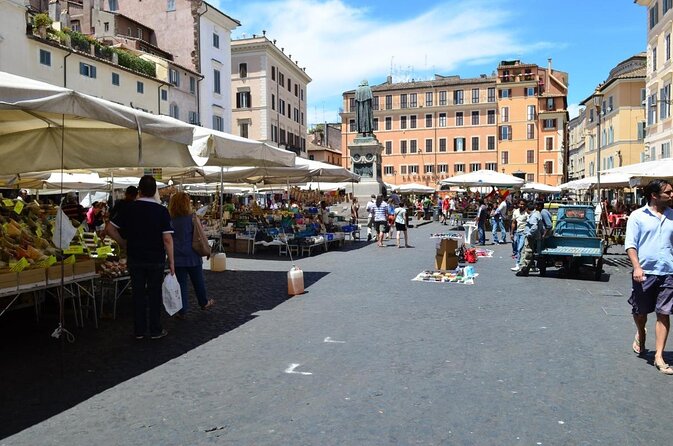
- Campo de’ Fiori ingredient shopping: you source what ends up on your plate
- Small group (max 8): more time with the chef and less standing around
- Prosecco and antipasti welcome: you start the class with food and drinks
- Four-course style menu: pasta, main, side, and dessert (varies by market finds)
- English-speaking chef: easier explanations and better technique-building
- Vegetarian option: available if you flag it at booking
Campo de’ Fiori shopping is the secret sauce
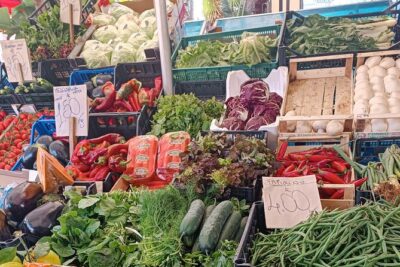
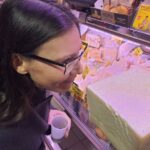
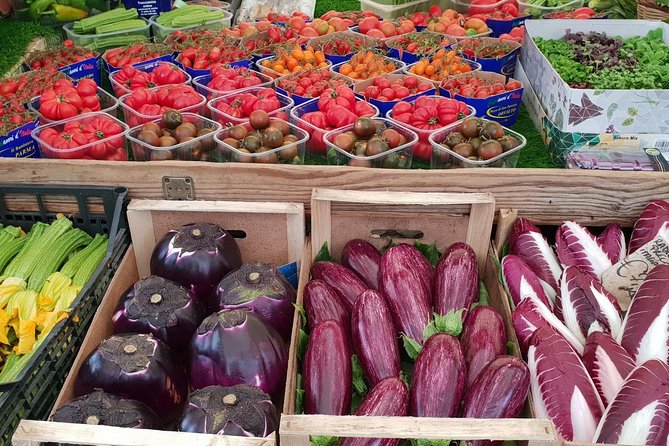
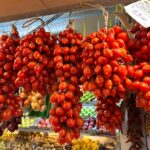
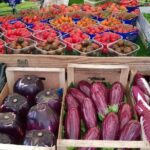
The day works because you start with the market, not the kitchen. At Campo de’ Fiori, you’re shopping for produce and proteins that actually match what Rome is putting out that morning. That changes the whole feel of the class. If you’re picky about flavors (or if you just like food that tastes like it came from somewhere), this approach is a win.
You’ll also get a quick reality check on Italian cooking. Ingredients aren’t interchangeable. A sauce tastes different when the tomatoes are sweet and in-season, and the texture of vegetables changes depending on the variety you buy. Even if you already cook at home, you’ll likely pick up a few “oh, that’s why” moments.
You can also read our reviews of more tours and experiences in Rome.
17th-century setting, then a welcome break with antipasti and prosecco
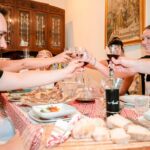
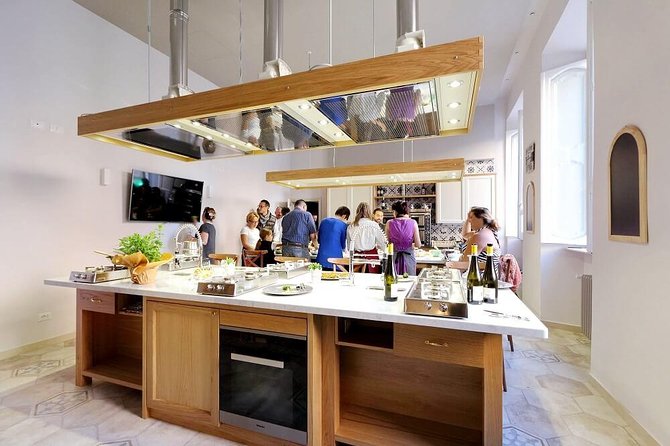
After the short walk from Piazza Campo de’ Fiori, the class shifts from street-level to an older, slower Rome rhythm. You’re greeted with an antipasti and prosecco reception, which is a nice palate-warm-up before cooking.
The most practical part here is the setup for a small group. With a maximum of 8 people, you’re more likely to get personal corrections—things like how to handle fresh pasta dough or how to balance seasoning while you work. From the experience reports you’ll see a pattern: people remember the chef’s personality and teaching style as much as the food.
Four-course meal: how the market turns into your lunch
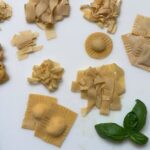
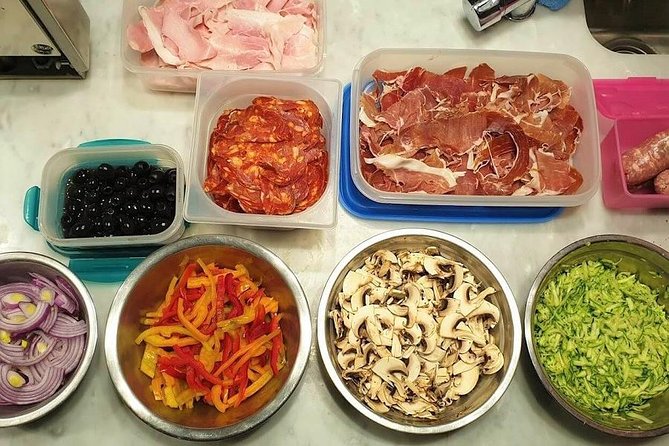
The menu isn’t fixed. It depends on what you purchase at the market, which is part of the value. You get a lesson that matches real buying conditions, not an idealized grocery list.
Here’s the structure you can expect:
- Starter (Primi piatti): fresh pasta
- Main (Secondi piatti): meat, chicken, or fish
- Side (Contorni): typically a roasted vegetable or similar accompaniment
- Dessert (Dolce): often something classic like tiramisù or panna cotta
This format is helpful for two reasons. First, it teaches a full chain of cooking skills—dough, a main protein, sides, and dessert—rather than only one technique. Second, it makes the day feel like you’re eating a meal, not just snacking between lessons.
If you’re curious about what you might make specifically, past classes have included pasta styles like fresh pasta and other Roman-inspired options, and desserts like tiramisù. Exact dishes can vary, so the best move is to treat the market as the menu selector.
Hands-on pasta and cooking skills you can repeat at home
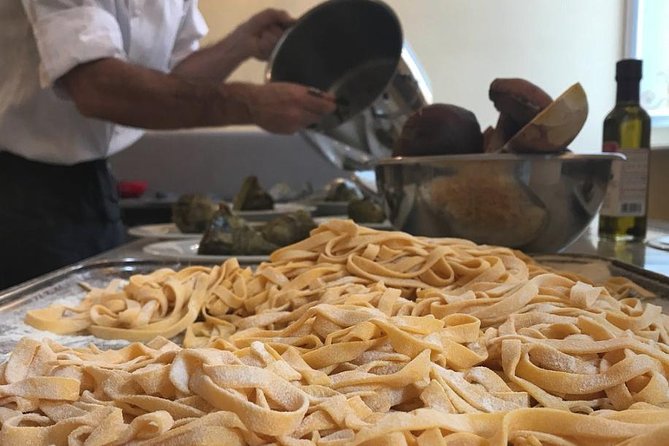
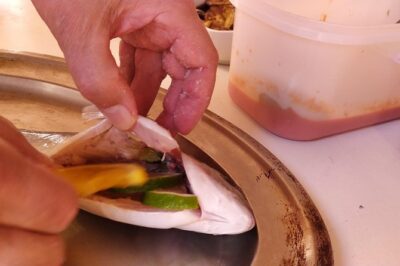
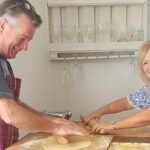
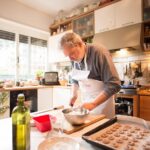
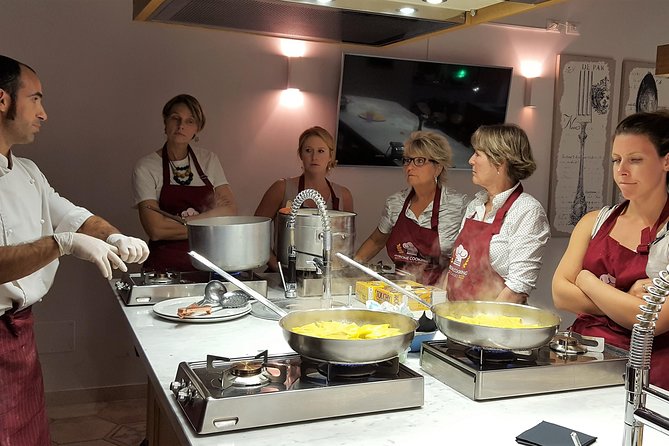
The class is built around doing, not watching. You’ll be actively preparing multiple dishes in a kitchen geared for group cooking. And pasta is the obvious highlight—especially if you’ve never made it from scratch.
In the teaching style described by different chefs, you’ll often see the same approach:
- They explain what you’re doing and why
- They keep the tone relaxed and fun
- They help you get comfortable with technique, not just results
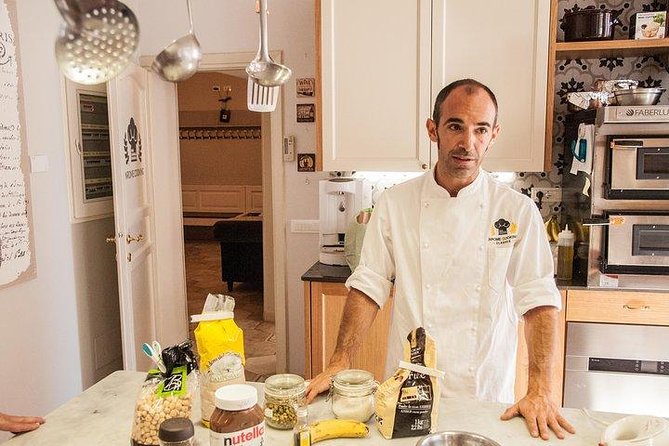
Several instructor names show up in people’s experiences, including Davide, Roberto, Marco, Filippo (often spelled Felipo), and Adri. Common thread: the chefs guide you through steps clearly, then check details while you cook. That matters if you’re a confident cook, too—one of the best compliments in the feedback is that it doesn’t feel dumbed down.
If your goal is to come home with skills, you should leave with a strong sense of process. Fresh pasta teaches timing, texture, and handling. The rest of the menu adds planning: protein plus sides plus a dessert that can actually be managed in a cooking-class timeline.
Your meal includes drinks, not just coffee and water
One reason this class feels like good value is what’s built into the price. You get:
- Antipasti and prosecco reception
- Alcoholic beverages with your lunch/dinner, typically prosecco plus wine or beer
- Soft drinks
- Coffee and/or tea
So you’re not paying extra to keep the day going. For Rome, where you can easily spend that much on food alone, the included meal becomes a key part of the equation.
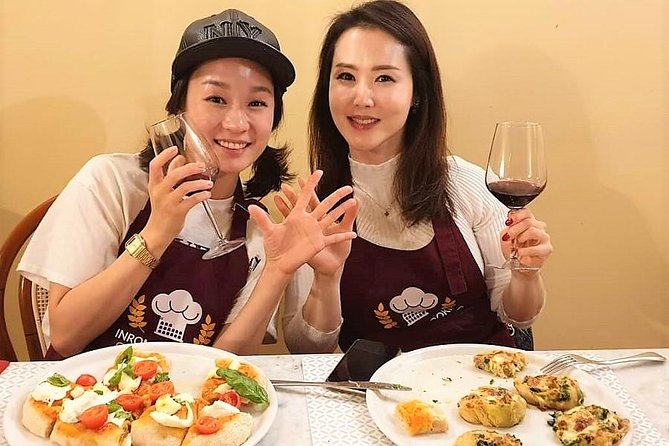
You’ll dine on what you cooked, which is satisfying in a “we made this” way. It also helps you understand your own flavor choices. If the pasta came out perfect, you know what you did right. If it needed a tweak, you’ll know what to adjust next time you make it.
Who this is best for (and who should rethink it)
This is a great fit if you want:
- A food-focused Rome experience that feels local
- A class that stays interactive with a small group
- Real practice with techniques like fresh pasta
- A fun morning that ends with a full meal
It’s also a solid pick if you’re traveling with a teen or older kid. People have described the experience as enjoyable for both adults and children, with the chef adapting to the group’s needs.
Who might hesitate?
- If you hate schedules, the 9:00 am start can feel early.
- If you don’t want alcohol, you’ll still be fine—soft drinks and coffee/tea are included—but you may not get as much of the “prosecco moment.”
- If you’re very specific about ingredients, remember the menu depends on what’s available at the market. You can plan with dietary info ahead of time, but it won’t be a fully customized menu for everyone.
Price and value: what $216.04 is really buying
At $216.04 per person, this isn’t a bargain-basement cooking class. It’s priced more like a premium food experience. But here’s where the value comes from:
You’re paying for a multi-part experience:
- Market sourcing at Campo de’ Fiori
- An English-speaking chef guiding you through multiple dishes
- A real, finished meal that includes starter, main, side, and dessert
- Drinks that go beyond water (prosecco plus wine/beer)
- A kitchen setup that supports a max 8 group
If you were to recreate this yourself, you’d likely spend money on ingredients, access to a proper cooking setup, and (if you want it done well) a knowledgeable guide. The class bundles all of that in one morning, plus you get the shopping context that most cooking lessons skip.
Also, the duration—about 4 hours 30 minutes—is long enough to feel substantial. It’s not a rushed sampler.
Timing and getting there: the part you should plan for
You start at 9:00 am at Piazza Campo de’ Fiori, 55–52, 00186 Roma RM, Italy. You end back at the meeting point.
Since there’s no hotel pickup, you’ll want to build buffer time into your morning. Campo de’ Fiori is an area where streets can feel busy, and you don’t want to arrive flustered—this is a class where you’ll want to focus.
Good news: it’s near public transportation, so you’re not stuck without options.
What to bring:
- Comfortable shoes (you’ll be walking short distances)
- A mindset that you’re going to cook and eat, not just take photos
Dietary needs and the vegetarian option: tell them early
If you have allergies or dietary restrictions, you should communicate them at booking. The class notes that you’ll be able to share special dietary needs, allergies, and restrictions in advance.
It’s also good to know there is a vegetarian option available. If you’re vegetarian (or eating that way for the trip), flag it during booking so the chef can plan accordingly.
A practical suggestion: if you have a serious allergy, don’t just say “allergic.” Be clear about what you cannot eat. Since the menu depends partly on what’s purchased at the market, the more specific you are, the easier it is for the team to keep you safe.
If the market doesn’t cooperate, the team still has a plan
Rome market schedules can be… character-forming. In at least one shared experience, the market was unexpectedly closed and the chef improvised by adjusting where the group shopped. The key point for you is that the operation doesn’t just freeze. They pivot and keep the class moving.
So if you’re visiting in a seasonal period where schedules can shift, don’t assume the day will be derailed. The overall structure—market-style sourcing, then hands-on cooking, then eating—stays the focus.
Tips to make your cooking class day even better
Small prep ideas can make a big difference:
- Show up on time so you can start cooking without stress
- Tell the chef what you want to learn (pasta skills, sauce style, dessert technique, whatever you care about)
- Eat slowly during the meal so you taste what you made
- If you want recipe notes, ask—some participants have noted recipe sharing after the class
Also, use the market walk as part of your education. Ask questions about what’s seasonal and why certain ingredients are chosen. That’s where the class becomes more than just a fun lunch. You start understanding how Romans think about food.
Should you book this Roman full-course farmers market class?
I think you should book it if you want a Rome day built around real flavor and real technique, with a chef who teaches and a format that leads you from market to finished meal. The biggest strengths are the small group size, the hands-on cooking, and the fact that the meal is fully included with prosecco and other drinks.
You might skip it if you can’t handle a 9:00 am start, you need hotel pickup, or you’re so inflexible about ingredients that a market-driven menu would frustrate you. Even then, if your dietary needs are straightforward and you plan ahead, it may still work well.
Bottom line: this is one of those experiences that turns into a “we actually learned something” memory. And in a city full of great meals, that’s a rare kind of value.