REVIEW · ROME
Cesarine: Market Tour & Cooking Class at Local’s Home in Rome
Book on Viator →Operated by Cesarine: Cooking Class · Bookable on Viator
Pasta taught at a Roman home. This Cesarine experience pairs a food-market walk with a hands-on cooking class in a real household, not a studio. I love the way you’re welcomed into a home kitchen like you’re joining someone’s dinner plans for the day.
I also love that the shopping and cooking feed right into a three-course sit-down meal, with wine and coffee at the end. One consideration: at $225.18 per person for about 4.5 hours, it’s a splurge, so it’s best if you want the private format and genuinely enjoy cooking enough to make it worth the cost.
In This Review
- Key things that make this Cesarine Rome class special
- A Rome market tour first: how the shopping shapes your meal
- The cooking class in a local home: private, warm, and hands-on
- What you’ll cook in Rome: pasta shapes, carbonara lessons, and Roman dessert
- Fresh pasta, multiple shapes
- Roman cooking skills: carbonara and sauce work
- Dessert: tiramisu or ricotta and cherry tart (and other Roman options)
- The three-course meal with wine and coffee: what the finish feels like
- Price and timing: is $225.18 per person good value?
- Meeting point, language, and how to plan your Rome day
- Who this Cesarine cooking class is best for
- Should you book this Cesarine market tour and cooking class in Rome?
- FAQ
- How long is the Cesarine market tour and cooking class?
- What time does the experience start?
- Is this tour private?
- What language is the cooking class offered in?
- What’s included in the experience?
- What dishes are included in the sample menu?
- Can I cancel for free?
Key things that make this Cesarine Rome class special
- Market shopping with your host: you choose ingredients with a local guide’s help, then turn those picks into lunch.
- Private class in a local home: no crowds, just your group at the family table and cooking stations.
- Roman favorites, hands-on: from fresh pasta shaping to Roman classics like carbonara and tiramisu-style desserts.
- A meal you actually earn: antipasti plus a three-course lunch/dinner with wine and coffee.
- You get taught, not just shown: hosts like Maria/Giorgio, Laura, Valeria, and Ofelia are described as patient and engaging.
- A true taste of everyday Rome: it feels less like sightseeing and more like a day in someone’s routine.
A Rome market tour first: how the shopping shapes your meal
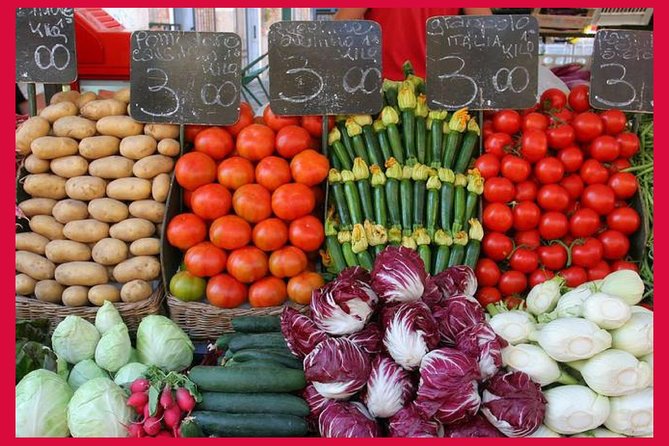
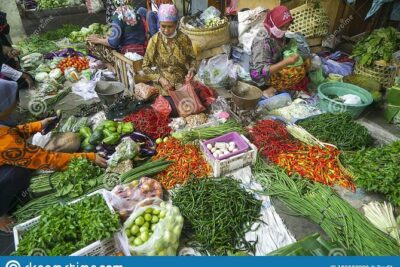
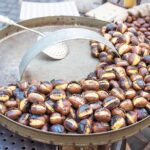
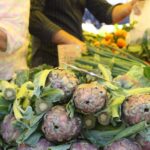
Your day starts with a trip to the local market and traditional food shops, guided by your Cesarina host. The point is simple: you’re not just looking around. You’re picking ingredients that will show up later in your kitchen work.
This is one of the most practical parts of the experience. When you buy the foods yourself, you learn what matters to Roman cooking in a way that won’t fade after you leave the market. It also makes the whole class feel grounded in real habits—how people select, talk about, and use ingredients day to day.
I like that the experience stays focused on food rather than turning into a long lecture. With hosts such as Maria and Giorgio (and family friends like Isabella, in at least one class), the market walk becomes part history, part grocery strategy, and part taste test. You might also sample specific foods along the way—one class includes tasting pork before cooking—so you go into the kitchen with a clearer sense of what you’re making.
You can also read our reviews of more tours and experiences in Rome.
The cooking class in a local home: private, warm, and hands-on
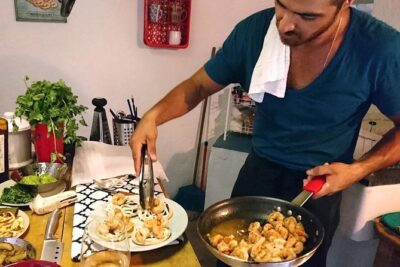
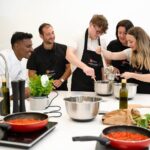
Back at the home, the shift is immediate. Instead of moving through rooms like a typical tour, you move into a real kitchen setup—aprons, cooking stations, and a table where you’ll eventually eat together.
The private home setting is the big advantage here. You get room to ask questions and slow down when a technique takes a second try. In multiple experiences, hosts are described as welcoming and patient, which matters because pasta and sauces demand small, physical actions that don’t always click on the first go.
I also appreciate the social rhythm of the day. You’re not shoved into a stiff “teacher to student” mode. In classes hosted by Laura and Valeria, for example, there’s room for conversation while you cook, and the hosts share guidance in a way that keeps things relaxed. In one birthday celebration with Ofelia, the group starts cooking after the market and quickly feels like part of the household—music, wine, laughter, and a steady pace of instruction.
One possible drawback to keep in mind: since this is in someone’s home, the schedule and setup can feel less formal than a big commercial cooking school. If you prefer very standardized formats, you might find the home setting a bit more personal—and therefore a little less predictable.
What you’ll cook in Rome: pasta shapes, carbonara lessons, and Roman dessert
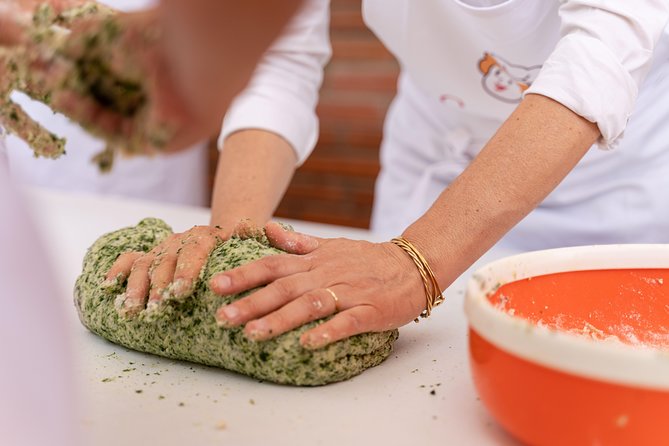
The cooking part centers on Roman-style food you can actually reproduce later. Based on the sample menu and the way different hosts teach, you’re looking at fresh pasta plus Roman dessert options, with additional classic techniques depending on your host.
Fresh pasta, multiple shapes
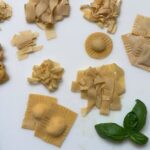
For the main course, the sample menu includes fresh pasta with options like rigatoni, bucatini, or gnocchi. That’s useful because you get to see that Roman pasta isn’t one-size-fits-all. Even when the base method is similar, the shape changes how the dish feels and how sauce clings.
In at least one class, Maria and Giorgio taught making guitar pasta. Another class with Valeria focused on pasta and sauces. So what you cook may vary by host and ingredients, but you can count on hands-on participation rather than just watching.
Roman cooking skills: carbonara and sauce work
Some classes specifically include carbonara instruction. Laura’s class, for instance, teaches carbonara and tiramisu. That’s a big plus if you’re the type of traveler who wants one or two techniques you can take home and show off.
Even if you don’t cook carbonara in your exact session, the overall skill set is Roman in the way it emphasizes simple ingredients working together into a finished sauce. You’ll likely learn how to handle the steps with a live instructor standing nearby, which is the difference between a good meal and a meal you understand.
Dessert: tiramisu or ricotta and cherry tart (and other Roman options)
Dessert is a featured part of the day. The sample dessert options include Roman tiramisu or a ricotta and cherry tart, plus other typical Roman dessert choices like chocolate shortbread or similar desserts.
In the cooking process, at least one class includes making tiramisu after cooking pasta and antipasti. Another includes a Roman-dessert focus with home-baked preparation. In plain terms: don’t treat dessert as an afterthought here. It’s part of what you go to the market for.
The three-course meal with wine and coffee: what the finish feels like
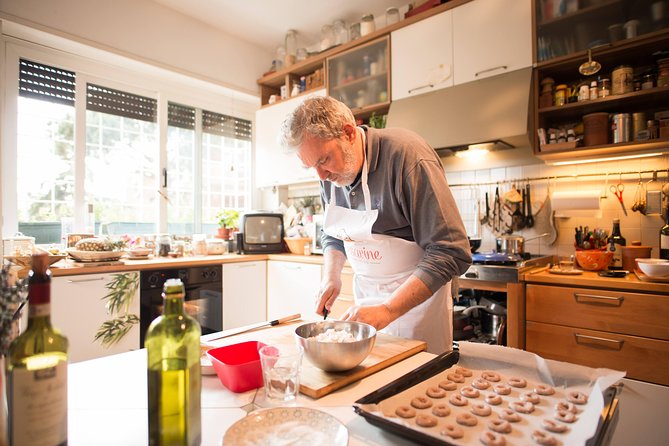
After the cooking, the day ends with a full three-course meal. That matters because it closes the loop: you don’t cook and then rush off to find your next stop. You eat what you made in the same space where you cooked it.
The structure is straightforward:
- Starter: a seasonal starter
- Main: fresh pasta (rigatoni/bucatini/gnocchi options)
- Dessert: Roman dessert (like tiramisu or ricotta and cherry tart, depending on the class)
You’ll also have wine alongside the meal, plus coffee at the end. In one class, hosts served antipasti while guests cooked, so the meal may feel like it unfolds in stages rather than one straight sequence.
I like the pacing here. Cooking takes time, and sitting down together afterward makes the work feel rewarded. It also creates a different kind of Rome memory than sightseeing photos. You leave with a plate-in-front-of-you experience, not just a route.
Price and timing: is $225.18 per person good value?
This experience costs $225.18 per person and runs about 4 hours 30 minutes. That’s not cheap, especially compared with a casual trattoria meal.
So is it worth it? For me, the value comes from three combined factors:
- You’re paying for a private setup in a local home, not a generic class with strangers. The private format is a real quality-of-life upgrade.
- Your meal is included, including wine and coffee. A market-to-table meal with instruction costs more than cooking at home—but it also means you’re not adding extra dining expenses afterward.
- You’re learning techniques, not only eating. When the instruction covers fresh pasta work and Roman classics like carbonara, you’re taking home skills you can repeat.
You should consider it a “food experience” purchase more than a “Rome sightseeing” purchase. If your priority is saving money or stacking landmarks, this might feel like too much. If your priority is a hands-on day that tastes like the real city, it’s easier to justify.
Meeting point, language, and how to plan your Rome day
The class starts at 10:00 am and ends back at the meeting point. It’s offered in English, and you get a mobile ticket. The meeting point is listed in the Province of Rome, and the location is said to be near public transportation, which is good news if you’re not trying to drive around Rome.
Practical planning tip: treat this as a morning-to-early-afternoon block. With a cooking class that includes a meal and wine, you’ll probably want lighter plans for later in the day. It’s the kind of activity where you’ll eat well and then spend the next hours walking off the pasta.
Because it’s a private tour/activity, only your group participates. That’s great for couples or small groups who want a quieter, more personal experience.
Who this Cesarine cooking class is best for
This is ideal if you:
- Want a hands-on Rome experience (not just food tasting)
- Prefer a private setting with instruction you can ask questions about
- Enjoy Roman dishes enough that you’ll care how they’re made, not only how they taste
It’s also a strong choice for special occasions. One class included a birthday celebration in a beautiful apartment with Ofelia, showing that the experience can feel celebratory as well as educational.
If you’re a hardcore history buff who wants to cram in major monuments on a tight schedule, this might be a less efficient use of time. But if you want a Rome day with food at the center, it’s exactly that.
Should you book this Cesarine market tour and cooking class in Rome?
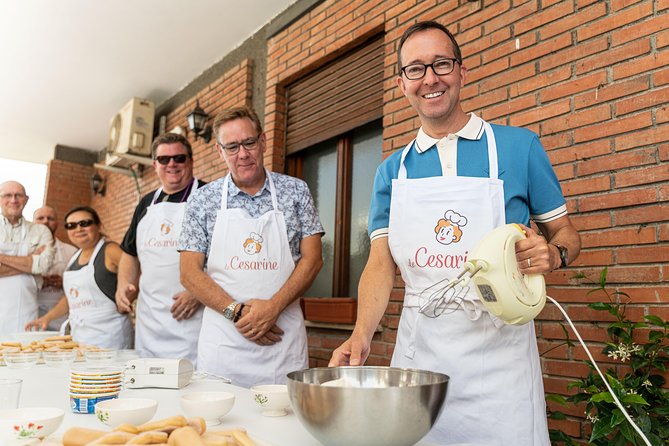
I’d book it if you want a Rome experience that actually teaches you something and ends with a sit-down meal you made yourself. The private home format, the market shopping, and the fact that you leave with Roman cooking skills (including instruction connected to fresh pasta and classics like carbonara and tiramisu) make it feel like more than a class.
Skip it if you’re chasing value in the strictest sense and want the cheapest way to eat. This is a priced experience with real hosting time and a full meal attached, so it’s best when you’re ready to pay for quality and personalization.
If you’re the type of traveler who thinks: I want to do one thing in Rome that’s not just a photo—this is a very solid pick.
FAQ
How long is the Cesarine market tour and cooking class?
It lasts about 4 hours 30 minutes.
What time does the experience start?
The start time is 10:00 am.
Is this tour private?
Yes. It is a private tour/activity, so only your group participates.
What language is the cooking class offered in?
It is offered in English.
What’s included in the experience?
You get a market visit, a private cooking class in a local home, and then a three-course meal with wine and coffee.
What dishes are included in the sample menu?
The starter is described as a seasonal starter. The main is fresh pasta, with options such as rigatoni, bucatini, or gnocchi. Dessert is a Roman dessert, with options such as ricotta and cherry tart or Roman tiramisu (and similar typical desserts).
Can I cancel for free?
Yes. You can cancel up to 24 hours in advance for a full refund, and cancellation is free under that condition.
If you want, tell me your travel dates and whether you’re a couple or a group—I can suggest the best way to fit a 10:00 am start into a Rome food-and-walking day.