REVIEW · VALPARAISO
Valparaiso: Chilean Cooking Class with Fresh Market visit
Book on GetYourGuide →Operated by BERCOVICH TRAVELS · Bookable on GetYourGuide
A market visit first, then you cook. That is the winning formula here. I love how the class starts with real ingredients and ends with you sitting down to taste what you made, and I also like the broad dish menu you can tailor to your preferences. One thing to consider: it is not suitable for vegans, vegetarians, or people with food allergies.
This 5-hour Chilean cooking experience in the Valparaíso Region is led by a bilingual chef, and it is built around practical, step-by-step cooking. You’ll go from chopping and mixing to kneading dough and building your meal choices, with a glass of wine and/or a Pisco Sour at the end. If you want a hands-on class with guidance, not a passive food tour, you’ll probably enjoy the pace.
The vibe is friendly and active. In one real example, the host (Andy) met people at the market entrance, involved kids in real tasks, and helped everyone take their time—then the group cooked and ate together on the deck afterward.
In This Review
- Key things you’ll remember from this Valparaíso cooking class
- Why the market visit in Valparaíso matters (and not just for photos)
- The first step: pebre prep and working like a home cook
- Oven empanadas: classic fillings, real dough, and smart alternatives
- Choosing FIVE Chilean dishes: how the menu works for your taste
- Seafood and fresh prep: ceviche and Cancato explained in real terms
- Dessert and drinks: how the class finishes your meal on purpose
- What you’ll actually get included (and what that means for the price)
- Who should book this cooking class in Valparaíso
- Practical notes that help you plan your day
- Should you book Chile & Tradition in Valparaíso?
- FAQ
- How long is the Chilean cooking class with the market visit?
- What dishes do you cook during the class?
- Are wine or Pisco Sour included?
- Is this class suitable for vegans or vegetarians?
- What language will the chef or host speak?
- Is it okay to bring your own food?
- How far in advance do I need to book?
Key things you’ll remember from this Valparaíso cooking class
- Market ingredients that shape the whole meal: you shop and bring back what you’ll cook
- You make Chilean pebre and oven empanadas: a classic start you can taste immediately
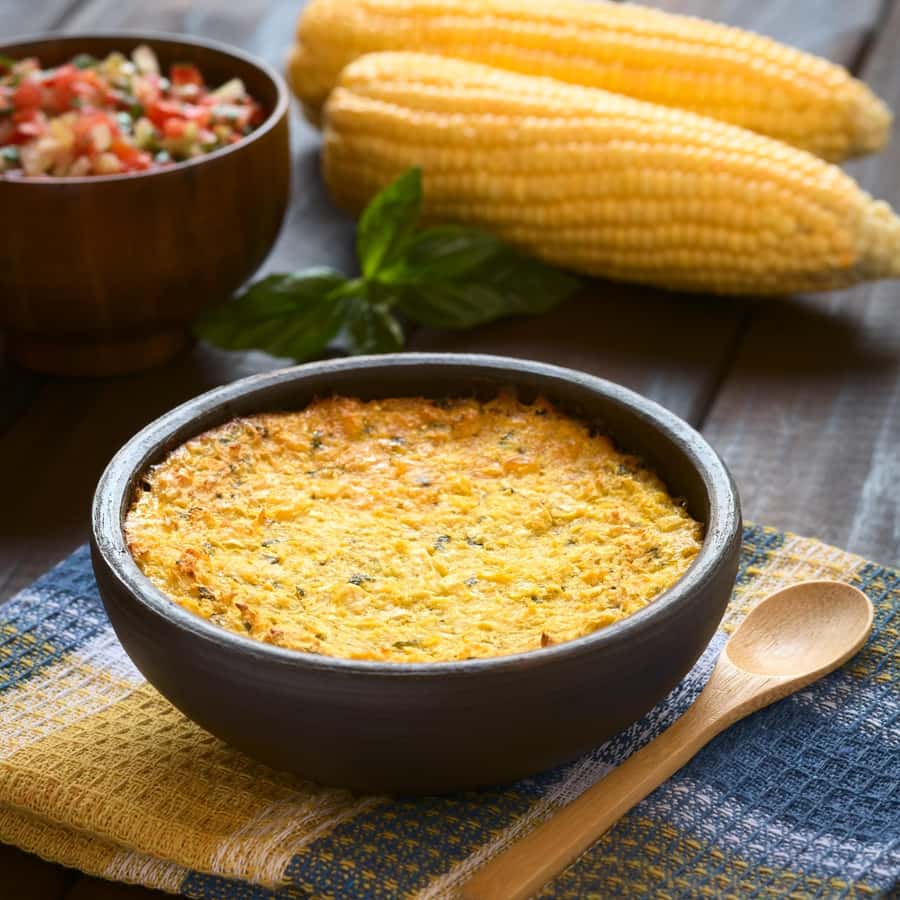
- Pick up to FIVE main Chilean dishes: Charquicán, Cazuela, Pastel de Choclo (seasonal), Cancato, or Ceviche
- Fish can be part of the shopping: fresh market sourcing shows up in the plan
- Wine and/or Pisco Sour with your meal: your work gets paired with a drink
- Food preferences have real limits: it is not designed for vegan/vegetarian or allergy needs
Why the market visit in Valparaíso matters (and not just for photos)
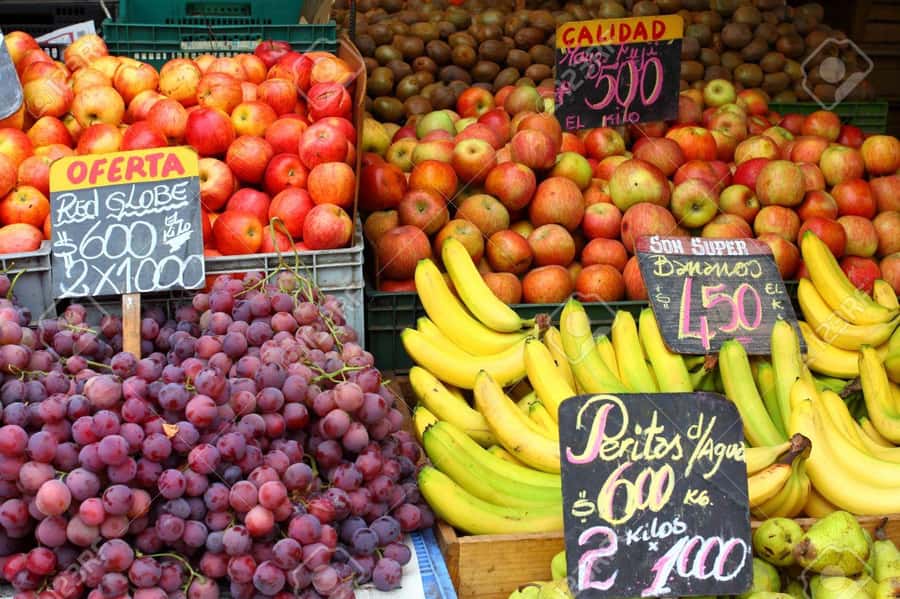
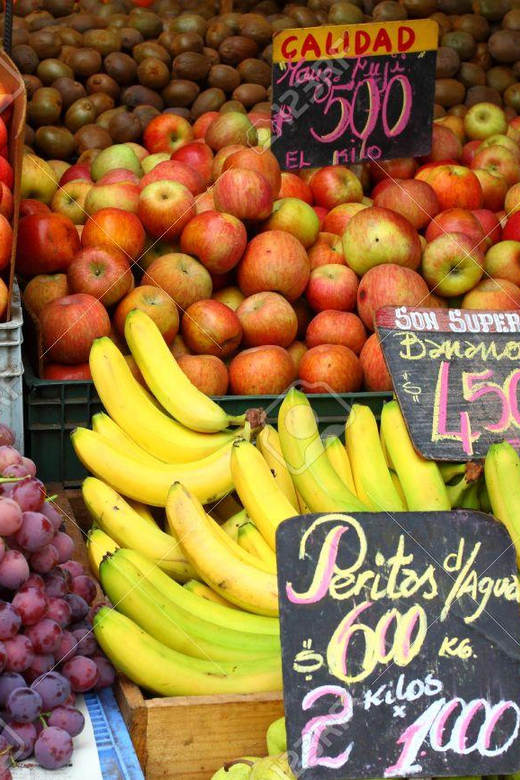
The best part of this class is that it treats the market as the start of cooking, not a stop along the way. In the first half hour, you work with fresh vegetables like tomato, onion, and cilantro (or ciboulette/chives), and that sets the tone for the whole menu.
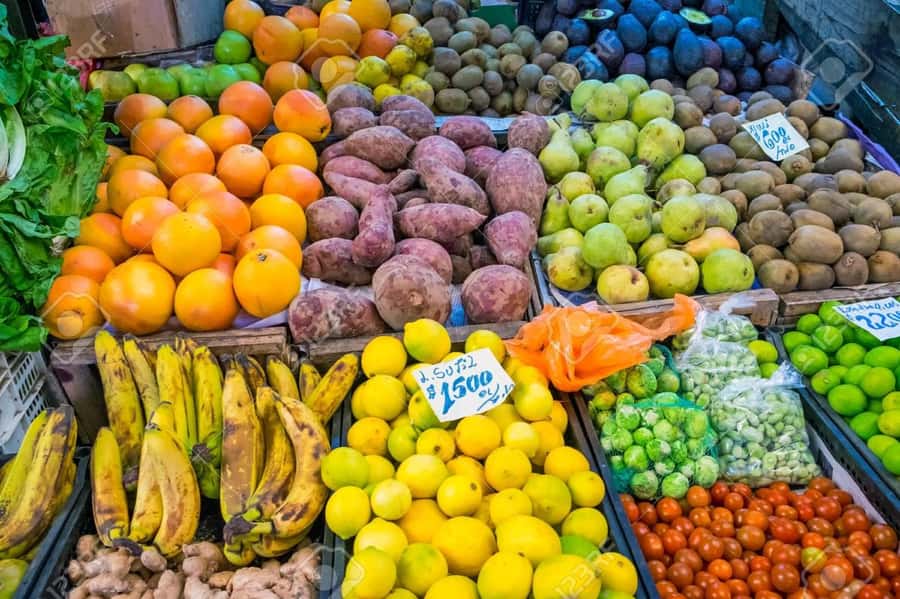
In practice, that means you learn what ingredients Chileans build flavor on. Pebre is the perfect example: it’s simple, but it’s all about balance—freshness, acidity, and the bite of herbs. When you shop, you get a feel for what ripe and flavorful looks like, and that makes your pebre taste like it belongs in Chile, not like a version you guess from memory later.
Also, the market visit isn’t just looking—it’s choosing. People have been met right at the market entrance by the host (Andy) and then guided through purchasing the ingredients needed for the day’s dishes. That kind of hands-on selection makes you feel like you’re cooking with intention, not just collecting items.
Possible drawback: if you’re hoping for a fully flexible meal with vegan or vegetarian swaps, this tour is not set up for that. The plan is built around typical Chilean dishes that often include meat and seafood.
The first step: pebre prep and working like a home cook
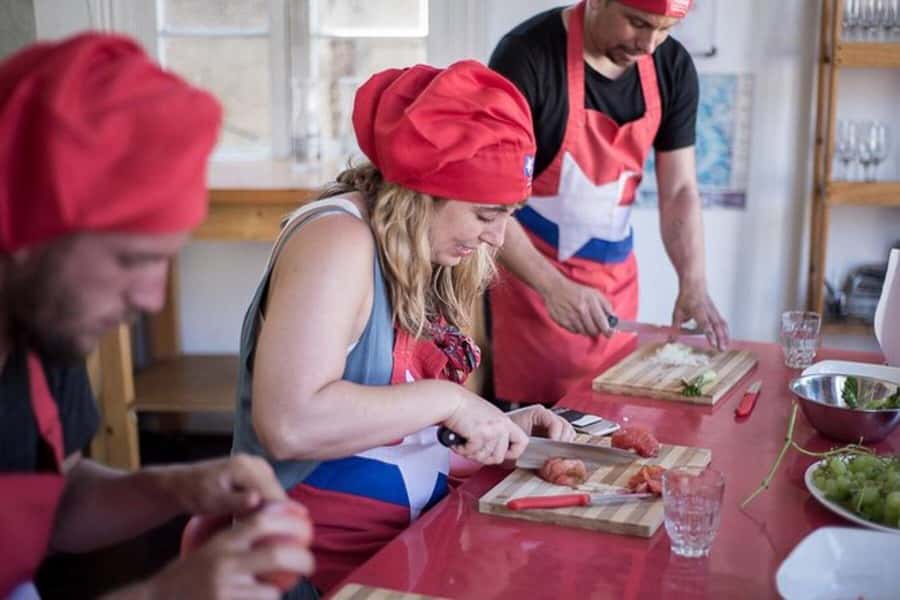
Right after you’re through the market portion, the class shifts into prep mode. You’ll make Chilean pebre using the fresh items you just handled—tomato, onion, and cilantro (or chives, depending on what’s available and what your class is making).
This isn’t a lecture. You’re working with ingredients, cutting and mixing, and learning by doing. I like that this early stage gives you confidence fast: pebre is one of those dishes that rewards attention to texture and taste, and you’ll see how small tweaks change the final flavor.
Then you move on to oven empanadas. The class has you kneading dough and putting it together, which is more skill-building than it sounds on paper. Dough is technical enough that it’s hard to get right from watching videos, but easier to learn with a chef guiding your hands.
Oven empanadas: classic fillings, real dough, and smart alternatives
Empanadas are the cultural glue in Chilean comfort food. Here, the classic fillings are always Pino (meat) or cheese, and you make them in the oven as part of the main cooking flow.
Two details make this more than a gimmick. First, you’re not only assembling—you’re kneading and shaping. Second, the class gives you an alternative if you can’t eat empanadas: you can choose a stuffed avocado or a similar veggie-based appetizer.
That alternative matters because it shows the class is thinking about practical restrictions, even though it is still not suitable for vegans/vegetarians or allergy needs. It is more of a contingency option than a fully dietary-replacement system.
What to expect: the pace is active. Your hands will be busy, and you’ll go in and out of stations as the kitchen schedule moves. If you like learning by making, this is where you’ll feel it most.
Choosing FIVE Chilean dishes: how the menu works for your taste
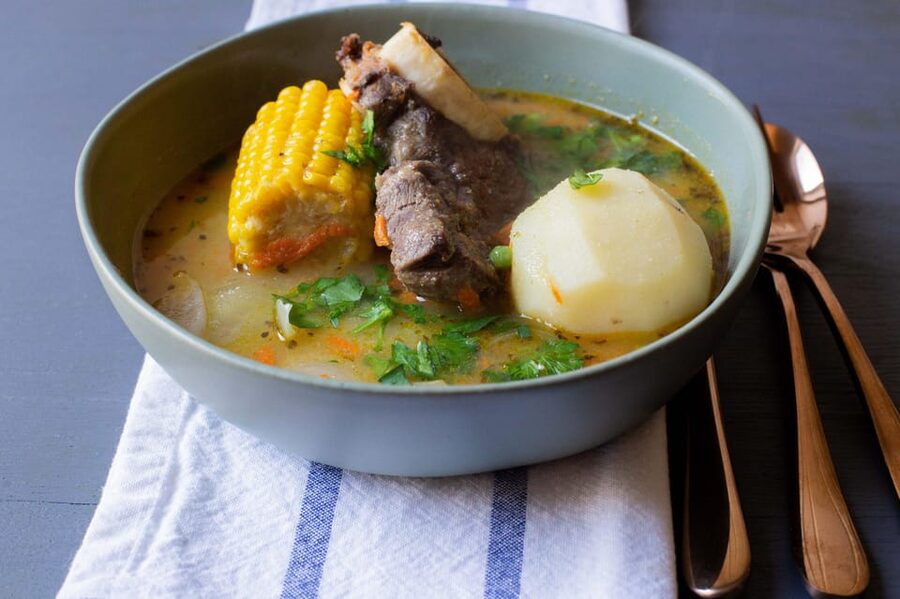
The class doesn’t force one rigid menu. Instead, after pebre and empanadas, you choose a set of five typical Chilean dishes from the options.
Here’s the menu style you can expect, based on what the class offers:
- Charquicán (with or without meat)
- Cazuela (chicken or meat)
- Pastel de Choclo (corn pie when in season)
- Cancato (butterfish or salmon)
- Ceviche
The value in this setup is control. You’re still learning a Chilean cooking foundation, but you’re not stuck with flavors you don’t like. If you like hearty stews, Cazuela and Charquicán make sense. If you prefer brighter flavors and seafood, ceviche and Cancato options can steer your choices.
One more reason this works: it exposes you to different cooking techniques. You’ll likely experience a mix of stewing, baking, and fresh prep styles, instead of doing the same thing five times. That variety is what turns a cooking class into a real skill-building experience.
Seafood and fresh prep: ceviche and Cancato explained in real terms
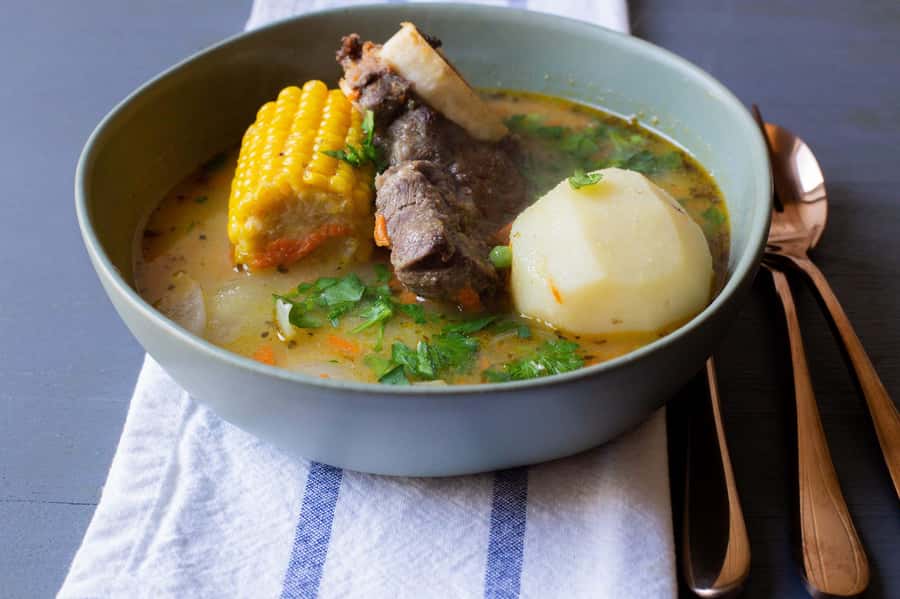
Two of the dish options lean heavily on freshness: ceviche and Cancato. Ceviche is all about timing and balance, because your result depends on how the fish is handled and how flavors come together in the acid environment.
Cancato is another seafood choice, offered with butterfish or salmon. Even if you’ve had fish dishes before, this is the kind of local Chilean menu item that helps you understand how regional cooks adapt ingredient availability.
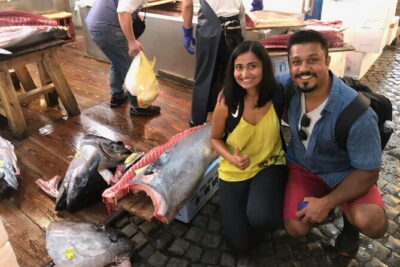
If seafood is one of your priorities, this class is a strong fit. And because the experience includes a market shopping segment, you’re not just cooking seafood from a random freezer bag. In at least one instance, the market run included purchasing freshly caught and fillet fish, which gives the lesson more authenticity.
Dessert and drinks: how the class finishes your meal on purpose
A detail I appreciate: dessert is included, so you don’t end up with a class that feels like a half-meal. You’ll finish by serving everything together with wine and/or a Pisco Sour.
That pairing is more than a celebration. It helps you connect flavor intensity with Chilean drinking culture. If you make pebre, empanadas, and then finish with Pisco Sour, the whole sequence feels like a planned experience rather than a collection of recipes.
And because you’re cooking in a real kitchen setting with utensils, aprons, and implements provided, you’re not worrying about the logistics of doing it “right.” You can focus on taste, technique, and timing.
What you’ll actually get included (and what that means for the price)
At $190 per person for a 5-hour class, you’re paying for more than chef instruction. You’re paying for:
- a bilingual chef
- aprons and kitchen utensils
- beverages (wine and/or Pisco Sour)
- market products used for cooking
- cooking implements
When I compare this to the alternative—buying ingredients, then taking a class somewhere else, or paying for a private guide—the bundled shopping + cooking + eating format is where the value lives.
You’re also not doing this with a vague recipe booklet. The chef works alongside you, and the market portion ensures the ingredients match what you’ll cook that day. That reduces the common “I paid to learn, but I still can’t recreate it” feeling that some cooking experiences create.
Still, be realistic. This is not “drop in and pick any dish.” You choose from a defined menu, and the experience has real dietary limits.
Who should book this cooking class in Valparaíso
This is a great fit if you want:
- a hands-on Chilean food lesson, not a lecture
- market-based ingredient sourcing before you cook
- an end-to-end meal experience with wine and/or Pisco Sour
- flexibility to choose five dishes from the Chilean menu
It’s also a good option for families, because the chef and host approach the kitchen in a way that can include kids in meaningful tasks. One example highlighted kids doing most of the work while the host helped guide the process.
If you’re vegan or vegetarian, or you have food allergies, I’d skip this one. The plan isn’t built for those needs.
Practical notes that help you plan your day
The class lasts 5 hours, so it’s long enough to feel like a real activity, but short enough to still keep your Valparaíso plans moving afterward. Expect an English/Spanish host or greeter experience.
Also, note that you are not supposed to bring food. The meal and ingredients are part of the program, including beverages and market products.
One logistics detail worth planning around: after cooking, groups have needed an Uber to get from the kitchen back to where they’re going next. Your day might feel smoother if you keep transport options ready.
Should you book Chile & Tradition in Valparaíso?
Yes—if you want a structured, hands-on Chilean cooking class that starts with a fresh market and ends with a full meal you made. This is one of those experiences where learning comes from action: chopping for pebre, kneading empanada dough, and choosing five classic dishes to match your tastes.
If you need vegan/vegetarian options, or you have allergies, don’t force it. With restrictions like these, you’ll likely spend more energy managing limitations than enjoying the cooking.
If you’re the type of traveler who likes to leave with practical skills—what to buy, how to prep, how the flavors connect—this is a smart use of your time in the Valparaíso Region.
FAQ
How long is the Chilean cooking class with the market visit?
It lasts 5 hours.
What dishes do you cook during the class?
You first make Chilean pebre and oven empanadas, then you choose five typical Chilean dishes from options like Charquicán, Cazuela, Pastel de Choclo (when in season), Cancato, or Ceviche. Dessert is also included.
Are wine or Pisco Sour included?
Yes. The meal is served with wine and/or Pisco Sour.
Is this class suitable for vegans or vegetarians?
No. It is not suitable for vegans or vegetarians.
What language will the chef or host speak?
The chef/host greeter experience is offered in English and Spanish, with a bilingual chef.
Is it okay to bring your own food?
No. Food is not allowed.
How far in advance do I need to book?
You need a minimum of 7 days’ notice to book the tour due to availability.