REVIEW · YOGYAKARTA
Yogyakarta: Cooking Class with Market Visit and Hotel Pickup
Book on GetYourGuide →Operated by Cheap Borobudur Tours · Bookable on GetYourGuide
Cooking in Yogyakarta starts at the market. This half-day setup strings together market ingredient shopping, a rice-plantation stop, and a chef-led cooking class in a traditional village. You get a hands-on way to learn Javanese flavors without it turning into a rushed food-and-photos treadmill.
I especially like the convenience of hotel pickup and drop-off, which keeps your time in Yogyakarta focused on the experience. My other favorite part is the village-style cooking setup, where you make a full meal (not just one dish) with guidance in English. One consideration: the afternoon option is shorter and does not include the market tour, so if fresh-market browsing matters to you, book the morning.
In This Review
- Key Takeaways
- Start With Hotel Pickup and a Market-First Game Plan
- The Morning Market Visit: Picking Ingredients Like a Local
- Rice Plantation Stop: Understanding Java’s Staple Crop
- Bantul and Laplapan: A Traditional Village Welcome Before You Cook
- Inside the Cooking Class: 1 Starter, 4 Mains, and Dessert
- Who Are the Guides and Chefs, and How That Impacts Your Class?
- Price and Value: Why $33 Can Work Well Here
- What to Bring (and What to Expect in the Kitchen)
- Accessibility and Comfort Factors
- Who This Tour Fits Best (and Who Might Skip It)
- Should You Book This Yogyakarta Cooking Class?
- FAQ
- How long is the cooking class experience in Yogyakarta?
- Is hotel pickup and drop-off included?
- Does the tour include a market visit?
- Can I choose vegetarian options?
- What language will the instructor use?
- Is the experience wheelchair accessible?
- What does the price include?
- Are recipes provided?
- What is the cancellation policy?
Key Takeaways
- Hotel pickup makes it easy: you’re collected from your Yogyakarta hotel and returned there afterward.
- Market visit is the real start: you pick ingredients from the fresh food market before you cook.
- Rice plantation teaches the staple crop: you’ll learn how rice is cultivated and prepared.
- A warm village welcome: you visit traditional Bantul and Laplapan villages where locals greet you on arrival.
- You cook a full menu: 1 starter, 4 main courses, and 1 dessert, then you eat what you make.
Start With Hotel Pickup and a Market-First Game Plan
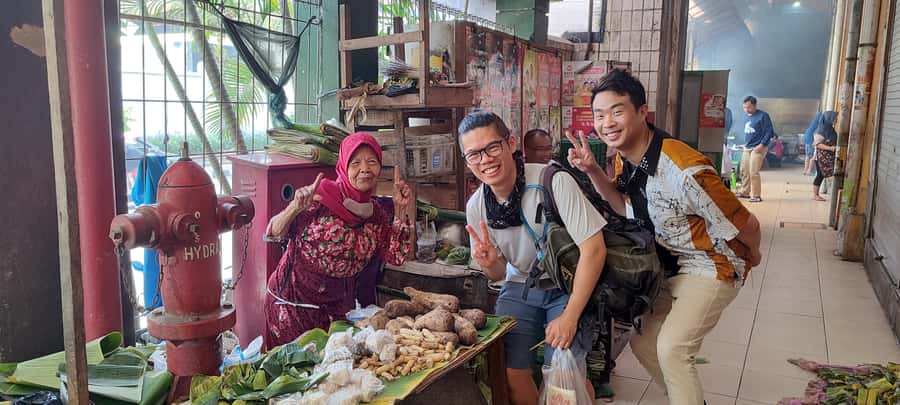
The day begins with an approach that feels practical, not complicated. If you choose pickup, your guide comes about 15 minutes before the activity start time from your hotel lobby. That small detail matters in Yogyakarta, where hopping between sites can eat up your morning if you’re coordinating transport on your own.
The tour is designed around a simple idea: you learn Javanese cooking best when you see the ingredients first. You start in a traditional village area, then you shift to real ingredient selection at a local fresh food market, and then you move into the kitchen experience. I like that the flow makes sense. It’s not just cooking for show; it’s cooking with context.
If you’re wondering about timing, plan for 3–4 hours total. The morning class includes the market tour, while the afternoon option is shorter because it skips that market stop. So you’ll want to decide what you value most: the shopping and browsing, or a slightly lighter schedule.
You can also read our reviews of more tours and experiences in Yogyakarta.
The Morning Market Visit: Picking Ingredients Like a Local
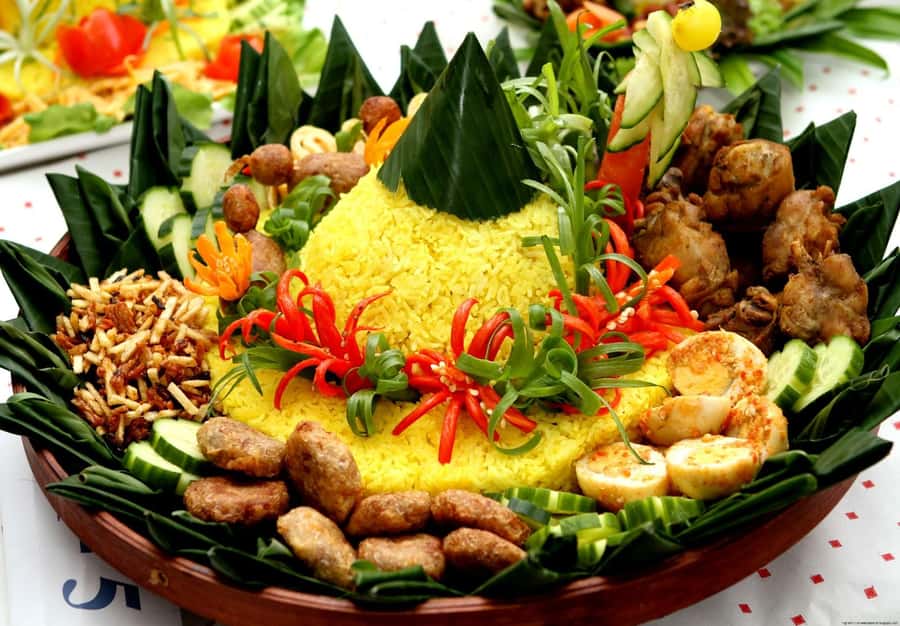
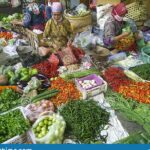
The local fresh food market visit is about 30 minutes. It’s short, but it’s exactly the kind of time window that helps you focus. You’re not standing around for an hour wondering what’s going on—you’re choosing ingredients for the dishes you’ll cook later.
On the market tables, you can expect to see options like vegetables, herbs, meat, and spices displayed for selection. That part is more than just shopping. It trains your eye. When you can point to the ingredient and understand it’s fresh and seasonal, cooking instructions start to click.
A handy plus: you get to make ingredient choices in advance, rather than getting handed a pre-set box and hoping for the best. And from what’s been shared by English-speaking guides and chefs, the market side often includes explanations of products and how they show up in Indonesian cooking—so it’s not just buying, it’s learning with your feet on the ground.
If you’re the type who likes to understand what goes into your food, this stop will feel like the best kickoff. If you just want to get cooking fast, the afternoon route might still work—just know you’ll lose the market browsing.
Rice Plantation Stop: Understanding Java’s Staple Crop
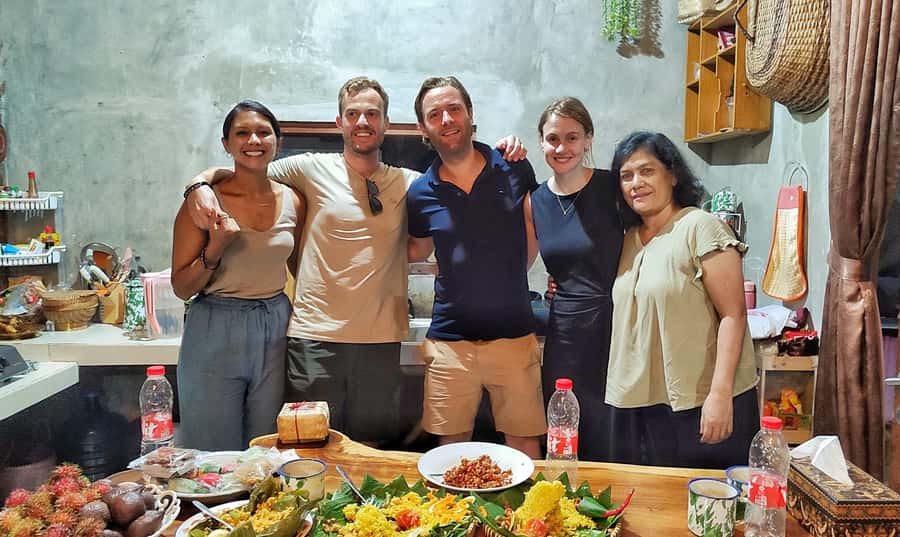
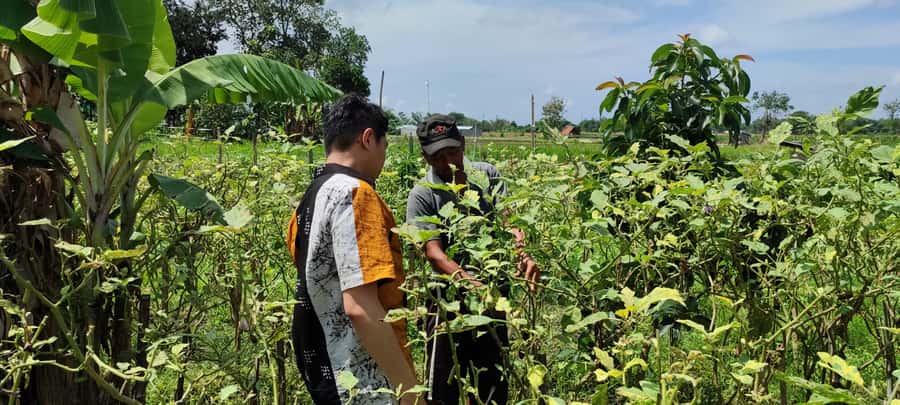
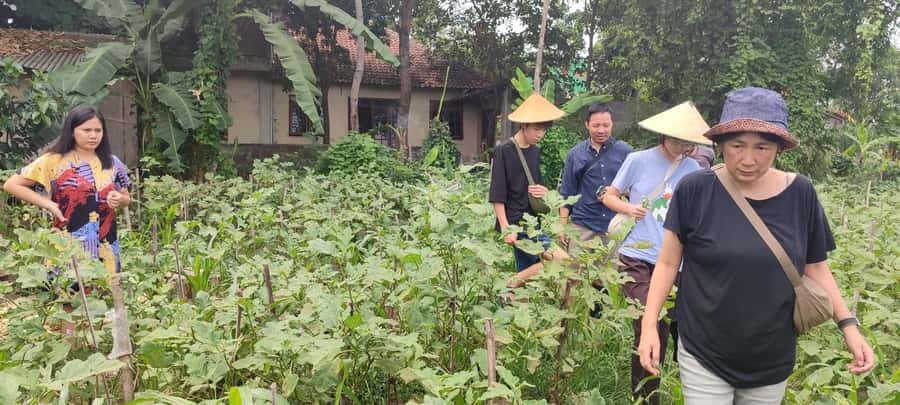
After the market and village time, the tour includes a visit to a rice plantation. This is one of those stops that can quietly change how you think about Indonesian cuisine, because rice is more than a side dish in Java—it’s a baseline ingredient and a cultural touchstone.
You’ll learn about rice cultivation and how it’s prepared, then you’ll have a chance to appreciate the scenery around the fields. Even if you’re not a plant-nerd, you’ll pick up context that helps explain why rice-related routines and ingredients keep showing up in everyday meals.
This stop also helps break up the day. Market energy, then fields and views, then back to a home-style kitchen experience. It’s a good rhythm for a half-day activity.
Bantul and Laplapan: A Traditional Village Welcome Before You Cook
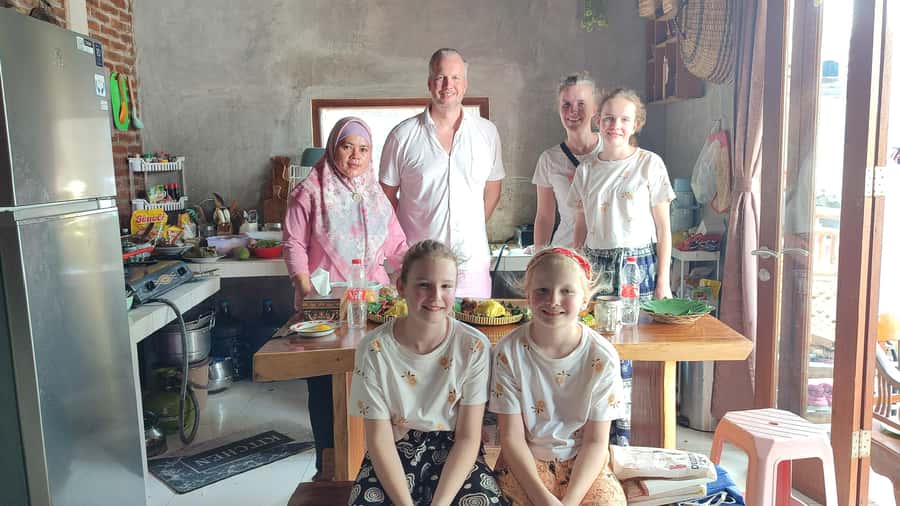
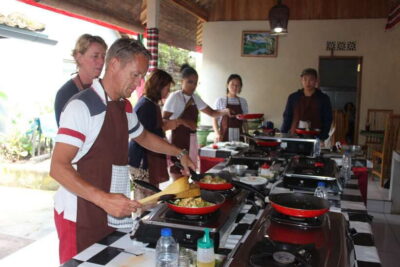
The tour moves into traditional village areas including Bantul and Laplapan. You arrive to a warm welcome from locals, and that tone matters. A cooking class can feel like a staged demonstration. Here, it’s more like you’re being invited into someone’s daily world and then learning how they cook.
This is where you’ll see the difference between a generic cooking ticket and something with local grounding. The class location is described as small and peaceful—more like being at home than being in a big production space. That setting helps you ask questions and work at your own pace.
In practical terms, it also affects comfort. When a place feels calm, you waste less energy managing nerves or crowd noise and more energy actually learning flavors, textures, and technique.
Inside the Cooking Class: 1 Starter, 4 Mains, and Dessert
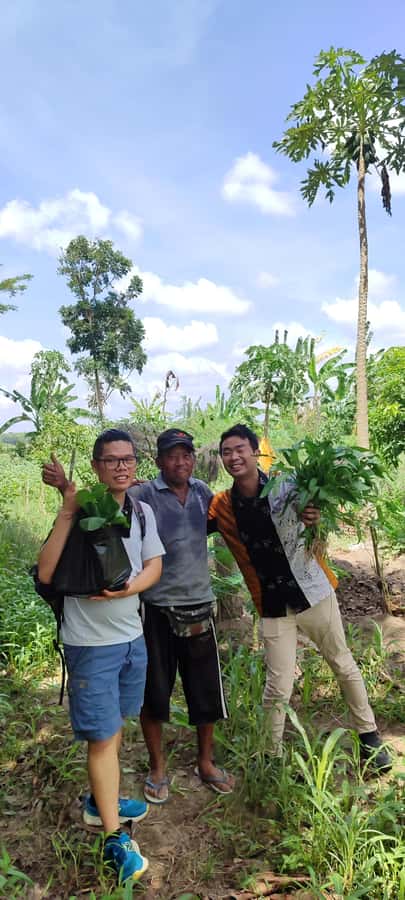
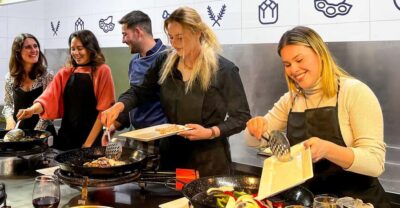
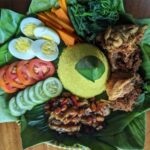
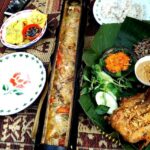
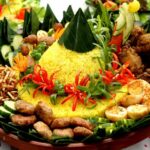
Now for the part you came for: the half-day cooking session in a village setting, guided by an English-speaking instructor. You’ll get hands-on assistance, and you’ll cook several dishes rather than only one highlight recipe.
The menu structure is:
- 1 starter
- 4 main courses
- 1 dessert
That’s a lot of cooking for 3–4 hours, so expect it to be active. You’ll work step-by-step, and you’ll learn handy techniques along the way—not just memorizing recipes. The goal is that you leave able to cook again, not only able to name the dishes correctly.
You’ll also have the option to choose meat or vegetarian dishes. That’s especially useful if you eat differently than the group mix. If you have allergies or dietary restrictions, the instructions ask you to notify the provider in advance, so they can adjust safely.
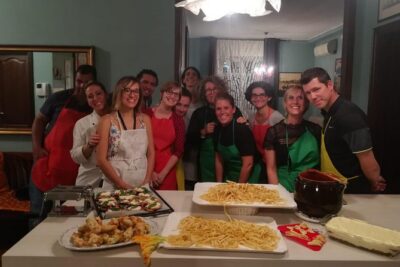
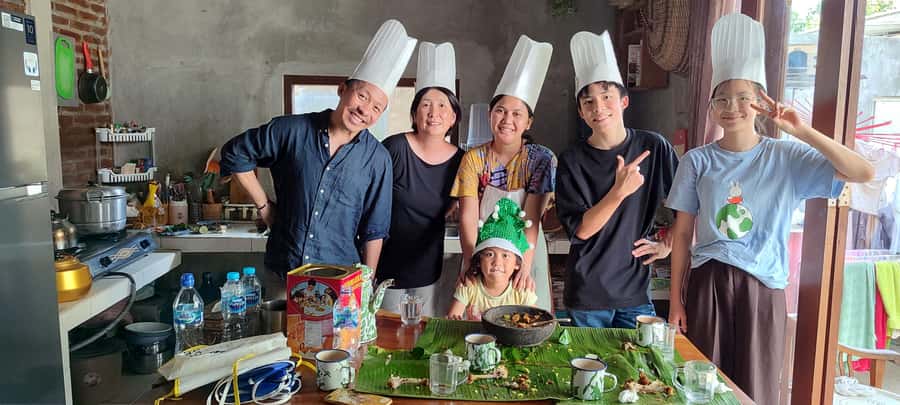
And you’ll eat the results. Sitting down to enjoy the meal you made is not a small detail. In many classes, you cook, you pose, and then you’re done. Here, the meal is built into the flow, which helps you taste what you just learned. You get immediate feedback: Was your spice balance right? Did the aromatics land the way you expected? It’s learning with a spoon.
Who Are the Guides and Chefs, and How That Impacts Your Class?
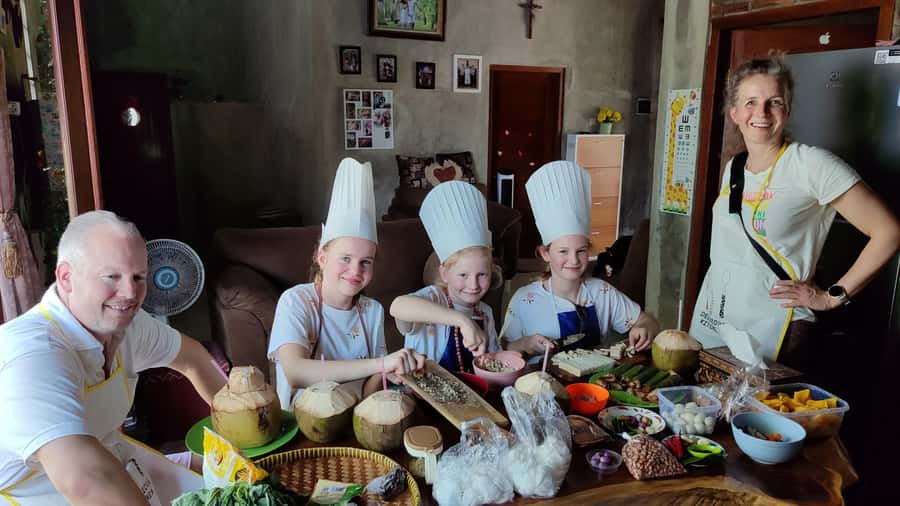
Names matter because they often reflect a certain style of teaching. In the experiences shared, chefs and hosts have included Arma and Desy, and pickup has been handled by drivers such as Widi.
What I take from that: the tour often runs with a personal, local feel. When the chef is actively guiding you in English and explaining what ingredients do (not just what to do), you understand the food faster. And when the kitchen helper or host is friendly and present—helping you clean up and keeping things moving—it makes the whole class feel comfortable instead of chaotic.
If you’re worried about language barriers, you should know the instructor is described as speaking good English. That’s a big deal when you’re learning techniques like how to balance spice strength or adjust cooking time.
Price and Value: Why $33 Can Work Well Here
At about $33 per person for a half-day experience, the value depends on what you want out of the day.
You’re getting:
- hotel pickup and drop-off
- a local fresh market visit (included for the morning class)
- a rice plantation visit
- a guided cooking class
- a meal of your creations
- recipes and notes you can keep
When you add all of that up, it’s more than a cooking class price. It’s a transport-and-lesson package with multiple stops and a full menu. For many people in Yogyakarta, that’s exactly what makes it worthwhile: you’re paying to compress several experiences into one guided block.
The main caution is the afternoon option. Since it doesn’t include the market tour and is shorter, you should treat it as a different product, even if it’s the same overall theme. If you want ingredient shopping to be part of your learning, pick the morning. If your schedule is tight and you mostly want the cooking and meal, the afternoon can still make sense.
What to Bring (and What to Expect in the Kitchen)
The tour asks you to bring comfortable clothes. You’ll be cooking, moving around, and working in a village-style kitchen environment. If you’re wearing something too delicate, you’ll regret it halfway through.
The instructions also say to bring ingredients. That’s unusual for most cooking classes—so I’d interpret it as either optional or something the provider can clarify when you confirm your spot. If that line confused you, message the operator after booking and ask what they mean. It’s a quick question that can prevent awkward moments.
One more practical note: the tour mentions “ingredients” and also says you’ll have a choice of meat or vegetarian dishes. If you have allergies, tell them ahead of time. The tour also states the lesson includes all ingredients, so you likely don’t need to buy anything yourself. But planning for allergies in advance is still important.
Also, pets are not allowed. If you’re traveling with one, you’ll need to arrange separate care.
Accessibility and Comfort Factors
This activity is listed as wheelchair accessible, which is a real win. That doesn’t mean every village path and kitchen spot will be perfectly smooth, but it does signal the provider intends to accommodate wheelchair users.
If mobility is a concern for you, it’s worth checking about steps and ground conditions when you book, especially since the stops include village areas and a plantation setting.
Who This Tour Fits Best (and Who Might Skip It)
You’ll likely love this if you:
- want a real taste of Javanese home cooking, not just a cooking demo
- enjoy markets and want to learn by choosing ingredients
- want a half-day option that still includes multiple cultural stops
- like eating what you cook, right away
You might skip it if:
- you only want a quick tasting and don’t care about the market or plantation context
- you’re strongly sensitive to spice and want a very controlled flavor profile (you can choose vegetarian, but the tour still focuses on traditional dishes)
- you’re set on doing everything late in the afternoon, since the afternoon format is shorter and skips the market
The afternoon class is a good backup plan. Just don’t assume it has the same stops as the morning version.
Should You Book This Yogyakarta Cooking Class?
If you want an easy, guided way to learn Javanese cooking with market ingredients, you should book—especially for the morning class. The combination of market shopping, a rice-plantation learning stop, and a village cooking session creates a complete learning loop. You’re not only eating; you’re tracing how ingredients become flavor.
If your schedule is tight, the afternoon option can still be satisfying because you’ll still cook and eat a full menu with an English-speaking instructor. Just be honest about what you’re giving up: the fresh market tour.
Overall, this feels like strong value for people who like hands-on learning and real local food. Bring comfy clothes, come with curiosity, and you’ll leave with both recipes you can recreate and a better sense of how Java cooks.
FAQ
How long is the cooking class experience in Yogyakarta?
The duration is listed as 3 to 4 hours.
Is hotel pickup and drop-off included?
Yes. Hotel pickup and drop-off are included, and pickup is optional.
Does the tour include a market visit?
Yes, a local fresh food market visit is included. The fresh market tour is only part of the morning class; the afternoon class does not include the market tour.
Can I choose vegetarian options?
Yes. You will have a choice of meat or vegetarian dishes.
What language will the instructor use?
The instructor is listed as English.
Is the experience wheelchair accessible?
Yes, the activity is listed as wheelchair accessible.
What does the price include?
Included items are hotel pick-up and drop-off, a visit to a local fresh food market, a visit to a rice plantation, a half-day cooking class, and a meal of your creations.
Are recipes provided?
Yes. Recipes and notes are supplied and you can keep them.
What is the cancellation policy?
Free cancellation is available up to 24 hours in advance for a full refund.