REVIEW · YOGYAKARTA
Yogyakarta: 3-hour Cooking Class with Market Tour
Book on GetYourGuide →Operated by Jogja Borobudur Tour & Travel · Bookable on GetYourGuide
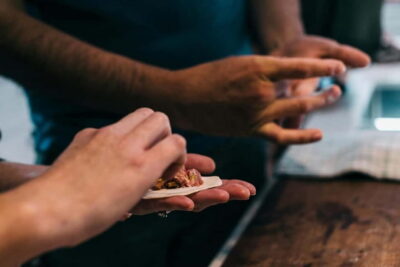
That first market stop is pure payoff. In Yogyakarta, this 3-hour small-group class pairs morning shopping with cooking Javanese-style dishes in a local home kitchen, so you learn what goes into the food and why it matters. I especially like that you buy ingredients like a local and then cook with an English-speaking instructor who guides you step by step.
Two things I really liked: the market tour that helps you recognize vegetables, herbs, and spices before you cook, and the fact that you’re not just watching—you’re cooking, tasting, and eating your own food while it’s hot. One consideration: the market tour only runs with the morning session, so if you choose an afternoon class you’ll miss that shopping time.
The class runs in a relaxed, friendly setting (limited to 8 people), and you’ll leave with recipes to recreate what you made later. Just come hungry, because you’ll likely eat a lot—then you may still take leftovers home.
In This Review
- Key highlights at a glance
- Morning Market Shopping in Yogyakarta: Picking Ingredients Like a Local
- Inside the Kitchen in Yogyakarta: A Step-by-Step Cooking Class in a Real Home
- What You’ll Cook (and Why It Tastes So Good)
- The Big Lunch/Dinner Moment: Eating Together Like Family
- Price and Value in Yogyakarta: Why $35 Often Feels Like a Deal
- Timing, Meeting Up, and What to Bring So It’s Smooth
- Who Should Book This Cooking Class (and Who Might Skip It)
- Should You Book the Yogyakarta Market + Cooking Class?
- FAQ
- How long is the Yogyakarta cooking class with the market tour?
- Is the market tour included?
- Is the cooking class taught in English?
- Do I need cooking experience?
- What’s included in the price?
- Can I cancel for a refund?
Key highlights at a glance
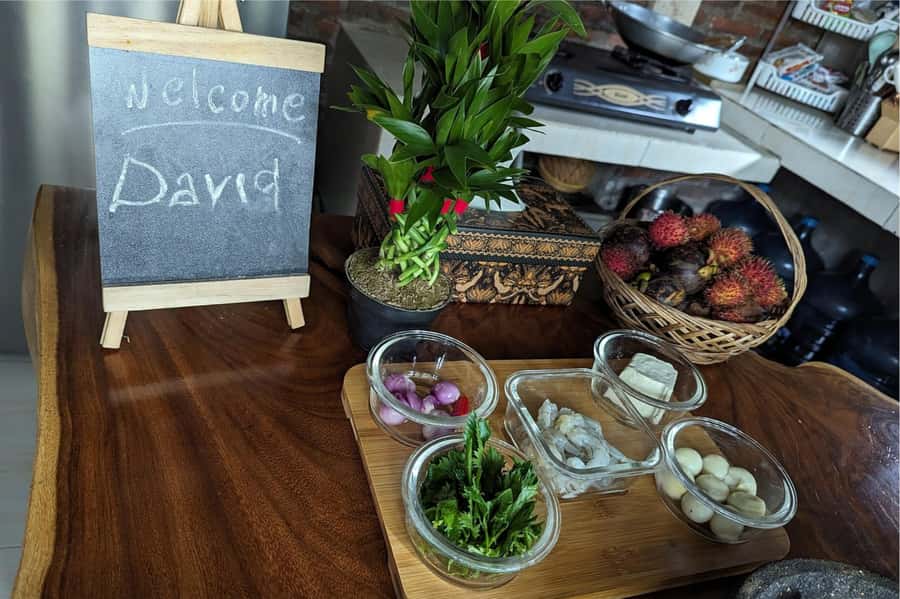
- Morning market tour: select ingredients with an instructor and taste items along the way
- Small group size (up to 8): more attention while you cook
- English instruction: easy to follow steps, even without cooking experience
- Hands-on techniques: chopping, mixing, grinding herbs, and building flavor from scratch
- Plenty of food plus take-home leftovers: eat together, then bring some back
- Recipes included: useful if you want to cook again at home
Morning Market Shopping in Yogyakarta: Picking Ingredients Like a Local
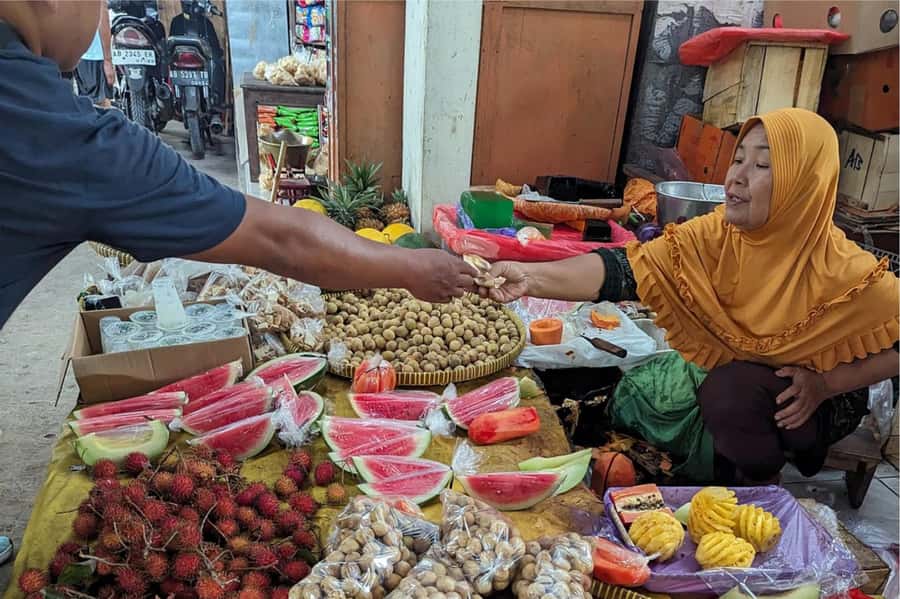
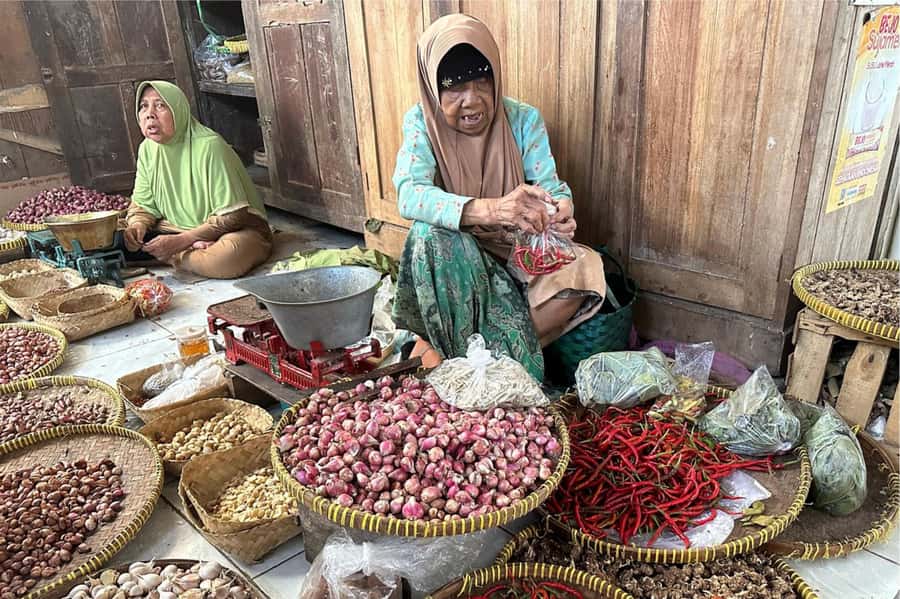
If you book the morning session, you start with a market tour that actually teaches you how Indonesian cooking works. I like this structure because it turns ingredients from vague names into real things you can spot, pick, and recognize by smell and freshness. You walk the stalls, talk with vendors, and choose items for the meal you’ll cook later.
In the market, you’re not just browsing—you’re learning what to look for in vegetables, herbs, rice, and spices. One review-style example stood out: people mentioned learning about fruits and vegetables, and that the instructor had strong relationships with vendors. That matters. When you’re shopping with someone who knows the rhythm of the market, you spend less time guessing and more time understanding.
You’ll also likely get mini-tastings as you go. That’s a small detail, but it helps your palate connect with what you’ll cook later. When you reach the kitchen, you’re not meeting ingredients for the first time—you already have a mental map.
Drawback to plan around: if you choose an afternoon class, the market tour isn’t included. So if you specifically want the market experience, book the morning slot.
You can also read our reviews of more tours and experiences in Yogyakarta.
Inside the Kitchen in Yogyakarta: A Step-by-Step Cooking Class in a Real Home
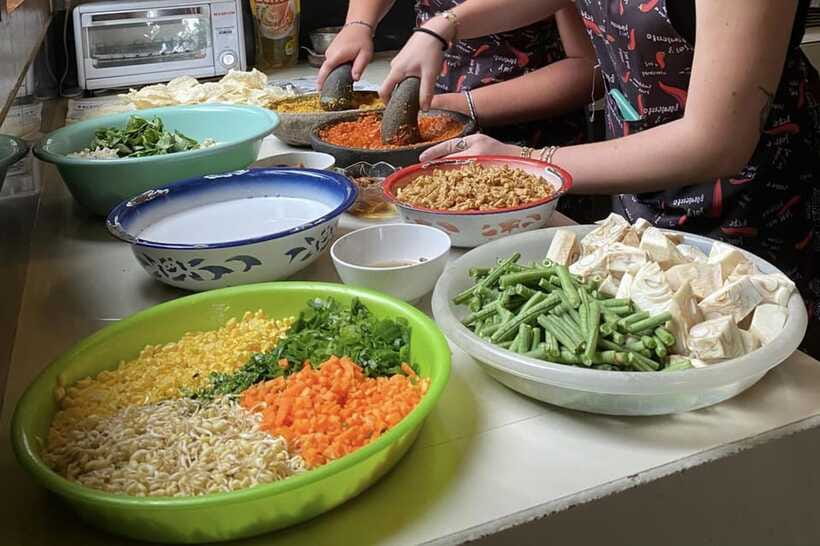
After the market, you head to the kitchen and the pace shifts from walking and talking to cooking and tasting. The class is small (up to 8 participants), which means the instructor can check your technique and help you troubleshoot while you work. You’ll see how recipes come together in a home setting, not a restaurant demo where you just watch and hope.
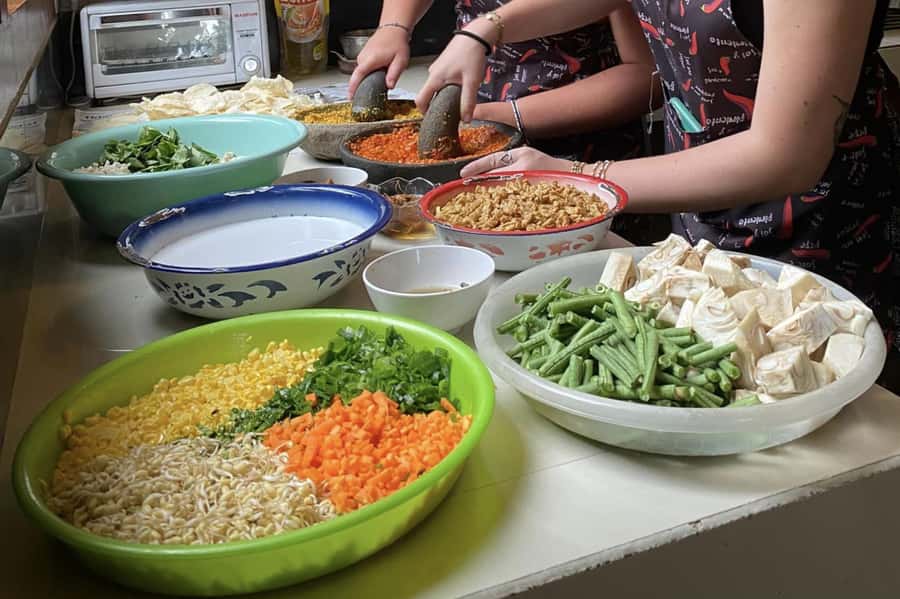
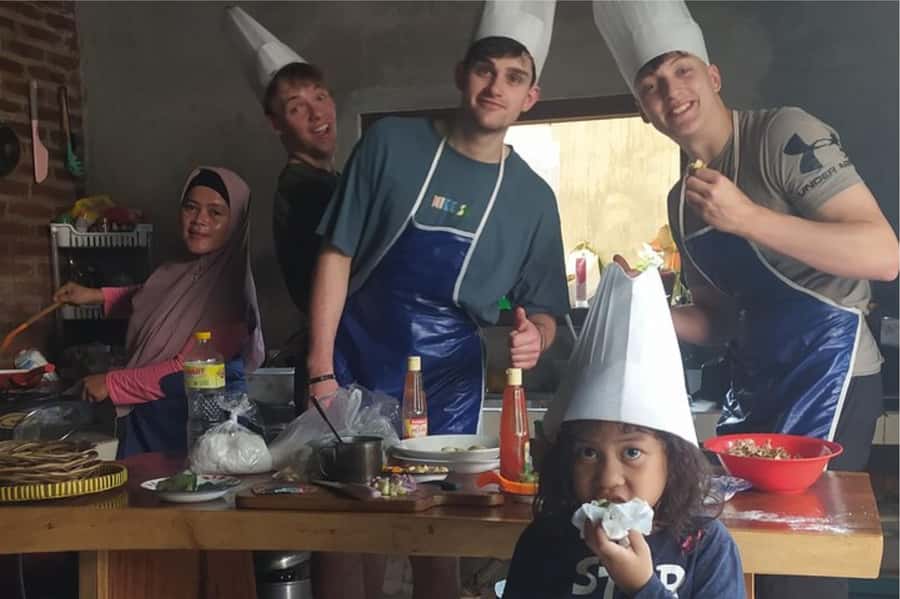
The cooking itself is set up for hands-on learning. You’ll do the work: preparing ingredients, following instructions, and building dishes from scratch. Reviews mention things like grinding herbs and making coconut milk from scratch, and that’s exactly the kind of technique that makes the food taste deeper than a shortcut.
Instructors are English-speaking, and you might meet someone like Desy/Desi/Desay (different spellings show up), or Bu Herni/Herni—both described as kind, organized, and patient. Even if you’re a beginner, you get guided step-by-step support. The vibe is friendly rather than strict, but the workflow is still organized, with clear timing so you can finish multiple dishes within the session.
One practical note: wear comfortable walking shoes. You’re doing market time on foot, and then you’ll likely stand and work in the kitchen.
What You’ll Cook (and Why It Tastes So Good)
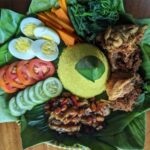
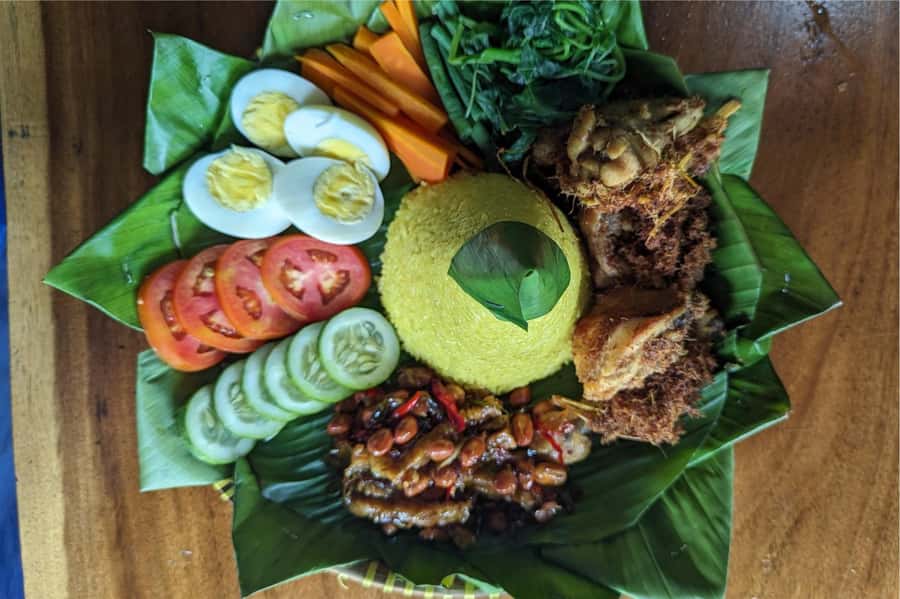
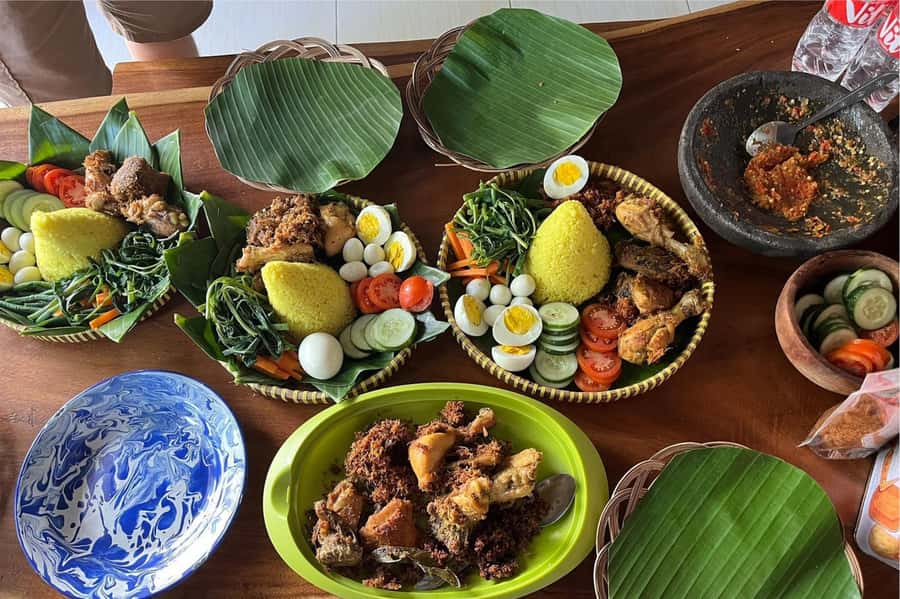
This isn’t a one-dish class. You’ll typically make several Indonesian dishes in the 3–4 hour window, and the menu can vary by session and instructor. From the available descriptions, dishes you may cook include things like yellow rice, tofu fritters, galangal fried chicken, and tempeh with tamarind sauce, plus dessert in some classes.
Here’s what makes the experience worthwhile: you learn the building blocks, not just the end result. You get a sense of how Indonesian flavors layer—aromatics, spices, sauces, and texture all play roles. Since you start with a market selection (for morning classes), you also learn how freshness impacts taste. Ingredients that smell right in the market usually perform better once they hit the pan.
Dietary needs are also addressed. One review specifically noted a good range of options for different dietary needs, and another mentioned the experience works even when young children are part of the group. That suggests the instructor can adapt when needed—use that when you book, and mention your restrictions clearly.
Don’t expect a quiet class where you only listen. You’ll be tasting your food as you go, and that changes how you learn. When you taste something while it’s still hot and freshly prepared, it’s easier to understand why each step matters.
The Big Lunch/Dinner Moment: Eating Together Like Family
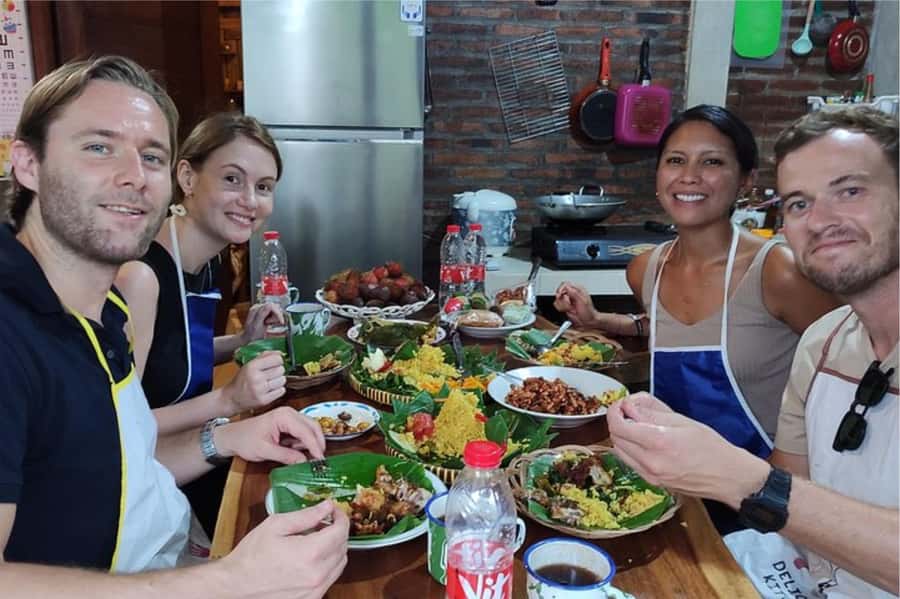
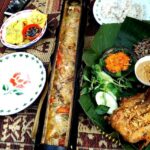
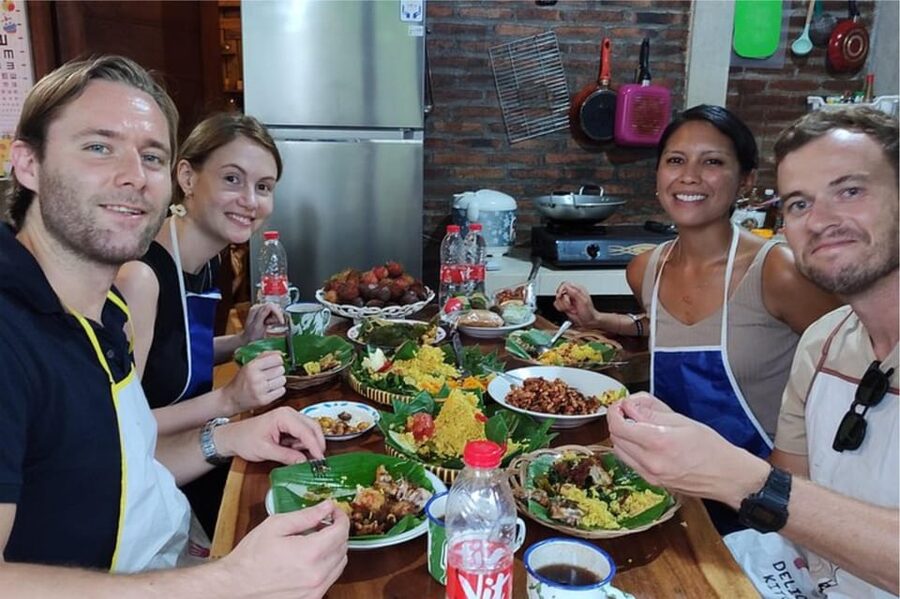
Once you finish cooking, the best part shows up: you sit down and eat what you made. The class is designed so you dine together, and the tone is friendly and communal. Multiple people described the meal as plentiful, with beautiful plating, and that you’re essentially enjoying a home-cooked feast.
One reason I consider this class good value is the sheer amount of food you eat for the price point. It’s not a tiny sample plate. You’re cooking enough to make a real meal, and then there’s often more. Several descriptions specifically mention leftovers and take-home containers, which turns your cooking class into a practical way to handle dinner plans later.
You’ll also receive recipes to take home. That’s a real help if you want to recreate dishes rather than just remember them. Even if your first attempt isn’t perfect, having the written recipe makes it easier to repeat flavors at home.
Price and Value in Yogyakarta: Why $35 Often Feels Like a Deal
At about $35 per person for a roughly 3-hour class, this option stacks up well because so much is included. You get the instructor, all ingredients, water, and (if you select it) hotel pickup and drop-off. For morning bookings, you also get the market tour.
What you’re really paying for is instruction + ingredient sourcing + hands-on time. Many food experiences in Yogyakarta are either tasting-only or cooking-only without the ingredient literacy. Here, you do both. That means you leave with two kinds of knowledge: what to buy and how to use it.
Pickup is optional and has an extra fee if you’re coming from the airport area (IDR300,000 noted for that specific pickup scenario). If you’re staying in the main areas, you might still prefer a simpler meeting point and go together.
The small group limit (up to 8) also helps justify the cost. You’re not competing for attention, and you’re more likely to get feedback while you cook.
Timing, Meeting Up, and What to Bring So It’s Smooth
Here’s how to make this day feel easy instead of rushed.
Choose your session wisely. Morning gives you the market tour. Afternoon skips that shopping stop and goes straight into cooking.
You’ll get your exact meeting location via WhatsApp, so when you book, provide your WhatsApp number. This is one of those details that can save you stress on travel day. Keep an eye on your phone.
What to bring:
- Comfortable walking shoes for market time
- An empty stomach
You’ll eat plenty, and multiple people strongly advise not eating before you go
- Curiosity
You’re learning ingredients, not just recipes
Also, no cooking experience is needed. The teaching is set up so you can participate even if you’ve never cooked Indonesian food before.
If you’re sensitive to spice, say so. Even though spice levels aren’t listed in detail, you’ll be happier if the instructor knows your comfort range early.
Who Should Book This Cooking Class (and Who Might Skip It)
I’d book this if you want a hands-on food experience that also teaches you how to shop for Indonesian cooking ingredients. It’s ideal for:
- Food lovers who want more than a restaurant meal
- Beginners who want step-by-step guidance in English
- Small groups that want a relaxed, friendly atmosphere
- Anyone who values taking recipes home and eating what they make
You might skip it if:
- You only care about quick street food tasting and don’t want to cook
- You’re not interested in markets or ingredient selection (then afternoon might feel better, but you’d miss the market part)
Also, it’s a great fit if you like cultural exchange through daily life. The home-kitchen setting, the pacing, and the dinner-style meal make it feel less like a transaction and more like learning from a local household.
Should You Book the Yogyakarta Market + Cooking Class?
Yes—if you like learning by doing, this is one of those activities that pays you back fast. You’ll walk away with a clearer idea of how Javanese/Indonesian flavors work, plus recipes you can actually use later. The price also feels fair because the class includes ingredients, instruction, and enough food that you’ll probably handle more than one meal.
Book the morning session if the market experience is a priority for you. And come hungry—seriously. This is the kind of class where you’ll be full, then you’ll take leftovers anyway.
If you want, tell me your travel month and whether you prefer morning or afternoon, and I’ll help you choose the best option based on how you like to structure your Yogyakarta days.
FAQ
How long is the Yogyakarta cooking class with the market tour?
The experience lasts about 3 hours, with some classes described as a 3–4 hour cooking session.
Is the market tour included?
The market tour is included only for the morning class.
Is the cooking class taught in English?
Yes. The instructor is English-speaking.
Do I need cooking experience?
No experience is needed to take part.
What’s included in the price?
The class includes the cooking session, ingredients, water, an instructor, and the market tour for morning bookings. Hotel pickup and drop-off are optional if you select them.
Can I cancel for a refund?
Free cancellation is available up to 24 hours in advance for a full refund.