REVIEW · YOGYAKARTA
Yogyakarta: Javanese Cooking Class & Market Tour
Book on GetYourGuide →Operated by Truly Borobudur Tours · Bookable on GetYourGuide
You start in a market, not a classroom. I love how this Yogyakarta cooking class turns shopping into part of the lesson, and then carries that freshness straight into dinner. The Javanese house setting also makes the whole experience feel personal. One drawback: if you’re hoping for a fully hands-on skills class where you do every step yourself, this may feel a bit more assisted than you expected.
You’ll be guided by a native Javanese mentoring chef (English instruction), starting with a pickup from your accommodation and a trip into a local market with your team. You’ll learn how to spot good ingredients—herbs, spices, fish, meats, vegetables, and fruits—and even which items are easier to find abroad. Then you’ll cook, taste, and eat what you made before the driver brings you back.
In This Review
- Key things I’d put on your radar
- Getting from Yogyakarta pickup to the market without stress
- What you learn in the market with Dewi and the cooking team
- From fresh shopping to a Javanese house cooking setup
- The cooking class: how much you really do yourself
- Javanese and Indonesian flavors: what this class helps you understand
- Included value: why $53 feels fair for what you get
- Who this Yogyakarta class is best for
- If you should book: my decision checklist
- FAQ
- How long is the Yogyakarta Javanese cooking class and market tour?
- What language is the instructor?
- Is hotel pickup included, and where does pickup work?
- What’s included in the price?
- What should I bring to the class?
- Is this tour suitable for people with mobility impairments?
Key things I’d put on your radar
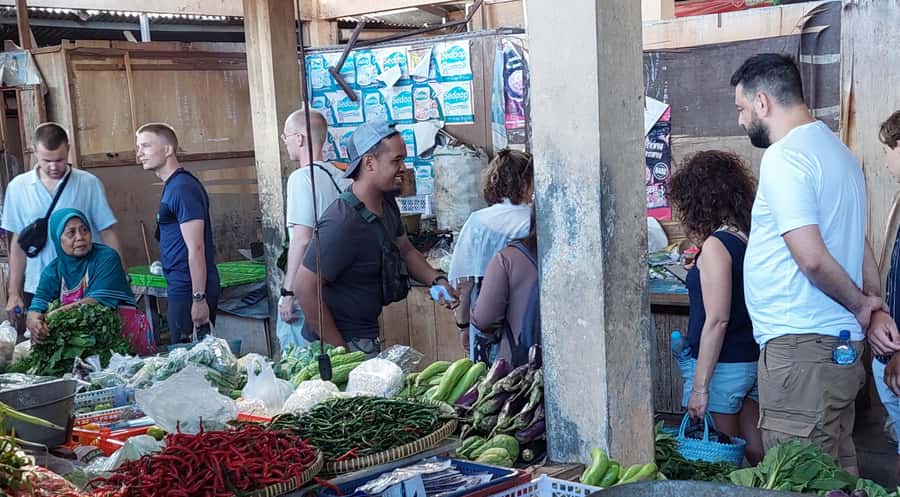
- Morning market first: you choose ingredients on the spot, then cook with what you bought
- Mentoring chef guidance: your native chef helps you identify quality ingredients and common substitutes
- A real home-style cooking venue: class happens in a Javanese house with neighborhood vibes
- Taste your work: you sit down for a meal at the end, not just sampling bites
- English instruction: the instructor communicates clearly for non-Indonesian speakers
- 4.5 hours total: long enough to learn, but not an all-day commitment
Getting from Yogyakarta pickup to the market without stress
This experience starts with a hotel pickup and drop-off, which matters more than people think. Yogyakarta traffic can be unpredictable, and you don’t want to spend your first hour figuring out transport. Your driver will take you from your accommodation to the cooking venue area, then you head to the local market together.
The whole activity runs about 270 minutes (roughly 4.5 hours). That pacing is a sweet spot: you get time to shop thoughtfully, cook properly, and still sit down for a meal afterward. It’s also easy to fit into a day when you’re already doing temple visits or cultural stops around Yogyakarta.
Practical tip: wear comfortable shoes and plan for walking around stalls. Also bring comfortable clothes you don’t mind getting a little warm or aromatic during the market portion.
You can also read our reviews of more tours and experiences in Yogyakarta.
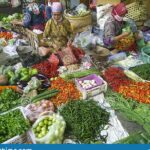
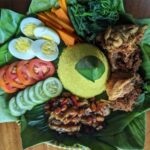
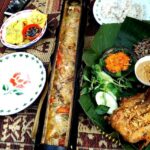
What you learn in the market with Dewi and the cooking team
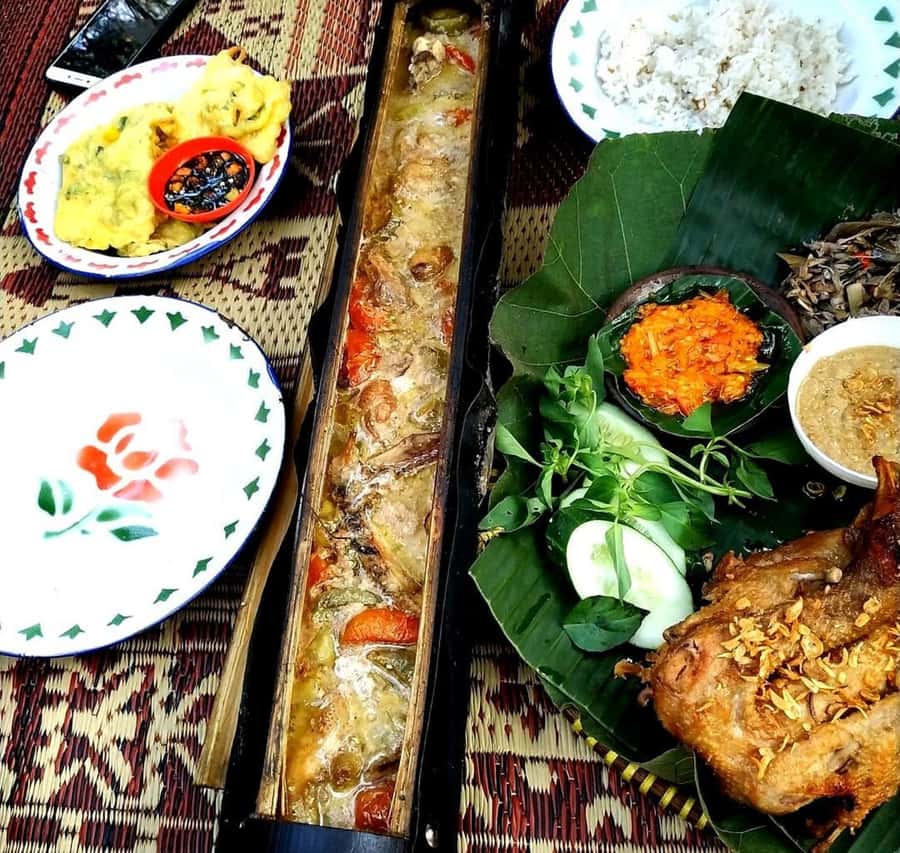
The market part is where the whole class gains real value. Instead of being handed a list of ingredients and hoping you recognize them, you go stall to stall with your mentoring chef and guidance from the team. This is a learning-by-seeing approach.
English-speaking guidance helps you connect what you taste and smell to what’s actually in front of you. And you’re not just looking at food like a tourist—you’re learning how locals think about quality. You’ll identify and pick fresh herbs, spices, vegetables, fruits, and proteins (including fresh fish and meats), guided by your chef.
One reason this works so well: you learn what’s easy to find abroad. Your chef explains which ingredients you might spot in Asian grocery stores overseas. That makes the class practical after you return home—you’re not stuck with “I tried once and never again” ingredients.
Also, the interaction level here is a big deal. In a market setting, you’ll naturally see the pace of local commerce and how sellers think about their produce. That context helps your cooking choices make sense later.
If you’re someone who likes asking questions, this is the best place to do it. The guidance style tends to be patient and friendly, with plenty of room for curiosity—especially if you’re not familiar with common local ingredients.
From fresh shopping to a Javanese house cooking setup
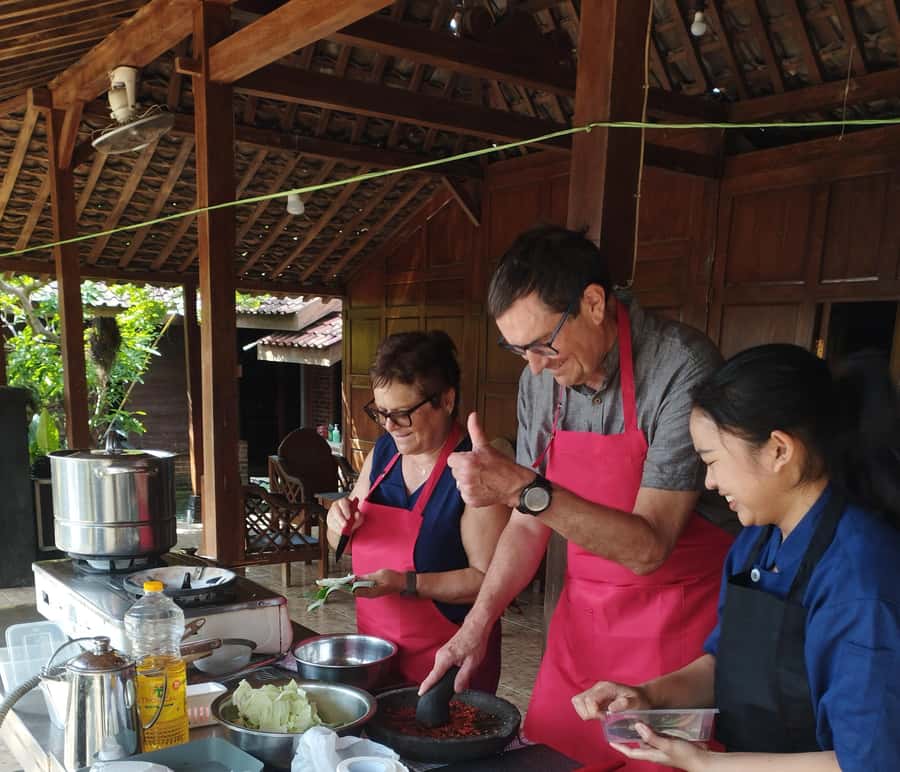
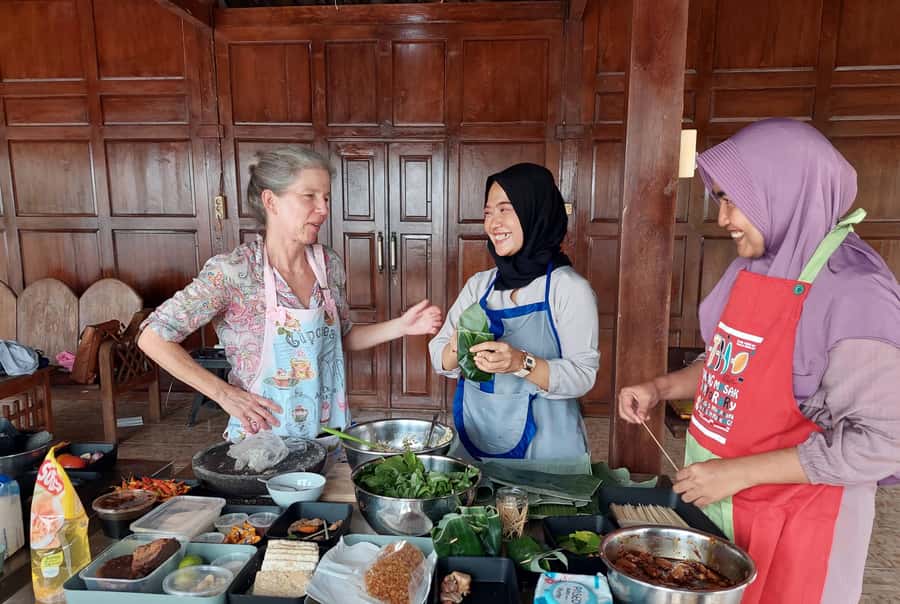
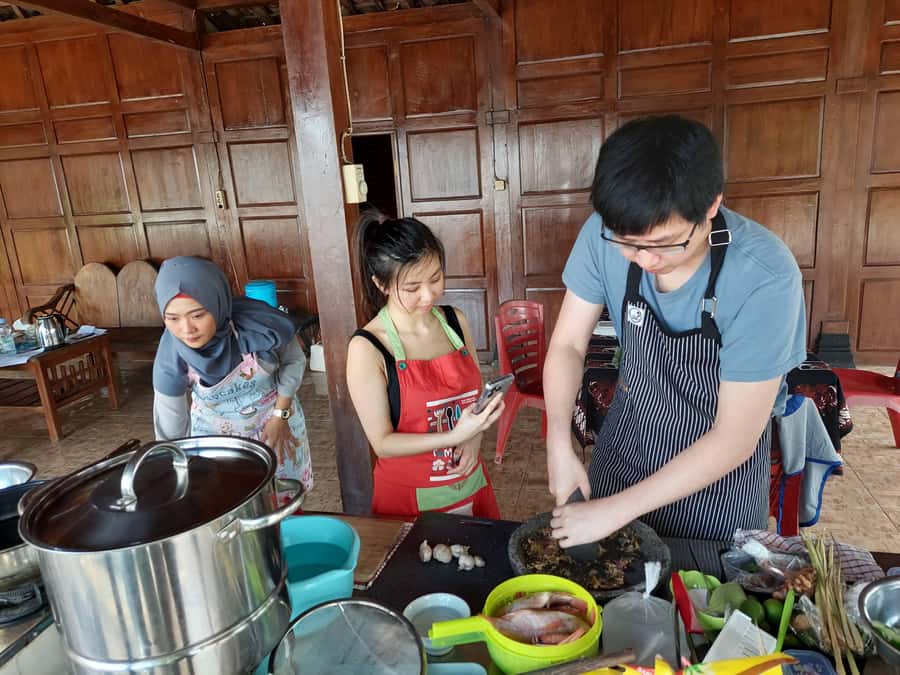
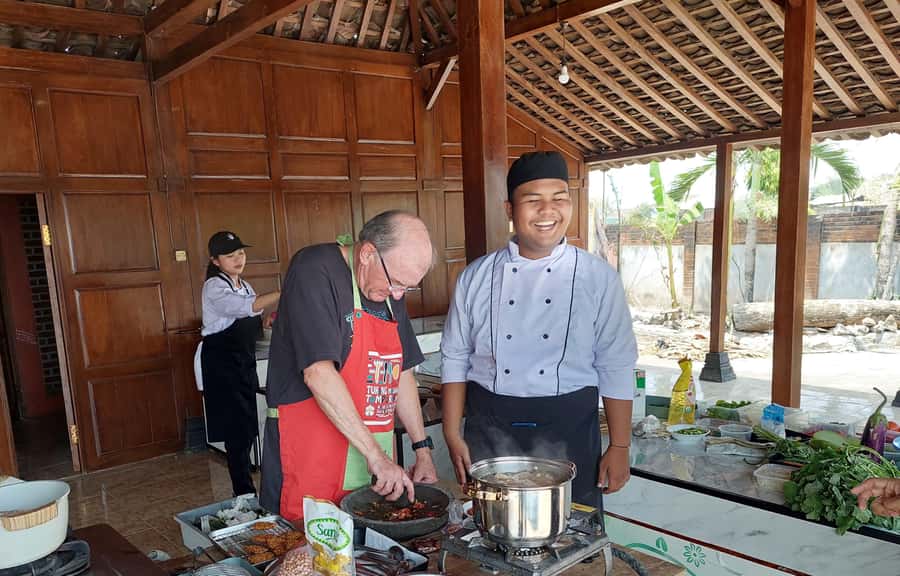
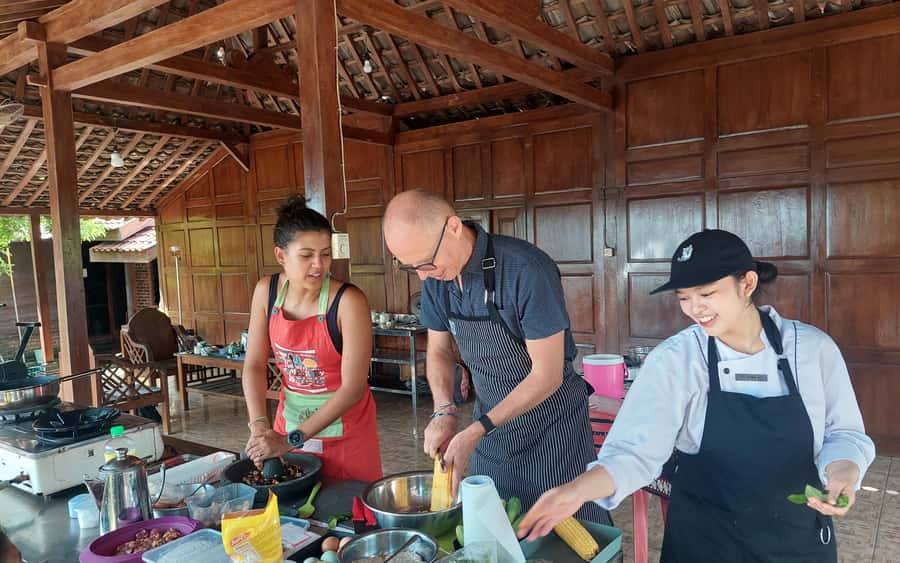
After the market tour, you go back to the cooking class venue and start preparing. This isn’t a cookie-cutter studio. The class takes place in a Javanese house at the village, with a neighborhood-feel that’s more like visiting someone’s home than attending a commercial show.
You’ll work with the team as you prep dishes and cook. The environment is set up for interaction, so you’re not just watching from the sidelines. You’ll also get a chance to connect with the other cooks at your table.
One important detail for planning: no large bags or luggage are allowed. You’ll want to travel light, especially if you’re doing temples and hauling a day bag already. In practice, this keeps the space comfortable and safe when ingredients and cooking tools are out.
Because this is a home-style venue, it also tends to feel clean and welcoming in the way commercial kitchens don’t. The goal is comfort and learning, not performance.
The cooking class: how much you really do yourself
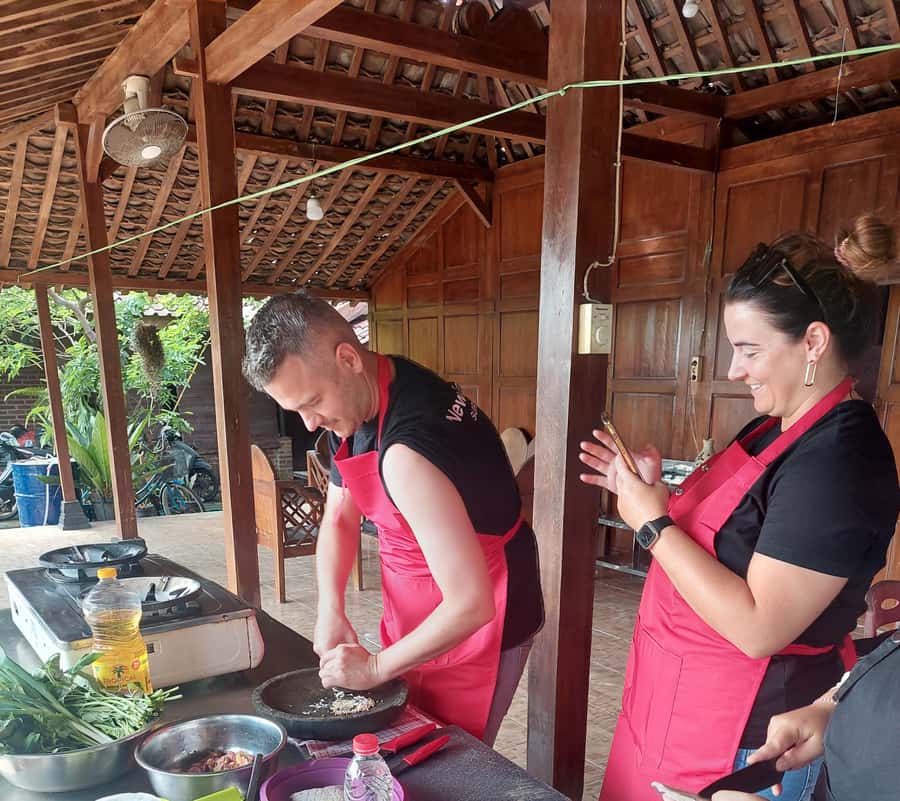
Here’s the honest part: the cooking session can feel either “hands-on learning” or “assisted cooking,” depending on your expectations.
The best-case version is that you cook alongside the team, with guidance as you chop, mix, and assemble. You taste what you’ve made, and the lesson includes useful techniques you can repeat later. That’s the goal of the class—help you understand the process, not just the final plate.
But there is a known caution. If you cook a lot at home already, you might notice that some tasks are handled for you. In one experience-style complaint, the reviewer said most of the work seemed done by staff instead of you. That doesn’t mean you won’t learn; it does mean you may not get the same step-by-step “do everything yourself” practice you hoped for.
So how do you set expectations?
- If you want to learn ingredient logic and cooking methods while getting a guaranteed tasty outcome, you’ll likely enjoy it a lot.
- If your top goal is technique drills—like mastering knife work, full prep from scratch, and doing every station—plan for more support than you’d see in a strict cooking bootcamp.
Either way, your meal at the end is the payoff. You get to sit down and taste your own dishes, which is the point most cooking classes skip.
Javanese and Indonesian flavors: what this class helps you understand
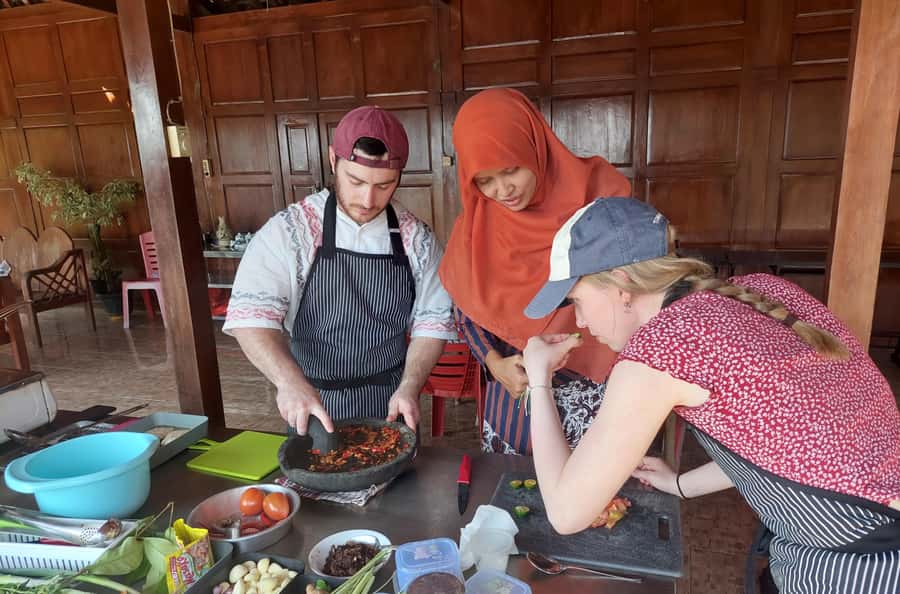
This experience is built around Javanese cooking culture and Indonesian food making. You’re not just tasting; you’re learning how local ingredients behave together.
In the morning, your chef helps you choose quality ingredients. Later, those choices turn into flavor combinations you can recognize on the plate. You’ll likely handle a mix of fresh produce and aromatics, guided by someone who actually cooks in the style you’re learning.
The lesson also helps you understand what ingredients are practical to hunt down elsewhere. That matters because “authentic cooking” falls apart when you can’t find the same items after your trip. Here, your chef gives you a reality check and points toward what you might substitute or locate at home.
You’ll also learn how the cooking team approaches the work—timing, prep order, and how they keep flavors balanced. Even when staff do more of the physical work than you’d like, the teaching is still useful because you’re learning the why behind the method.
Bottom line: you leave with a clearer mental map of how Javanese cooking is put together, rather than just a list of dishes.
Included value: why $53 feels fair for what you get
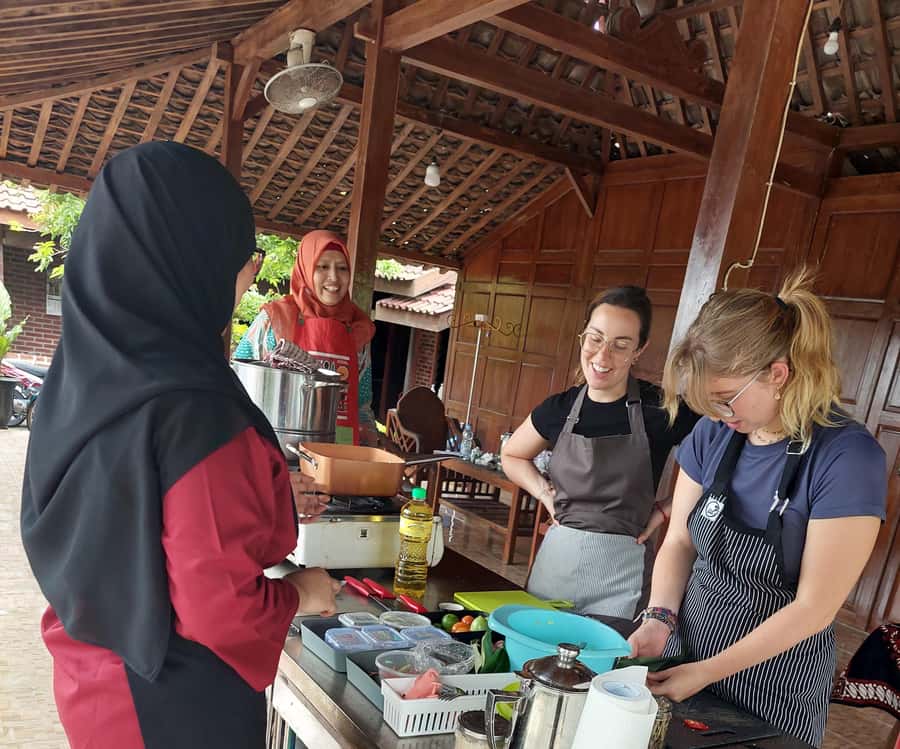
At $53 per person for about 270 minutes, the price is easier to justify when you count what’s included.
You get:
- Hotel pickup and drop-off
- Market tour with guidance
- The cooking class
- All ingredients
- Morning tea
That’s not just a meal. It’s transport, market learning, ingredient sourcing, cooking instruction, and the food produced from your purchases.
Also, the English instruction reduces friction. In markets and kitchens, you want direct communication, not translation apps and guesswork. If you’ve ever tried to recreate a dish later without knowing what each ingredient is supposed to do, you’ll appreciate why this kind of guidance is part of the value.
One more value point: you’re paying for an experience that connects shopping, cooking, and eating in one flow. That makes it more than “watch someone cook and then eat.” You’re actively part of the supply chain for your dinner.
Who this Yogyakarta class is best for
This is a great fit if you want:
- A practical cooking experience tied to real local ingredients
- An English-friendly explanation from a native Javanese chef
- A market stop that feels like guidance, not a quick photo walk
- A meal at the end that you helped create
You’ll probably enjoy it even more if you’re new to Indonesian cooking or you’ve cooked some dishes but want a better understanding of ingredient selection and method.
Who might want to think twice?
- If you’re very mobility-limited, note that the tour is not suitable for people with mobility impairments.
- If you want a strict hands-on class where you do almost every task yourself, you may feel more assistance than expected.
If you’re traveling as a couple or small group, it also tends to work well because you’re paired with a team guiding your ingredient choices and cooking steps.
If you should book: my decision checklist
I’d book this Yogyakarta Javanese cooking class if you want a guided meal experience that starts with ingredient selection and ends with eating what you cooked. The market tour is the strongest reason to go. It gives you context you can carry home: what good ingredients look like, and what you might be able to find abroad.
Don’t book it only if your main goal is maximum self-directed practice and zero staff handling. This class looks designed for learning with support, not a solo cooking marathon.
If that sounds like your style, this is an easy recommendation for Yogyakarta visitors who want something more local than a restaurant meal.
FAQ
How long is the Yogyakarta Javanese cooking class and market tour?
The experience lasts 270 minutes (about 4.5 hours).
What language is the instructor?
Instruction is in English.
Is hotel pickup included, and where does pickup work?
Yes. Hotel pickup and drop-off are included, and pickup is possible from Yogyakarta City, Kulon Progo Regency, Muntilan, Magelang, Sleman Regency, Bantul, and nearby areas listed by the provider.
What’s included in the price?
The price includes market tour, cooking class, hotel pickup and drop-off, all ingredients, and morning tea.
What should I bring to the class?
Bring comfortable shoes and comfortable clothes. Avoid bringing large bags or luggage.
Is this tour suitable for people with mobility impairments?
No. The tour is not suitable for people with mobility impairments.