REVIEW · KHIVA
Traditional Khiva Cooking Class with Market Visit & Lunch
Book on GetYourGuide →Operated by Sarvar Bobojonov · Bookable on GetYourGuide
Cooking in Khiva feels like visiting friends. This hands-on class takes you from the market to a local home, where you cook and eat like a real guest. I love that the focus stays on food, not a lecture, and you get a clear choice of plov or shivit oshi in a family kitchen.
Two standout things: you shop with your host first, so you learn how locals pick ingredients in Khiva, not just what to buy. And the meal is made in the home with Sarvar and his family, including his mother helping with the cooking.
One drawback to consider: there are clothing and behavior rules in the home, including no shorts and no sleeveless shirts, and you can’t bring certain items like backpacks. Plan light, covered layers.
In This Review
- Key Highlights at a Glance
- A Khiva Market-to-Home Meal in 2.5 Hours
- Pickup Points and the Ride That Gets You Oriented Fast
- The Market Stop: Choosing Ingredients Like Locals
- Cooking in Sarvar’s Home: Plov or Shivit Oshi
- What to Expect During the Class (Hands-On, Not Just Listening)
- Lunch the Uzbek Home Way: Tea, Family Conversation, and Fruit
- Recipes to Take Home (and How to Use Them)
- Price and Group Size: Is $150 Worth It?
- Clothing Rules and Home Etiquette (So You Don’t Get Stuck)
- Who Should Book This (and Who Might Prefer Something Else)
- Should You Book This Cooking Class?
- FAQ
- How long does the cooking class last?
- What dishes can I cook?
- Is hotel pickup and drop-off included?
- Do we visit a market as part of the experience?
- Is this a private experience?
- What language is the instruction in?
- What food and drinks are included?
- Are recipes provided?
- Are there restrictions on what I can wear or bring?
- Is cancellation refundable, and can I reserve without paying immediately?
Key Highlights at a Glance
- Market shopping with Sarvar so you learn what makes an ingredient worth buying
- Plov or shivit oshi cooked hands-on in a real Khivan home
- Family time, not a restaurant script, with Sarvar’s mother and brothers involved
- Traditional Uzbek tea during the meal and conversation
- Seasonal fruit for dessert, often including melons and watermelons when in season
- Recipes to take home so you can recreate the flavors later
A Khiva Market-to-Home Meal in 2.5 Hours
If you want Khiva food without the tourist shortcut, this is the right kind of activity. The whole format is simple: meet up, go to the market, cook, eat, and leave with recipes. In practice, that means you get a better sense of how everyday people in Khiva shop and cook, not just how a dish is served.
What makes it special is the setting. You’re not waiting for a plated meal at a restaurant. You’re in a home kitchen with the people who actually live that food culture every day, guided in English by Sarvar Bobojonov. You’ll talk as you cook, so you also learn the why behind the choices.
Time-wise, it stays manageable at about 2.5 hours total. That’s long enough to feel like you did something (market + cooking + lunch), but short enough to fit into a sightseeing day inside or around Itchan Kala.
Pickup Points and the Ride That Gets You Oriented Fast
You’ll get hotel pickup and drop-off, which matters in Khiva because the best walking areas can be close together but not always easy to reach by car. Pickup can happen at several spots, including Polvon darvoza, Bakcha Darvoza, Itchan Kala west gate, Stone Gate (Itchan Kala South Gate), or Khiva.
Your driver uses a white sedan (156NAA). It’s not a big deal, but it helps you get your bearings fast. You don’t have to figure out where to meet or worry about being late while you hunt for the right street.
Drop-off is also back at one of those main points, so you can keep exploring right after lunch instead of starting a second commute.
The Market Stop: Choosing Ingredients Like Locals
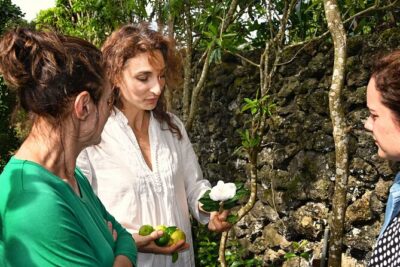
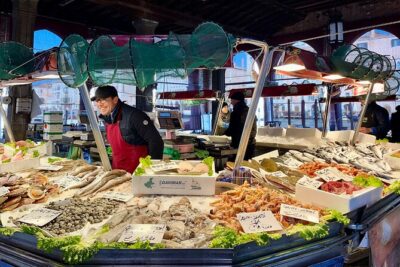
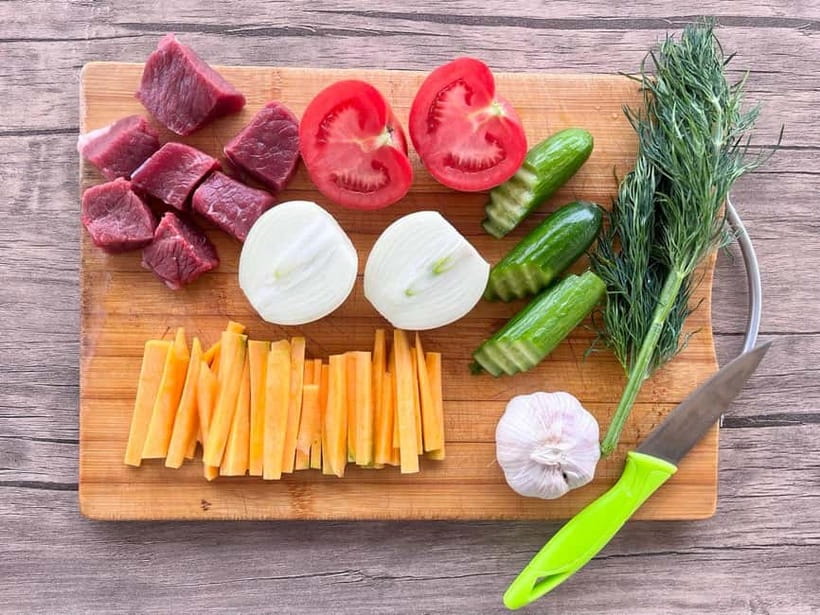
The market visit is more than a photo stop. It’s where your host helps you understand ingredient priorities in Khiva and what locals look for before they cook. You’ll pick fresh items with the guidance of Sarvar, and you also learn about market shopping traditions and negotiating prices.
This matters because Uzbek cooking is built on flavor decisions you can’t fully copy from a recipe card. Even if you get the same ingredients at home, knowing what to look for when you buy onions, produce, herbs, or other key items helps you recreate the final taste.
Practical note: markets can be crowded and not the kind of place where you want to carry a lot. The activity rules don’t allow backpacks, so plan to travel light and bring only what you need for shopping and the short walk back to the home.
Cooking in Sarvar’s Home: Plov or Shivit Oshi
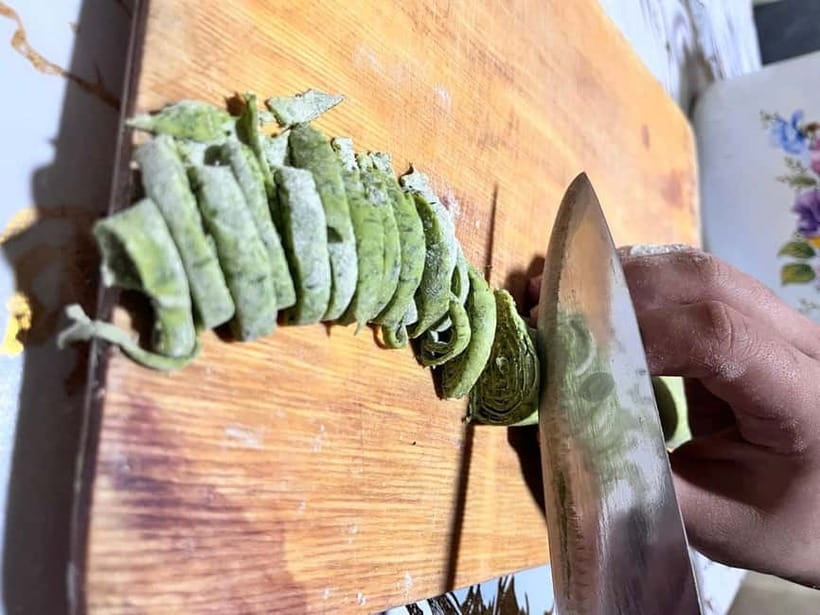
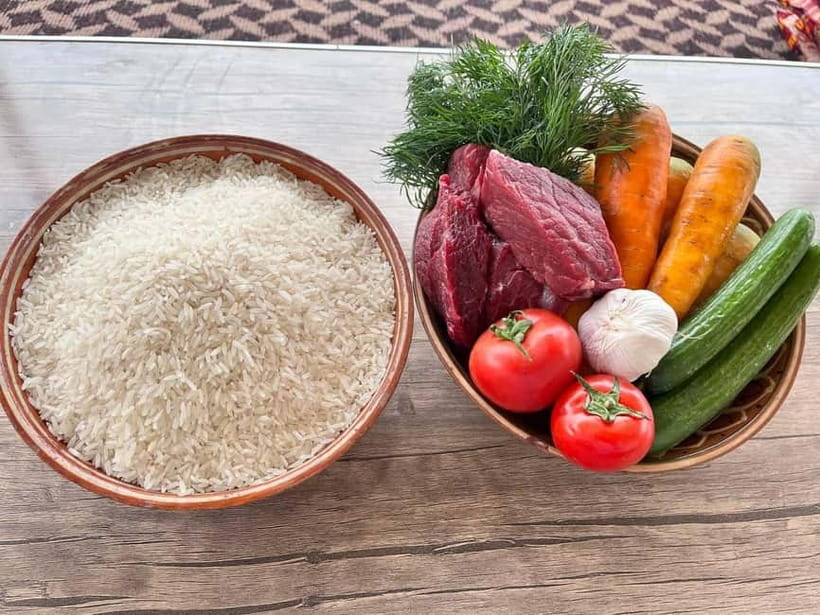
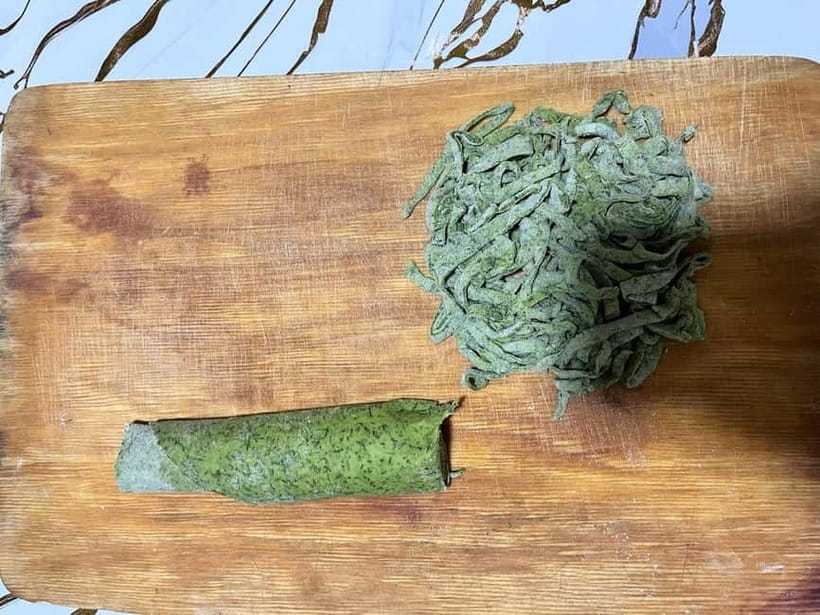
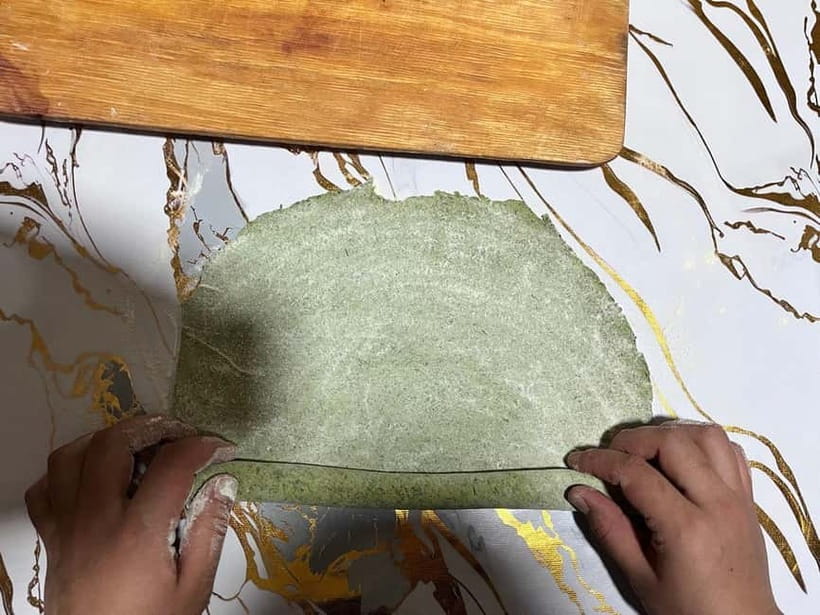
The real heart of the experience happens in the home kitchen. After the market, you’re invited into a local family setting to cook either plov or shivit oshi. This isn’t a demo where you stand behind glass. It’s hands-on, with explanations along the way.
In the home, Sarvar’s family helps out, including his mother and brothers. In several accounts, Sarvar’s mother plays a big role in the cooking, which gives you a more authentic look at how the dish is actually made. That also means you’re picking up details that don’t show up in a typical cooking class.
You’ll also get the kind of food talk that’s easy to miss on a sightseeing itinerary: conversations about cooking, local culinary traditions, and how people relate food to daily life. The vibe stays relaxed and friendly, not stiff or overly formal.
What to Expect During the Class (Hands-On, Not Just Listening)
The class itself is about 2 hours inside the home. That time balance is important. You’ll have enough opportunity to do real work—prep, cooking steps, and tasting—without feeling rushed.
Here’s how to think about the pace:
- You’ll start with ingredients you chose together at the market.
- Then you’ll move into the cooking phase with your host guiding you in English.
- You’ll learn cooking secrets passed down through generations as you go, rather than receiving a long lecture first.
If you’re the kind of person who learns best by doing, you’ll like this format. If you’re looking for a strict step-by-step culinary school experience, you might find it more conversational than technical. Either way, the end goal is clear: you sit down and eat what you helped make.
Lunch the Uzbek Home Way: Tea, Family Conversation, and Fruit
When the meal is ready, you eat like a local guest—around the table, with traditional Uzbek tea served during the meal. This is where the experience clicks into place.
What you’ll notice is how normal it feels. You’re not eating on a schedule for a tour group. You’re sharing food with the family, and you’re talking. That conversation part is one of the biggest reasons this activity feels memorable, even if you’ve done other cooking tours before.
Dessert is seasonal fruit. In accounts connected to this experience, melons and watermelons show up when they’re in season, and the fruit can be especially sweet. If you like tasting fruit in the way it’s grown and served locally, this is a nice bonus.
Recipes to Take Home (and How to Use Them)
You’ll receive recipes to take home. That matters because the best cooking classes leave you with a plan you can follow later, not just a full belly.
With these recipes, your goal shouldn’t be to copy every minute detail. Instead, use them to capture the flavor logic: what you chose at the market, what ingredients mattered most, and how the dish is built in a home kitchen. Even if your kitchen setup at home is different, the recipe sheet helps you recreate the taste with less guesswork.
A practical tip: take a quick photo of the final dish and the serving style (assuming it’s allowed in the home). The rules say no audio recording, but they don’t mention photos. Still, be polite and check if photography is fine once you’re inside.
Price and Group Size: Is $150 Worth It?
The price is $150 per group, up to 3 people, for about 2.5 hours. On paper, that can feel high compared with standard cooking classes in restaurants. The reason it costs more is also the reason it feels worth it: you’re paying for private access to a real home, a market guide who helps you choose ingredients, and the time of Sarvar plus his family.
Think of it like this:
- If you were to do market shopping + a home-cooked lunch the local way on your own, you’d still need a trusted guide, and you’d likely struggle with the invite part.
- Here, pickup and drop-off are included, and the whole experience is built around that family connection.
- You leave with recipes and you’ve learned the ingredient choices, which is the hardest part to replicate from afar.
For couples or small groups, it’s strong value. For solo travelers, it can be more expensive per person, but the private group setup means you should still get more personal attention than you would with a large class.
Clothing Rules and Home Etiquette (So You Don’t Get Stuck)
This activity has clear restrictions. For a smooth experience, note these before you go:
- No shorts and no sleeveless shirts
- No backpacks
- No smoking
- No alcohol or drugs
- No baby strollers or baby carriages
- No audio recording
Some of these are basic respect-and-safety rules, but they also affect what you should pack. Wear breathable long pants and a shirt with sleeves. Bring a small bag only, if needed, and keep electronics to a minimum.
If you follow the dress code, you’ll feel more comfortable right away. Homes can vary, and the goal is to show up as a polite guest.
Who Should Book This (and Who Might Prefer Something Else)
This is a great fit if you want:
- a home-cooked meal experience in Khiva
- hands-on cooking with guidance in English
- a market visit that teaches you how locals shop
- recipes you can actually use later
It’s also ideal if you care about hospitality as much as the food. The strongest praise tied to this experience is the warmth—being treated like a friend, not a customer.
If you mainly want a fast, low-effort activity, you might find the home setting a bit more structured than you expect. And if you’re uncomfortable with basic etiquette rules, you’ll need to plan your outfit and behavior carefully.
Should You Book This Cooking Class?
I’d book it if you’re the type of traveler who enjoys learning through everyday actions—like how people pick ingredients at the market and how a family cooks lunch. The hands-on part plus the home setting is the big win, and Sarvar’s role as an English guide keeps it easy to understand what’s happening and why.
Skip it only if you’re strictly looking for a restaurant-style class or if the dress rules and no-backpack policy would make you feel stressed.
If you have one open afternoon and you want real Khiva flavor (not just a tasting menu), this is one of the better ways to spend it.
FAQ
How long does the cooking class last?
The total experience runs about 2.5 hours. The cooking class portion is about 2 hours.
What dishes can I cook?
You’ll cook plov or shivit oshi.
Is hotel pickup and drop-off included?
Yes. You’ll be picked up from and dropped off at selected locations around Khiva.
Do we visit a market as part of the experience?
Yes. You’ll visit a local market with a guided focus on ingredients and shopping traditions.
Is this a private experience?
Yes. It’s a private group, up to 3 people.
What language is the instruction in?
The instructor provides English guidance.
What food and drinks are included?
You’ll enjoy a homemade Uzbek lunch, plus traditional Uzbek tea. Seasonal fruits are served for dessert.
Are recipes provided?
Yes. You receive recipes to take home.
Are there restrictions on what I can wear or bring?
Yes. Shorts, sleeveless shirts, and backpacks aren’t allowed. Smoking, alcohol, and drugs are also not allowed.
Is cancellation refundable, and can I reserve without paying immediately?
Cancellation is free up to 24 hours in advance for a full refund. You can also reserve now and pay later.