REVIEW · TOKYO
Master the art of Sushi : Toyosu Market Tour & Tuna Cutting
Book on Viator →Operated by Japan Food Journey · Bookable on Viator
A tuna-slicing lesson in Tokyo starts at dawn. You’ll combine a behind-the-scenes look at Toyosu with a live tuna-cutting show, then finish with sushi skills you can use later.
What I love most is seeing how freshness and standards drive every step, not just the final plate.
I also really like the hands-on chef time in Azabujuban. You’ll cut different parts of tuna, compare how they taste, and make nigiri with a lunch you’re part of.
One thing to plan around: this is an early start and you’ll spend time traveling between areas by subway or bus. If you hate transit, the day can feel longer than the 4 hours on paper—and the $297.23 price is a serious chunk of change.
In This Review
- Key highlights I’d circle on your plan
- Starting at 7:00 AM at Shijō-mae: Why the day begins early
- Toyosu Market: seeing the wholesaler world up close
- Tsukiji Jogai Market: comparing the old and the new
- Azabujuban sushi class: cutting tuna and making nigiri parts-by-parts
- Lunch: why eating what you make is the real payoff
- Price and value: is $297.23 actually fair?
- What to wear, bring, and plan for (so the day feels smooth)
- Who this tour is best for (and who should skip it)
- Should you book this Sushi and Tuna Cutting Tour?
- FAQ
- How long is the tour?
- Where does the tour start and when?
- Where does the tour end?
- How many people are in the group?
- Is there a mobile ticket?
- What do you do at Toyosu Market?
- What happens at Tsukiji Jogai Market?
- What do you do in Azabujūban?
- What’s included, and is transportation included?
- What if the weather is bad or I cancel?
Key highlights I’d circle on your plan
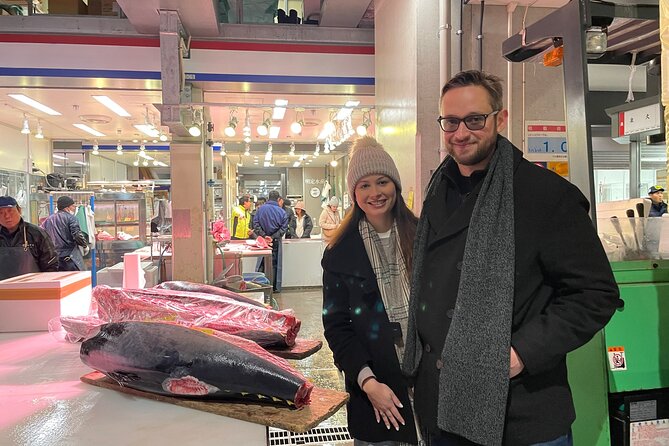
- Toyosu wholesaler access with a guide plus time to buy fish at the wholesaler
- Tsukiji Jogai Market walking stops where you can compare the old fish-market vibe vs Toyosu
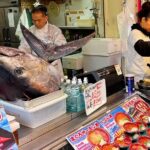
- Live tuna cutting guidance focused on fish selection and freshness standards
- Chef-led tuna cutting and nigiri prep using different tuna parts
- Included lunch made by you with tuna and sushi you prepare
- Small group size (max 6) for a more personal class feel
Starting at 7:00 AM at Shijō-mae: Why the day begins early
This tour starts at 7:00 am near Shijō-mae Station (Toyosu area). Getting going early matters here because fish markets are a work world, not a theme park. You’ll be observing real processes while they’re happening, which is exactly what makes this experience feel different from a normal food stroll.
The tour runs about 4 hours total, with a tight flow: Toyosu first, then Tsukiji, then lunch and sushi practice in Azabujuban. You should expect a schedule that moves, not a leisurely wandering day. If you like structure and want maximum food-per-hour, this works well.
And small group size (up to 6) helps a lot. In markets, it’s easier to ask questions and harder for the group to get separated. You’ll also feel less like a ticket number.
You can also read our reviews of more tours and experiences in Tokyo.
Toyosu Market: seeing the wholesaler world up close
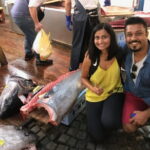
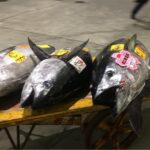
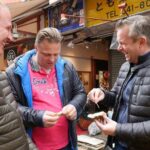
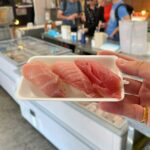
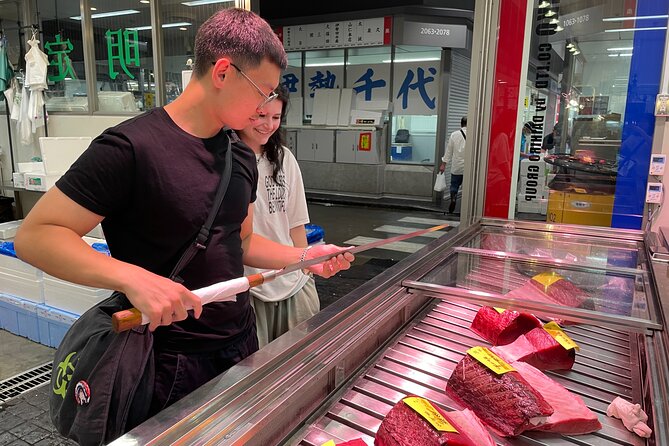
Toyosu is Tokyo’s major seafood hub and the successor to Tsukiji. In this experience, you visit the Toyosu wholesaler market with a guide for about 45 minutes, and you can purchase fish at the wholesaler.
What you’re really paying attention to in Toyosu is the logic behind seafood. Freshness isn’t a slogan here—it shows up in what’s handled, how it’s selected, and how quickly things move. Even in a short visit, having an English guide means you’re not guessing what to look for. You’ll learn what sushi professionals consider important: fish quality, freshness, and sushi-grade standards.
Practical tip: you’ll want to bring comfortable shoes and be ready to walk. Wholesaler areas can involve quick pacing, uneven surfaces, and lots of activity. Also, if you plan to buy fish, confirm with your guide on timing and practical handling so you’re not stuck figuring it out on your own.
Another good point for your peace of mind: the admission at Toyosu is listed as free, which helps the value equation when you’re weighing price vs what’s included.
Tsukiji Jogai Market: comparing the old and the new
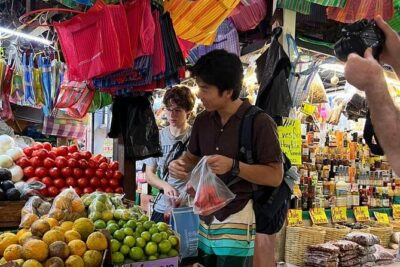
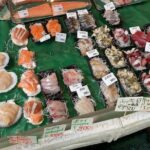
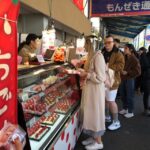
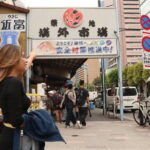
After Toyosu, you head to Tsukiji Jogai Market for about 1 hour, including travel time between areas. The focus is less on one big landmark and more on store-to-store sampling while you eat and walk around.
This stop is where you can notice differences between Tsukiji and Toyosu without turning it into a confusing history lesson. It’s the practical kind of comparison: how the market area feels, what you see people shopping for, and how the food culture plays out street level.
What I like about the way this is set up is that you’re not stuck only watching fish; you’re also getting your bearings with food on the ground. Walking while eating keeps your energy up, and it gives you a sense of the broader seafood ecosystem—how markets connect to neighborhood shops.
One caution: between Toyosu and Tsukiji, and then later to Azabujuban, you will spend time in transit by subway or bus. The exact amount varies day to day, but plan like it’s a real part of the experience. If you hate waiting and switching lines, this is the part that can feel the most annoying.
Azabujuban sushi class: cutting tuna and making nigiri parts-by-parts
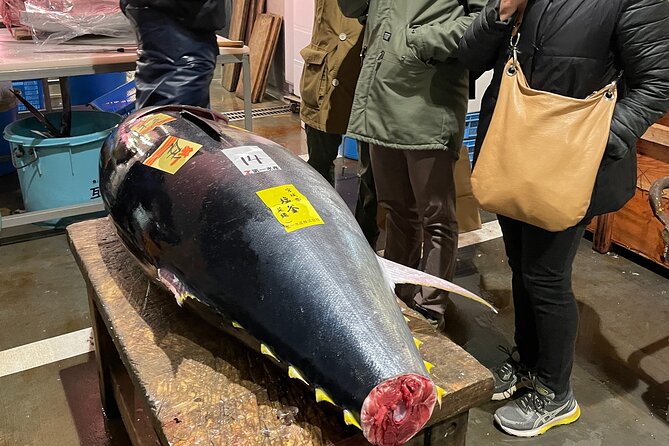
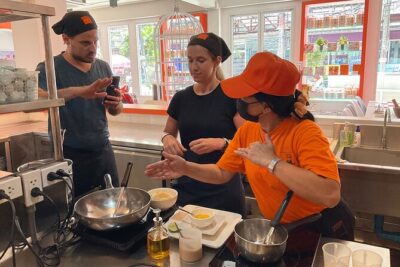
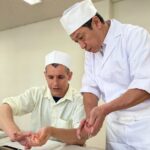
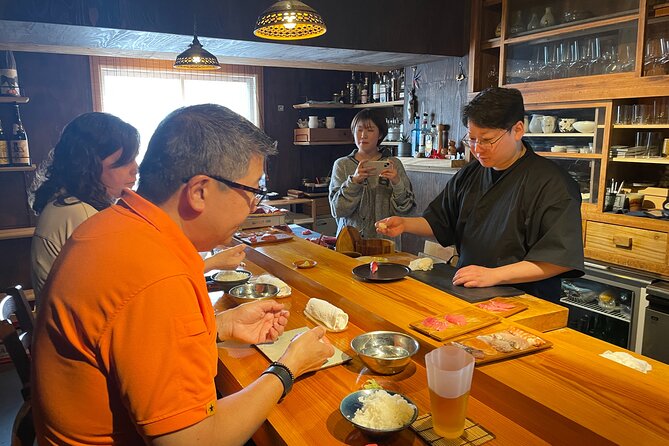
The highlight section happens in Azabujuban at a Japanese restaurant, where you spend about 1 hour 30 minutes with a sushi chef. This is where the tour turns from “watching” to doing.
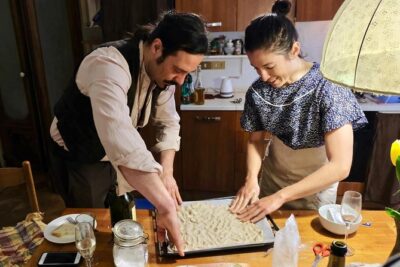
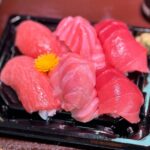
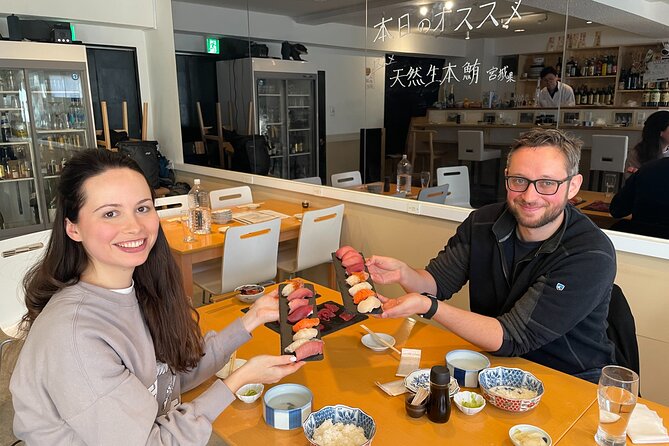
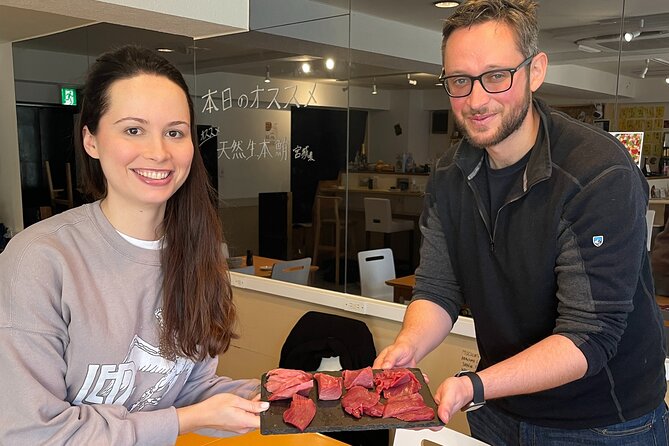
You’ll learn the tuna-cutting process and create nigiri sushi. The chef guides you through working with different tuna parts so you can compare taste and texture—fatty, middle, and lean. That comparison is the point. Anyone can order tuna nigiri, but learning why certain cuts are used and how they change the eating experience makes your next sushi meal make more sense.
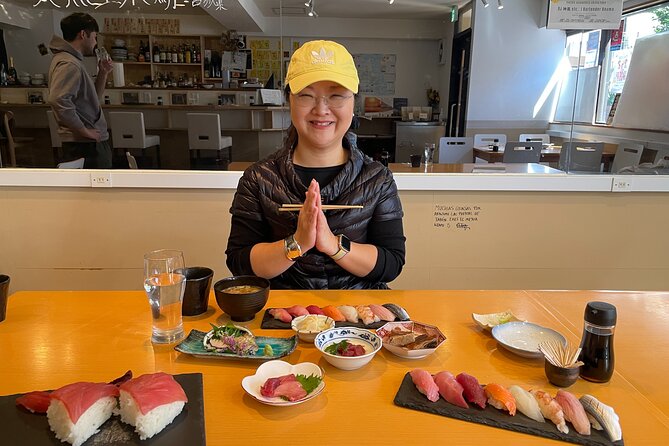
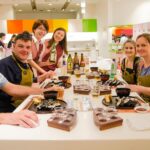
This stop also comes with lunch included: tuna and sushi made by yourselves. That matters for value. You’re not paying only for demonstrations; you’re paying for instruction plus food you can actually taste right away, based on what you just practiced.
A small-group class also helps here. When only up to 6 people are in the restaurant activity, the chef can keep an eye on what you’re doing and correct mistakes before they become bad habits. You’ll feel like you’re participating rather than standing and hoping for a photo.
If you’re a tuna fan, this is where you’ll get the “why” behind the flavor. You’ll likely come away thinking about fat level, softness, and how each part behaves when shaped into nigiri.
Lunch: why eating what you make is the real payoff
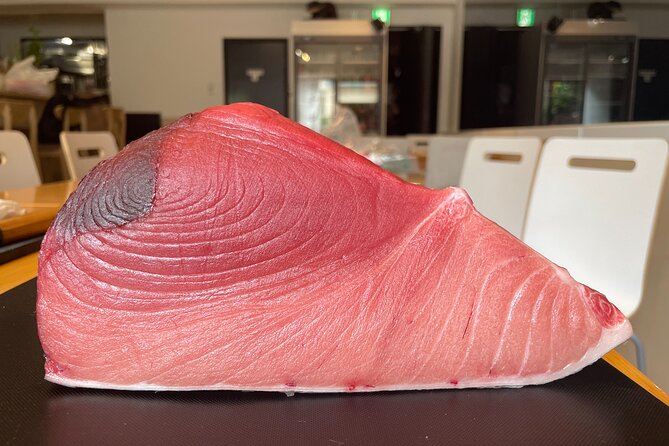
Included lunch isn’t just a nice extra—it’s how you turn technique into understanding. After cutting tuna and making nigiri, you eat what you made while the lesson is still fresh.
That timing is key. It’s one thing to hear about sushi-grade standards; it’s another to taste how your choices and prep translate into flavor. You also get to compare your own versions of nigiri as the different tuna parts come into play.
If you’re planning a Tokyo food trip, this is the kind of activity that prevents decision fatigue later. You’ll know what you’re ordering and what you want to pay attention to, whether it’s fat level, texture, or how tuna is treated before serving.
One more practical note: since lunch is included, you can keep your budget calmer. You’re not trying to figure out where to eat right after a market visit when everyone’s hungry and jet-lagged.
Price and value: is $297.23 actually fair?
At $297.23 per person, this tour isn’t a bargain. It’s priced like an instruction-based food experience: market guiding, live tuna cutting, chef-led practice, and a lunch you make yourself.
Here’s how I’d judge the value for you:
You’ll feel it’s worth it if:
- You want hands-on instruction, not just a viewing tour.
- You’re serious about tuna and want to learn the logic behind sushi-grade selection.
- You like small-group experiences (max 6) where questions actually get answered.
You might hesitate if:
- You expect a mostly passive market walk. This is action-heavy in the best way, but it’s not a slow stroll.
- You dislike transit time. The stops are spread out, and local transport isn’t included in the price.
Also remember: transportation between stops is by subway or bus, but those costs aren’t included. That means your real total can be a bit higher depending on how you pay and what day you go. Build that into your budget.
The good news? Admission is free or included at key segments, and lunch is covered. Those are concrete inclusions, not vague promises.
What to wear, bring, and plan for (so the day feels smooth)
Because this is market-to-restaurant with walking and transit, a little prep goes a long way.
Bring:
- Comfortable shoes (you’ll be walking in market areas)
- Your appetite (you’ll end with lunch you prepare)
- A plan for local transit costs since it’s not included
Wear:
- Breathable clothes for early morning and possible crowd-level movement
- Layers, since Tokyo mornings can feel cool and then warmer later
Plan:
- Give yourself extra buffer for getting to the 7:00 am start on time. Missing the start time can throw off the entire flow.
- If you’re sensitive to travel time, mentally group this tour into a “morning market + class day” rather than a strict 4-hour activity.
And one more thing: good weather is required. If weather is poor, you’ll be offered a different date or a full refund. That’s worth factoring into your planning window.
Who this tour is best for (and who should skip it)
This tour fits best if you’re one of these types:
- You love sushi and want a deeper reason behind tuna choices, not just a meal.
- You’re happy with an early start and want a full sensory food day.
- You like learning from a real chef, including hands-on prep like nigiri shaping and tuna cutting.
- You want a small group experience where you can ask questions.
You might skip it if:
- You’re only interested in eating market food and want minimal instruction.
- You strongly dislike using public transit.
- You’re on a tight budget and want the cheapest way to see Toyosu.
If you’re excited by the idea of comparing tuna parts—fatty, middle, lean—this is one of the clearest ways to do it in a short Tokyo schedule.
Should you book this Sushi and Tuna Cutting Tour?
I’d book it if your top goal is tuna and sushi technique. The combination of Toyosu market access, a tuna-cutting experience, and a chef-led cutting and nigiri session makes this more than a typical food tour.
I wouldn’t book it if you’re expecting a relaxed half-day with minimal travel and low cost. The price is premium, and transit is real between locations. Also, because the tour requires good weather, you’ll want some flexibility in your dates.
If you can handle an early start and you’re willing to spend a chunk of money for real instruction and lunch, this is a strong choice.
FAQ
How long is the tour?
It lasts about 4 hours (approx.).
Where does the tour start and when?
It starts at 7:00 am at Shijō-mae Sta. 6 Chome-3 Toyosu, Koto City, Tokyo 135-0061, Japan.
Where does the tour end?
The tour ends in Azabujūban at 3-chōme-3-4 Azabujūban, Minato City, Tokyo 106-0045, Japan.
How many people are in the group?
The tour has a maximum of 6 travelers.
Is there a mobile ticket?
Yes, the tour uses a mobile ticket.
What do you do at Toyosu Market?
You visit the Toyosu wholesaler market with a guide (about 45 minutes). You can purchase fish at the wholesaler.
What happens at Tsukiji Jogai Market?
You visit various stores while eating and walking around (about 1 hour). This includes travel time and helps you compare Tsukiji and Toyosu Market.
What do you do in Azabujūban?
You cut tuna and make nigiri sushi with a sushi chef at a Japanese restaurant, including tasting and comparing different parts of tuna.
What’s included, and is transportation included?
Lunch is included (tuna and sushi you make yourself), along with an English guide. Transportation within the tour is by subway or bus, but those costs are not included.
What if the weather is bad or I cancel?
The experience requires good weather. If it’s canceled due to poor weather, you’ll be offered a different date or a full refund. You can cancel up to 24 hours in advance for a full refund.