REVIEW · SEOUL
Korean Palace and Market Tour in Seoul Including Insadong and Gyeongbokgung Palace
Book on Viator →Operated by KOREA TOUR (DMZ TOUR) · Bookable on Viator
Palaces by day, markets by afternoon. This Seoul day trip links UNESCO royal sites with old-school temple space and classic shopping streets, with a guide who keeps the story clear as you walk.
I love the small-group pacing and the way guides such as Lizzy, BK, and Miel keep everyone moving without turning it into a race. I also like the pairing of palace + museum + garden, so you understand what you’re seeing instead of just snapping photos.
One drawback to plan for: the schedule includes a ginseng center and time around duty-free shopping, so you’ll want to treat those stops as optional browsing if you’re not into retail. And if your visit falls on certain weekdays, you may get palace substitutions (Deoksugung or Changgyeonggung).
In This Review
- Key things you’ll notice on this Seoul tour
- A first-time Seoul route through palaces, temples, and markets
- Jogyesa Temple and the Blue House viewpoint stop
- Gyeongbokgung Palace and the National Folklore Museum: royal power, everyday life
- Weekday change note
- The ginseng center and lunch timing (and how to handle the shopping stops)
- Changdeokgung Palace and the Huwon Rear Garden walk
- Weekday change note
- Insadong Antique Alley: souvenirs with character
- Namdaemun Market: the big traditional-market experience
- How the logistics shape a fun day (8.5 hours, coach, and walking)
- What makes the guides matter on this tour
- Who should book this Seoul palaces and markets day trip
- Should you book this Seoul palace and market tour?
- FAQ
- How long is the tour and what time does it start?
- Is hotel pickup and drop-off included?
- Are admission fees included for the palace and museum stops?
- Is there a lot of walking?
- What shopping stops are included?
- Can I cancel for a full refund?
Key things you’ll notice on this Seoul tour
- UNESCO palace focus: Gyeongbokgung and Changdeokgung get the main stage time
- Temple with real atmosphere: Jogyesa’s entrance trees and main hall history set the tone early
- Museum stops that explain everyday Korea at the National Folklore Museum
- Insadong Antique Alley shopping time built around craft shops and teahouses
- Namdaemun Market bargain energy with Korea’s big traditional-market feel
- One guided day, hotel pickup included in an air-conditioned coach
A first-time Seoul route through palaces, temples, and markets
If you want one day that helps you get your bearings fast, this tour is a strong way to do it. You’ll start with spiritual Seoul at Jogyesa Temple, then shift to the royal world at Gyeongbokgung Palace, and finish with neighborhood-life shopping at Insadong and Namdaemun Market.
The best part is the order. You see the big palace sights while your eyes are fresh, you take a breather with a museum and lunch, and then you spend the afternoon browsing the kind of places locals actually use for gifts, snacks, and small finds.
Also, the day runs on a real plan. The group size stays small (up to 30), the vehicle is air-conditioned, and you’ll get hotel pickup and drop-off—so you’re not hunting transit with a tired head.
You can also read our reviews of more tours and experiences in Seoul.
Jogyesa Temple and the Blue House viewpoint stop
Your morning begins at Jogyesa Buddhist Temple, the chief temple of the Jogye Order. The entrance lines you with locust and baeksong trees, which makes the approach feel calmer than the traffic outside the gates.
Inside, you’ll see a main hall that dates to about 500 years ago, and you’ll also spot a statue of an enlightened Buddha. Even if you’re not a deep Buddhism-scholar, the setting helps you read the space. It’s quiet focus after the bustle of Seoul streets.
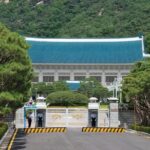
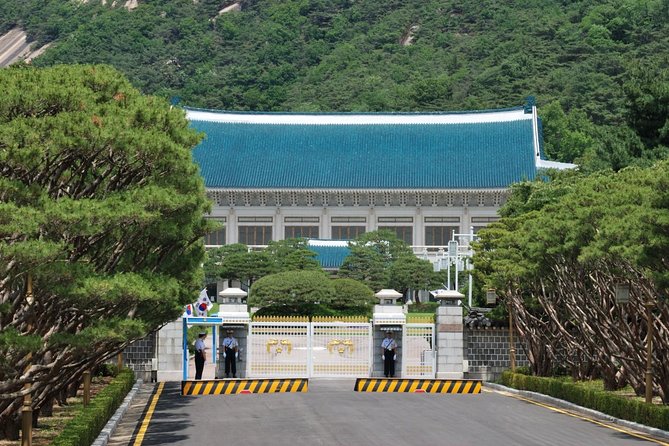
After that, the tour includes a look at the Blue House area (the official residence and office of South Korea’s head of state). Even when it’s just a roadside drive-by, it’s a useful context stop. It anchors the modern country while you’re on your way to the Joseon-era royal sites.
Gyeongbokgung Palace and the National Folklore Museum: royal power, everyday life
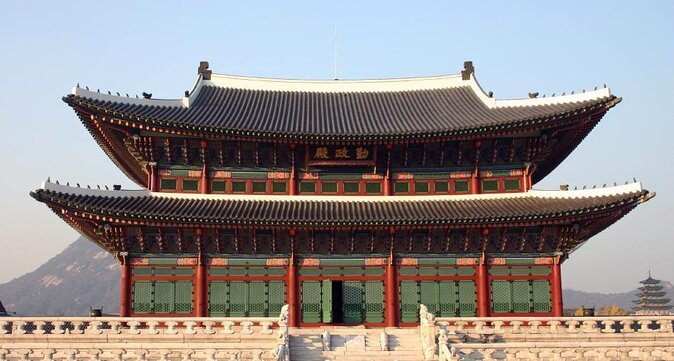
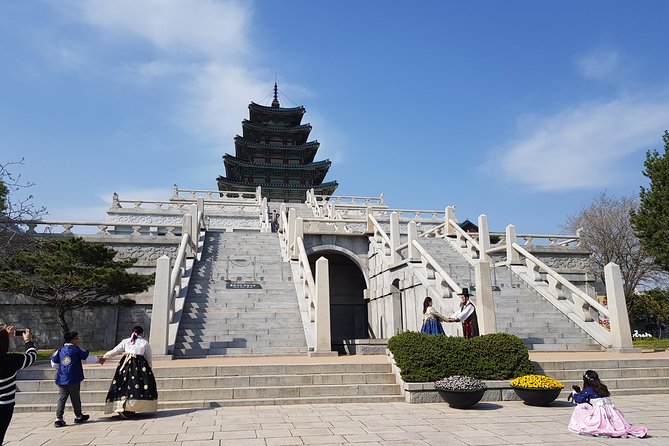
Next comes Gyeongbokgung Palace, the largest of the Five Grand Palaces and the first royal palace built in 1395. Much of it was destroyed during the Japanese occupation, so you’ll notice restoration projects at work. That’s important, because the palace isn’t just a photo spot—it’s a living effort to bring history back.
You’ll walk the grounds with your guide and spend time around gates, pavilions, and key royal halls (the included entry makes this stop worth the money on its own). If you’re watching K-dramas, it’s the kind of place that suddenly makes the sets feel real.
Then you’ll head to the National Folklore Museum on-site. This is one of the smartest parts of the itinerary. Instead of treating Korean history as only kings and battles, the museum uses exhibitions and replicas to show how ordinary people lived from ancient times through the 20th century.
I like this museum stop because it changes how you interpret palace life. After you’ve seen daily tools and household details, the palace buildings aren’t just big roofs anymore—they’re part of a whole social world.
Weekday change note
If Gyeongbokgung is closed (Tuesdays), the tour swaps in Deoksugung Palace and includes the Seoul Museum of History there. It keeps you in the palace-and-context lane even when schedules shift.
The ginseng center and lunch timing (and how to handle the shopping stops)
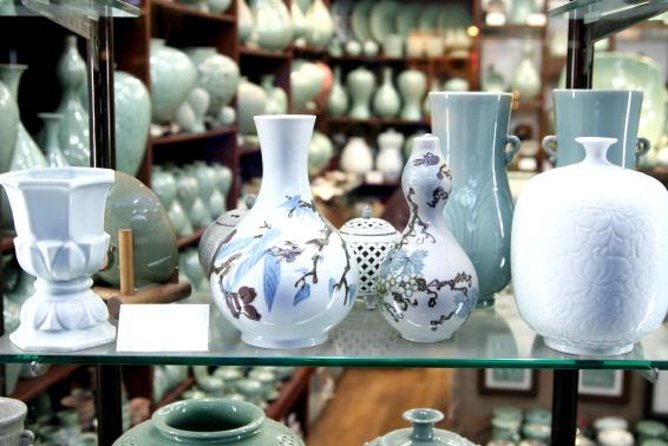
Around midday, the tour stops at a ginseng center before lunch. This is included, and it’s clearly part of the tour’s retail model. If you’re curious, it can be an easy cultural stop—Korea loves traditional health products, and the process of how they market and explain them is part of the story.
If you’re not into sales, don’t panic. You can treat it like a quick educational break, use the time for a short reset, and then focus on lunch and the next palace.
Lunch is included at a local restaurant. Based on the overall vibe of the tour (smooth schedule, short walking bursts), this is planned as a real rest window, not just a quick bite before shopping.

Changdeokgung Palace and the Huwon Rear Garden walk
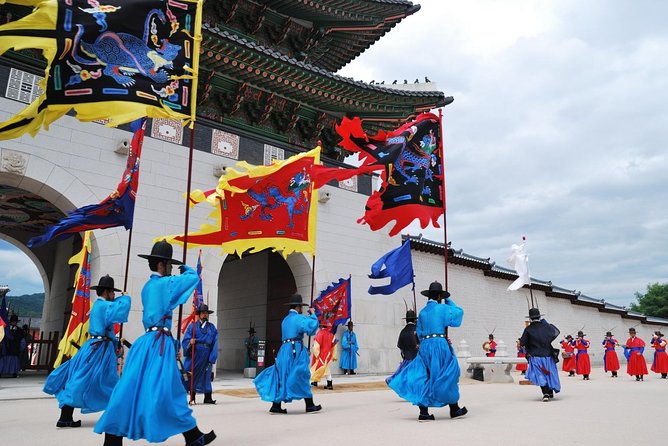
After lunch, you move to Changdeokgung Palace, another Joseon royal palace and a UNESCO World Heritage site. This place feels different from Gyeongbokgung: the design works with nature, and you can feel why it became a favorite royal residence.
You’ll explore grand pavilions and major gate areas, then spend time in the landscaped Huwon (Rear Garden). The highlights include Geumcheongyo Bridge and views through lotus ponds, lawns, and rows of trees and seasonal flowers. It’s a good pairing with the morning palace-and-museum stops because it slows the pace just enough to let the details register.
One practical point: even with guided timing, garden areas mean you’ll still walk. Wear comfortable shoes, especially in summer or on rainy days when the ground can get slick.
Weekday change note
If Changdeokgung is closed (Mondays), the tour swaps in Changgyeonggung Palace, another one of the Five Grand Palaces, so you still get that Joseon-palace architecture focus.
Insadong Antique Alley: souvenirs with character
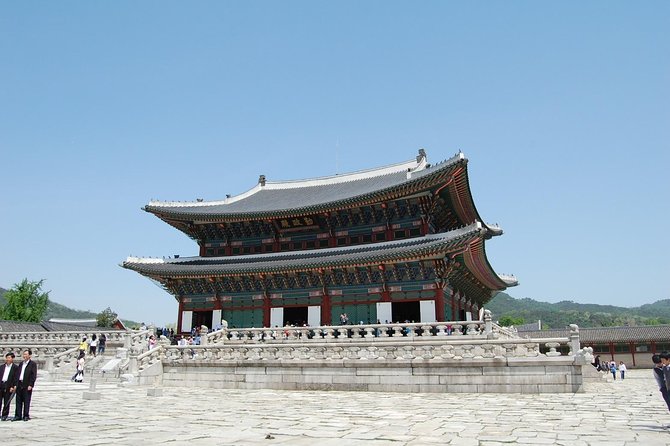
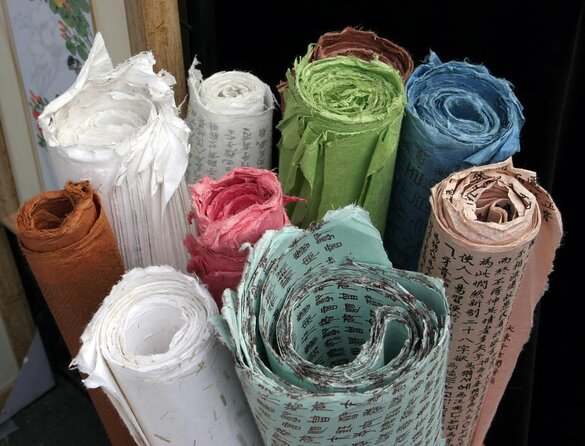
Now you hit Insadong, and specifically the Antique Alley area. This is where Seoul turns into small streets, shopfronts, and hand-made details. You’ll wander with your guide through craft galleries and teahouses, with plenty of chances to look at antique-style items and local artwork.
I like Insadong on an organized tour because it prevents the usual beginner problem: you end up wandering aimlessly and paying too much. Here, you get a set block of time to browse, compare, and ask questions—then you can shop with a clearer plan.
The tour also includes time around duty-free shops after Insadong. This is another retail-friendly moment. If you’re sensitive to sales pressure, keep your goals simple: pick one or two souvenir categories, and don’t let the shopping stop stretch beyond its allotted window.
Namdaemun Market: the big traditional-market experience
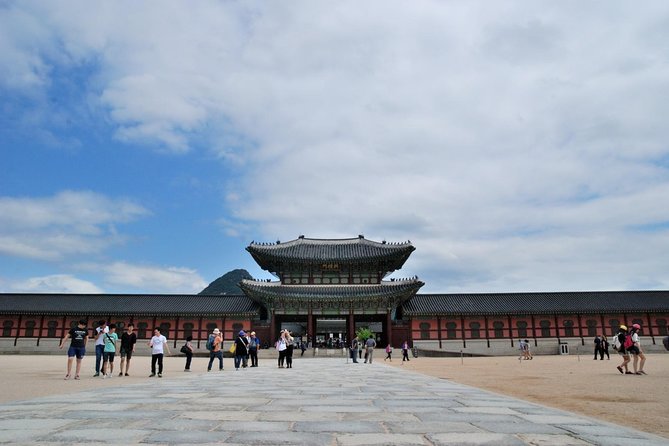
The final major stop is Namdaemun Market, described as Korea’s largest traditional market. It opened in 1964, and it has the feel of a real supply-and-demand marketplace—wide aisles, lots of categories, and plenty of choices when you’re trying to bring items home.
You’ll have about 30 minutes here, which is short enough to force decisions. That’s actually helpful. If you want a true market binge, you’ll need a longer separate visit later. For this tour’s goals, Namdaemun gives you the big taste: snacks, small goods, everyday items, and souvenir options you’ll actually recognize from the streets.
My advice: go in with a mental list (for example, one edible snack category and one gift category). In 30 minutes, that list will save you from decision fatigue.
How the logistics shape a fun day (8.5 hours, coach, and walking)
This tour runs about 8 hours 30 minutes and starts at 8:30 am. You’re on the move all day, but it’s not wall-to-wall walking. The sites are scheduled in manageable blocks with breaks built in between.
Because you’ll walk through palace courtyards, temple grounds, and market streets, comfortable shoes are not optional. The tour notes a moderate amount of walking, which I take seriously—your feet will do the heavy lifting, not your imagination.
The coach is air-conditioned, and pickup and drop-off are included. Also, you’ll receive a mobile ticket, which is handy if you don’t want to juggle paper.
Group size is capped at 30, and the overall feel from guide style is that they keep things organized. I’ve seen guides on similar format tours let the timing drift, but the strong feedback around this one points to efficient pacing and guide control.
What makes the guides matter on this tour
This is the kind of itinerary where the guide really changes the whole experience. When your guide explains what you’re seeing—like why Gyeongbokgung was built in 1395, or what the Huwon garden elements mean—your photos improve and your understanding sticks.
The feedback for specific guides has been consistently positive: Lizzy and AJ get credit for being organized and energetic, while BK stands out for translating Joseon details clearly. Miel and Daria also show up in the praise as friendly and focused on keeping the group comfortable and engaged.
There are a couple of caution flags, too. One issue that can come up on this format is vehicle shuffling or feeling packed when groups get reorganized. Another is retail push—if you strongly dislike shopping stops, you’ll want to keep your expectations realistic. This tour includes shopping center time, so treat it as part of the day rather than an unexpected add-on.
Who should book this Seoul palaces and markets day trip
Book it if you want:
- A first-day Seoul orientation that mixes major palaces, a top temple, and two market areas
- A tour with clear guidance so the sites don’t feel like random stops
- One included meal and an efficient route so you don’t spend your only free day solving transit
Skip (or pair with your own plans) if you:
- Hate shopping stops and want pure sightseeing time only
- Want more time inside each palace beyond guided blocks
- Prefer a slow, unstructured day where you can linger for hours
If you’re solo, this can be a good fit because you still get social confidence from a group while having enough freedom to browse in markets. Families can also work well if everyone’s okay with a full day of walking.
Should you book this Seoul palace and market tour?
I’d book it if your priority is a smooth, guided snapshot of Seoul’s royal heritage plus real market browsing, all in one long day. The value is in the combination: UNESCO palaces that teach you something, a museum that adds context, and market time that lets you bring a few things home.
The choice is less ideal if you’re only interested in temples and palaces and don’t want any shopping center stops. In that case, you might prefer a palace-only day or build your own market visit when your interests are in control.
If you do book, I’d do two things: wear comfortable walking shoes, and decide ahead of time what you’re shopping for at Insadong and Namdaemun so the day stays fun instead of stressful.
FAQ
How long is the tour and what time does it start?
The tour runs about 8 hours 30 minutes and starts at 8:30 am.
Is hotel pickup and drop-off included?
Yes. You get round-trip pickup and drop-off by coach.
Are admission fees included for the palace and museum stops?
Yes for the major sights listed (Gyeongbokgung Palace, National Folklore Museum, and Changdeokgung Palace). Jogyesa Temple entry is listed as free.
Is there a lot of walking?
There is a moderate amount of walking. Comfortable walking shoes are recommended.
What shopping stops are included?
The tour includes one shopping center (a ginseng center) and also includes time around duty-free shops during the Insadong portion.
Can I cancel for a full refund?
You can cancel for a full refund up to 24 hours before the experience starts. If you cancel within 24 hours, the amount paid isn’t refunded.