REVIEW · ZANZIBAR CITY
Zanzibar: Stone Town Heritage & Slave Market Tour
Book on GetYourGuide →Operated by Tropianza Adventures Ltd · Bookable on GetYourGuide
Stone Town hits you fast: old streets, big stories, sea air. I love the clear arc of this walk—from Forodhani Gardens to the Former Slave Market—and I also like how you get both landmarks and everyday Zanzibar, like shopping lanes and snack stops. It’s a history-and-people tour, not just a photo loop.
The main thing to consider is that it’s a walking tour through old streets and sites, so it’s not suitable for people with mobility impairments. Also, weather can change plans, so pack for hot sun or rain.
What keeps it feeling human is the guide style. Guides like Saleh and Haji are known for local insight and flexibility, including tailoring the route to what you actually care about. If you want Stone Town context without getting lost, this is a solid $19-value way to get your bearings.
In This Review
- Key highlights worth your attention
- Forodhani Gardens bandstand: the start that sets the tone
- House of Wonders and Old Fort: architecture that explains Zanzibar’s mix
- Freddie Mercury’s childhood home photo stop and the Tanzanite Museum
- St Joseph’s Cathedral and Jaws Corner: places where the city breathes
- Darajani Market and Memories of Zanzibar: shopping with context
- Former Slave Market and Anglican Cathedral: the emotional center
- Price and logistics for a $19 Stone Town walk
- Should you book this Zanzibar Stone Town Heritage & Slave Market tour?
- FAQ
- Where does the tour start?
- Where does the tour end?
- What is included in the $19 per person price?
- Is the Freddie Mercury Museum included?
- What should I bring for the walk?
- Is the tour suitable for people with mobility impairments?
Key highlights worth your attention
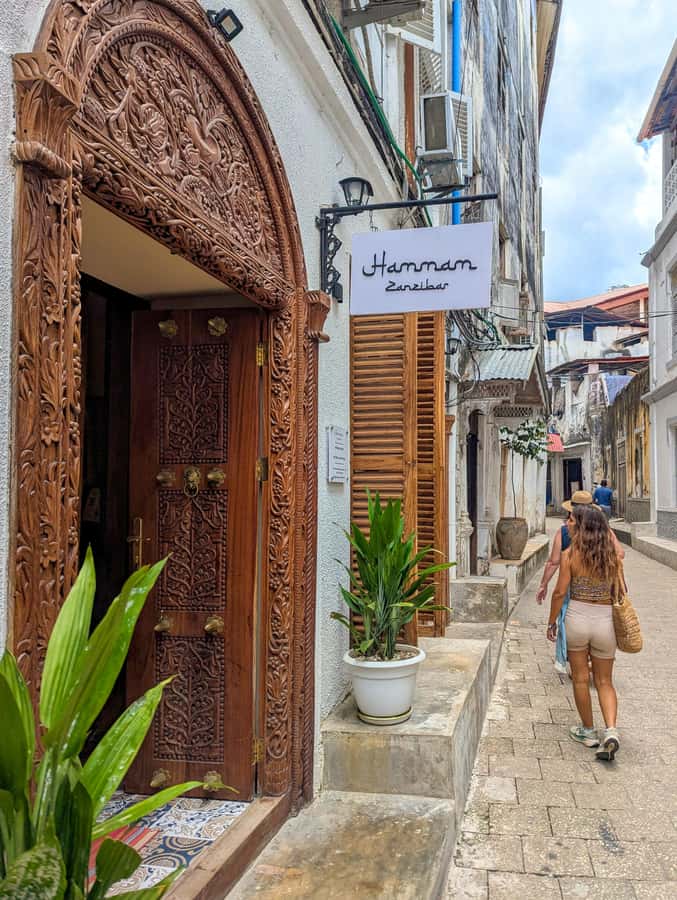
- Forodhani Gardens bandstand start for an easy meet-up right by the main sights
- House of Wonders + Old Fort to connect Zanzibar’s Swahili, Arab, Indian, and European layers
- Freddie Mercury childhood home photo stop plus optional paid museum entry
- Tanzanite Museum to understand the story behind Zanzibar’s famous blue stone
- Darajani Market + Memories of Zanzibar for hands-on shopping and street-snack flavor
- Former Slave Market & Anglican Cathedral for the most serious, important stop on the route
Forodhani Gardens bandstand: the start that sets the tone
You begin in the middle of Stone Town’s daily life at the bandstand in Forodhani Gardens. The location is practical: you meet in the center of the gardens, opposite the House of Wonders and next to the Old Fort, so you don’t waste time searching for your group.
This is a smart opening because you get the sensory “Zanzibar cue” right away—sea breeze first, then the smell of spices drifting through the area. That matters because Stone Town isn’t a museum you move through with your eyes only. It’s a living place where history is literally next to people going about their day.
I also like that the tour starts with a gentle ramp into the city’s texture. You’re not thrown immediately into the hardest subject matter. Instead, the route builds from atmosphere and architecture into the bigger stories later.
If you’re the type who likes to understand the neighborhood before you start photographing it, this start works well. And if you’re heat-sensitive, plan to protect yourself early—bring your hat and sunscreen, because Stone Town sun can show up quickly.
You can also read our reviews of more tours and experiences in Zanzibar City.

House of Wonders and Old Fort: architecture that explains Zanzibar’s mix

After Forodhani, the walk moves into two heavyweight sites that help you read Stone Town like a map with clues.
The House of Wonders stop is about more than a famous building name. It’s presented as a symbol of Zanzibar’s layered heritage—Swahili, Arab, Indian, and European influences all in one place. Even if you’ve never studied Zanzibar before, this kind of framed explanation gives you a way to connect what you’re seeing to why it looks the way it does.
Then comes the Old Fort, another anchor point for understanding the island’s past. The guide-led walk through these areas is where you’ll get the “why” behind what you notice: styles, eras, and the way different communities left their marks on the streets around you.
One practical benefit: you’ll likely spend less time trying to figure out what’s important. These sites are the kind of landmarks that help you orient yourself through the rest of Stone Town—so you can enjoy the smaller alleys without feeling like you’re guessing.
One drawback to keep in mind: Stone Town streets can be uneven. Even with comfortable shoes, you’ll want to watch your step, especially if the weather turns damp.
Freddie Mercury’s childhood home photo stop and the Tanzanite Museum
This tour gives you a pop-culture moment, but it’s not all fluff.
You get a photo stop at Freddie Mercury’s childhood home, timed as an easy, quick highlight. If you’re a fan, it’s a satisfying way to feel the connection between Zanzibar and the global music story. If you’re not, it still works as a memorable marker that makes Stone Town feel personal.
Right after that, you’ll visit the Tanzanite Museum. This is where the tour adds a very Zanzibar-specific angle: the rare blue Tanzanite story. You’ll get context that helps the stone make sense beyond “cool blue rocks for sale.” It’s also useful if you’re curious about how the trade and local identity connect.
This two-part sequence—Mercury first, then Tanzanite—also breaks up the emotional weight of the day. It gives your brain room to reset while still keeping the focus on Zanzibar’s identity.
Keep your wallet plan simple here: entry to the Freddie Mercury Museum is optional and costs $8 per person. If you’re curious, pay that extra fee. If you’d rather spend your money on local craft shopping later, skip it and still keep the Mercury moment with the photo stop.
St Joseph’s Cathedral and Jaws Corner: places where the city breathes
Not every stop is a major “site.” Some are where Zanzibar feels most real.
You’ll walk by St. Joseph’s Cathedral and see its Gothic architecture up close. This helps you round out the religious and cultural influences you’ve been hearing about. It also gives you a clear visual break from the forts and heritage buildings—good for your legs and for your eyes.
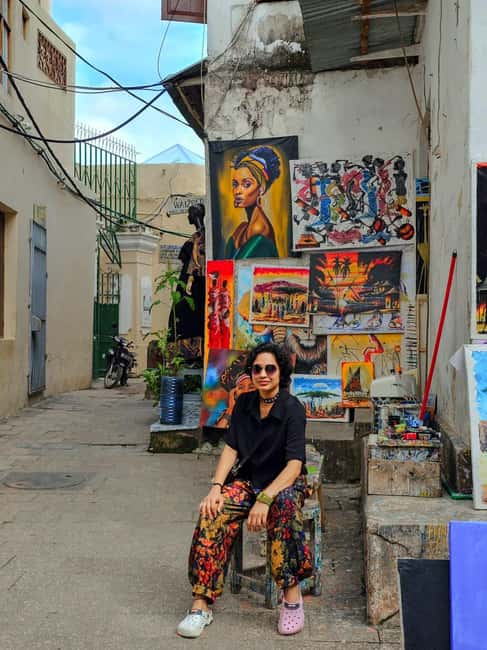
Then there’s Jaws Corner, described as a local hangout. I like this kind of stop because it signals the tour isn’t only about big historical facts. It’s also about how people actually occupy the streets now—where they pause, meet, and watch the world go by.
You may notice the tour leans into everyday rhythm with local snack opportunities. That’s a big part of why this tour feels practical. You get to taste Zanzibar along the way instead of treating food like an afterthought.
Tip: treat snack breaks as optional, not mandatory. If you’re full after trying a couple things, you can keep walking. If you’re hungry, this is exactly when you’ll want to stop, because Darajani and the shopping lanes later can be a lot for your stomach and head.
Darajani Market and Memories of Zanzibar: shopping with context
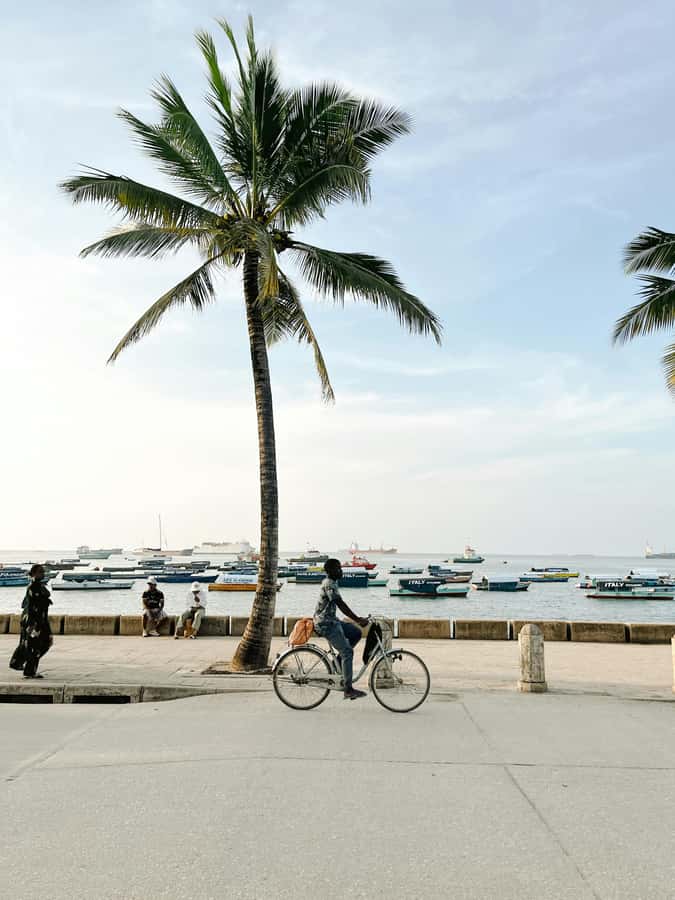
Next up is Darajani Market, where you’ll see colors, spices, fresh produce, and handmade goods. It’s an intentionally busy-feeling stop, and that’s the point. Markets are where you see what people buy, what they sell, and which products keep showing up in daily life.
This is also where your guide helps more than you might expect. A guide can point out what’s worth looking at, what to ask about, and how to navigate the flow without getting swept up in it. You’ll get shopping opportunities at Memories of Zanzibar, so you can turn the walk into a souvenir hunt that feels connected rather than random.
I like how this portion is built for both travelers who want shopping and those who don’t. Even if you’re not buying, standing in a market gives you texture you can’t get from a single landmark photo.
Two smart ways to make this stop work for you:
- Go with a short list. For example: spice samples, textiles, or small crafts. That keeps you from overspending when everything looks tempting.
- Ask your guide what they recommend. Not because you need an expert’s permission, but because it saves you time.
Also, because this is a walking day through active areas, bring your patience. If you get overwhelmed, focus on one lane or one product category and let the rest be background noise.
Former Slave Market and Anglican Cathedral: the emotional center

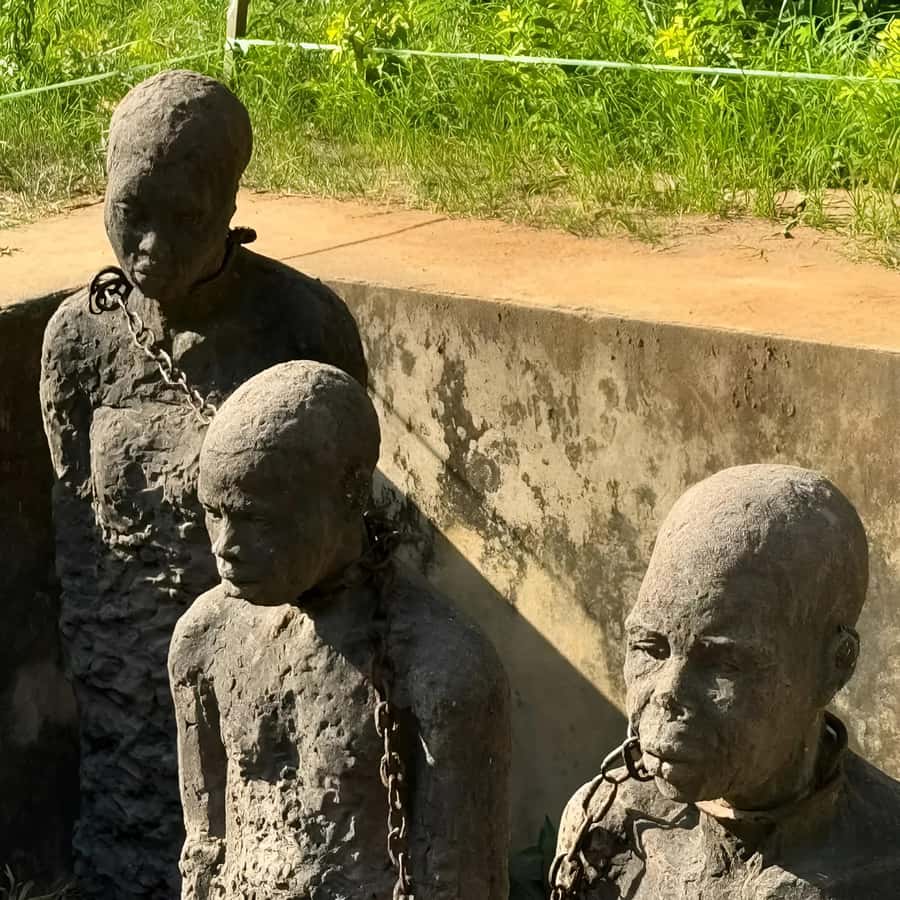
This is the hardest and most important part of the walk: a visit to the Former Slave Market and the Anglican Cathedral. The tour frames it as a chance to learn about Zanzibar’s complex past and the fight to end the trade.
Even if you’ve read about the trade before, being physically there adds weight. It’s also exactly why this tour is worth doing with a licensed local guide. The guide’s job here isn’t to sensationalize. It’s to connect the location to the history and the moral story in a clear, respectful way.
I appreciate that the tour includes this stop at the end. By then, you’ve already walked through architecture, markets, and everyday Zanzibar life. So the final message lands harder: this city holds trauma alongside culture.
A practical note: expect the mood to shift. If you’re traveling with kids or you prefer lighter content, plan how you’ll handle this moment. The tour’s value comes from including it, so if that’s not for you, you might want a different Stone Town option.
Price and logistics for a $19 Stone Town walk
At $19 per person, this tour is priced for real value in a city where independent navigation can get confusing fast. The key is what’s included: an expert licensed local guide, entrances to the Former Slave Market & Anglican Cathedral, a guided walk through major heritage stops, and a guided market and shopping portion.
It also includes hotel pickup and drop-off in Stone Town, plus bottled water during the tour. Those small conveniences add up. In Stone Town, saved time and reduced hassle are part of the experience, especially if you’re balancing beach time, spice tours, or short city stays.
A couple other practical points that matter:
- The meeting point is specific: the bandstand in Forodhani Gardens (center), opposite the House of Wonders and next to the Old Fort.
- The end point returns you to the meeting point, so you’re not stranded.
- Language support includes English, French, German, Italian, Spanish, Swahili, Polish.
If you like flexibility, this tour can fit. Guides such as Saleh are praised for being helpful on short-notice bookings and for adjusting the route to your interests, even skipping items that don’t appeal to you.
There’s also an optional add-on: the Freddie Mercury Museum costs $8 per person. Think of it as your control knob. Want more music history? Pay for it. Prefer to spend time shopping and walking? Skip it and keep your budget intact.
If you’re booking through Tropianza Adventures Ltd, you’ll also see the reserve-and-pay-later style option, which can help if your plans are still shifting.
Should you book this Zanzibar Stone Town Heritage & Slave Market tour?
Book it if you want Stone Town to make sense, fast, with a guide-led route that connects architecture, daily life, pop-culture stops, and the most serious historical location on the island. This is a good fit for you if you enjoy walking, want local context, and like the idea of markets and heritage in one day.
Consider a different option if you have mobility limitations, because the tour is not suitable for people with mobility impairments and relies on comfortable shoes over old streets. Also consider your comfort level with the Former Slave Market topic—this is the emotional center of the walk.
Finally, do this tour early in your Stone Town time. It acts like orientation. Once you understand the major anchor points—Forodhani Gardens, House of Wonders, Old Fort, and the end-of-day history—you’ll be better able to explore on your own afterward.
FAQ

Where does the tour start?
You start at the bandstand located in the center of Forodhani Gardens, directly opposite the House of Wonders and next to the Old Fort. Your guide will be waiting there with a visible tour badge or sign.
Where does the tour end?
The tour ends back at the meeting point in Forodhani Gardens.
What is included in the $19 per person price?
The tour includes an expert licensed local guide, entrances to the Former Slave Market and Anglican Cathedral (private tours), guided walks through Forodhani Gardens, House of Wonders, Old Fort, and market time at Darajani Market and Memories of Zanzibar with shopping opportunities. Bottled water is also provided, plus convenient hotel pick-up and drop-off in Stone Town.
Is the Freddie Mercury Museum included?
Entry to the Freddie Mercury Museum is not included. It’s optional and costs $8 per person.
What should I bring for the walk?
Bring comfortable shoes, a sun hat, and sunscreen.
Is the tour suitable for people with mobility impairments?
No. The tour is not suitable for people with mobility impairments.