REVIEW · BANGKOK
Thai Herbal Cooking Class & Market Tour in Bangkok
Book on GetYourGuide →Operated by Plan Vacation Asia Co.,Ltd · Bookable on GetYourGuide
Thai herbs start in a Bangkok market. This half-day class pairs a guided ingredient hunt with a cozy home-style kitchen experience, with Thai herbal focus built into everything. You’ll learn how herbs show up in daily cooking and in old-school Thai wellness ideas, then cook dinner with your own hands.
I especially like the small group size (max 8), which keeps the day friendly and lets the instructor slow down when you need help. I also like that the day isn’t just chopping and tasting—it includes a herb-and-remedy minded market walk plus herbal tea tasting at the end. The one drawback to plan for: expect moderate walking and standing, so wear comfy shoes and pace yourself.
In This Review
- Key Highlights You’ll Feel Right Away
- Thai Herbs Start at Huai Khwang and a Local Market
- The Small-Group Cozy Factor (and Why It Changes the Class)
- The Herb Market Walk: What You Actually Learn There
- Garden Tour: The Plants Behind the Flavors
- Cooking in a Family-Style Kitchen: 4 Dishes + 1 Dessert
- The core structure
- From Market to Plate: How Thai Herbal Timing Works
- Herbal Teas at Lunch: Wellness Without the Lecture
- What You Might Cook Each Day (Menu Rotates)
- Daily Timing: A Smooth Half-Day Plan
- Price and Value: Is $77 Worth It?
- Who This Class Fits Best (and Who Might Want Something Else)
- Practical Tips Before You Go
- Should You Book This Thai Herbal Cooking Class?
- FAQ
- Where does the tour start and end?
- What time does the class run?
- How large is the group?
- What language is the instruction in?
- What do you cook during the class?
- Is there a market visit and herb garden tour?
- What’s included in the price?
- What should I bring?
- Are dietary restrictions handled?
- What’s not included?
Key Highlights You’ll Feel Right Away
- Max 8 people keeps it personal, not classroom-y
- Guided market walk teaches herb choices and everyday Thai ingredient thinking
- Hands-on cooking of 4 dishes plus 1 dessert, with step-by-step English help
- Herb garden tour shows the plants behind the flavors
- Herbal welcome drink and tea tasting adds the wellness angle without getting weird
Thai Herbs Start at Huai Khwang and a Local Market
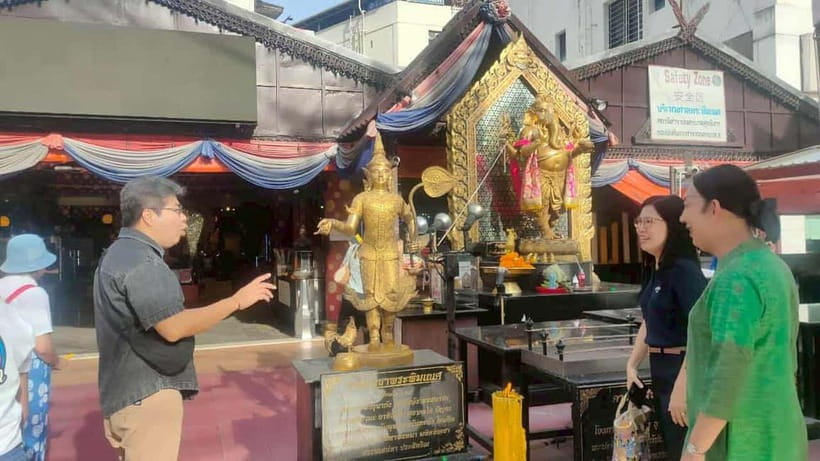
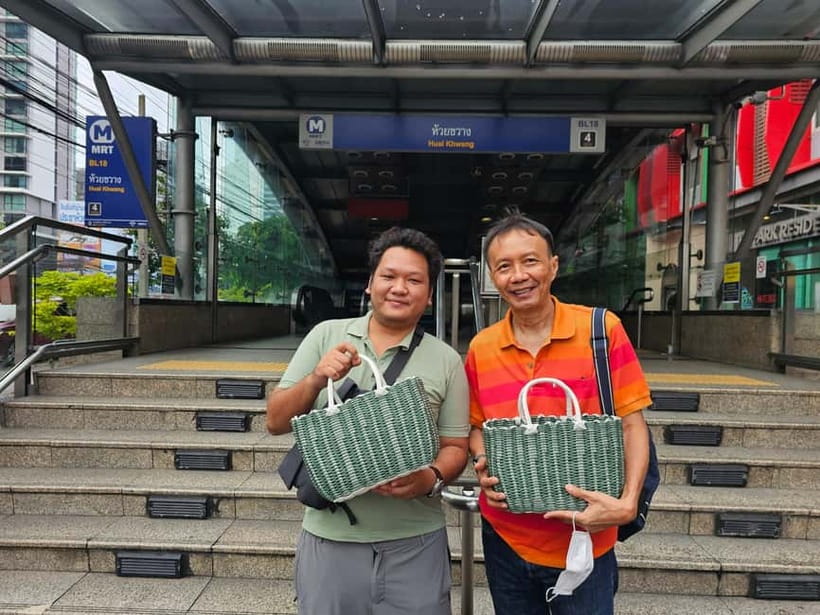
Your day begins in central Bangkok at MRT Huai Khwang Station (Exit 4). Plan to arrive a bit early so you don’t rush your meeting point. From there, the schedule moves at a smooth pace: a market first, then cooking, then lunch with tea.
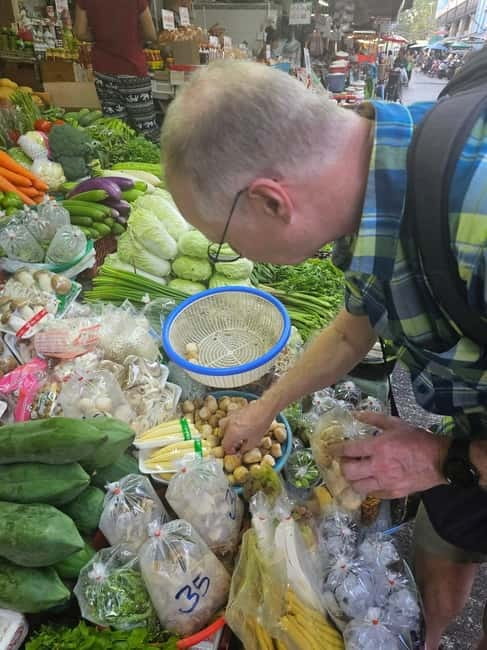
Why I like this start: the market walk is where the “herbal twist” stops being a marketing phrase and becomes a real skill. Instead of only learning recipes, you learn what to look for when you’re choosing herbs, spices, and produce in Thailand—things like aroma, freshness, and how ingredients get used day to day.
You’ll get guided time to explore stalls, ask questions, and understand how Thai people select ingredients. That matters, because Thai cooking often depends on freshness more than fancy technique. If you’ve ever tried to copy Thai flavors at home and it tasted flat, this is the missing piece.
The Small-Group Cozy Factor (and Why It Changes the Class)
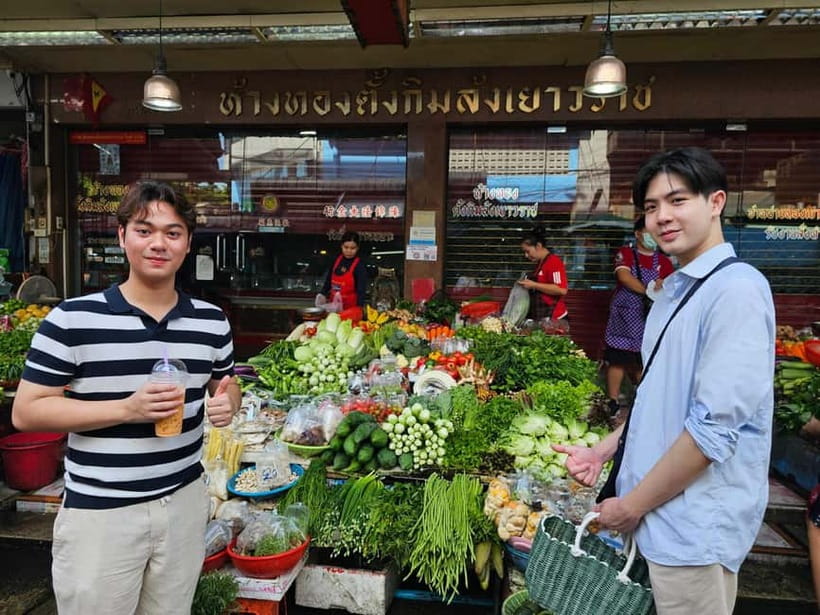
This isn’t a big factory tour with cameras and line-by-line instructions. It’s a small mini group (up to 8 people) designed so you can actually interact with the guide and the family-style kitchen team.
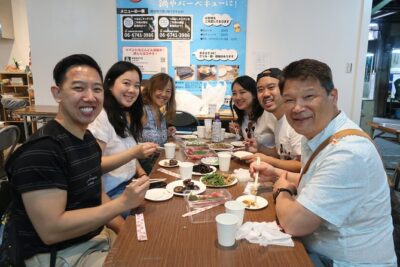
In the home setting, you’re not just watching someone else cook. You’re working. One review specifically praised how the experience felt like being made at home by Sunee and her family/employees, with a relaxed, friendly vibe. Another mentioned there was a lot of laughter, which is not a small detail in a class where you’re trying new ingredients.
Practical upside: smaller groups usually mean quicker feedback. If you’re unsure about heat level, seasoning balance, or chopping rhythm, you can get real-time tips instead of waiting your turn.
The Herb Market Walk: What You Actually Learn There
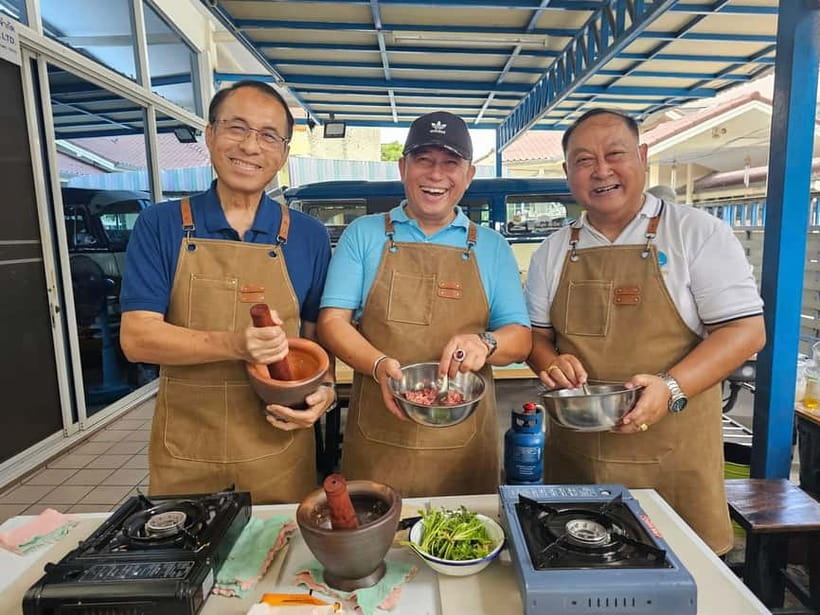
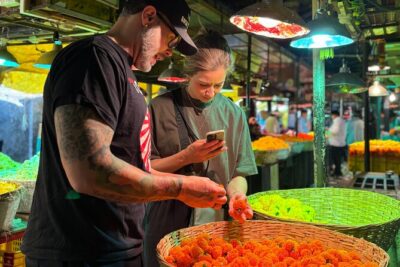
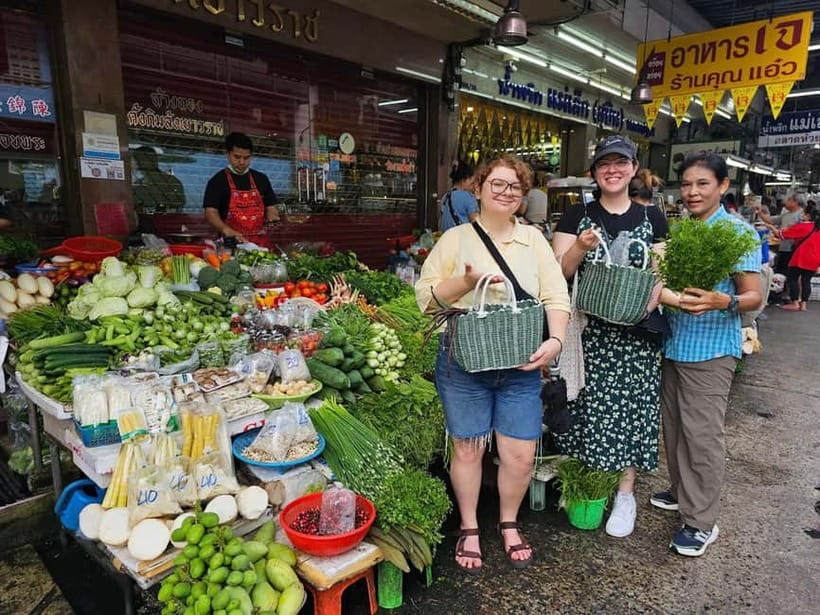
The herb market walk isn’t only for buying ingredients. It’s also a mini lesson on Thai herbs and remedies—what people use and why. You’ll see aromatic herbs, vegetables, and seasonal fruit, and you’ll learn how these ingredients connect to both flavor and traditional wellness beliefs.
This is also where the day becomes tactile. You’ll be close to the smells. You’ll handle ingredients. You’ll get guided context on what each herb does in cooking and how it’s part of Thai daily life.
A nice detail from past experiences: some classes include working with fragrant and unique ingredients such as jasmine buds, banana leaves, and lotus flowers. If your menu includes them, you’ll get firsthand experience with how these botanicals behave in cooking—not just how they look in a photo.
Garden Tour: The Plants Behind the Flavors
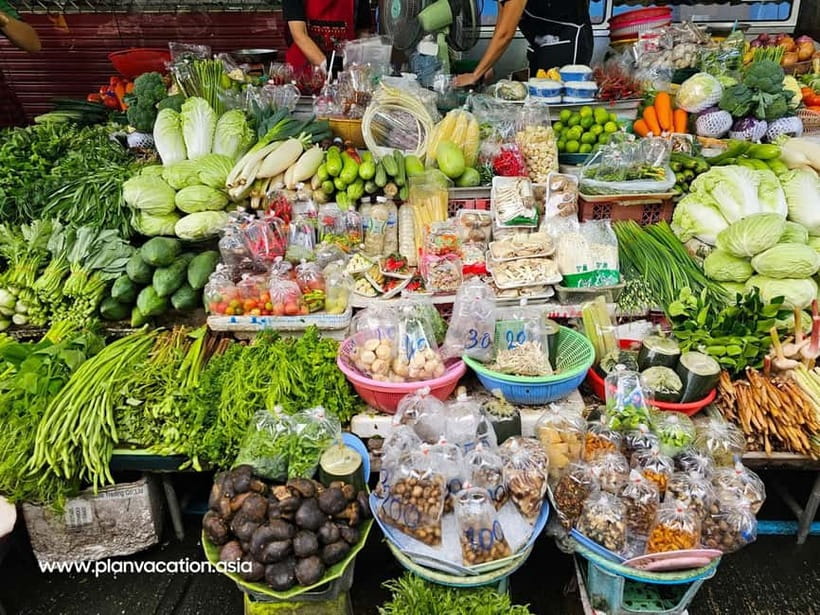
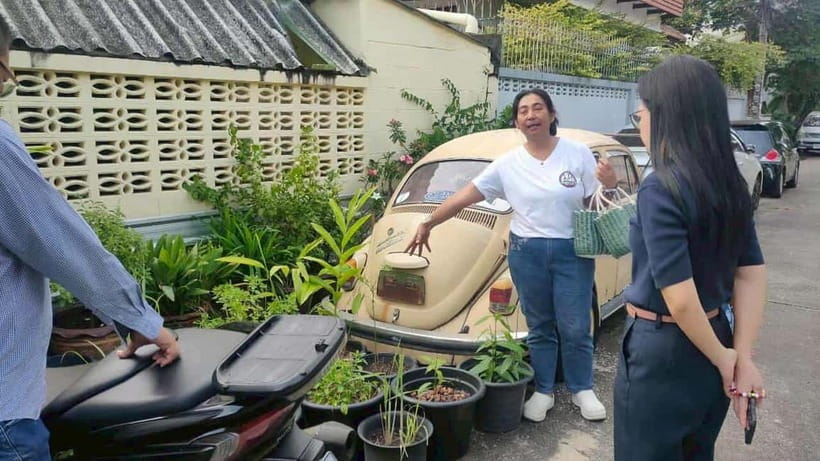
Before you start cooking, you’ll get a guided garden tour showing herbs and plants used in cooking. This helps connect the dots between what you saw in the market and what you’ll actually use back in the kitchen.
It’s also helpful for understanding a Thai cooking reality: herbs aren’t garnish. They’re often the structure of the dish. Knowing the plant source makes it easier to remember what you’re tasting.
This kind of plant-side learning is also what makes the “herbal” part feel more credible than a one-note theme. It gives you a reason to pay attention when the instructor names the herb and explains what role it plays.
Cooking in a Family-Style Kitchen: 4 Dishes + 1 Dessert
Back at the cooking venue, the class turns hands-on. Your kitchen time includes cooking sessions for dishes like soup, stir-fries, curry, a salad-style plate, and dessert. You’ll get step-by-step instruction in English and you’ll cook alongside the group under supervision.
The core structure
- You’ll learn ingredient prep and Thai cooking basics with real guidance
- You’ll cook 4 Thai dishes + 1 dessert with herbal focus
- You’ll sit down together to enjoy the meal family-style
What I think you’ll appreciate here: the class is designed around learning how to combine ingredients, not just memorizing one recipe. Thai herbal cooking often depends on balance—freshness, aroma, spice heat, sour, salty, and the timing of when herbs go in.
And yes, you get the payoff at the end. One review highlighted how the dessert and dishes were made with help and then served together as a proper shared meal, not “taste a bite and go.”
From Market to Plate: How Thai Herbal Timing Works
Herbs in Thai cooking can be treated differently depending on the dish. Some herbs support aroma and freshness. Some show up for a sharper, punchier flavor. In many Thai dishes, herbs are also about timing—when they’re added can change the smell from mellow to bright.
The class format supports that learning because you’re actually cooking the dishes. You’re not just hearing that herbs matter; you’re tasting the results of how they’re handled.
If you’re the type who loves to understand why food works, this class gives you enough “why” without making it academic. And if you’re more of a follow-the-steps person, you’ll still come away with practical techniques.
Herbal Teas at Lunch: Wellness Without the Lecture
After lunch, you’ll learn about herbal teas and their wellness benefits, as well as how to balance your meal using Thai wellness principles. You’ll also have a herbal welcome drink when you arrive.
This is a good fit if you’re curious about Thai tradition but you don’t want a heavy health talk. The goal is food + culture + an herbal lens, with tasting and explanation.
In real terms, it helps you leave with something usable. It’s not only recipes—you’ll have a sense for what Thai people might sip or pair with meals, and why.
What You Might Cook Each Day (Menu Rotates)
Menus rotate by weekday, so what you cook depends on the day you book. Here are the dish options you can expect on each day:
Monday
- Beef Panang Curry
- Stir-fried Morning Glory with Red Chili
- Poached Eggs
- Fried Chicken with Thai Herbs
- Khanom Tom (Thai sweet coconut balls)
Tuesday
- Tom Kha Gai (Chicken Coconut Soup)
- Stir-fried Tofu with Bean Sprouts
- Deep-fried Pork with Herbs
- Fried Rice
- Steamed Pandan Layer Cake
Wednesday
- Hot and Sour Shrimp Soup with Mixed Vegetables
- Stir-fried Chicken with Holy Basil
- Thai Omelet
- Thai-style Fried Noodles
- Kanom Tuay (Steamed Coconut Milk Custard)
Thursday
- Stir-fried Bamboo Shoot with Curry Paste
- Clear Tofu Soup
- Deep-fried Pork Belly with Herbs
- Chinese-style Fried Noodles
- Steamed Banana Cake
Friday
- Chicken Green Curry
- Stir-fried Kale with Salted Fish
- Fried Chicken with Garlic and Pepper
- Stir-fried Rice Noodles with Soy Sauce
- Soft Mung Bean Crepe
Saturday
- Som Tum (Papaya Salad)
- Spicy Minced Meat Salad
- Hot and Spicy Soup
- Fried Chicken with Thai Herbs
- Banana in Coconut Milk
Sunday
- Tom Yum Gai (Spicy Chicken Soup)
- Stir-fried Napa Cabbage
- Stir-fried Beef with Red Curry Paste
- Stir-fried Rice Noodles with Chicken
- Poached Pumpkin in Coconut Milk
Two useful tips as you decide:
- If you’re a fan of curry and soups, pick the day that matches your comfort level with spicy/sour flavors.
- If you have allergies, message the operator at least 48 hours before the class so they can adjust your ingredient plan.
Daily Timing: A Smooth Half-Day Plan
A typical day runs like this:
- 8:00 AM Meet at MRT Huai Khwang Exit 4 for market tour
- 9:00 AM Introduction to ingredients, coconut milk & curry paste
- 10:00 AM Cooking sessions (soup/stir-fry, salad, curry, dessert)
- 12:00 PM Enjoy your meal and learn about herbal teas
- 1:00 PM Transfer back to MRT Huai Khwang Exit 4
The flow matters. You get an ingredient briefing before cooking, then you cook in focused blocks. By lunch time, you’re eating what you made—warm, fresh, and built from the herbs you handled earlier.
Price and Value: Is $77 Worth It?
At $77 per person, you’re paying for more than a recipe lesson. You’re getting:
- Market walk with a guided herb-focused ingredient selection
- Garden tour for context on plants used in cooking
- A hands-on class cooking multiple dishes (not just one)
- English instruction, all ingredients and equipment
- Herbal welcome drink and a shared family-style meal
- Digital recipes after the class and a certificate of completion
- Transportation between key points within the day
- Travel insurance
For Bangkok, the real value is the mix: market + herb garden + guided cooking + lunch + recipes. A lot of cooking classes skip one of those pieces and leave you with “cook dinner” only. Here, you get a fuller chain of learning, so you can cook again later with better instincts.
If your goal is only to get a quick meal, it’s probably more than you need. If your goal is a hands-on Thai-food education with a herbal angle, it’s a solid deal.
Who This Class Fits Best (and Who Might Want Something Else)
This experience is ideal if you:
- Want Thai cooking with a herbal ingredient lens
- Enjoy markets and learning how locals choose produce
- Prefer small-group attention and a warm, family-kitchen setting
- Like practical cooking you can recreate later (digital recipes help)
You might consider something else if you:
- Can’t handle moderate walking/standing for a market + cooking flow
- Have very specific dietary needs and haven’t planned to notify the team at least 48 hours ahead
Practical Tips Before You Go
A few simple choices can make the day smoother:
- Bring comfortable shoes for walking and standing
- Bring your passport or ID card
- Wear clothing that’s easy for cooking prep and moving around
- If you have allergies or dietary restrictions, inform the team 48 hours in advance
Also, keep your expectations real: this isn’t a restaurant tasting. It’s cooking work. You’ll be chopping, stirring, and learning techniques, then eating together.
Should You Book This Thai Herbal Cooking Class?
If you want Thai food with an actual herb story—plus a small, friendly vibe—this is an easy yes. The combination of a guided market walk, herb garden tour, and cooking 4 dishes + dessert makes it feel like a full mini-cultural experience, not a rushed workshop.
Book it if you like hands-on learning, and you’ll enjoy the shared family-style meal at the end. Skip it only if you’re sensitive to walking/standing or you want something purely passive like watching chefs cook.
If you do book, I’d pick your weekday based on the menu you’ll enjoy most—curry days, soup days, and dessert days all have their own flavor personality.
FAQ
Where does the tour start and end?
You meet at MRT Huai Khwang Station (Exit 4). The experience ends back at the same meeting point.
What time does the class run?
It starts at 8:00 AM and typically finishes around 1:00 PM, with cooking and lunch in the middle.
How large is the group?
The experience is designed for a small group setting, with a maximum of 8 people.
What language is the instruction in?
English instruction is provided step by step during the cooking class.
What do you cook during the class?
You cook 4 Thai dishes and 1 dessert. The exact menu rotates by day of the week.
Is there a market visit and herb garden tour?
Yes. You’ll take a guided local market walk and also get a guided garden tour showing herbs and plants used in cooking.
What’s included in the price?
Included are the market tour, small-group hands-on cooking class, cooking guidance, herbal welcome drink, herb garden tour, ingredients and equipment, English instruction, digital recipes afterward, a completion certificate, transportation within the day, and travel insurance.
What should I bring?
Bring your passport or ID card and wear comfortable shoes for walking and standing.
Are dietary restrictions handled?
You should inform the team of any dietary restrictions or allergies at least 48 hours before the tour.
What’s not included?
Transportation to your initial meeting point (getting to MRT/BTS), personal expenses, alcoholic beverages, and any extra activities outside the scheduled program.