
REVIEW · MUMBAI
Best of Dharavi Slum with Market Tour
Book on Viator →Operated by Trip Mumbai Tours · Bookable on Viator
Dharavi is more work than you expect. This 3-hour outing mixes Dhobi Ghat laundry watching with Mahim craft and recycling, plus the everyday street-market feel that makes Mumbai tick. I love how the route is built around real jobs people do all day, not just photos and quick slogans, and how the guide’s storytelling keeps it respectful and practical.
One thing to consider: you’ll be walking through tight lanes and lively areas for about the full block of the tour. Bring comfortable shoes and a calm, open mindset, since the sights and sounds can be intense even when the experience feels well managed.
In This Review
- Key things I’d watch for on this Dharavi tour
- A 3-hour Dharavi route that’s about daily work, not shock value
- Dhobi Ghat: seeing Mumbai’s open-air laundromat in action
- Kumbharwada and Mahim: the city’s community layers in plain sight
- Mahim lather work: bags, wallets, and skill-based production
- Mahim recycling: turning plastic and paper into something usable
- The local people stop: why the community context matters
- Market energy and street food: learn the rhythm without the hard sell
- Price and value: $39.72 for work-focused access
- Logistics that make the day easier: pickup, public transport, and weather
- Who this Dharavi with market tour fits best
- Should you book the Best of Dharavi Slum with Market Tour?
- FAQ
- FAQ
- How long is the Dharavi slum and market tour?
- What is the price per person?
- Is pickup included?
- Do I need to buy entry tickets at the stops?
- How large is the group?
- What fitness level do I need?
- Is the tour dependent on weather?
- What is the cancellation policy?
Key things I’d watch for on this Dharavi tour
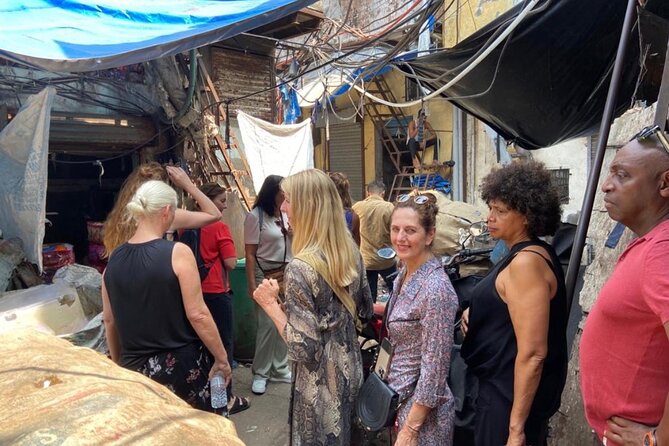
- Dhobi Ghat is a real open-air laundry where dhobis clean hotel and hospital linens
- Mahim craft stops focus on lather goods like bags and wallets, not staged demos
- Mahim recycling work shows how plastic and paper get collected and repurposed
- Small group size (max 15) helps the pace stay human and questions actually get answered
- A respectful, no-pressure approach keeps you from feeling like you’re being sold something
A 3-hour Dharavi route that’s about daily work, not shock value
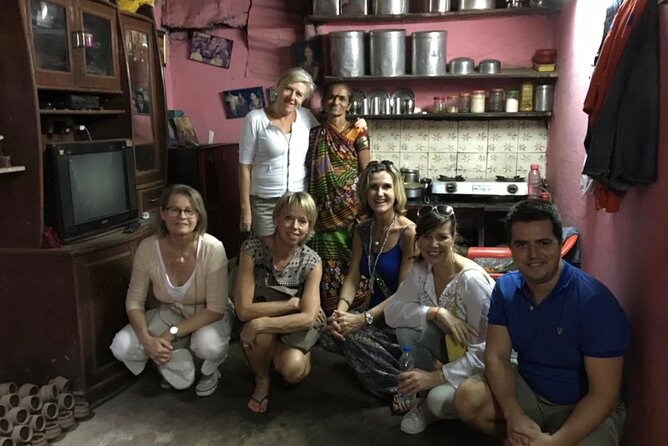
This tour is short enough to fit into a busy Mumbai itinerary, but it’s not skimpy. In roughly 3 hours, you move from Dhobi Ghat to the Mahim area and spend time with the kinds of small industries and community routines that keep parts of Mumbai functioning every single day.
What makes it work well for first-timers is the balance. You’re not only looking at housing conditions; you’re also seeing systems—laundry logistics, recycling collection, and craft production—that show how people turn skills into income. The market element matters too. You’ll be around everyday vendors and street-food smells, which gives context to what you’re seeing on the ground.
The other big plus is the guide. In the accounts tied to this tour, Hakim comes across as calm, communicative, and focused on explaining what you’re looking at. You’ll get the kind of answers you want while you’re walking, not a lecture delivered at the wrong time.
You can also read our reviews of more tours and experiences in Mumbai.


Dhobi Ghat: seeing Mumbai’s open-air laundromat in action
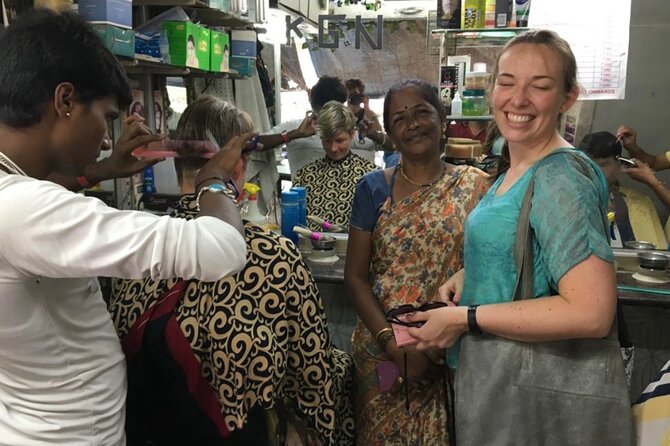
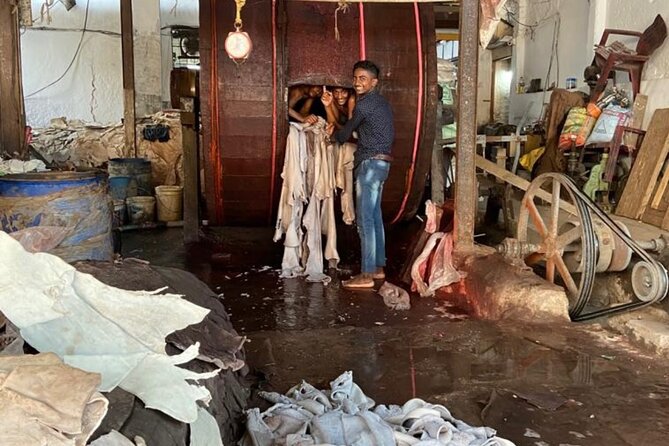
Your first stop is Dhobi Ghat, an open-air laundromat in Mumbai. Here, the dhobis (laundry workers) clean clothes and linens for Mumbai’s hotels and hospitals. You’re there for about 20 minutes, and the admission ticket is included, which is a small but real value add.
What you can expect is an active workspace. Instead of a clean, indoor facility, you’re in an open setting where people work in plain sight—washing, rinsing, and handling large batches of linen. Even if you don’t like crowds, this stop has a straightforward purpose: it’s how the city handles laundry at scale.
A practical note: Dhobi Ghat is outdoor and working. You’ll want to keep your expectations grounded. Wear shoes you don’t mind getting a little dirty, and be ready for strong smells that come with laundry soap and wet fabric (even if the exact intensity varies day to day). If you plan to take photos, follow your guide’s lead and act respectful—this is someone’s workplace, not an attraction set.
Kumbharwada and Mahim: the city’s community layers in plain sight
After Dhobi Ghat, the tour shifts toward Kumbharwada (Mahim area) for about 30 minutes. This part of the route is described as having cultural and historical importance, and it also highlights the area’s day-to-day presence through local streets and community life. Admission here is free, which keeps the price focused on the overall experience rather than add-ons.
This stop can be a good mental reset. In Dharavi and surrounding neighborhoods, it’s easy to think in stereotypes, because outsiders often reduce places to one label. Kumbharwada/ Mahim is a counterweight. You’re reminded that this area isn’t just an industry zone or a poverty headline; it’s a lived neighborhood with multiple communities and routines happening at once.
Mahim lather work: bags, wallets, and skill-based production
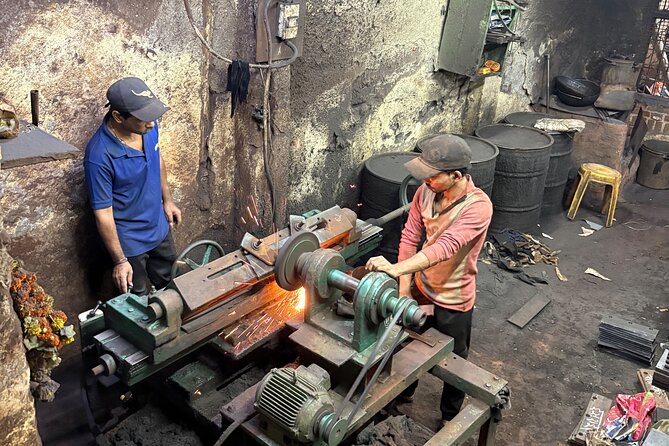
Next comes Mahim lather work, again about 30 minutes with admission free. The focus is on craftsmanship—making and selling lather goods such as bags and wallets.
This is one of the most rewarding parts if you like to understand how products are made. You’re not just hearing that people work; you’re seeing a craft economy with its own rhythms. Even if you don’t know anything about leather/lather goods, you can still track the basics: materials, tools, and the way work moves from rough input to finished accessories.
For you, the value is perspective. Mumbai isn’t only high-end towers and designer storefronts. It also runs on practical trades—production, repair, and sale. Watching craft work helps you connect the dots between what you see on the street and what’s happening behind the scenes.
Mahim recycling: turning plastic and paper into something usable
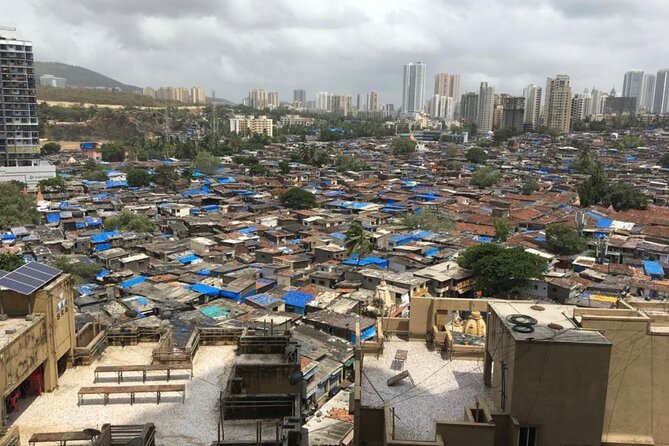
Then the tour spends time on recycling efforts in Mahim for about 30 minutes (also free). The idea here is local awareness and organized collection. The tour context specifically points to initiatives that collect plastic and paper, often led by local groups.
This stop is where the city’s “waste to value” story becomes real. Recycling here isn’t an abstract concept or a recycling-bin poster. It’s work—sorting, collecting, and moving materials that still have potential. Even if you’ve seen recycling initiatives elsewhere, Mumbai’s scale and tight urban constraints make this one feel grounded and urgent.
If you care about sustainability, this section gives you a clearer question to ask: what happens to materials after they’re thrown away, and who’s doing the labor that keeps them in circulation? That’s what you’re trying to see.



The local people stop: why the community context matters
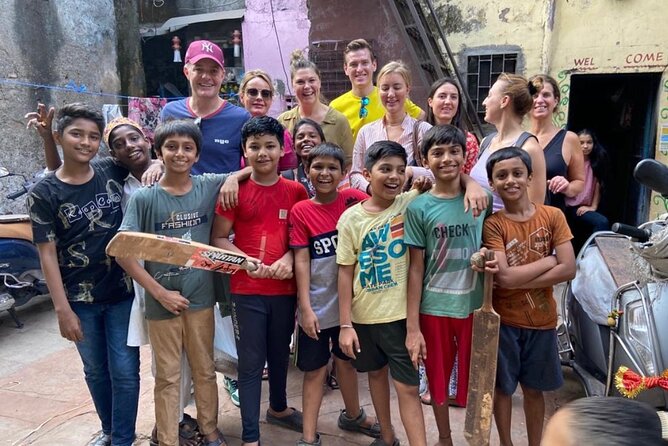
Another short stop (about 20 minutes, free) focuses on local people in Mahim and the area’s mix of backgrounds. The tour notes that the community reflects Mumbai’s multicultural nature, including Marathi and Gujarati communities, plus others.
This part matters because it changes how you interpret everything else. When you understand that multiple languages and community identities overlap in the same neighborhood, it’s easier to avoid oversimplifying. It also helps you understand why certain trades, habits, and marketplace patterns repeat: culture and work are linked.
For you, it’s a chance to connect what you’re seeing to how people live, not just what they make or handle.
Market energy and street food: learn the rhythm without the hard sell
Even with the formal stops, the tour is clearly designed to feel like a day moving through neighborhoods. The overview emphasizes the street-food aromas and local vendors preparing treats along the way.
This matters for value. A slum tour that ignores markets and everyday commerce can feel one-note. Here, the market element gives you texture: who sells what, how people move, what daily life looks like when the focus is food, items, and quick transactions.
One of the most praised aspects tied to this experience is the lack of pressure. You’re not forced into buying things or pushed into shops. That’s a big deal in a market environment, because it can otherwise feel like “poverty as a sales pitch.” If you want to look, ask questions, and decide for yourself, this tour style fits.
Practical tip: if you want to try street food, plan to do it with a sensible attitude. Go where your guide suggests and keep it simple—one snack is enough to understand the vibe.
Price and value: $39.72 for work-focused access
At $39.72 per person for about 3 hours, this isn’t a budget chain-tour price, and it’s not a luxury add-on either. The value comes from how the time is allocated and what’s included.
Here’s why the pricing feels fair based on what the tour includes:
- Dhobi Ghat admission is included (20 minutes you don’t have to figure out on arrival)
- Multiple stops are free admission
- You get a guided interpretation of working areas, craft production, and recycling routines
- The group is limited to up to 15, which keeps the pace workable in crowded zones
- Pickup is offered and you get a mobile ticket, which reduces friction at the start
If you’ve ever been stuck on a “see the monument, move on” tour, this one is different. You’re paying for context and access to real-world activity in the city.
Logistics that make the day easier: pickup, public transport, and weather
This experience lists pickup offered and notes it’s near public transportation. That combination is helpful in Mumbai, where getting across town can be its own mini-adventure.
It also specifies a moderate physical fitness level. Translation: you don’t need to be an athlete, but you should expect uneven movement and walking through narrow streets.
Finally, it requires good weather. Since parts are outdoor, you should plan this on a day you can actually walk and view comfortably. If rain hits, the tour may get rescheduled, so build flexibility into your Mumbai days.
Who this Dharavi with market tour fits best
This is a strong pick if you:
- Want a short, structured introduction to Dharavi and the surrounding Mahim area
- Care more about how the city works than about staged sightseeing
- Prefer a guide who explains calmly and answers questions while you’re walking
- Like market life but want to avoid the hard-sell shopping feel
It might not be your best match if you:
- Want a fully indoor, low-walking tour
- Are very uncomfortable with the intensity of working neighborhoods
- Expect a traditional museum style with quiet exhibits
Should you book the Best of Dharavi Slum with Market Tour?
If you want a practical first taste of Dharavi that includes Dhobi Ghat, Mahim craft work, and recycling, I’d book this. The price lines up with what’s included, and the small group size helps keep it manageable. Most importantly, the tone that comes through is respectful and not pushy, which is exactly what you want when you’re visiting places with real livelihoods behind the scenes.
Book it if you’re curious, patient, and ready to look past stereotypes. Skip it if you need a relaxed, low-emotion sightseeing day or you’re uncomfortable around working areas and dense streets.
FAQ
FAQ
How long is the Dharavi slum and market tour?
It lasts about 3 hours.
What is the price per person?
The price is $39.72 per person.
Is pickup included?
Yes, pickup is offered.
Do I need to buy entry tickets at the stops?
Dhobi Ghat includes an admission ticket, while the other listed stops (Kumbharwada and the Mahim sections) are listed as free. You’ll use a mobile ticket.
How large is the group?
The tour has a maximum of 15 travelers.
What fitness level do I need?
It asks for moderate physical fitness.
Is the tour dependent on weather?
Yes. The experience requires good weather, and if it’s canceled due to poor weather, you’ll be offered a different date or a full refund.
What is the cancellation policy?
Cancellation is free if you cancel up to 24 hours in advance for a full refund. If you cancel less than 24 hours before, the amount paid is not refunded.