REVIEW · MUMBAI
Private Mumbai Home Cooking Lesson and Grant Road Market Tour
Book on Viator →Bookable on Viator
Parsi home cooking in Mumbai feels personal, not staged. This 4-hour private experience pairs a Grand Road Market ingredient hunt with a hands-on lesson at host Mahrukh’s South Mumbai apartment, ending in a proper in-home lunch you actually cook and then eat.
I especially love two things: first, the way you shop with local context, so ingredients make sense beyond their looks; second, the meal itself, which leans into true Parsi comfort food like akuri and chicken pulao.
One thing to consider: the food is meat-based only, and you’ll also climb one flight of stairs because the elevator tops out at the 5th floor.
In This Review
- Quick hits
- South Mumbai start: meet Mahrukh and settle in with a Parsi welcome
- Grand Road Market: how ingredient shopping turns into a food lesson
- Back at the apartment: a home cooking class that stays human
- The menu you might cook and eat: a proper Parsi lunch table
- What makes Parsi cooking click: the British + Gujarati flavor story
- How the group size changes your experience (and your photos)
- Value check: is $97.16 per person a fair deal?
- Who should book this and who should skip it
- Should you book this Mumbai home cooking and Grand Road market tour?
- FAQ
- What is the duration of the experience?
- Is this a private tour?
- What do I do during the tour?
- What Parsi dishes will I learn or cook?
- Is there vegetarian food?
- What’s included in the meal and drinks?
- Do I need to climb stairs?
- How does cancellation work?
Quick hits
- Grand Road Market shopping with Mahrukh picking ingredients and explaining what matters.
- Parsi cooking lesson at home focused on classics like akuri, chicken pulao, and lentils.
- A full lunch you eat in the apartment, not a quick snack stop.
- Take-home recipes so you can cook again later without guessing.
- Small private group (max eight) for a more relaxed, real-feeling visit.
- One flight of stairs to reach the 6th-floor apartment.
South Mumbai start: meet Mahrukh and settle in with a Parsi welcome
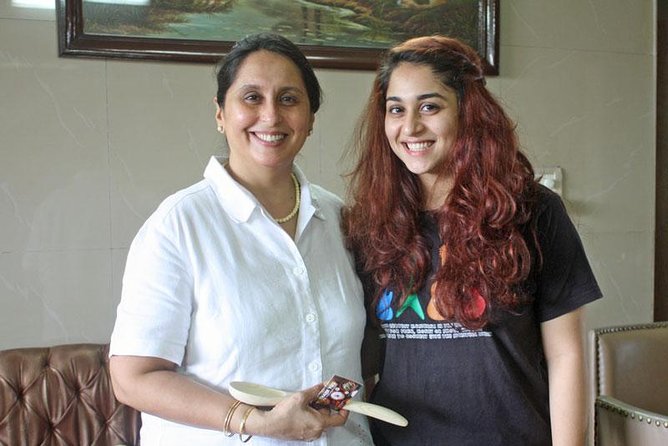
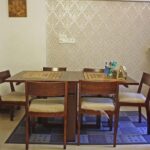
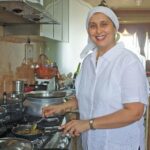
You’ll meet Mahrukh at her apartment in South Mumbai. Before you head out, you get a moment to relax and get oriented, plus a refreshing welcome drink: Parsi raspberry soda. It’s not a “formality” stop—this is how the day gets grounded in family life and food culture, so you understand what you’re about to cook (and why).
Then comes the best part of the beginning: a conversation about Mahrukh’s family and culinary heritage. You get the sense of Parsi food as something lived, not performed. That matters because Parsi cooking has its own rhythm—spice levels, sweetness, and spice-fermented depth that you’ll notice once you’re tasting and cooking.
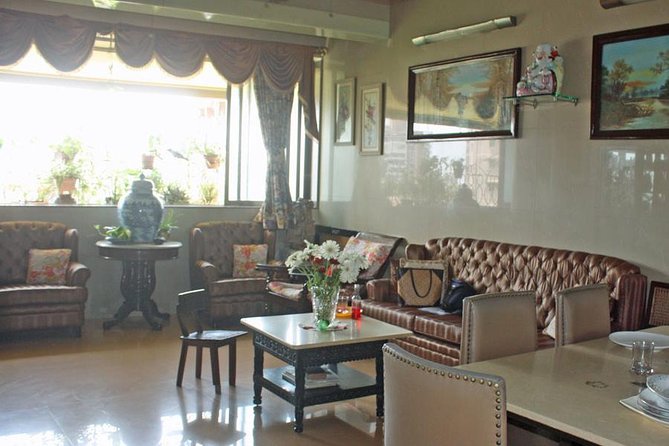
Practical note: because the apartment is on the 6th floor and the elevator only goes to the 5th, you’ll need to walk up one flight of stairs. Plan on comfortable shoes. It’s not a dealbreaker, but it does affect how easy the start feels.
You can also read our reviews of more tours and experiences in Mumbai.

Grand Road Market: how ingredient shopping turns into a food lesson
After meeting, you head to nearby Grand Road Market, a maze of stalls where fruits, vegetables, meat, fish, and other staples are sold. This part is great if you like to eat like a local instead of treating markets like photo backdrops.
What makes the market visit worth your time is that it’s tied directly to the cooking ahead. Mahrukh picks the ingredients she needs, and you learn what to look for and how people think about freshness and quality in day-to-day cooking. You’ll also hear how Parsi cuisine was influenced over time—especially by British and Gujarati community flavors—so the spices and techniques start making sense.
Here’s the practical benefit for you: once you’ve seen how ingredients are chosen, you’ll taste your lunch with a more informed palate. You stop asking only “Is this spicy?” and start noticing things like balance—sweet vs. heat, tang vs. richness—that defines many classic Parsi dishes.
One more real-world point: markets can be busy and crowded. Wear layers you can handle in Mumbai heat, and keep your pace flexible. Your job is to explore with Mahrukh, not rush through.
Back at the apartment: a home cooking class that stays human
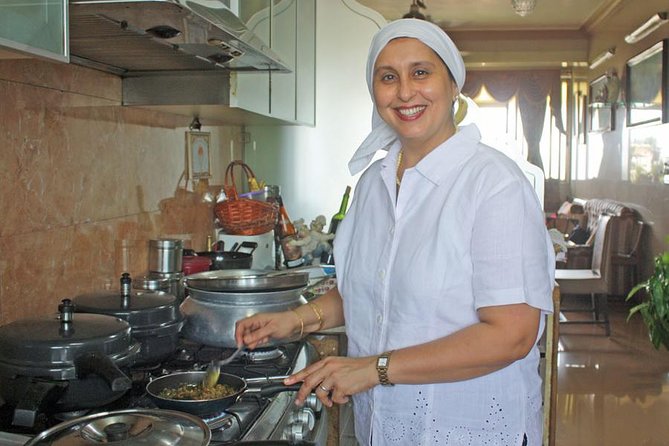
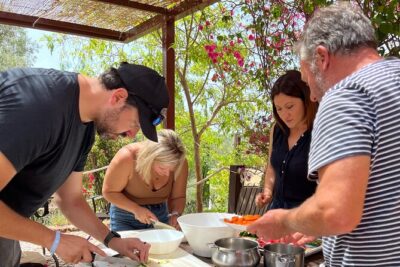
Back at Mahrukh’s place, the lesson shifts from “buying food” to “understanding how it becomes dinner.” This isn’t a professional cooking school with whiteboards and timed drills. It’s culinary and cultural, hosted in a home setting with a local resident.
Expect a hands-on style focused on classic dishes. You’ll learn to prepare akuri (spicy scrambled eggs) and chicken pulao (chicken with rice), plus lentils (daal). The point isn’t to turn you into a trained chef. The point is to give you the key moves—how to build flavor, how to manage spices, and how the dish should look and taste when it’s on track.
Even if you’re not confident in the kitchen, this format works because you’re learning in context. You’ve already shopped for the ingredients, and you’re cooking meals you’ll eat together a little later. That reduces the usual “why am I doing this?” feeling that can happen in generic classes.
Also, your group is kept small—up to eight people—so there’s room for questions and slower explanations. In a home kitchen, that matters.
The menu you might cook and eat: a proper Parsi lunch table
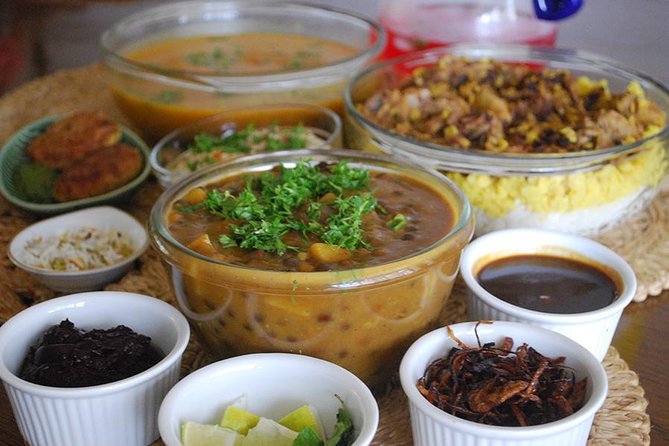
The lunch is the reward, and it’s also part of the learning. Depending on the flow and what’s chosen, the meal might include:
- Saria with lagan nu achaar (rice crisps with date pickle)
- Tam tamata prawns (spicy prawns)
- Jardalu na gosht (slow-cooked lamb in apricot gravy)
- Roast chicken
- Lagan nu custard (nut-topped caramel custard with vermicelli and yogurt)
This is a meal with range: savory mains, spice-forward seafood, and a dessert that balances caramel sweetness with creamy dairy and nut crunch. That dessert detail is one of those “only in this kind of meal” moments that makes the experience feel authentic rather than generic.
Drink-wise, the experience includes non-alcoholic drinks. One part of the info also mentions local beer being included, while another note says no alcoholic drinks are included. Because that’s conflicting, I’d confirm directly when you book. Either way, you’re eating a full meal, so you won’t be left hungry.
Important for planning: it’s meat-based and there are no vegetarian alternatives offered. If your dietary needs are flexible, you’ll still want to check. If they’re not, you should skip this specific experience.
What makes Parsi cooking click: the British + Gujarati flavor story
One of my favorite parts of this kind of food day is when the host connects dishes to history without turning it into a lecture. Here, you’ll learn how Parsi cooking absorbed influences from British and Gujarati communities. You’ll see that influence in the way flavors are balanced: spice and sweetness often sit close together, and cooking methods lean into slow richness for certain dishes.
Even if you don’t remember every influence word-for-word, you’ll feel it in your taste buds while cooking and eating. Jardalu na gosht is a great example: apricot gravy brings sweetness and tang, while lamb gives depth. Then other dishes—like akuri—bring heat and comfort in a way that feels distinctly Parsi rather than “just Indian.”
This is also why ingredient shopping matters. When you buy for the meal with your host, the food doesn’t arrive as a random plate. It lands as something you helped build, even if you’re only responsible for parts of it.

How the group size changes your experience (and your photos)
With a maximum of eight people, this private experience has enough space to feel personal. In a larger group, markets get rushed, and cooking becomes “watching while someone else works.” Here, you have a better chance to actively participate—stir, taste, and ask questions—without waiting your turn the entire time.
That small-group setup also helps you interact with Mahrukh’s family culture. Her hospitality is a big reason people love the day—she and her family are described as welcoming and the experience as authentic. I’d expect a warm, chatty vibe that goes beyond instruction.
If you want a Mumbai food experience that feels like a visit rather than a show, this group size is a big part of the value.
Value check: is $97.16 per person a fair deal?
At $97.16 per person for about four hours, this is priced like a serious food-focused private outing—not a budget tasting walk. Is it worth it? For me, the value depends on what you want:
It’s good value if you want:
- A market tour plus home cooking in one package
- A full in-home lunch built from ingredients you help pick
- Multiple signature dishes (not just one small tasting)
- Take-home recipes, so the experience extends beyond one day
- A private group small enough to keep it personal
It may feel pricey if you want:
- A vegetarian menu (there isn’t one here)
- A strictly professional culinary class with advanced techniques
- Hotel pickup and drop-off (not included)
Also, the included items matter. Bottled water is included. Non-alcoholic drinks are included. There’s also mention of local beer being included, so it’s worth confirming if you care about alcohol. Either way, meals and ingredients are part of the cost, so you’re not paying separately for lunch the way you might on other food tours.
Bottom line: if you’re the type who likes markets, spices, and learning recipes you’ll actually use, this price is easier to justify than a “pass-by-and-snack” tour.
Who should book this and who should skip it
This tour is best for you if:
- You want Parsi cuisine specifically, not a generic “Indian food” class
- You like hands-on cooking and eating together
- You enjoy markets and want to learn how ingredients are chosen
- You prefer a private experience with up to eight people
- You’re okay with a home setting (not a classroom)
Skip it if:
- Vegetarian food is essential for you (there are no vegetarian alternatives offered)
- You don’t want stairs—there’s one flight up to the apartment
- You want hotel pickup/drop-off convenience (none is provided)
If you’re traveling as a couple or small group, you’ll likely enjoy it most. The tour requires a minimum of two people, which usually helps keep the vibe intimate.
Should you book this Mumbai home cooking and Grand Road market tour?
I’d book it if you’re craving a real food day: shop for ingredients, cook classic Parsi dishes like akuri, and then sit down for a full lunch in a local apartment with the recipe knowledge to repeat it at home. It’s not the kind of experience where you only collect photos—you leave with skills and dishes you can recreate.
Just be honest with your needs. This is meat-based only, and the setting is a real home (including that extra flight of stairs). If those fit, you’re in for one of the more personal, value-packed food experiences in Mumbai.
FAQ
What is the duration of the experience?
It’s about 4 hours.
Is this a private tour?
Yes. It’s private for your group, with a maximum of eight people.
What do I do during the tour?
You meet Mahrukh at her apartment, visit Grand Road Market to buy ingredients, then return home for a cooking class and enjoy the lunch you help prepare.
What Parsi dishes will I learn or cook?
The dishes mentioned include akuri (spicy scrambled eggs), chicken pulao, and daal (lentils). The lunch may also include dishes like jardalu na gosht and others.
Is there vegetarian food?
No. The host does not serve vegetarian food, and no vegetarian alternatives are offered.
What’s included in the meal and drinks?
Food is included, along with ingredients and non-alcoholic drinks. Bottled water is included. Note: the information also mentions local beer being included, while another note says no alcoholic drinks are included, so it’s smart to confirm when booking.
Do I need to climb stairs?
Yes. The apartment is on the 6th floor, and the elevator only goes to the 5th floor, so you’ll walk up one flight of stairs.
How does cancellation work?
Free cancellation is offered. You can cancel up to 24 hours in advance of the start time for a full refund.