REVIEW · OSAKA
Kuromon Market Tour: All inclusive 6~8 Dishes & 3~4 samplings
Book on Viator →Operated by Osaka Food Tours · Bookable on Viator
Kuromon Market food hits fast. I like that this tour is a small-group walk with an expert guide you can actually talk to, and I love that it’s all-inclusive with 6–8 dishes plus 3–4 samplings so you’re not stuck guessing. One heads-up: this tour is not suitable for vegetarians or vegans, since the tastings center on seafood and other non-veg options.
You meet at Nippombashi Station (1 Chome-5 Nipponbashi, Chuo Ward) at 2:00 pm and you’re back at the same meeting point after about 2 hours. It’s a mobile-ticket experience with a maximum group size of 9, which matters because Kuromon Ichiba is tight, loud, and visually chaotic. In good hands, you come away with a short list of what to try next in Osaka, not just a full stomach.
In This Review
- Key things I’d plan around
- Kuromon Ichiba: the Osaka market built for eating
- The 2-hour flow from Nippombashi to Kuromon and back
- What you actually eat: 6–8 dishes plus 3–4 samplings
- Seafood, okonomiyaki, sweets, and tea: why the mix works
- How the guide’s relationships change the whole market experience
- Pricing: $63.43 can be a bargain if you eat like the tour expects
- Where this tour fits best (and who should rethink it)
- Getting the most from Kuromon: small choices that make big differences
- Should you book the Kuromon Market food tour?
- FAQ
- How many dishes and samplings are included?
- Where does the tour start, and when does it begin?
- How long is the Kuromon Market tour?
- Is the tour vegetarian or vegan friendly?
- How big is the group?
- Do I need a physical ticket?
Key things I’d plan around
- Small group, max 9 people means the guide can steer you through the market without herding you like a crowd.
- 6–8 dishes + 3–4 samplings gives you variety, not just one highlight item.
- You’ll likely taste 10+ different items, including seafood, okonomiyaki, dessert, and Japanese tea.
- Guide-vendor relationships matter for quality and for knowing what’s worth your time.
- Guides can adjust on the fly when you share preferences, including alternatives for picky eaters in some groups.
- It’s a food-and-walk format, so comfortable shoes and a bit of pacing planning pay off.
Kuromon Ichiba: the Osaka market built for eating
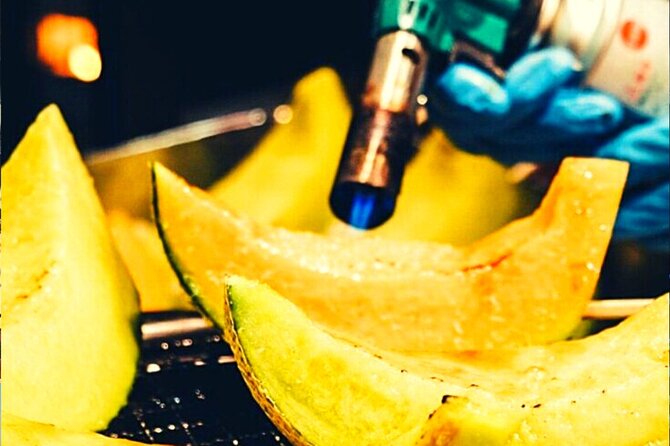
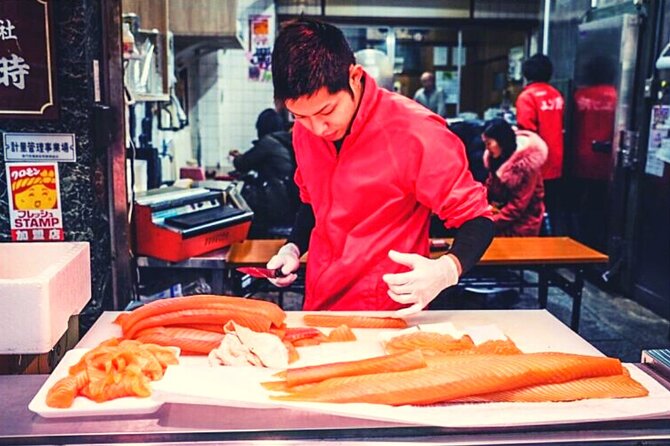
Kuromon Market (Kuromon Ichiba) is the kind of place where your senses get hijacked in the best way. You’ll be surrounded by stalls and food prep right in front of you, which is exactly why a guided tasting works so well here.
What I like about this tour’s approach is that it treats Kuromon like a real local market, not a generic sightseeing stop. Your guide helps you connect what you see—fresh seafood, snack-style bites, sweet makers, and tea—to what it tastes like and why locals buy it.
And because you’re tasting as you walk, you don’t need to figure out how to order while you’re standing in front of a menu board. You just follow the plan, ask questions, and keep moving.
You can also read our reviews of more tours and experiences in Osaka.


The 2-hour flow from Nippombashi to Kuromon and back
This is a compact tour with a clear rhythm: meet at 2:00 pm at Nippombashi Station (1 Chome-5 Nipponbashi), start the walk into Kuromon, taste along the way, then return to the meeting point. The full duration is listed at about 2 hours, and that’s about right for a market tour that still leaves you room to enjoy the rest of your day.
The practical win here is timing. If you’re sightseeing in Osaka for a short window, this tour gives you a concentrated hit of food without stealing a half-day. It also helps you avoid the common problem of arriving at Kuromon at peak hunger and then spending the first hour just trying to figure out where to eat.
One more detail that makes the schedule easier: you receive a mobile ticket, and the start point is close to public transportation. That means less time hunting for the meeting spot, more time eating.
What you actually eat: 6–8 dishes plus 3–4 samplings
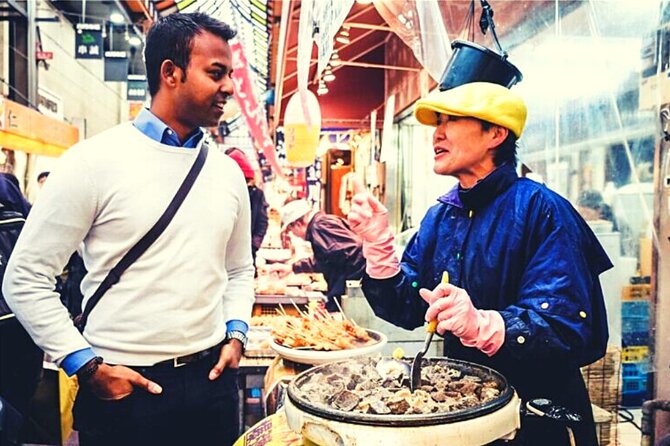
The promise is straightforward: you’ll enjoy 6–8 selected dishes and 3–4 samplings of Osaka food specialties. On top of that, the tour description says you’ll sample more than 10 different food items overall, which is where the value really comes from.
The lineup is built around the Osaka market staples:
- Fresh seafood (a big theme of the tour)
- Okonomiyaki (a classic Osakan savory pancake)
- Dessert
- Japanese tea
- Other local bites picked by your guide
In reviews, people mention a wide range of seafood and market snacks that show how broad Kuromon can be. Some of the specific foods that have come up include sea urchin, pufferfish/fugu, oysters, fish cakes, and even otoro tuna. There are also mentions of sakura-mochi and a few more unusual items like whale in some cases.
That range is important because it’s easy to go to a market and only pick one lane. This tour pushes you to try multiple categories: ocean-forward bites, warm savory comfort food, and then sweets and tea to reset your palate.
Seafood, okonomiyaki, sweets, and tea: why the mix works

Let’s talk about why this selection makes sense, not just what’s included.
Seafood is the obvious draw in Kuromon, but it can also be intimidating if you don’t know what to order. A guided tasting takes you past that moment of panic. You’re not guessing whether a stall is legit or whether a bite is meant to be eaten in a certain way.
Then you get a shift to okonomiyaki, which is a nice change from seafood-only momentum. It’s also a dish that reads clearly even if your Japanese is basic, because you’re tasting something familiar enough to understand what you like.
Finally, dessert and Japanese tea help you avoid the “just keep eating until you can’t” problem. They give your stomach a break and help you notice flavors you might miss if everything tasted salty and briny back-to-back.
How the guide’s relationships change the whole market experience
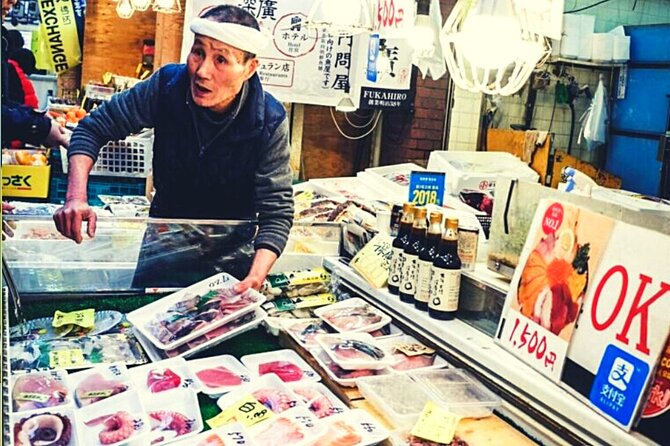
This is the tour’s biggest edge. The description and the reviews both point to the same theme: the guide has relationships with vendors, and that makes your tastings smoother and more meaningful.
In practice, that means:
- You get pointed toward stalls you might never pick on your own.
- The guide can tell you what’s high quality and what’s just there to sell to tourists.
- You’re more likely to try the “right” version of a dish, not the easiest version.
It also helps with pacing and confidence. Kuromon can be visually overwhelming, with constant movement, stacked seafood, and lots of fast talk from stall staff. Guides like Anna and Hikaru show up in reviews as energetic and patient, even with groups that included kids. Michael is repeatedly mentioned for friendliness and for helping people understand what they’re eating, not just feeding them.
One detail I found especially useful from the reviews: some guides will add a couple of extra samples based on what you’re interested in. If you tell them you love seafood or you want to try something specific, you may get a small adjustment without messing up the rest of the route.
Pricing: $63.43 can be a bargain if you eat like the tour expects
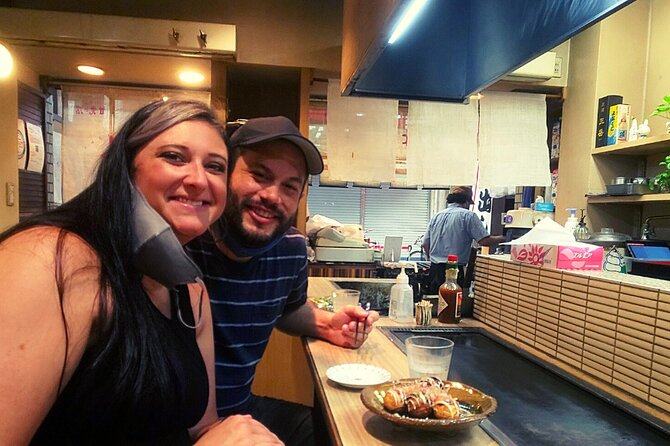
At $63.43 per person for about 2 hours, the price looks simple on paper. The real value comes from two things that are baked into the experience: a guaranteed minimum of 6–8 dishes and 3–4 samplings, plus the fact that you’re tasting more than 10 items.
That matters because market food is often sold in small portions that add up fast. If you went in alone, you’d likely spend time choosing, then spend money on only the items that caught your eye. Here, you’re guided through variety with a plan, and you leave full.
Also note the timing demand. This is described as frequently booked about 69 days in advance on average. If you want a specific day, you’ll usually do better booking sooner rather than later.
The only “price risk” is the human one: if you eat a huge breakfast and show up half-sick of food, you might feel like you’re rushing to keep up. The tour still gives you quality bites, but you’ll enjoy it more if you arrive hungry.
Where this tour fits best (and who should rethink it)
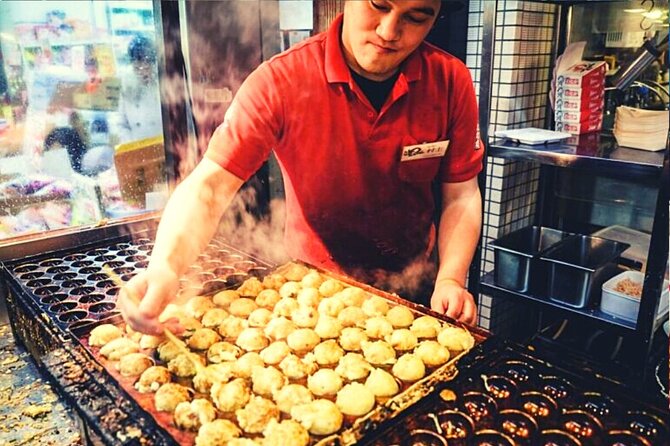
This tour is a strong match if you want an Osaka food primer that feels local and efficient. It works well for people who:
- Like seafood and want to try multiple types rather than one signature dish
- Enjoy walking through a market and learning as they go
- Prefer a small group so questions actually get answered
It’s also a good fit for families in practice. Reviews mention guides being patient and flexible, including handling a group with very young children and groups with teenagers and picky eaters. That doesn’t mean it’s a kids-only tour, but it suggests the guides are used to keeping things moving without losing the human side.
The biggest mismatch is dietary. This tour is not suitable for vegetarians nor vegans. If you avoid seafood or meat for any reason, this one is likely to frustrate you because the tastings are the point.
Finally, consider how sensitive you are to strong flavors and textures. The seafood focus can include items that are adventurous in taste and texture, and the guide may include those because the market is known for them.
Getting the most from Kuromon: small choices that make big differences
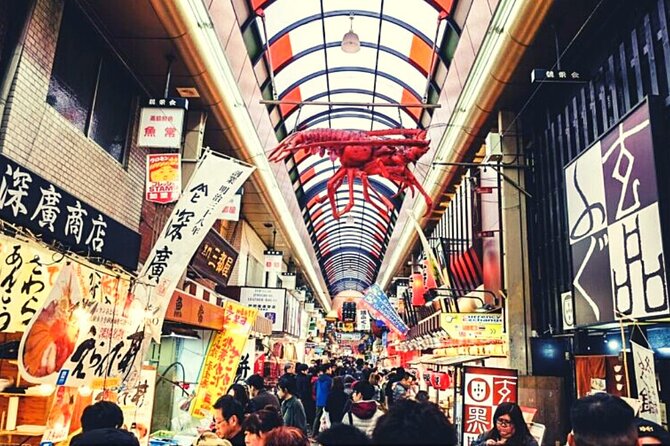
You can make this tour feel easy or exhausting, depending on how you show up. Here’s what helps, based on what comes up again and again in reviews and the tour’s “eat-and-walk” design.
Arrive ready to eat. Many people recommend not eating too much before the tour, since you’ll be served a steady stream of bites. If you’re already full, you’ll still get the experience, but you won’t get the full flavor payoff.
Tell your guide what you like. More than one review points out that guides can adjust samples to match preferences. If you love seafood, say so. If you want to avoid something, communicate it early so the guide can steer you to alternatives.
Go in with comfy shoes. Kuromon is a walking market, and the route is built to keep momentum. The tour lasts about 2 hours, but the pace still feels like you’re moving through a dense neighborhood.
Ask questions when something surprises you. Guides are there to explain what you’re tasting and how to spot better quality on your own. One review highlights the value of learning what makes an ingredient stand out, which is exactly what you want if you plan to eat in Osaka beyond the tour.
Should you book the Kuromon Market food tour?
Book this tour if you want an Osaka market experience that’s efficient, tasty, and guided by people who know the stalls personally. The small-group size, the 6–8 dishes plus 3–4 samplings, and the chance to try seafood, okonomiyaki, dessert, and Japanese tea in about 2 hours make it a high-value way to get your bearings.
Skip it (or choose a different style of tour) if you’re vegetarian or vegan, because the tastings are not built for that. Also reconsider if you hate seafood or if you get easily overwhelmed by crowded, sensory-heavy places—this is a market, not a quiet museum walk.
If you’re on the fence, here’s my practical advice: book it early, show up with an appetite, and use your guide like the local resource they are. People often leave not only full, but with a clear sense of what Osaka does best—and where to go next.
FAQ
How many dishes and samplings are included?
The tour includes 6–8 selected dishes and 3–4 samplings of Osaka food specialties.
Where does the tour start, and when does it begin?
It starts at Nippombashi Station (1 Chome-5 Nipponbashi, Chuo Ward, Osaka) at 2:00 pm.
How long is the Kuromon Market tour?
The tour duration is approximately 2 hours.
Is the tour vegetarian or vegan friendly?
No. This tour is not suitable for vegetarians or vegans.
How big is the group?
The maximum group size is 9 travelers.
Do I need a physical ticket?
No. The tour uses a mobile ticket.