REVIEW · SHENZHEN
Untold story of Shenzhen , Electronic & Dongmen Market tour
Book on GetYourGuide →Operated by Fantasia Tours · Bookable on GetYourGuide
Shenzhen can feel like a speed-run of modern China, but this tour slows you down where the city’s stories were written: Huaqiangbei electronics stalls, Dongmen old-street shopping, and the Luohu border area. You get a real shopping walk that mixes trade, memories, and street-level history, not just photos in front of landmarks.
Two things I really like: you get practical bargaining help from your guide, and the route connects places that normally feel separate, so you understand why Shenzhen became the shopping magnet it is today. A possible drawback: if you hate negotiating or you’d rather avoid areas tied to the city’s seedier past, this style of tour may feel uncomfortable.
In This Review
- What makes this tour feel different?
- Key highlights worth your time
- Where the tour starts: Huaqiang North and a market mindset
- Huaqiangbei: Asia’s biggest electronics market in real life
- Dongmen Old Street: China’s bargain culture and an old-street time warp
- The 1980s slum replica canteen: Nostalgia with a purpose
- Moving toward Luohu Port: the old checkpoint between Hong Kong and China
- Mistess Village context: why border zones attract complicated economies
- The knockoff market stop near Luohu: shopping speed, real-world caution
- Bargaining help is the secret weapon on this route
- Price and value: is $40 actually a good deal?
- Who this tour suits best
- Should you book this Untold Shenzhen tour?
- FAQ
- What does this tour cost?
- Where does the tour start and end?
- What’s included in the tour price?
- Which areas does the tour cover?
- Will the guide help with bargaining?
- What should I bring?
- Is the tour conducted in English?
What makes this tour feel different?
This isn’t the polished, museum version of Shenzhen. It’s a street-to-street route through the places locals use for bargains, where markets move fast and you need common sense to shop smart. Your guide also helps you navigate the China-Hong Kong border zone story, including the Mistress Village area that’s talked about as an unofficial red-light pocket from the 1990s.
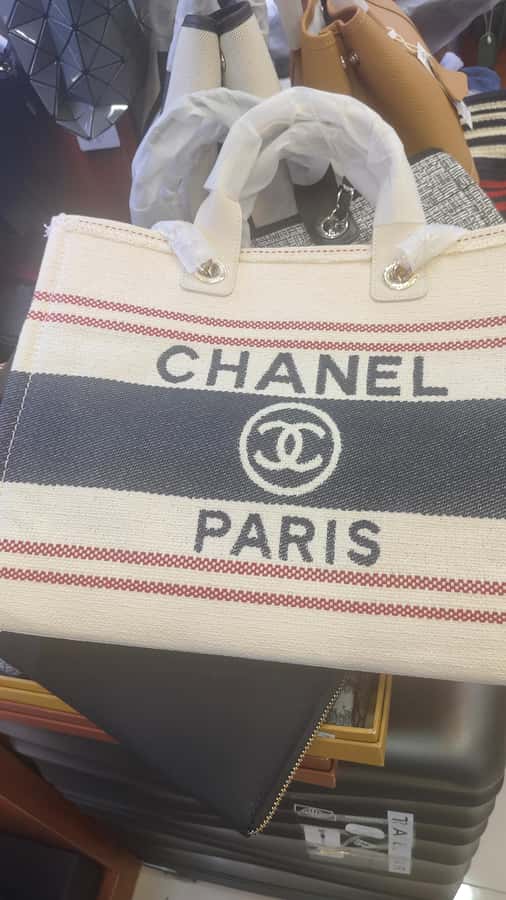
Keep in mind that some stops focus on shopping, including a mall known for knocked off merchandises, so plan to treat purchases carefully. Even when a tour is friendly and straightforward, you should think through what you’re buying and how you’ll handle it after the trip.
Key highlights worth your time

- Huaqiangbei: the huge electronics marketplace where gadgets and parts move quickly
- Dongmen Old Street: one of China’s oldest shopping streets, with daily bargain culture
- China’s first McDonald’s location on Dongmen old street
- Luohu Port: a long-running Hong Kong-to-China crossing with history behind it
- Mistress Village: an unofficial red-light district stop that adds context to the area
- A Luohu-area shopping stop focused on knocked off merchandises, with your guide helping on the ground
Where the tour starts: Huaqiang North and a market mindset
The day begins at Huaqiang North Station, Exit B, street level. That matters because Huaqiangbei is not one tidy shopping block. It’s a district built for walking, repeating, comparing, and asking questions fast. I like tours that start in the real workflow area instead of a random hotel pickup, and this one does that.
I’d also wear shoes you can stand in for a while. Market days have a lot of stopping and scanning, and you’ll want your feet ready. The tour is priced at $40 per person, which is a fair deal if you plan to shop, because the guide’s presence is basically the ticket to moving around efficiently and negotiating without awkwardness.
Huaqiangbei: Asia’s biggest electronics market in real life
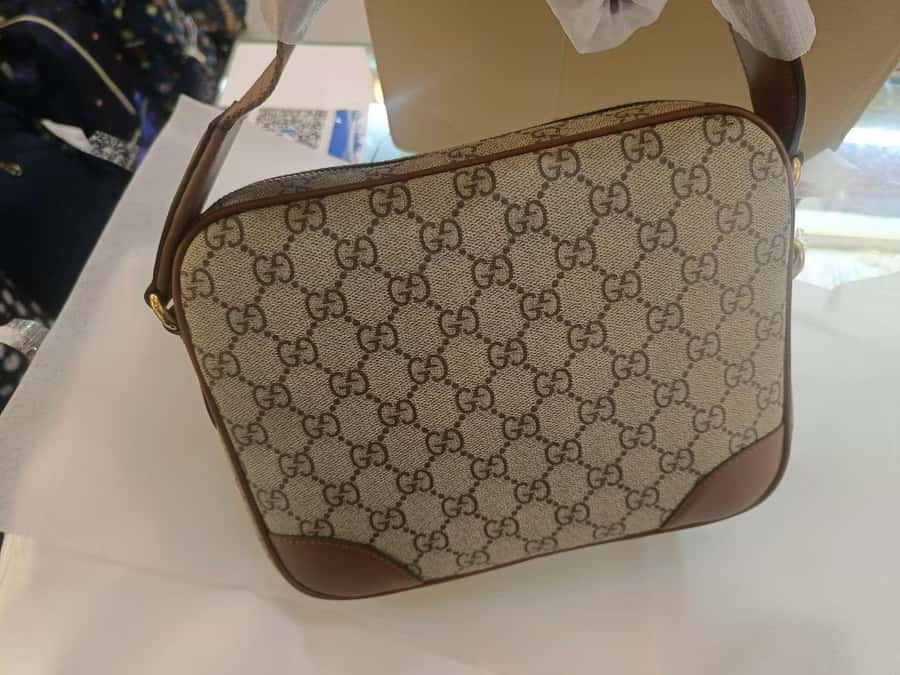
Your first major stop is Huaqiangbei, described as the largest electronic market in Asia. This is the kind of place where the scale hits you in stages. First you notice how many sellers there are. Then you start seeing how tightly the whole area is wired into supply chains. The tour framing here is useful: Huaqiangbei isn’t just a place to buy gadgets, it’s also a hub where goods are shipped out across the world.
What you’ll feel walking through it is not shopping as a leisure activity. It’s trading energy. You’ll see vendors working with moving carts, stacks, boxes, and quick questions like what model, what version, and what price. If you’re into electronics, parts, cables, drones, accessories, or even just understanding how tech supply works at street level, this stop can become the highlight of your whole Shenzhen day.
Practical advice: set your expectations. Even if you know exactly what you want, markets like this reward patience. Your guide can help you compare options and push for a better number, but you still want to look closely at what’s being offered. Ask about what’s included, check for damage, and confirm the item you’re actually getting before you hand over cash.
Dongmen Old Street: China’s bargain culture and an old-street time warp
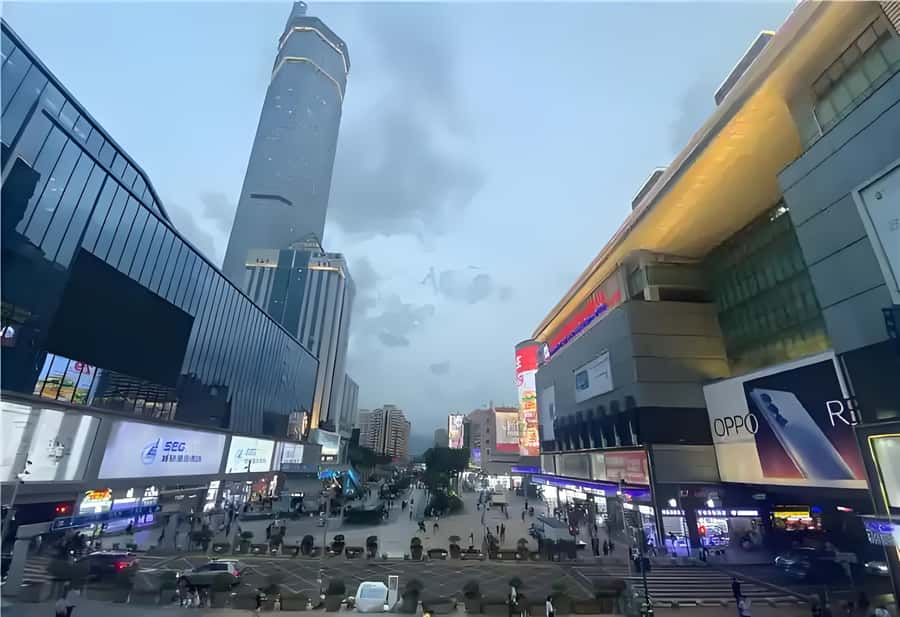
Next you head into Dongmen Old Street, a historic shopping district locals have used for everyday bargains for centuries. The tour notes it dates back to the Qing dynasty era, and that long timeline changes how you see the street. It’s not only about today’s shops. It’s about why this area became the default place to shop when people needed reliable deals.
Here’s one of the best parts of this tour style: you get both the shopping and the context. Your guide leads you through the street with the idea that you’re seeing how ordinary people buy things, snack things, and keep life moving.
Also, Dongmen is where you can spot a big milestone without hunting. The tour includes China’s first McDonald’s location, which is a fun reality check. It’s not a theme restaurant or a modern marketing stunt. It’s a marker of how international food culture arrived and then got absorbed into a local shopping street.
Food tip: Dongmen is also described as a paradise for people who like to eat across different regions of China. I’d plan to stop for snacks, even if you’re not doing a full meal. Market streets are better when you treat them like an all-day tasting route.
The 1980s slum replica canteen: Nostalgia with a purpose
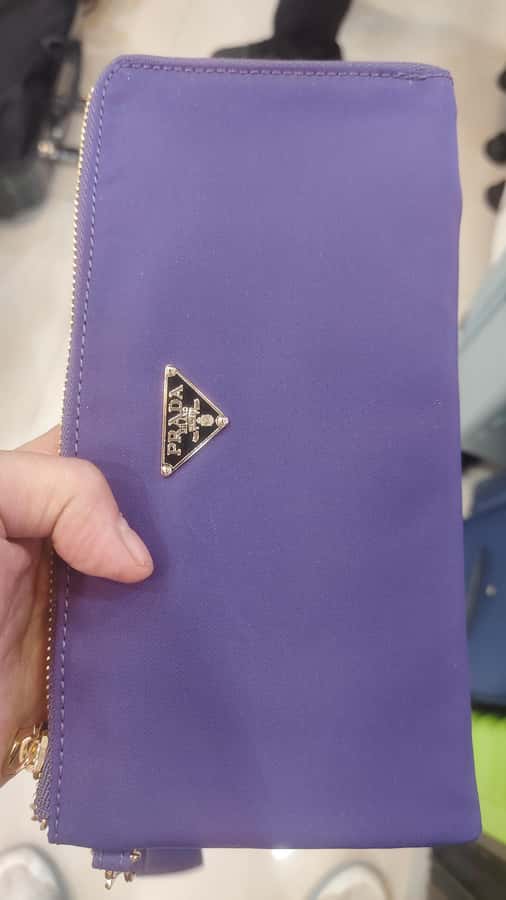
Inside Dongmen, you visit something called the Nostalgic (Commune Canteen). It’s in a replica of a 1980s slum—the tour presents it as a chance to step back in time and see a style of everyday life setting.
I like this part because it gives the day another texture. Huaqiangbei is modern trade. Luohu is border history. Dongmen is daily consumption. The canteen adds the question: how did people eat and live in older Shenzhen-era China, and how do present-day visitors understand that past?
Even if you’re not into themed spaces, it’s worth using this stop as a pause. Sit down, look around, and reset before you head toward the port area.
Moving toward Luohu Port: the old checkpoint between Hong Kong and China
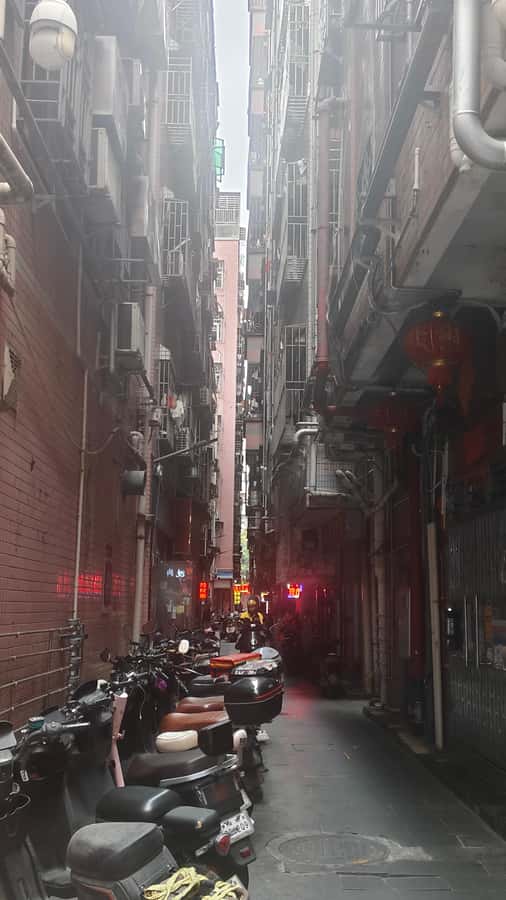
Then you shift to Luohu Port, one of the busiest China-to-Hong Kong checkpoints. The tour describes the port as officially opened in 1950, which makes it one of the older border crossings connecting the two areas.
This matters because Shenzhen’s identity isn’t just its factories and tech markets. It’s also geography. Luohu is where cross-border movement shaped what people sell, what people buy, and what kinds of businesses survive there. Walking into this area with context from your guide helps you understand why shopping became so intense and so fast.
On the way, the tour includes a stop/pass by around the Unofficial Red Light District (Mistress Village), described as an area connected to Hong Kong visitors in the 1990s due to income disparity. I’d approach this part like a history lesson, not a postcard. You’re not there for entertainment; you’re there to understand how a border zone developed its own social and economic gravity.
Mistess Village context: why border zones attract complicated economies
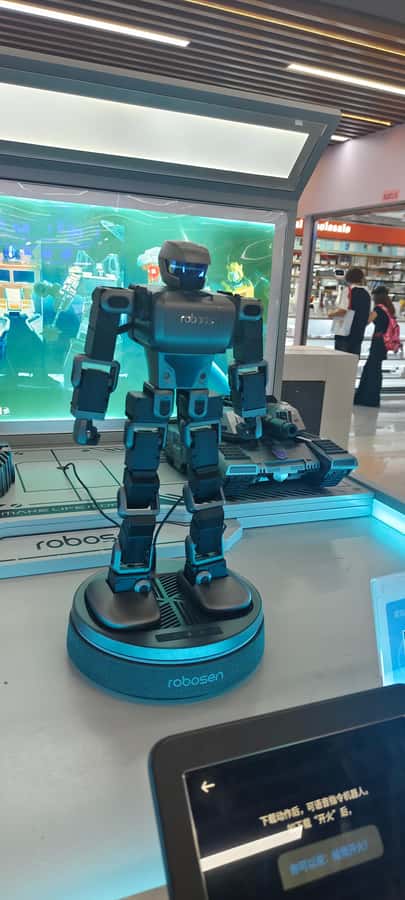
The tour frames Mistress Village as an unofficial red-light district tied to the 1990s, when the area drew Hong Kongers because income levels could be dramatically different. That’s the kind of detail that makes a place feel real, even if you’d rather not think about it.
I appreciate tours that acknowledge the messy side of a city instead of pretending it’s all clean skylines and shopping streets. At the same time, you should be mentally ready: this is a topic that can feel heavy, and it may not match the tone you want if you’re only traveling for light and fun.
If you prefer softer city history, you can treat this as a brief learning stop and focus your energy on the port and shopping afterward.
The knockoff market stop near Luohu: shopping speed, real-world caution
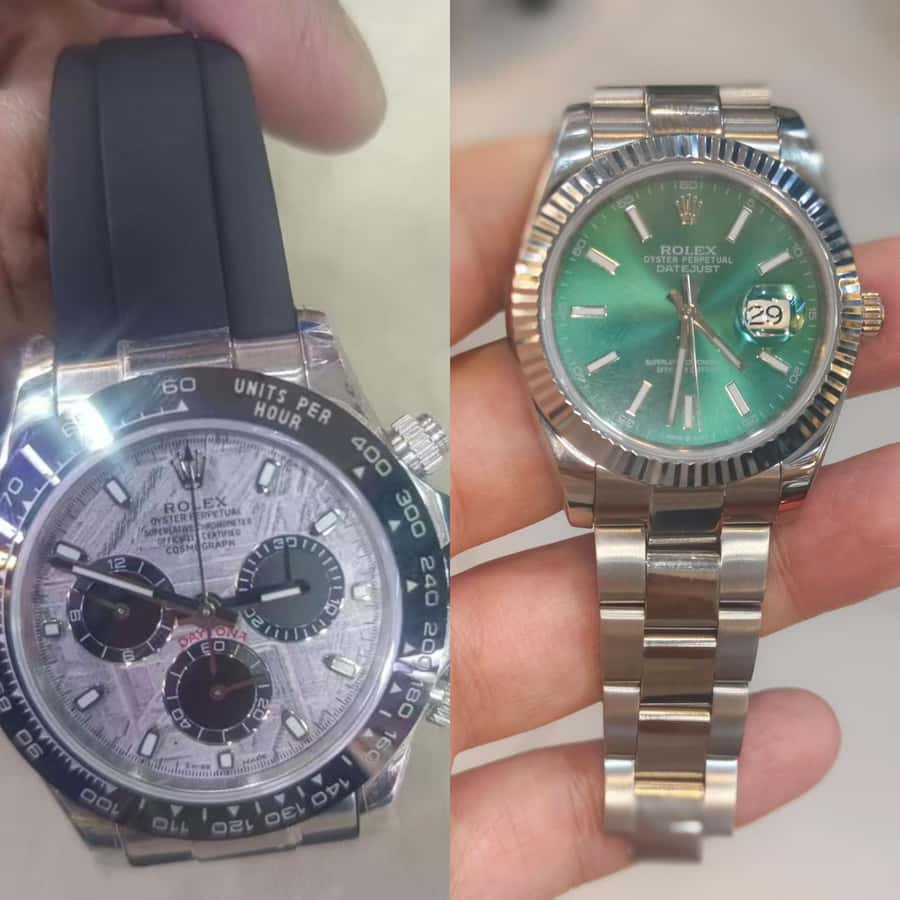
One of the final stops centers on a big Luohu-area mall described as selling knocked off merchandises. The tour positions it as one of the busiest checkpoint shopping areas, which makes sense: people shopping at the border are often looking for quick buys and visible discounts.
The reality here is simple: you’ll see goods marketed as branded or designer-style items, and you’ll hear pricing energy that’s typical of high-pressure retail zones. In a tour like this, your guide helps with bargaining, which can reduce the chance you get taken advantage of by a first-time buyer.
My caution is practical, not moralizing. If you choose to buy, protect yourself:
- Inspect items before paying and confirm what you’re actually getting
- Think about how you’ll travel with the purchase
- Be aware that knockoff goods can come with risks in your home country (customs, legality, and brand enforcement vary widely)
A guide can help you negotiate. They can’t remove every risk from the buyer’s side. Use the tour’s edge to shop smart, not to rush.
Bargaining help is the secret weapon on this route
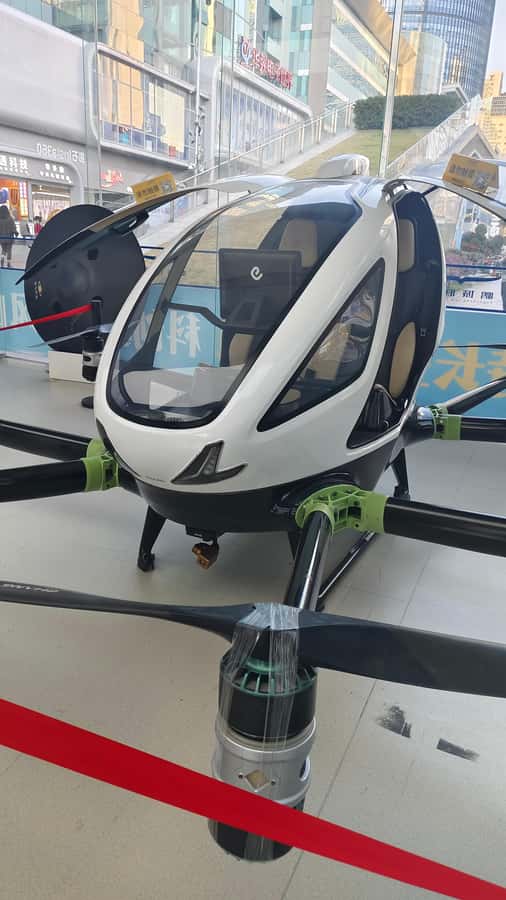
A big selling point here is explicit: your guide will help you bargain with vendors in the electronic market and again in the port-area shopping stops. That’s huge if you’ve never negotiated in China before, because markets can feel like a language game. Even if you know numbers, the exchange style can catch you off guard.
I like that the tour sets this expectation up front. It’s not just a walk-through. It’s a shopping support model.
From a value perspective, bargaining help can save you more than the tour price if you plan to buy anything meaningful. And even if you’re not planning to spend a lot, bargaining help still matters because it teaches you what questions to ask, how to compare offers, and how to avoid the first-price trap.
Price and value: is $40 actually a good deal?
At $40 per person, this tour is good value when two things are true:
1) you want shopping time you can handle without constant confusion
2) you’re open to negotiating with a guide acting as the bridge
If you’re the type who likes to browse electronics, hunt for deals on street shopping, and see how the border economy works, the price lines up nicely. You’re paying for a guided route plus the added advantage of bargaining assistance at the places where bargaining matters most.
On the flip side, if you want only sightseeing and you don’t care about markets or shopping, $40 might feel like more than you’ll use. This tour’s center of gravity is clearly commerce and context.
Who this tour suits best
This fits best if you:
- want an off-mainstream Shenzhen day built around real markets
- like practical history tied to places, not only monuments
- plan to buy something in Huaqiangbei or the Luohu-area shopping stops
- enjoy negotiating, or at least want training wheels to do it confidently
It’s less ideal if you:
- hate bargaining and prefer fixed-price shopping only
- don’t want any part of the day to touch on the unofficial red-light district context
- want a slow, sit-down city tour focused on galleries and parks
Should you book this Untold Shenzhen tour?
I’d book it if you’re the kind of traveler who wants Shenzhen explained through the places that actually run the city: the electronics trade engine, the historic shopping street, and the Luohu border zone story. With a guide providing bargaining help and a route that connects multiple Shenzhen identities in one day, it’s a solid use of time.
If you’re primarily chasing calm sightseeing with minimal shopping energy, you’ll probably feel restless. But if you want a day that feels like the city is talking back to you through markets, I think you’ll leave with better understanding and at least a few smart purchases.
FAQ
What does this tour cost?
The price is $40 per person.
Where does the tour start and end?
It starts at Huaqiang North Station Exit B (street level) and ends back at the same meeting point.
What’s included in the tour price?
A tour guide is included.
Which areas does the tour cover?
You’ll visit Huaqiangbei (electronics market), Dongmen Old Street (including the first McDonald’s in China), Luohu Port, and you’ll also pass by the Mistress Village area. There’s also a Luohu-area shopping stop for knocked off merchandises.
Will the guide help with bargaining?
Yes. The tour includes help bargaining with vendors in the electronic market and other shopping stops.
What should I bring?
Wear comfortable shoes, since you’ll be walking through busy market areas.
Is the tour conducted in English?
Yes, the tour language is English.