REVIEW · ZAGREB
Croatian cuisine cooking class with Dolac market tour
Book on Viator →Operated by Zagreb Gourmet Experience, vl. Karmela Karlovic · Bookable on Viator
Dolac Market is a quick crash course in food culture. This small-group cooking class pairs a stroll through Zagreb’s iconic market with a hands-on studio workshop, so you leave with both recipes and a better sense of how Croatians shop, cook, and eat.
I really like two parts: the Dolac market walk (with real context about what you’re seeing) and the fact that you learn three traditional dishes from different regions, not just one.
One thing to plan for: there’s no hotel pickup, and it starts at 10:00 am, so you’ll want to get yourself to Ban Jelačić Square and be ready to cook on schedule.
In This Review
- Key Points at a Glance
- Dolac Market: Your Zagreb Market Walk Before Cooking
- A 5-Minute Stroll to the Studio (and Why Small Groups Matter)
- Cook Three Traditional Croatian Dishes: Minestrone, Prune Pork, Strudel
- Chicken minestrone: the comfort starter
- Prune-stuffed pork with cream sauce: the standout lesson
- Seasonal strudel: dessert that fits the rhythm of the day
- Dolac Ingredients to Studio Plates: How the Market-to-Table Link Works
- Croatian Wine Pairing and the Meal You Actually Eat
- Price and Value: Is $156.53 Worth It?
- Practical Timing and Where to Meet Without Headaches
- Who This Class Suits Best (and Who Might Want Something Else)
- Booking Smart: How Far Ahead to Plan
- Should You Book This Zagreb Market-to-Table Class?
- FAQ
- What dishes do we cook in this Zagreb class?
- Is lunch included?
- Is Croatian wine included?
- How long is the experience?
- How many people are in the group?
- Where does the tour start and end?
- What language is the class offered in?
- Can I cancel if my plans change?
- Do we get hotel pickup?
Key Points at a Glance
- Dolac Market first: You start in the real place where people buy ingredients.
- Max 12 people: Small size keeps the class personal, not lecture-style.
- 3-course Croatian menu: Chicken minestrone, prune-stuffed pork, and seasonal strudel.
- Wine is part of the meal: You taste alongside what you cook.
- English-led with step-by-step help: Designed for visitors who want to recreate the dishes later.
Dolac Market: Your Zagreb Market Walk Before Cooking
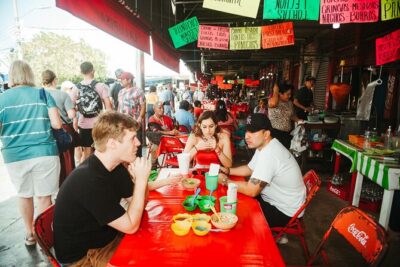
Dolac Market is one of those places where you can learn a lot without trying. The space works like a map of local life: you see what’s in season, meet the vendors’ style of doing business, and understand how ingredients shape the dishes you’ll cook later.
Your morning begins at Ban Jelačić Square, then you head into Dolac to take in the market atmosphere and the food traditions tied to it. The key point here is not just browsing. You’re learning what certain products mean in Croatian kitchens, and how people choose what they’re buying.
You’ll also get practical ideas that instantly improve your cooking back home. Markets teach you more than recipe steps: they train your eye for freshness and your brain for substitutions. Even if you never cook like a Croatian grandmother, you’ll get better at picking ingredients that actually matter.
One more useful thing: starting with the market helps the rest of the class make sense. When you later prep ingredients for the three-course meal, you’re not guessing what something is or why it’s being used.
You can also read our reviews of more tours and experiences in Zagreb.
A 5-Minute Stroll to the Studio (and Why Small Groups Matter)
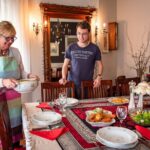
After Dolac, you take a short walk—about five minutes—to the cooking studio. That distance matters. It keeps the whole experience smooth, and it helps you shift quickly from watching and learning to actually working with the food.
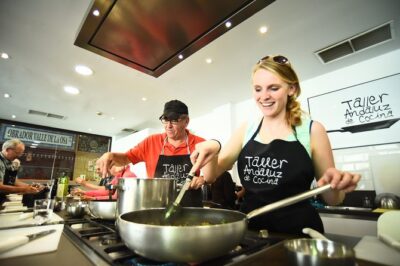
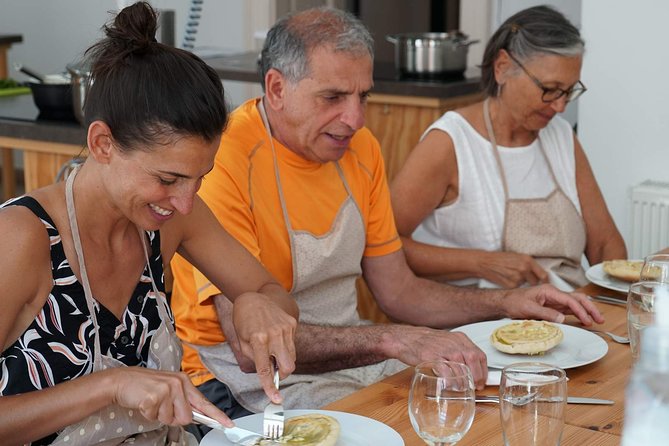
The class is capped at 12 participants, which shows in the pacing. You’re not stuck waiting around for your turn while someone else runs the whole show. Instead, you get step-by-step guidance while you chop, assemble, and cook.
The instructor is Karmela (Zagreb Gourmet Experience, vl. Karmela Karlovic). In the studio, her style comes through fast: she’s set up for teaching, and she explains in a way that helps you get the technique right without overthinking it. I especially like that the recipes are positioned as approachable—good for beginners who want real results.
There’s also a homey vibe. One nice detail people bring up is that Karmela’s cat may be hanging around as a quiet spectator. It’s the kind of touch that makes the studio feel like a real cooking space, not a staged show.
Cook Three Traditional Croatian Dishes: Minestrone, Prune Pork, Strudel
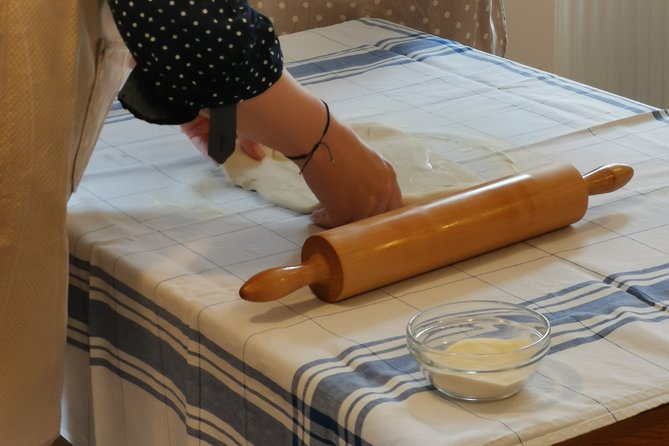
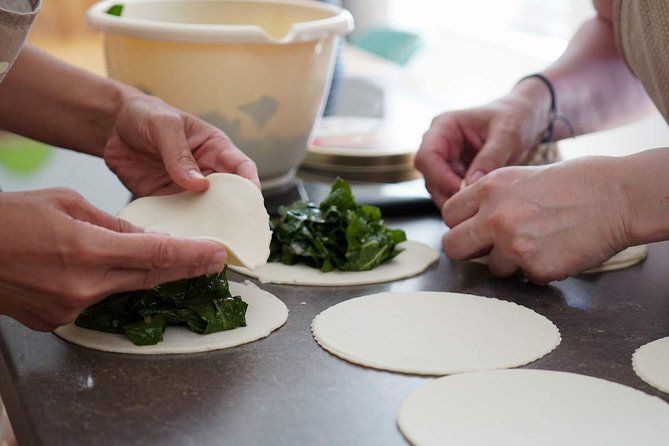
This class isn’t just hands-on. It’s hands-on with a menu that makes sense together: an appetizer-style starter, a heavier main, and a dessert that fits the same regional logic of using seasonal fruit and honest dough.
Here’s the menu you’ll cook:
- Starter: Chicken minestrone
- Main: Pork tenderloin stuffed with prunes in cream sauce with pasta
- Dessert: Seasonal strudel
Chicken minestrone: the comfort starter
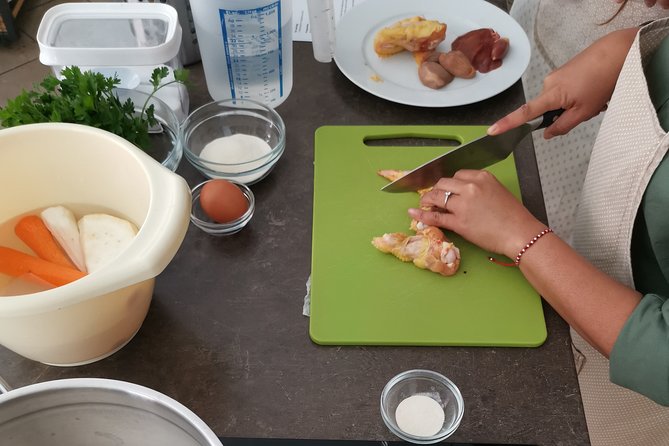
Minestrone is the kind of dish that teaches you how to build flavor. You’ll prep and cook the starter so you can see how vegetables, broth, and seasoning come together into something more than the sum of parts.
What I like about starting with this dish is that it’s forgiving. Even if you’re nervous, you can focus on the core steps: chopping, timing, and seasoning. And it sets up the rest of the meal without being too heavy.
Prune-stuffed pork with cream sauce: the standout lesson
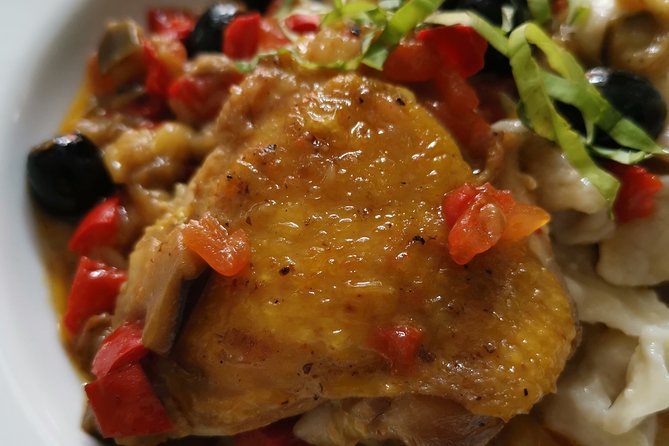
The main is memorable: pork tenderloin stuffed with prunes in cream sauce, served with pasta. This is the kind of recipe that feels fancy on paper, but the workshop approach makes it learnable.
This dish also gives you something useful for your own cooking: the idea of mixing sweet and savory in a controlled way. In this case, the prunes add depth and a gentle fruit note, while the cream sauce smooths everything into a cohesive bite.
If you like learning technique, this is where you’ll feel the most growth. You’re not just stirring—you’re assembling and thinking about how ingredients interact.
Seasonal strudel: dessert that fits the rhythm of the day
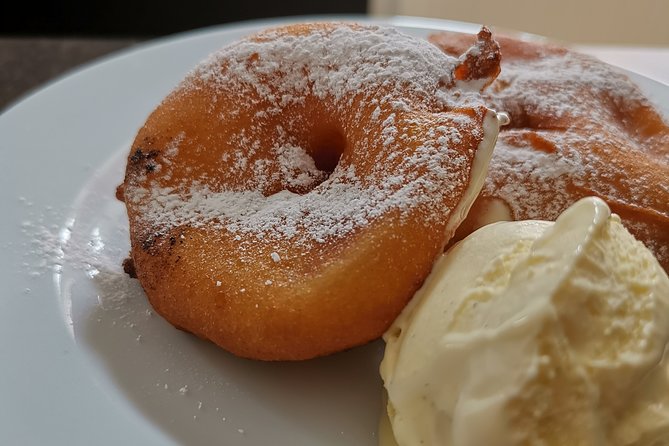
For dessert, you make seasonal strudel. That word matters: seasonal means it’s designed around what fits the time of year, and it keeps the dessert from feeling like an afterthought.
Strudel is also a great last lesson because it’s about structure—how the filling and dough work together. Even if you don’t replicate the exact same results at home immediately, you’ll understand what to aim for and what signals tell you it’s done.
Dolac Ingredients to Studio Plates: How the Market-to-Table Link Works
The best market-to-table experiences do more than connect two locations. They create a story your brain can follow.
Here, the link works like this:
- You learn what people buy at Dolac and why certain items matter.
- You walk to the studio quickly and start cooking while those impressions are still fresh.
- You cook a menu that reflects traditional practice across different regions of Croatia.
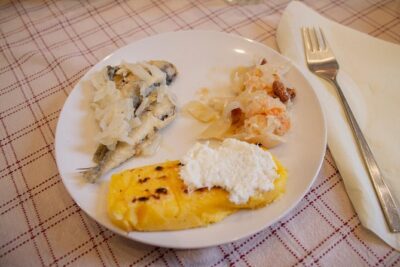
- You sit down and eat the results right away, paired with wine.
That last step is important. Eating the food on the same day helps you lock in flavors and textures. It also helps you judge whether you like your version of the dish. If you decide something needs more salt, more acidity, or a different consistency next time, you’ll actually remember what the original tasted like.
This is the kind of experience that turns recipes from lists into know-how.
Croatian Wine Pairing and the Meal You Actually Eat
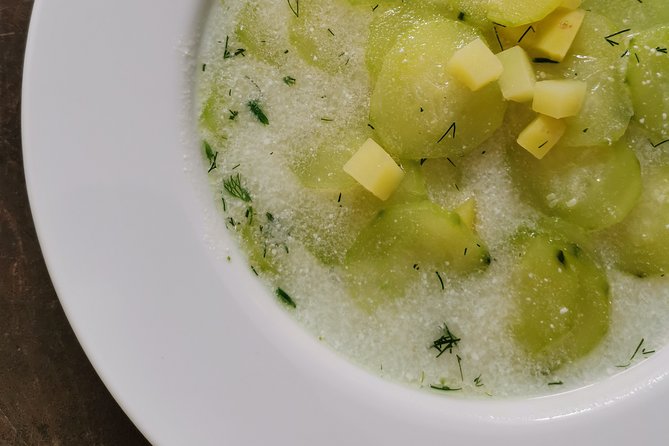
Once the cooking is done, you sit down and enjoy what you made. The meal includes authentic Croatian wine pairing with your dishes, which keeps the experience from becoming purely instructional.
I like wine pairing that’s included like this, because it supports the menu instead of competing with it. You get to taste with the food while everything is still hot and fresh. For a four-hour class, that pacing matters. You’re not cooking for two hours and then eating something hours later.
Also, because you’re in a small group, the conversation tends to be easy. People mention having fun while they cook and taste, and that tracks with how the class is set up: it’s organized, but not stiff.
And yes, come hungry. You’re preparing a full meal, then eating it.
Price and Value: Is $156.53 Worth It?
At $156.53 per person for about four hours, you’re paying for three things at once:
- access to Dolac with guidance,
- instruction plus ingredients for a 3-course meal,
- and wine pairing.
Many cooking classes charge you mainly for the studio portion. This one adds real market time first, which is where you get the context. That context is hard to replicate on your own unless you already know what you’re looking for in Croatian markets.
Then there’s the small-group cap of 12, which matters for value. More hands-on time, more chances to get questions answered, and less waiting around. If you’ve ever done an experience where you spend most of the time watching, this is designed to avoid that.
Is it cheap? No. But it’s not just a snack-and-photo class. You’re leaving with skills, a full meal, and local wine included—exactly the kind of “I can do this again” value that makes a food experience feel worth it rather than just fun.
Practical Timing and Where to Meet Without Headaches
The experience starts at 10:00 am at Ban Jelačić Square. It ends back at that meeting point, so you’re not dealing with complicated drop-offs.
There’s no hotel pickup, and the activity is near public transportation. That means you can plan to meet in the center of the city and arrive on your own schedule—just don’t cut it close.
If you’re doing other Zagreb sightseeing that morning, you’ll want to build buffer time. Cooking takes time, and you’ll be moving between locations and then cooking with real focus. The good news is that the total duration is only about four hours, so it’s a half-day plan you can fit into a busy itinerary.
One more practical tip: if you snack before the class, keep it light. The whole point is that you’ll eat what you cook, and you don’t want to feel stuffed and tired halfway through.
Who This Class Suits Best (and Who Might Want Something Else)
I’d point you toward this cooking class if you want:
- an organized way to learn Croatian cooking basics,
- a market experience that actually connects to what you cook,
- and a meal with wine that you don’t have to plan or reserve separately.
It’s also a strong choice for groups. People have gone as couples and even as families, and the format is hands-on enough that more than one type of traveler can enjoy it. With kids, it can work well if they’re comfortable doing basic tasks like mixing, assembling, or chopping soft ingredients (the exact level of participation depends on the instructor’s flow).
If you want an ultra-flexible cooking show where you just watch, this may feel too active. You’ll be cooking, not observing from the sidelines.
Also, if you’re not comfortable standing and working for a few hours, think carefully. It’s not described as slow-moving, and kitchens require movement.
Booking Smart: How Far Ahead to Plan
On average, this experience gets booked about 39 days in advance. That’s a useful hint. For popular dates in Zagreb—especially in busy seasons—you’ll likely want to lock it in earlier rather than later.
A mobile ticket is provided, and the class is offered in English, which simplifies things if you’re traveling without Croatian language skills. You’ll also get confirmation at booking time.
If you’re building your Zagreb trip, this is a great “anchor activity” on day one or day two. It gives you immediate food context, and it makes later restaurant meals in the city easier to understand.
Should You Book This Zagreb Market-to-Table Class?
I think you should book it if you want real value from a short time in Zagreb. The market-to-studio flow is clean, the group size stays small, and the menu is substantial: a full 3-course meal with wine, not a few bites.
If you’re the type who likes learning practical cooking skills you can reuse at home, this class is built for that. You’ll get step-by-step guidance from Karmela, a menu with approachable dishes, and a strong sense of why each ingredient belongs.
Skip it only if you strongly prefer to watch rather than cook, or if 10:00 am plus no hotel pickup would make your day messy.
FAQ
What dishes do we cook in this Zagreb class?
You’ll prepare three traditional Croatian dishes: chicken minestrone (starter), pork tenderloin stuffed with prunes in cream sauce with pasta (main), and seasonal strudel (dessert).
Is lunch included?
Yes. The class includes lunch, and you’ll sit down to eat the three-course meal you cook.
Is Croatian wine included?
Yes. Your meal is paired with authentic Croatian wine.
How long is the experience?
It’s about 4 hours.
How many people are in the group?
The workshop is capped at 12 travelers, so it stays small-group and more personalized.
Where does the tour start and end?
It starts at Ban Jelačić Square (Trg bana Josipa Jelačića, 10000 Zagreb) and ends back at the same meeting point.
What language is the class offered in?
The experience is offered in English.
Can I cancel if my plans change?
Free cancellation is available. You can cancel up to 24 hours in advance for a full refund.
Do we get hotel pickup?
No hotel pickup is included. The meeting point is near public transportation, and you’ll meet there.