REVIEW · FLORENCE
Tuscan Cooking Course with Florence Central Market Visit
Book on GetYourGuide →Operated by CAF Tour & Travel · Bookable on GetYourGuide
San Lorenzo is where Tuscan cooking starts. This 5-hour class pairs a market visit with a hands-on lesson in a proper culinary school, so you cook from ingredients you actually picked.
I really like that you learn technique, not just recipes—past classes I’ve read about named helpful moves like an olive oil and water trick for better flavor. You’ll also get a real chef-led experience with plenty of Q&A, not a sit-and-watch demo.
My second big love: you finish with the meal you made, in four parts (appetizer, first course, main, dessert). It’s practical, too. The recipes are included so you can repeat the dishes later without hunting down notes.
One drawback to plan around: the class is not suitable for wheelchair users, and it’s not a great fit if you’re dealing with severe or contact celiac needs due to contamination risk. Also, the kitchen can feel tight if your group is on the larger side.
In This Review
- Quick Hits
- Piazza San Lorenzo Meeting Point and What to Wear
- The Market Walk: Choosing Tuscan Ingredients in Real Time
- What you’ll likely notice (even without being a food expert)
- Possible snag
- Inside the Culinary School: Cooking a Real Four-Course Tuscan Menu
- Learn by doing (and getting corrected fast)
- Pace and space: how it feels
- Instructors and teaching style
- Lunch You Made: Where the Wine and Conversation Fit In
- A quick note on pacing
- Recipes to Take Home: Making Your Kitchen Feel Like Florence
- How to use the recipes effectively
- Price and Value: Is $93 Fair for a 5-Hour Food Lesson?
- Who Should Book This Tuscan Cooking Course
- Should You Book This Tuscan Cooking Course with Florence Central Market Visit?
- FAQ
- Where is the meeting point?
- How long is the Tuscan cooking course?
- What’s included in the price?
- What should I bring?
- Are pets allowed?
- What languages are available for the instructor/guide?
- Is this suitable for everyone, including wheelchair users and celiac travelers?
- How many people are in the group?
Quick Hits
- San Lorenzo market shopping first, so your cooking starts with ingredient choices you can taste later
- Four-course lunch you prepare yourself: appetizer, pasta/first course, main, dessert
- Chef energy matters: instructors like Caterina, Greta, and Francesco have led sessions and helped people get involved
- Ingredient tastings you might not expect, including olive oil, truffle oil, and balsamic vinegar
- Recipes to take home, so you can recreate the dishes instead of relying on memory
Piazza San Lorenzo Meeting Point and What to Wear
You meet in Piazza San Lorenzo at the statue in the middle of the square. An assistant will be waiting in blue clothing to match you up with the group. It’s an easy start point in the center of Florence—good if you’re trying to squeeze one standout food experience into a busy trip.
Wear comfortable shoes. Market + school means walking and standing more than you might guess, especially if you take time to browse and compare ingredients. This isn’t a flip-flops tour. Also, pets aren’t allowed.
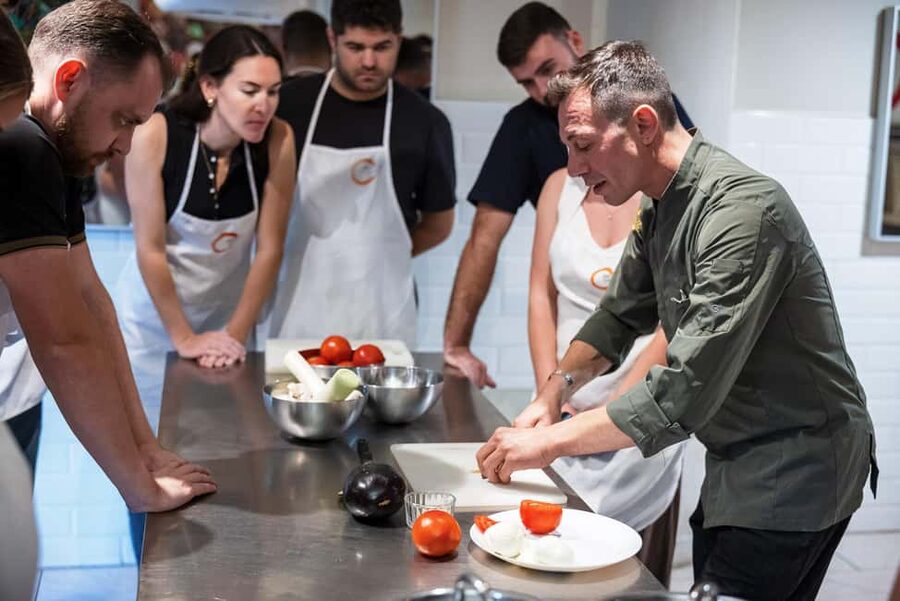
Small-group setup matters here. The format is small, with one professional chef for each 15 participants, so you should expect some real interaction while cooking. In one past session, the kitchen setup (workspaces at benches) was described as more comfortable with a smaller group size, so if you’re sensitive to crowding, aim for quieter time slots when available.
You can also read our reviews of more tours and experiences in Florence.
The Market Walk: Choosing Tuscan Ingredients in Real Time
The best part of this experience is that the market visit is not just for sightseeing. It’s where your menu becomes personal. You’ll walk Florence’s historic food market and then hand-select seasonal ingredients for the courses you’ll cook later.
San Lorenzo is a practical place to learn how Italians actually think about food:
- Seasonality shows up fast. You can see what’s fresh and what looks best that day, then you build around it.
- Quality cues are obvious once someone points them out. You’ll learn what to look for and how to decide between similar items without getting lost in the stall maze.
A lot of the value comes from tastings during the market portion. Past groups have mentioned olive oil, truffle oil, and balsamic vinegar tasting—plus explanations that connect the flavors to what you’ll cook. If you like food details, you’ll appreciate how those tastes translate into a sauce, a dressing, or a finish.
Also, you’re with a multilingual guide (English, Italian, Spanish, German). That matters because you’ll understand what you’re buying—why one product works better than another—and not just point at things and hope.
What you’ll likely notice (even without being a food expert)
You don’t need to be a foodie to enjoy this. You’ll come away with a sharper sense of ingredients that matter in Tuscan cooking: olive oil quality, the role of vinegar, and how herbs and vegetables show up in simple but flavorful dishes.
Possible snag
The market portion can feel like a lot for people who wanted more pure cooking time. If you’re the type who wants to run the knife more than wander, keep that in mind.
Inside the Culinary School: Cooking a Real Four-Course Tuscan Menu
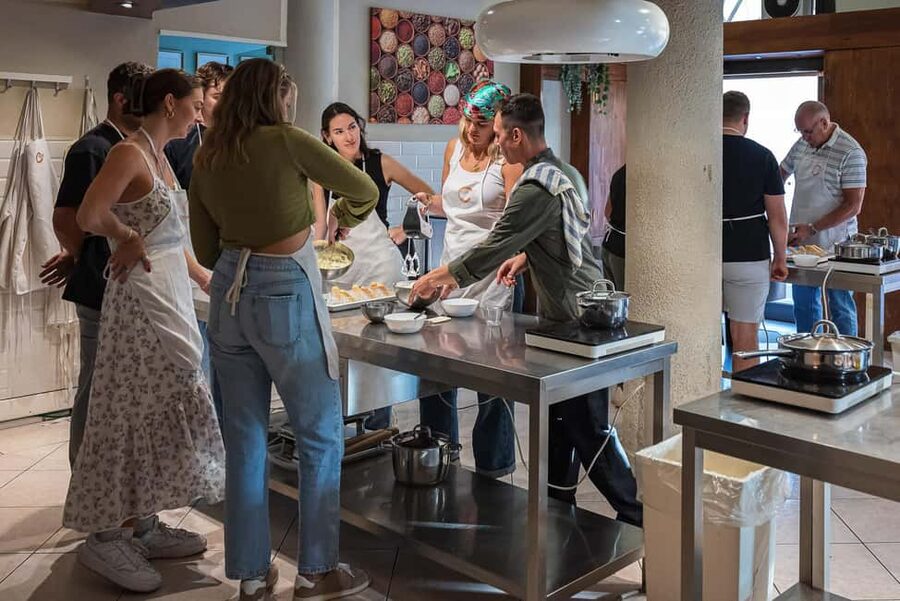
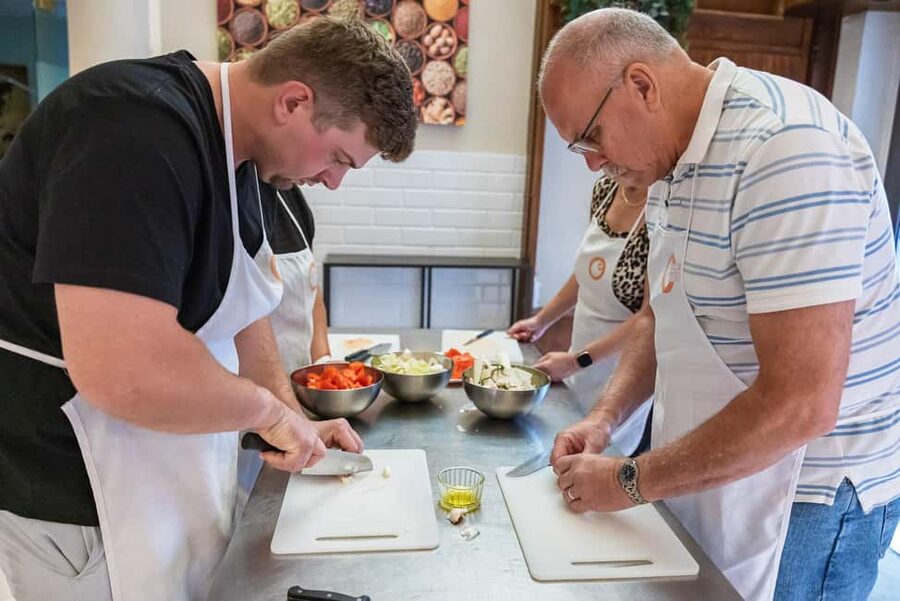
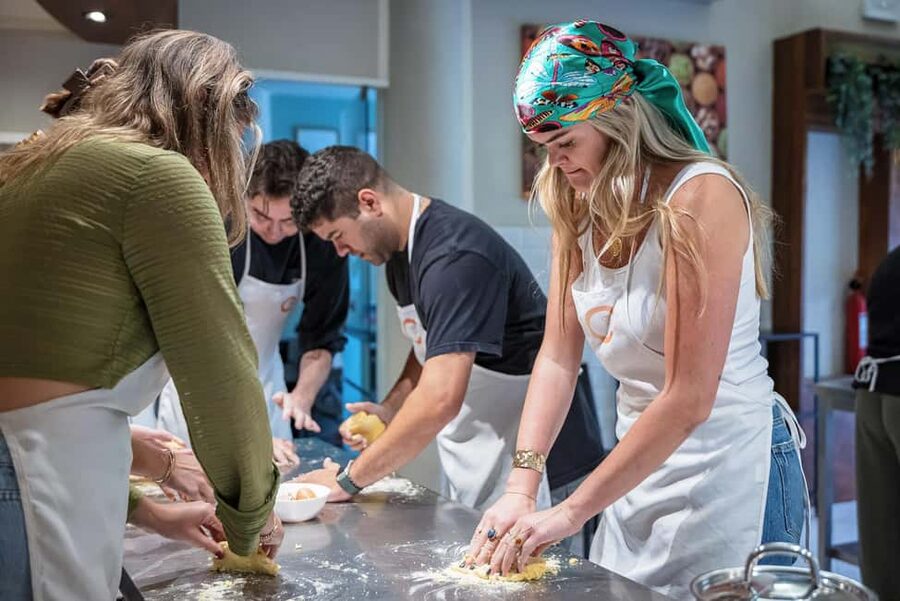
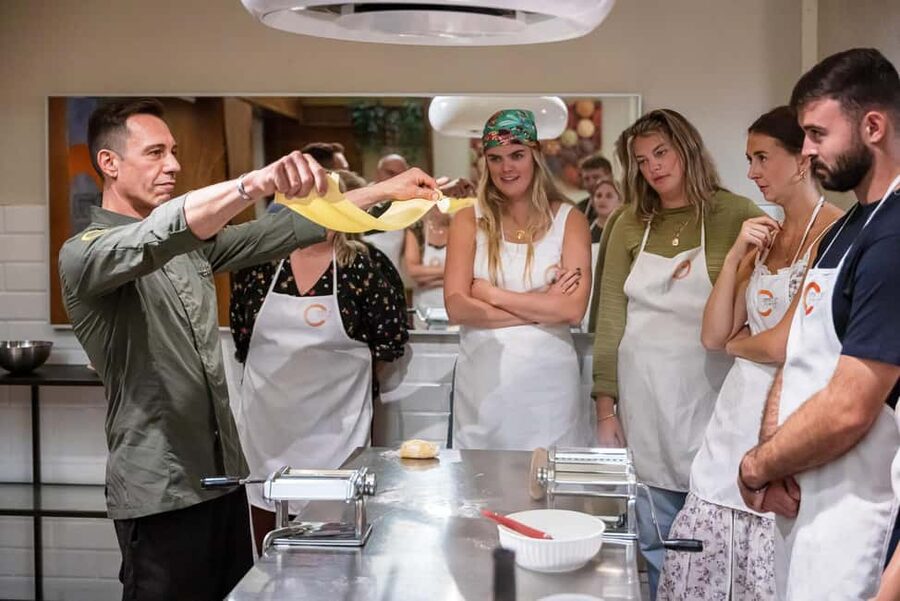
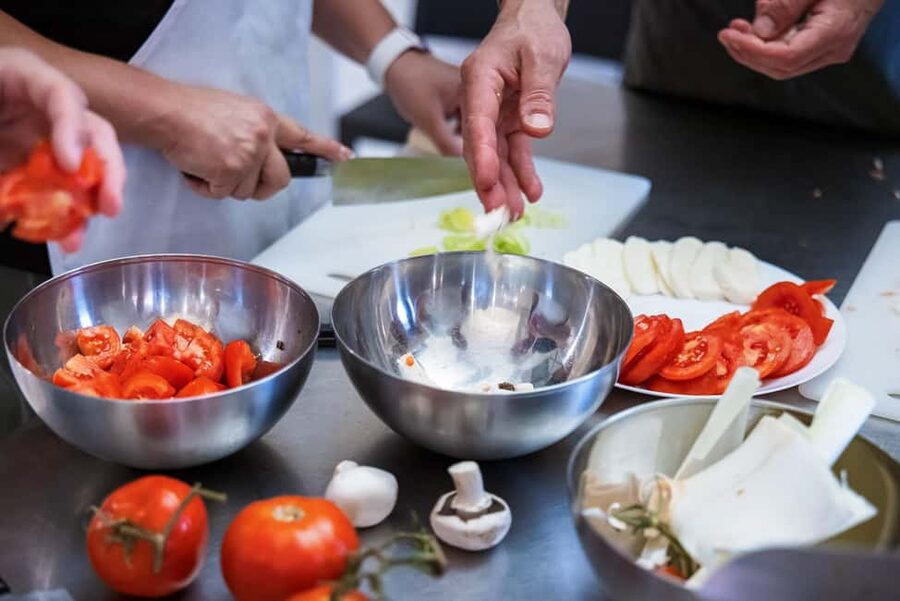
After the market, you move into the cooking school and turn what you bought into a full four-course meal. The lesson is designed for mixed skill levels, with expert support so you can participate without feeling overwhelmed.
The course structure is:
- An appetizer
- A first course
- A main course
- A dessert
Menus can vary by season and class, but examples from past sessions include truffle sauce potato gnocchi, a bell pepper and onion balsamic chicken, and a milk-and-vanilla jello with mixed berry topping. If you see those listed, they’re the kind of dishes that show Tuscan comfort-food logic: simple steps, strong flavors, and ingredients that do the heavy lifting.
Learn by doing (and getting corrected fast)
This is not a cooking class where you do everything from scratch alone. You’ll follow a chef’s plan, but you’ll also get hands-on time. Reviews mention participation in preparation—people weren’t just standing by watching their own lunch get made.
You’ll also pick up technique. One standout example that came up repeatedly in reviews: learning tricks that improve everyday cooking, like an olive oil and water method to get flavor moving in the pan. It’s the kind of tip that makes you feel smarter in your own kitchen right away.
Pace and space: how it feels
Most people described the class as fun, manageable, and not just for professional cooks. Still, the kitchen layout can become cramped if the group is larger. That’s not a dealbreaker, but if you’re someone who hates squeezing around shared stations, you’ll feel it.
Instructors and teaching style
Chef personalities matter in a hands-on kitchen. Past sessions have highlighted instructors like Caterina and Greta for enthusiasm and clear guidance, and Francesco for both humor and strong ingredient storytelling. Translation: you should expect teaching that keeps you moving and makes the lesson feel friendly rather than intimidating.
Lunch You Made: Where the Wine and Conversation Fit In
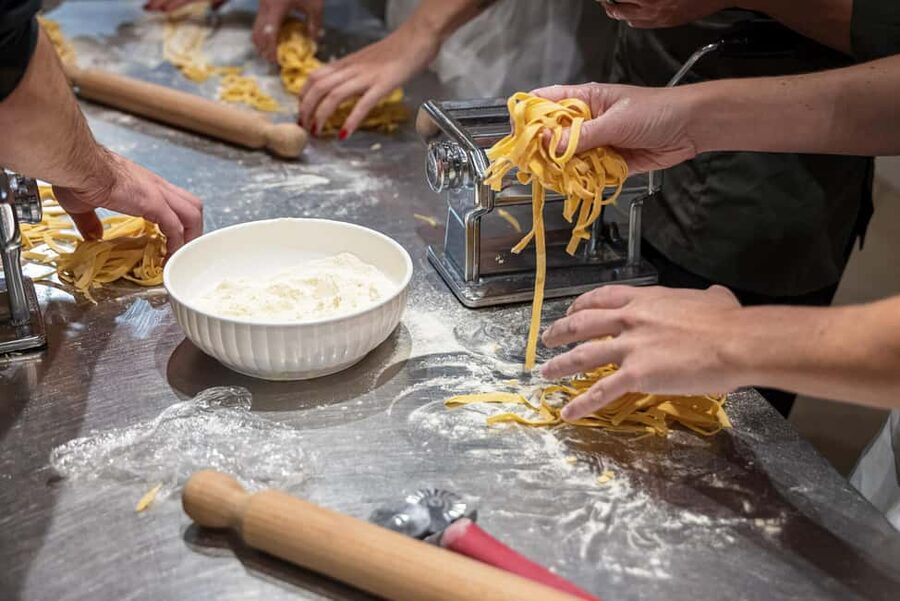
By the end, you sit down to the lunch you prepared. It’s built around your four-course work, and you’ll enjoy it along with fine Tuscan wine.
This is where the experience becomes more than a class. Cooking gives you the skills. Eating together gives you the perspective. You taste what you made and can finally answer the question: did that market choice matter? In most cases, yes—it does.
If you’re traveling with friends or family, this lunch is the part that slows the clock down. You’re not rushing to the next stop. You’re eating. You’ll likely have time to talk about what you liked, which ingredients surprised you, and what you’d cook first at home.
A quick note on pacing
Because the day runs about five hours total, the lesson is efficient. If you love slow cooking and long simmer times, you may wish there were a bit more pure kitchen time. But for many people, the tight schedule is part of the charm: you get a full meal without losing a whole day.
Recipes to Take Home: Making Your Kitchen Feel Like Florence
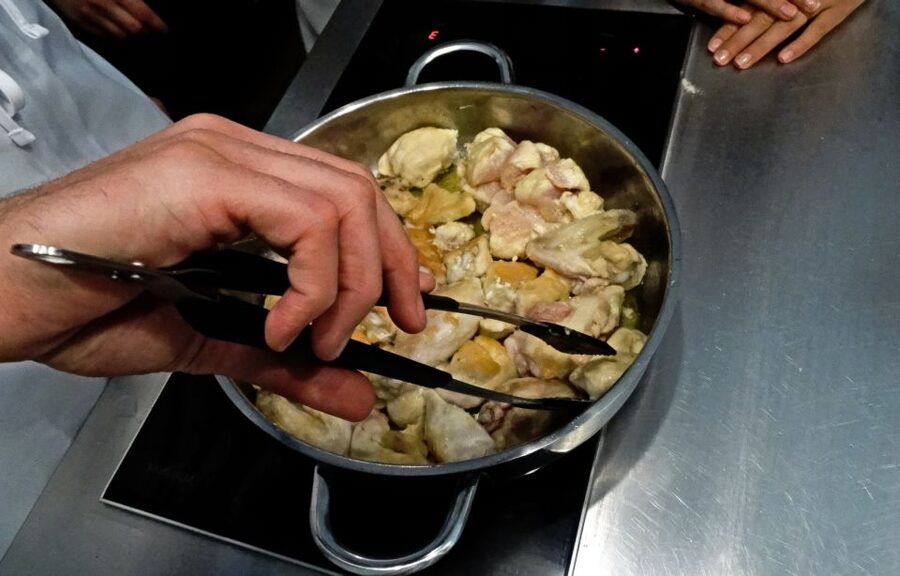
One of the simplest wins in this experience is that recipes are included. After you taste your meal and learn the steps, having the written instructions means you can recreate it without guessing.
From the sessions I’ve read about, people especially liked that they could reproduce pasta at home and revisit techniques they learned in class. If you’re the type who forgets the details the second you step off the plane, bring a notebook habit anyway. The recipes help, but taking one or two notes yourself makes the return even better.
How to use the recipes effectively
When you get home, don’t try to recreate Florence with the same brands you used here. Instead:
- Buy ingredients that match the type (fresh seasonal produce, good olive oil, the right vinegar).
- Follow technique steps closely (timing and how you build flavor).
- Taste as you go. Tuscan cooking rewards small adjustments rather than strict perfection.
If you’re planning a multi-meal “Tuscan week” once you’re home, this class is a great anchor. It gives you both the menu logic and the practical methods.
Price and Value: Is $93 Fair for a 5-Hour Food Lesson?
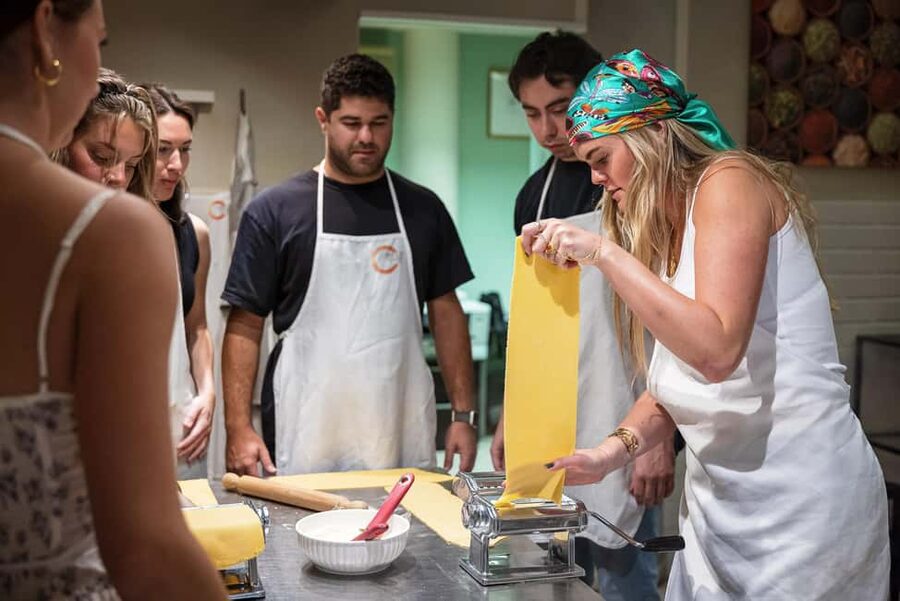
$93 per person sounds like a lot until you break down what’s included. You’re not just paying for a meal. You’re paying for:
- the market visit experience,
- a chef-led cooking lesson,
- the full four-course lunch,
- lunch with drinks (including wine),
- recipes,
- and multilingual support.
The market component is valuable because it changes the learning. You don’t cook from a generic shopping list—you cook from what’s fresh and what you choose. That’s a big difference compared to classes that skip shopping and show you ingredients later.
The four-course format also adds value. You should leave with more than one small bite. You leave fed, with skills you can repeat.
That said, a few reviews flagged the feeling that the market time could be shorter and the cooking time longer. If you’re mainly paying for cooking, go into it expecting that market learning is part of the package, not an add-on.
Who Should Book This Tuscan Cooking Course
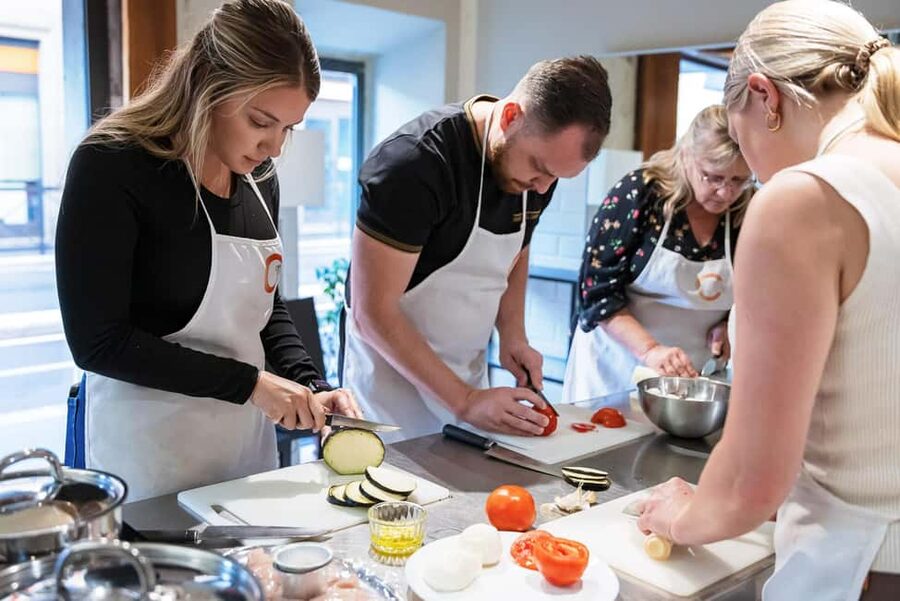
This works best if you:
- want a hands-on Florence food experience, not a passive tour,
- like learning ingredient basics (olive oil, vinegar, and how those flavors show up on a plate),
- enjoy sitting down after class with wine and the results of your work,
- and want recipes to repeat at home.
You might not love it if you:
- strongly prefer wheelchair-accessible activities (this one isn’t able to accommodate wheelchairs),
- need a strict gluten-free setup for severe or contact celiac needs (contamination risk is noted),
- are traveling with small children under 10 (not suitable),
- or you want a longer cooking marathon with lots of extra time for each dish.
Should You Book This Tuscan Cooking Course with Florence Central Market Visit?
If you’re choosing between food tours in Florence, I’d book this one when you want a clear arc: market → cooking → lunch. It’s a well-rounded day that teaches you how to think like a home cook, not just what to eat.
Do it if you’ll use the recipes later. That’s the quiet value here. You pay for a full experience now, and you get tools for future meals. If you hate market wandering, plan to focus on the ingredient choices and tastings so you feel the payoff while you’re standing among the stalls.
Overall, this is a solid pick for an active foodie day in Florence—one where you leave with full stomach, better technique, and a practical reason to cook Tuscan at home.
FAQ
Where is the meeting point?
Meet in Piazza San Lorenzo (San Lorenzo Square) at the statue located in the center of the square. An assistant wearing blue clothing will meet you there.
How long is the Tuscan cooking course?
The total duration is 5 hours.
What’s included in the price?
It includes a multilingual-speaking guide, the cooking lesson, recipes, lunch with drinks, and an agency fee.
What should I bring?
Bring comfortable shoes.
Are pets allowed?
No, pets are not allowed.
What languages are available for the instructor/guide?
Instructors and guides are listed as English, Italian, Spanish, and German.
Is this suitable for everyone, including wheelchair users and celiac travelers?
It is not suitable for wheelchair users, and it also notes that severe and contact celiacs may not attend due to probable contamination risk. It’s also not suitable for children under age 10.
How many people are in the group?
The activity is described as a small group, with one professional chef for each 15 participants.