Palermo tastes like a story you can cook. This 4-hour class turns you loose in Capo market shopping and then feeds you in a real home kitchen while teaching limoncello. I especially like the hands-on flow: you pick ingredients like locals, cook Sicilian classics, and end with a take-home bottle that isn’t just for show. One consideration: while most sessions include genuine cooking and limoncello, there’s one outlier experience in the notes complaining about limited hands-on time, so it’s smart to confirm expectations when you book.
The setting helps. You’re hosted in a charming apartment in the historical Palazzo ASMUNDO near the old Capo and Ballarò markets. I also like the small-group feel capped at 25 people, which makes questions and conversation easier (and yes, there are cats—more on that below).
If you want a fast, scripted factory-style cooking class, this might feel too homey. If you want real Sicilian shopping, real recipes, and a relaxed meal with wine, you’ll likely have a great time.
In This Review
- Key things to know before you go
- Capo Street Market shopping: the best ingredient lesson in Palermo
- Palazzo ASMUNDO: cook where locals actually live
- Caponata: the starter that teaches Sicilian balance
- Busiate with pesto trapanese: pasta with a local signature
- Cassata: dessert that feels like a project (in a good way)
- Limoncello class: citrus craft you can take home
- The flow of a 4-hour home-kitchen meal
- Wine, conversation, and the Patrizia touch
- Value check: is $207.84 worth it?
- Small details that matter: cats, group size, and allergies
- Who should book this Sicilian cooking and limoncello class?
- FAQ
- Where does the tour start in Palermo?
- Is pickup available?
- How long is the experience?
- How big is the group?
- What’s included in the cooking class?
- Can I cancel for a refund?
- Should you book this Palermo market-to-limoncello experience?
Key things to know before you go
- Capo market shopping with guidance so you know what to buy, not just what to photograph.
- A home kitchen in Palazzo ASMUNDO gives you that local, not-tour-group vibe.
- Caponata, busiate pesto, and cassata are built into the experience as classic Sicilian anchors.
- Limoncello-making plus a take-home bottle makes this more than a meal.
- Wine and conversation are part of the plan, not an awkward extra.
- Two cats (Nino and Bella) live on-site, so plan accordingly if you have allergies.
Capo Street Market shopping: the best ingredient lesson in Palermo
Your morning starts near Via Volturno, 78 (start time is 9:30am). From there, you head into Palermo’s historic market area around Capo Street. This is where the experience earns its keep: you’re not just eating Sicilian food, you’re learning how Sicilians choose food.
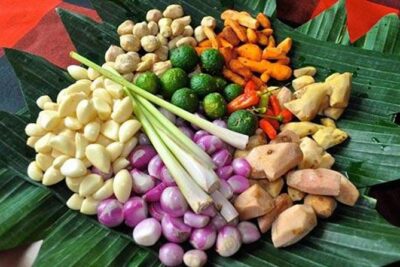
In a market like Capo, you’ll see the logic behind Sicilian flavors. You’re looking for produce that’s actually in season, plus ingredients that make dishes taste like they belong here. The class menu centers on classics that depend on good raw materials. Caponata lives or dies by vegetables and seasoning. Pesto trapanese depends on the right method and balance. Dessert needs ingredients that behave well.
What I like most is that this isn’t treated like a museum stop. You’re shopping with purpose, guided by the host team (often Patrizia, sometimes supported by the group’s guide like Alex, depending on the session). You walk, you pick, and you ask questions as you go. It’s practical culinary education, not just browsing.
You can also read our reviews of more tours and experiences in Palermo.

Palazzo ASMUNDO: cook where locals actually live
After the market, you move to a charming apartment in an old building (Palazzo ASMUNDO), near the Capo and Ballarò area. The vibe is cozy, lived-in, and comfortable. Several people highlight how clean and open the space feels, and how quickly you settle in once aprons are on.
This location matters for two reasons. First, it keeps the class personal. You’re not squeezed into a school kitchen with ten burners and a timer for everyone. Second, the apartment setup supports a true hands-on meal. You’ll help with cooking steps, not just watch from the sidelines.
There’s also a social element. Patrizia hosts in a warm, welcoming way, with support from Giuliana mentioned by participants. Conversation tends to flow alongside the cooking, and that makes the whole thing feel like you’re invited to a friend’s table rather than booked into a show.
One small note: there are two cats named Nino and Bella. If you have allergies, plan for it. One note in the experience details says there’s an outdoor space where you can hang out so cats are not an issue. If this is a concern for you, it’s worth mentioning at booking.
Caponata: the starter that teaches Sicilian balance
Caponata is the classic. It’s the stew-like vegetable salad that shows up across Palermo and beyond, and it’s a great starter choice because it teaches balance.
In the class menu, caponata is the starter. You’ll work with vegetables and cook them into something sweet-sour and deeply savory. Even if you’re not the strongest cook, this dish rewards patience more than technique wizardry. It also gives you a foundation for understanding Sicilian flavor logic—why sweetness and acidity sit next to each other, and why herbs and seasoning matter.
What makes this portion valuable is how it connects to the bigger story of Sicilian cuisine. The host includes history and how Sicilian food evolved over time. You’ll hear how ingredients and cooking styles fit into the island’s identity, not just how to replicate a recipe.
If you’re thinking ahead to what you’ll actually cook at home, caponata is a good candidate. It scales well, it keeps, and it tastes better the next day. You leave with more than a single meal memory—you leave with a repeatable idea.
Busiate with pesto trapanese: pasta with a local signature
Next comes the main course in the sample menu: busiate with pesto trapanese. Busiate is that spiral pasta you’ll see in western Sicily, and it’s made for clinging to thick sauces.
The key detail here is the pesto style. Pesto trapanese is not the basil-only thing people expect from generic pesto. It has its own character and method, and it’s built to stick to busiate so every bite has sauce.
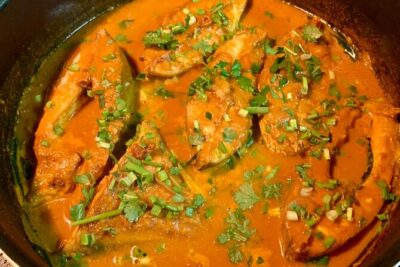
In hands-on terms, you’re learning a Sicilian approach to sauce-making: ingredients combined for texture, flavor, and cling. One class participant mentioned an almond-and-tomato pesto component as part of their menu flow, which suggests menus can vary slightly by day while keeping the Sicilian theme. Another person mentioned enjoying fresh swordfish as part of their main-course experience.
So here’s the practical takeaway: expect the pasta course to be guided and hands-on, centered on Sicilian pesto style. If you have dietary restrictions, ask when booking what menu you should expect that day, since there can be variation beyond the sample.
Cassata: dessert that feels like a project (in a good way)
Dessert is cassata, the iconic Sicilian pie with ricotta cream. Cassata can feel intimidating if you’ve never worked with ricotta-based fillings, but as a class segment, it’s designed to make you feel capable.
From the notes, cassata in this experience is often presented in a way that breaks the process into steps. You’ll learn what matters in the filling and how to assemble it so it bakes into a proper texture.
This matters because Italian desserts are as much about method as ingredients. The host’s teaching style comes through here: people describe getting guidance through the process rather than being handed a finished dessert with a recipe card for later.
You also get the benefit of eating what you make. Many participants call the meal the best part of their Palermo stay, and cassata is often a reason why. It’s sweet, yes, but it also has structure—the kind of dessert that doesn’t collapse into mush.
Limoncello class: citrus craft you can take home
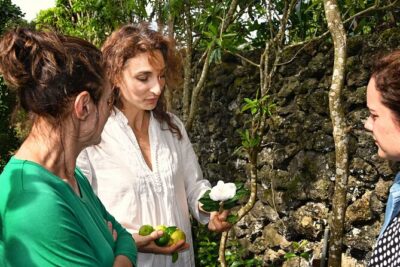
Then you get to the limoncello part—hands-on and memorable. The experience includes making limoncello and taking a small bottle home as a souvenir. That take-home piece changes the emotional payoff. It’s not just a photo moment; it becomes something you can share after you return.
The limoncello segment tends to combine practical steps with explanation. You’ll learn how Sicilians think about citrus in flavor and hospitality, and you’ll see the difference between making something that tastes good today and making something meant to last.
In the notes, several people mention local wines during the class, plus conversation that keeps the afternoon moving. That’s the vibe shift: you go from cooking and learning to tasting and chatting.
One consideration: the experience is clearly advertised as including limoncello making. Still, there’s one outlier note complaining the limoncello part was not delivered as expected, and no bottle was taken home. That’s rare compared with the overall satisfaction, but it’s enough that you should double-check your booking confirmation details and message the provider if limoncello making is a must-have for you.
The flow of a 4-hour home-kitchen meal
The timing is about 4 hours total. That’s a smart length for this kind of experience. You get time for market shopping, real cooking steps, and then eating without the day turning into a full production.
Most participants describe the pace as relaxed and comfortable, with interaction built into the plan. You’ll help, you’ll ask questions, and you’ll taste along the way. This is one reason the class rating is so high overall: people leave full, but they also leave informed and happy.
A subtle point: when a class happens in a home kitchen, the experience can feel less “teacher lecturing” and more “host guiding.” That can be wonderful for conversation. It can also mean the schedule feels more organic. If you prefer strict timing, consider that one possible drawback.
Wine, conversation, and the Patrizia touch
A repeated theme is how warm the hosting feels. Patrizia comes up again and again, described as friendly, organized, and genuinely invested in sharing Sicilian culture through food. Giuliana is also mentioned as part of the team in some sessions, and you may meet the supporting guide Alex in others.
One of the best parts, according to the notes, is how questions get answered. People describe learning not just cooking steps, but why certain dishes work in Sicily. That includes ingredients, traditions, and the way Sicilians adapted their food through time.
Also, wine shows up in the right way. Participants mention local wines and that drinks flow with the meal, not as a separate party. It helps the afternoon feel like a real shared table, which is a big part of why this class gets such strong satisfaction.
Value check: is $207.84 worth it?
For $207.84 per person (about 4 hours), you’re paying for a full “market to table” experience, not just a cooking demo.
Here’s what you’re getting value from:
- Market shopping in Palermo’s Capo area with guidance on what to choose
- A small-group home setting in Palazzo ASMUNDO
- Cooking multiple Sicilian dishes (sample menu includes caponata, busiate with pesto trapanese, and cassata)
- Limoncello-making plus a small bottle to take home
- Wine and conversation during the meal
If you’ve done cooking classes that only cover one dish, this one feels fuller because shopping is part of the learning. Also, the home-kitchen format adds value you can’t replicate at a standard restaurant cooking school.
The main thing that could affect value is menu variation by day. Some participants mention additional dishes like swordfish or veal spadini/braciole and other elements like a cheese platter. That variation can be a plus, but if you have strict dietary needs, you’ll want clarity ahead of time.
Small details that matter: cats, group size, and allergies
The class is capped at a maximum of 25 people. That ceiling is important because it reduces the chance of a chaotic cram. In practice, the notes often describe small groups, which makes instruction easier and questions more likely.
Cats are the other detail people should know. Nino and Bella are part of the household. If you have allergies, don’t ignore this. However, the host also notes there’s an outdoor space where you can stay if cats are not ideal for you. That’s a practical solution if you’re sensitive.
Finally, consider the home-kitchen setting for comfort. Expect a relaxed atmosphere rather than a formal restaurant. If you’re the type who likes to feel at ease while cooking and eating, that’s a good match.
Who should book this Sicilian cooking and limoncello class?
This is a great fit if you want:
- A hands-on food experience that starts with market shopping
- A real Sicilian meal built around classics like caponata and cassata
- Limoncello making with a take-home bottle
- A relaxed, conversational afternoon in a local home
It might not be the best match if you:
- Need a strictly timed, no-nonsense cooking class format
- Have strong allergies related to cats and don’t want the outdoor workaround
- Want only one single dish without much shopping time
For solo travelers, couples, and families who can handle a warm home setting, it’s a strong option. One family even mentions kids included successfully, suggesting it can work across ages when the group is manageable.
FAQ
Where does the tour start in Palermo?
It starts at Via Volturno, 78, 90138 Palermo PA, Italy, with a start time of 9:30am.
Is pickup available?
Pickup is offered on request, and there is an extra cost.
How long is the experience?
It lasts about 4 hours.
How big is the group?
The activity has a maximum of 25 travelers.
What’s included in the cooking class?
You shop at Palermo’s Capo market, then cook Sicilian dishes in the chef’s home kitchen, including limoncello-making, and you take home a small bottle of homemade limoncello.
Can I cancel for a refund?
Yes. There is free cancellation up to 24 hours in advance of the experience’s start time for a full refund.
Should you book this Palermo market-to-limoncello experience?
I think you should book it if you want the real Sicilian arc: market shopping, cooking in a local home, and learning limoncello as something you can bring home. The overall rating is strong (4.9) and most people recommend it, largely because you get more than a meal—you get skills and context.
Book with extra care if limoncello-making and take-home bottle are your non-negotiables. In that case, message the provider before you pay so you’re aligned with what you’ll do that day. If you’re flexible and you like cozy, talk-along cooking, this class is exactly the kind of Palermo experience that turns into a lasting memory.