REVIEW · MILAN
An exclusive experience: food market, private chef and lunch!
Book on Viator →Operated by Cook in Milano · Bookable on Viator
Cooking in a Milan home beats restaurant eating. This market-to-table class pairs hands-on lessons with a real lunch you make yourself, led in home kitchens by chefs like Clara, who also ties food to wine. I especially like the fresh-ingredient market walk—where you learn what to look for—and the fact that the meal ends up at your own chef’s table as a full 5-course experience, not a quick tasting. The one drawback to weigh: you’re standing most of the time, so it’s not ideal if you want a mostly seated activity.
What makes it feel extra “Milan” is the mix of technique and culture. You’ll practice pasta or gnocchi dough work, then cook a classic Northern Italian main like spezzatino or saltimbocca alla Romana, finish with something seasonal and sweet, and cap it off with espresso like the locals. One more consideration: the exact menu can shift based on what’s available at the market and the season, so you’re signing up for the experience and the chef’s choices, not a guaranteed dish list.
In This Review
- Key highlights you’ll actually care about
- A private chef + Milan market: the best combo for food people
- Where this experience fits in your day
- The morning flow: market walk to kitchen work
- What you’ll learn at the market
- From scratch pasta and gnocchi: the hands-on part
- A realistic expectation about pacing
- Northern Italian main course: spezzatino or saltimbocca
- Dessert depends on the season: gelato, tart, or crème caramel
- The best part: eat what you cooked, with Prosecco
- What the meal feels like in real life
- What you take home: recipe booklet + diploma
- Price and value: is $286.60 per person fair?
- Who should book this (and who should skip it)
- Quick practical tips before you go
- Should you book this Milan market-to-table class?
- FAQ
- FAQ
- Can I get vegetarian or gluten-free options?
- How long is the experience?
- What time does it start in Milan?
- What food and drink are included with lunch?
- Do I need an apron?
- What is the cancellation cutoff?
Key highlights you’ll actually care about
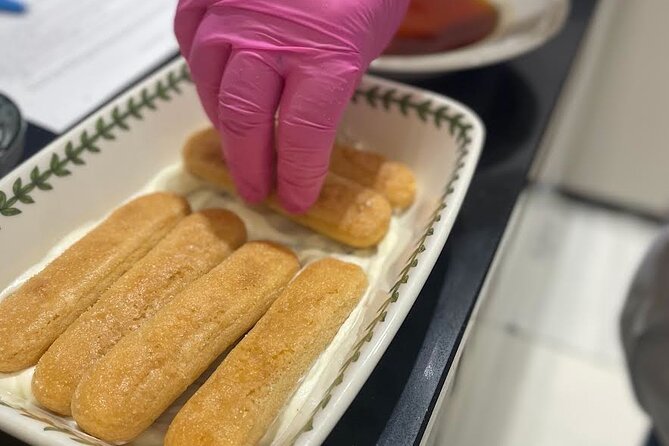
- Market skills, not just shopping: you learn how to pick quality ingredients by stall conversation and chef guidance
- Hands-on pasta and gnocchi practice: dough mixing and kneading isn’t a demo—it’s you doing it
- A real 5-course lunch with Prosecco: plus two glasses of Italian wine, espresso, and bottled water
- Chef-led table time in a home apartment: you sit down right after cooking, sharing the meal together
- Take-home payoff: recipe booklet plus a diploma so you can recreate it later
A private chef + Milan market: the best combo for food people
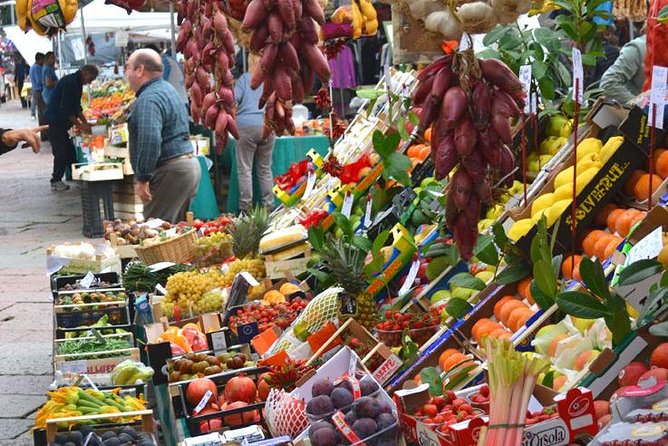
If you want one experience that feels like Milan instead of just being in Milan, this is it. You start in central Milan in the morning, meet your chef at home, then head out to an open-air market to buy ingredients. The point isn’t tourism photos. It’s learning how Italians shop: season, freshness, and what to ask for at the stall.
This setup works because it connects three things most cooking classes keep separate: buying, cooking, and eating. You’ll see vegetables, fruit, and meats up close, and you’ll hear the lively exchange between sellers and shoppers while your chef points out the good stuff. That’s where you pick up the kind of instincts that don’t come from a recipe book.
I also like that your chef is running the show as a teacher, host, and (in the case of Clara, based on past groups) a serious wine guide too. In other words, you don’t just learn what to do—you learn why it works and what it pairs with.
You can also read our reviews of more tours and experiences in Milan.
Where this experience fits in your day
It’s about 5 hours total, starting at 9:00 am. That’s early, but it’s ideal if you want the morning to be active and the afternoon to be yours. Lunch is part of the package, so you’re not hunting for food afterward.
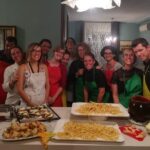
Also, it’s a private experience for your group. You won’t be folded into a random crowd. That matters if you want questions answered and a slower pace while you’re learning dough handling and cooking steps.
The morning flow: market walk to kitchen work
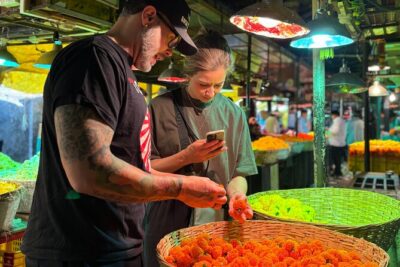
You meet your chef at their home in central Milan. Then you walk together to the local open-air market. Expect a sensory, practical route: stalls of produce and meat, people calling out, and your chef directing your attention to what’s fresh.
This is where you learn the first big skill: how to choose ingredients like you’re actually cooking today. Your chef explains how to spot quality, not just how to read a label. The difference shows up later in the flavor of your pasta and sauces.
What you’ll learn at the market
Here are the kinds of choices that the chef will guide you through:
- picking vegetables and fruit by freshness and season
- choosing meats that fit the traditional dishes you’ll cook
- understanding what makes an ingredient worth paying for today
Even if you’ve cooked before, market guidance can change everything. You stop buying “ingredients” and start buying components for a specific dish.
From scratch pasta and gnocchi: the hands-on part
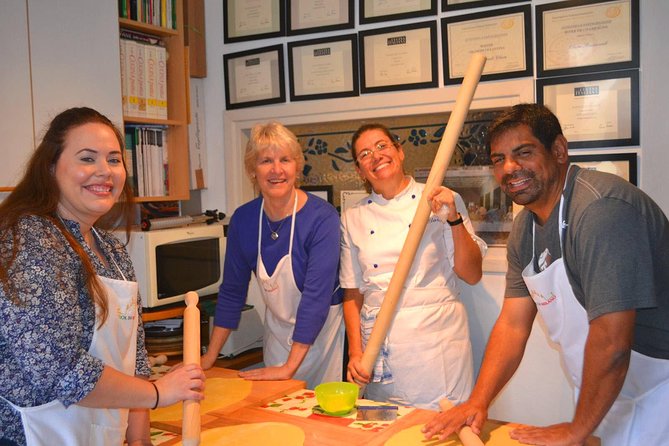
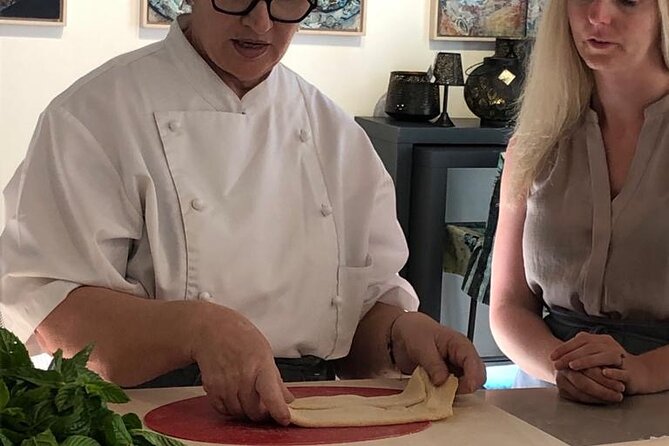
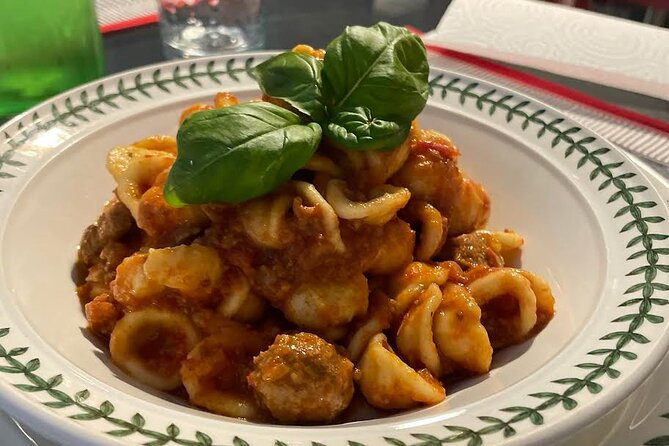
Back at the chef’s apartment, the focus shifts to technique. The class starts with fresh pasta or gnocchi. You’ll mix dough, knead it, and work toward the right consistency. This isn’t a “watch me, then you taste” moment. You’re in it from the start.
Why that matters: pasta texture is touch-based. You can’t truly speed-run it with a timer. Kneading teaches you how dough should feel before it ever hits the pot.
One practical note: the kitchen time involves standing most of the time. Plan for it. Wear comfortable closed-toe shoes—no flip-flops, and skip the high heels unless you want to negotiate with your feet.
A realistic expectation about pacing
You’re learning multiple courses in about half a day, so the pace stays active. The benefit is you get confidence faster—less “I’ll do this at home someday,” more “I actually made it today.”
Northern Italian main course: spezzatino or saltimbocca
Next comes a traditional meat dish. Depending on market availability and seasonal ingredients, the menu can include:
- spezzatino (beef stew)
- saltimbocca alla Romana (veal with prosciutto and sage)
Either way, this part is great value because it teaches a core Italian idea: building flavor through technique, not shortcuts. Stews teach patience and balance. Saltimbocca pushes flavor pairing—sage and prosciutto aren’t random add-ons; they’re the point.
And because you made the dough earlier, you’ll understand how the main course should match the pasta or gnocchi you just worked on. That “whole plate” thinking is hard to get in a standard cooking demo.
Dessert depends on the season: gelato, tart, or crème caramel
Then it’s sweet time. Dessert varies based on availability, and it can be:
- gelato
- a fruit tart
- crème caramel (sweet pudding)
This is a good reminder that you’re learning real cooking. In Italy, recipes flex with what’s best at the moment. You’ll still get guidance on how to make it—not just a dessert appearance at the end.
Also, dessert can be a nice confidence booster. After savory dough work and a main course, you get a chance to practice a different kind of technique—often less intimidating than pasta for first-timers.
The best part: eat what you cooked, with Prosecco
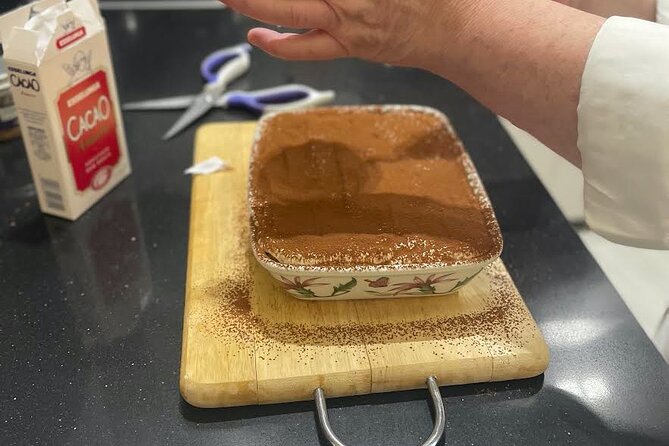
After everything’s prepared, you sit down. This is the payoff: you get a 5-course meal paired with alcohol, including a bottle of Prosecco (from the chef’s family winery) plus two glasses of Italian wine. You’ll also have espresso to finish.
This pairing is more than a perk. Prosecco and wine help you understand how Italians pace a meal: sparkling lift early, wine with the richer courses, and espresso at the end like a proper finish.
You’ll also get bottled water during the experience.
What the meal feels like in real life
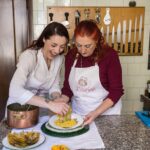
A home-apartment lunch hits differently than a restaurant class. You’re eating in the space where the cooking lives—meaning the food tends to feel more relaxed and less staged. It also tends to make conversation easier, because you’re not just watching a show. You’re sharing a table.
Past groups have called out the warmth of hosts like Clara and Ornella, which is a good sign that the experience isn’t only about cooking skills. It’s also about welcome and pacing.
What you take home: recipe booklet + diploma
You don’t just leave full. You take home a recipe booklet (and a recipe leaflet/diploma as evidence of your new culinary skills). That’s one of the biggest reasons this kind of class is worth the money.
In many cooking experiences, you leave with good memories but no clear way to repeat the results. Here, the takeaway is practical: written guidance so you can recreate dishes after you’re back home.
Price and value: is $286.60 per person fair?
At $286.60 per person for about 5 hours, this isn’t a bargain class. But you are paying for a lot of “hard costs” that most cheaper options don’t cover:
- a private chef teaching you hands-on
- a home setting with equipment
- five courses of food you help prepare
- Prosecco (including a bottle, plus wine glasses)
- recipe materials
- market shopping time and ingredient selection work
If you compare it to the cost of buying quality ingredients plus taking a proper cooking instructor for multiple courses, the math starts to make sense. You’re not just buying lunch—you’re buying the skills and the full meal attached to those skills.
Timing matters too. It’s often booked about 90 days in advance, so earlier planning can help you lock in your preferred date. You also get a mobile ticket, which keeps things simple on arrival.
Who should book this (and who should skip it)
This experience fits best if you:
- love food and want to learn by doing, not watching
- enjoy markets and want to build better ingredient instincts
- want a memorable Milan morning that ends with a proper meal
- like structured instruction with a warm home-host feel
You might skip it if you:
- want a mostly seated food tour (standing time is significant)
- want a guaranteed, fixed menu every time (dishes can change with market and season)
- are looking for hotel pickup or transportation convenience (that’s not included)
Quick practical tips before you go
- Wear comfortable closed-toe shoes. The kitchen work adds up.
- Come hungry in a good way. You’ll cook, then eat a full meal.
- If you have dietary needs, arrange them at booking. Vegetarian, vegan, and gluten-free options can be arranged.
- If you’re bringing kids, the minimum age for kitchen admission is 6 years.
Should you book this Milan market-to-table class?
Yes—if you want more than a meal. This is one of those experiences where your brain stays busy the whole time. You learn market choices, practice pasta or gnocchi dough, cook a classic Northern Italian dish, then sit down and eat what you made, with Prosecco and wine.
If you’re mainly looking for a quick food stop or don’t like standing, it may feel like work. But for food lovers, it’s hard to beat: you leave with new skills, a recipe booklet, and a memory that tastes like lunch.
FAQ
FAQ
Can I get vegetarian or gluten-free options?
Yes. Vegetarian and gluten-free options are available, and you should advise your needs at booking. You can also request vegan options.
How long is the experience?
It runs about 5 hours.
What time does it start in Milan?
Start time is 9:00 am.
What food and drink are included with lunch?
The experience includes a 5-course meal, a bottle of Prosecco, two glasses of Italian wine, espresso, and bottled water.
Do I need an apron?
An apron is not included. You can purchase one for about 10 euro if you want.
What is the cancellation cutoff?
You can cancel up to 6 days in advance for a full refund. Less than that has reduced or no refund based on how close to the start time you cancel.