REVIEW · CHUO CITY
Tsukiji: Fish Market Guided Tour and Sushi Making with Chef
Book on GetYourGuide →Operated by Japan Wonder Travel · Bookable on GetYourGuide
Sushi starts at the fish market. This Tsukiji experience pairs an English-led walk through the outer market with a hands-on sushi-making class taught by a professional chef. You get the story behind sushi, see how ingredients move from stalls to plates, and then build your own lunch at The Kitchen of Tokyo style workshop.
I especially liked the market portion: you don’t just watch fish get sold, you get guided stops plus food samples, and the pace leaves room to look closely and ask questions. I also loved the chef-led class where step-by-step coaching helps you go from nervous beginner to making something you can actually be proud of, with guidance that makes even messy sushi feel like progress.
One thing to consider: your sushi toppings can’t be changed on the day of the event, so if you have strict dietary needs you’ll want to plan ahead and message restrictions before the cutoff.
In This Review
- Quick hits
- Tsukiji Fish Market: What You’ll See Beyond the Seafood
- Where You Start: Tsukiji Honganji-Temple Meeting Point and Early Orientation
- The Outer Tsukiji Market Walk: Sampling, Stories, and How Pros Shop
- How the Tour Connects the Market to Sushi Culture
- The Sushi Workshop: The Kitchen of Tokyo Setup (Asakusa or Yotsuya)
- Making Sushi with a Professional Chef: Step-by-Step, Even for Beginners
- Lunch You Make: Tasting Your Sushi and Noticing the Details
- Price and Value: Is $110 Fair for 4 Hours in Tsukiji?
- Who Should Book This Tsukiji Sushi Tour (and Who Might Skip It)
- Should You Book This Tsukiji Fish Market and Sushi Making Class?
- FAQ
- Where do I meet for the Tsukiji tour?
- What is the duration of the experience?
- Is there an English-speaking guide?
- How many people are in the group?
- What’s included in the price?
- Can I change my sushi toppings on the day of the event?
- Is this tour suitable for vegetarians or vegans?
- Is the workshop location always the same?
Quick hits
- Small group (max 8) keeps the class from feeling rushed and makes it easier to get help while you’re shaping sushi
- English guide for the Tsukiji outer market walk, with strong guidance from names like Take and Tadashi (Tad) in praised tours
- Food sampling during the market portion, including chances to try items that are harder to get when you’re on your own
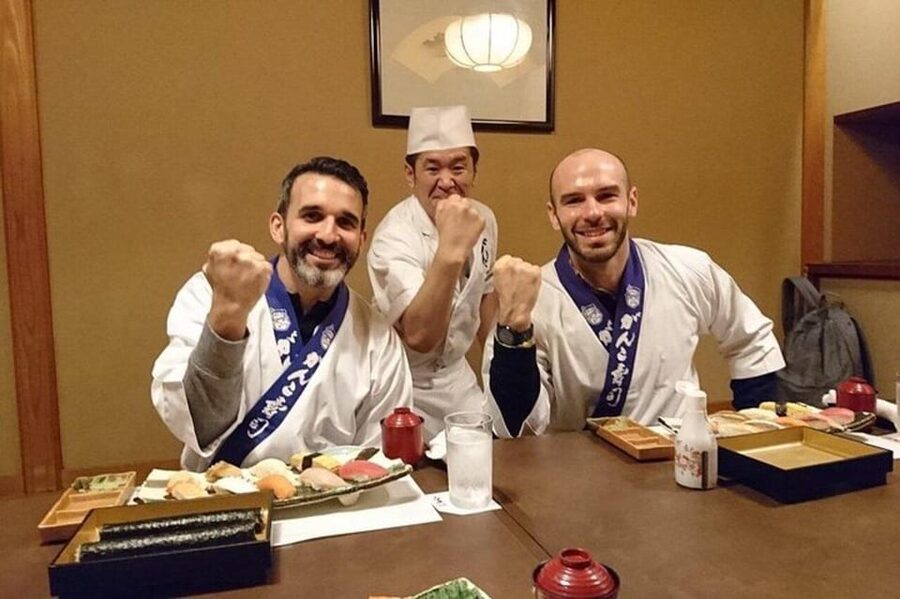
- Chef instruction at the sushi workshop with hands-on coaching on ingredients and technique
- Venue may be Asakusa or Yotsuya depending on availability, and you’ll find out closer to tour day
- Lunch is included as the sushi you make in the workshop
Tsukiji Fish Market: What You’ll See Beyond the Seafood
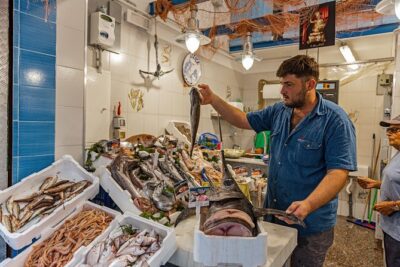
Tsukiji is often reduced to a single image: a famous seafood market. This tour gives you more of the “how Tokyo eats” side. You walk through the outer Tsukiji fish market with a local guide who focuses on the ingredients, the people who handle them, and the culture behind sushi. That means you’re not only looking at fish—you’re learning why certain pieces matter and how professionals think about quality.
The market visit also helps you connect sushi to real sourcing. You’ll see where ingredients come from and you’ll get context on sushi’s place in Japanese food culture, rather than treating it like a trendy meal. If you’ve ever wondered why sushi tastes different from imitation versions elsewhere, this is the type of tour that starts answering that question.
You can also read our reviews of more tours and experiences in Chuo City.
Where You Start: Tsukiji Honganji-Temple Meeting Point and Early Orientation
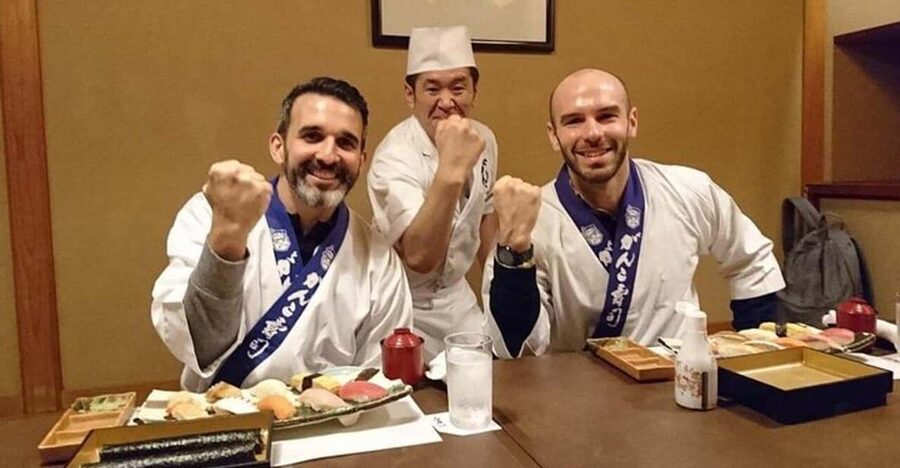
You meet at the main gate of Tsukiji Honganji-Temple, at the front of the temple. One practical note: Google Maps may try to route you to the back of the temple, so aim for the front/main gate to avoid last-minute stress.
This matters because your tour time is tight. You’re given a fixed 4-hour window, and arriving late can cut into the experience since the tour can’t be extended if you show up late. If you’re planning to take transit, I’d build in extra buffer for finding the right spot—especially if it’s rainy or cold.
A good guided start is more than logistics. It sets the tone for how you’ll move through the market: when to look for fish details, how to notice food stalls, and what kinds of ingredients tie into sushi you’ll make later.
The Outer Tsukiji Market Walk: Sampling, Stories, and How Pros Shop
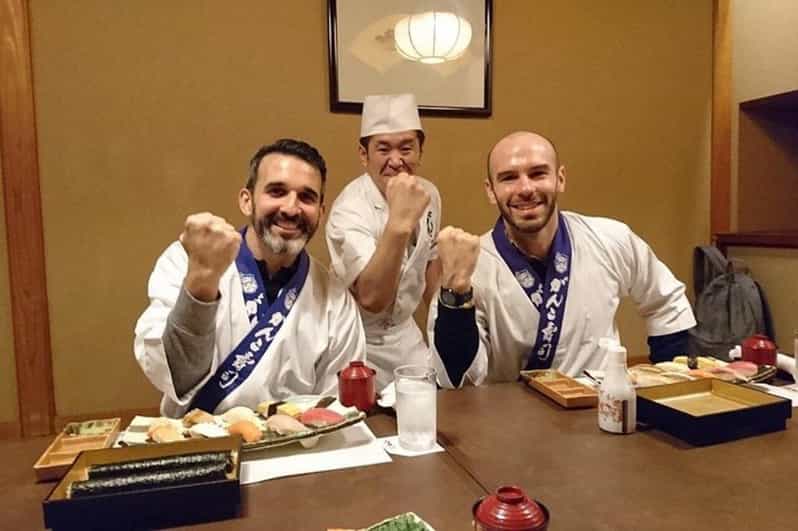
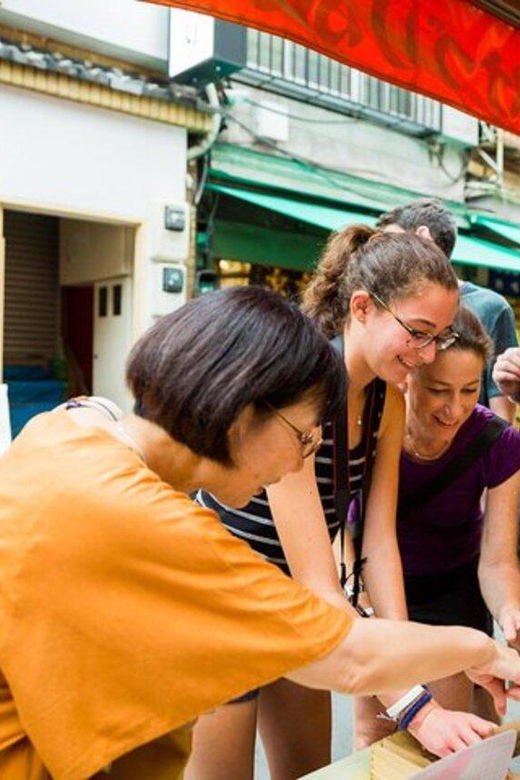
The highlight of the first half is the market itself. Your guide leads you through the outer market and points out what’s important. In particular, I like how the tour doesn’t just narrate. It shows you professionals at work and frames what you’re seeing—so the market feels like a food system, not a photo stop.
During the walk, you’ll also get food samples, including items that are beloved by high-end restaurants. This is one of the smartest value adds: instead of paying full price for a few bites on your own, you try small tastes that give you a baseline for flavors you’ll encounter again in sushi.
One reason this portion gets such strong praise is the guide skills. Tours with guides like Take and Tadashi (Tad) are noted for knowing the best spots and making sure the group gets to see a wide sweep of the market. In one case, the guide even helped arrange sampling opportunities where access is normally limited. Even if you don’t care about behind-the-scenes access, it means you’re more likely to taste things you wouldn’t casually stumble upon.
Timing and pace matter here. Reviews highlight that the group gets time to linger, take pictures, and try multiple sample stops. That’s key, because Tsukiji can be visually intense. Slowing down a bit helps you notice details you’d miss if the tour was a sprint.
How the Tour Connects the Market to Sushi Culture
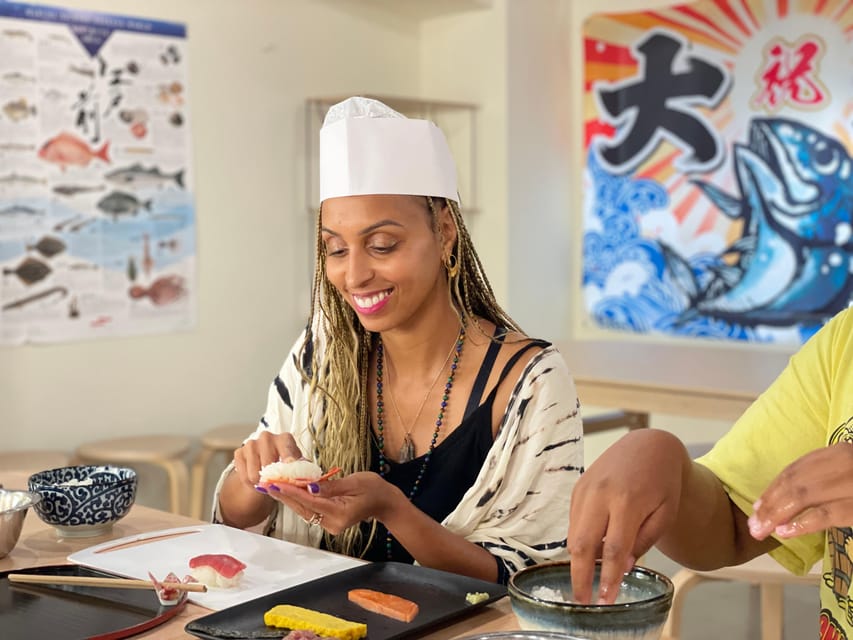
The tour doesn’t treat sushi-making as a separate activity tacked on at the end. Instead, it builds a bridge between what you just saw in the market and what you’ll handle in class.
You’re introduced to elements of Japanese culinary culture before you begin shaping sushi. The guide explains the history and significance of sushi, and they connect sushi to its ingredient chain—where fish comes from and what professionals do to keep quality intact. That context is why the class feels more meaningful. You’re not only learning technique; you’re learning what the technique is protecting.
If you like learning the “why,” this portion is for you. If you only want the hands-on part, you still benefit. A few minutes of explanation can make later steps—like choosing the right fish pieces or handling things with care—make more sense.
The Sushi Workshop: The Kitchen of Tokyo Setup (Asakusa or Yotsuya)
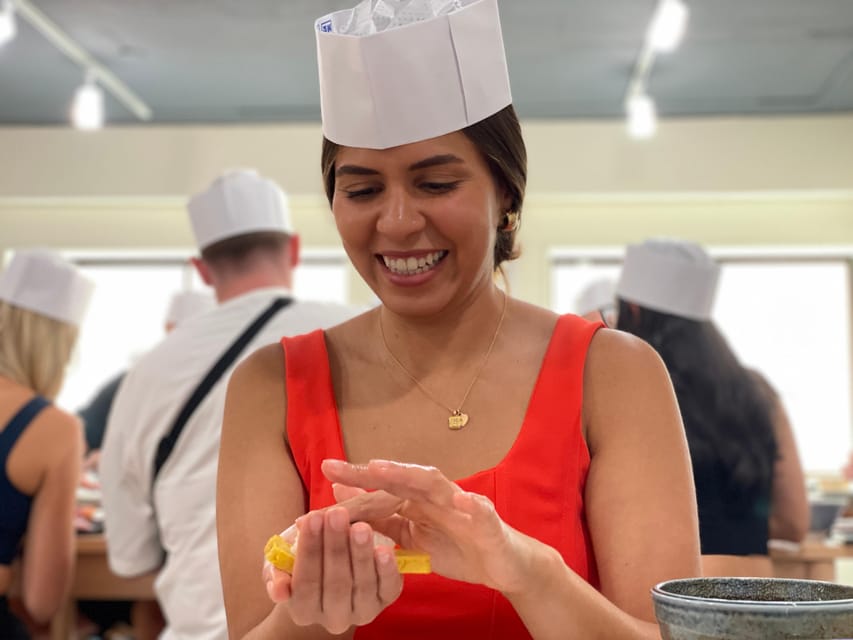
After the market, you move to the sushi workshop at The Kitchen of Tokyo style classroom. Here’s the practical part: the workshop location can be Asakusa or Yotsuya, depending on availability, and the venue can’t be announced until the day of the tour.
That uncertainty is the main planning headache. But you do get help in the form of a transportation fee to the sushi restaurant, which is included depending on where the class ends up. So you’re not left figuring everything out on your own—you just need to be flexible if your day’s ending neighborhood isn’t exactly what you expected.
Once you’re at the workshop, you’ll walk upstairs to reach the 3rd-floor classroom. Wear shoes you can trust on stairs. This is not a situation for slippery soles or fancy footwear.
The workshop is also small group—limited to 8 participants—so it’s easier for the chef and instructors to correct hand position, rice handling, and fish preparation steps while you’re working.
Making Sushi with a Professional Chef: Step-by-Step, Even for Beginners
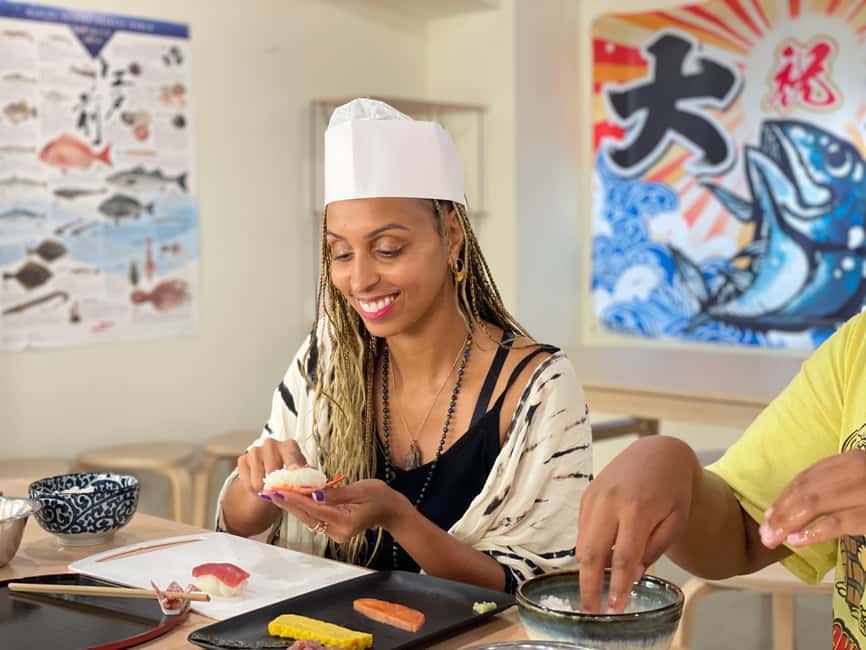
The sushi-making portion is hands-on and structured. You get step-by-step guidance from an experienced sushi chef, plus additional instruction from the class team as you work through the motions. This matters because sushi is one of those foods that looks simple until you try it. Rice texture, how you season, the pressure of forming, and how you place toppings all matter.
What I like about chef-led teaching is that it gives you feedback during the process. Rather than letting you struggle in silence, the instruction format is set up so you learn the key moves in order. That’s why beginners often walk out feeling like they learned real technique, not just copied a final shape.
From the feedback you can take away one important reality: your first attempt may not look perfect. One review mentions that a participant ended up with sushi that looked a bit ugly, but the training helped them improve and feel proud anyway. That’s a good sign. You don’t need to be a “kitchen person” to enjoy this class—you need patience and a willingness to follow direction.
Also, the class is designed around the type of toppings that are assigned for the day. Since topping changes aren’t allowed on the spot, you should assume you’ll be working with what’s provided. If you have allergies or restrictions, plan ahead and notify the operator before the deadline.
Lunch You Make: Tasting Your Sushi and Noticing the Details
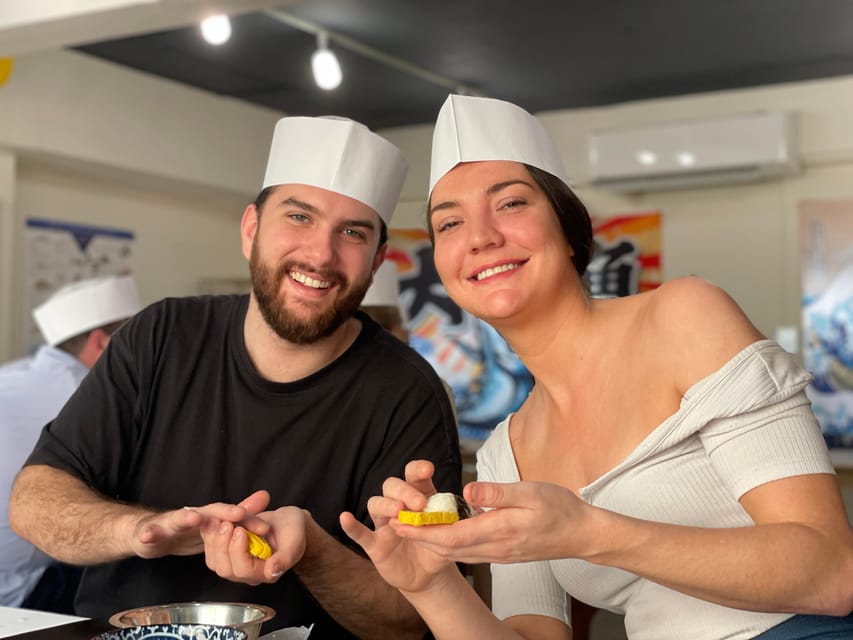
Lunch is included, and it’s not some random buffet. It’s the sushi you make in the workshop. That means you get an immediate feedback loop: you shape it, you taste it, and you understand how the choices you made (rice handling, topping placement, seasoning balance) affect the result.
Some reviews mention they wished they had a bit more green tea and soy sauce. That’s a small point, but it’s worth knowing if you’re a heavy tea drinker or you like extra dipping sauce. Even if your exact beverage amount isn’t guaranteed, you can expect a standard setup for eating what you made.
The biggest value of the included lunch is that it turns technique into satisfaction fast. You don’t have to guess if your sushi is decent—you can judge it right away, with the class context still fresh.
Price and Value: Is $110 Fair for 4 Hours in Tsukiji?
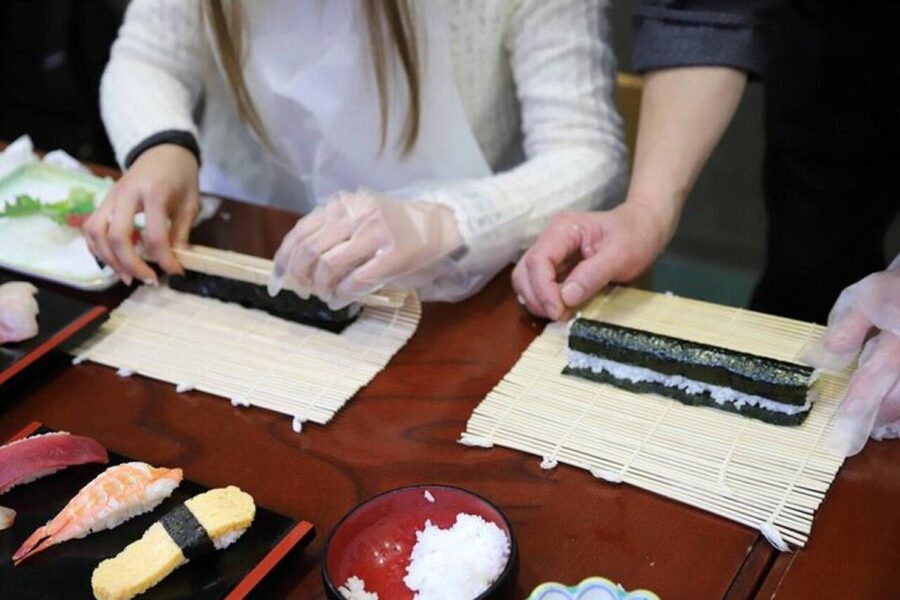
At $110 per person for a 4-hour outing, you’re paying for three things in one: the guided outer Tsukiji market visit, the sushi workshop, and the lunch that comes from your own sushi. You’re also getting a small group format and English-language guiding.
The market visit alone in Tokyo can add up if you’re buying bites and drinks as you go. Here, food samples are part of the experience, and the guide helps you understand what you’re tasting instead of leaving you guessing. Then the sushi class adds chef time, teaching materials, and a meal outcome.
You do want to clock two value factors:
- You’re not just watching. You’re actively making sushi, with coaching.
- You’re not locked into a fixed venue neighborhood. The workshop could shift to Asakusa or Yotsuya depending on availability, but transportation is included depending on where the class ends up.
If you want to learn technique and eat what you make, the price looks more reasonable. If your priority is only sightseeing photos in Tsukiji, you might find lower-cost options—but you’d be trading away the most practical part of this tour: guided market context plus actual sushi practice.
Who Should Book This Tsukiji Sushi Tour (and Who Might Skip It)
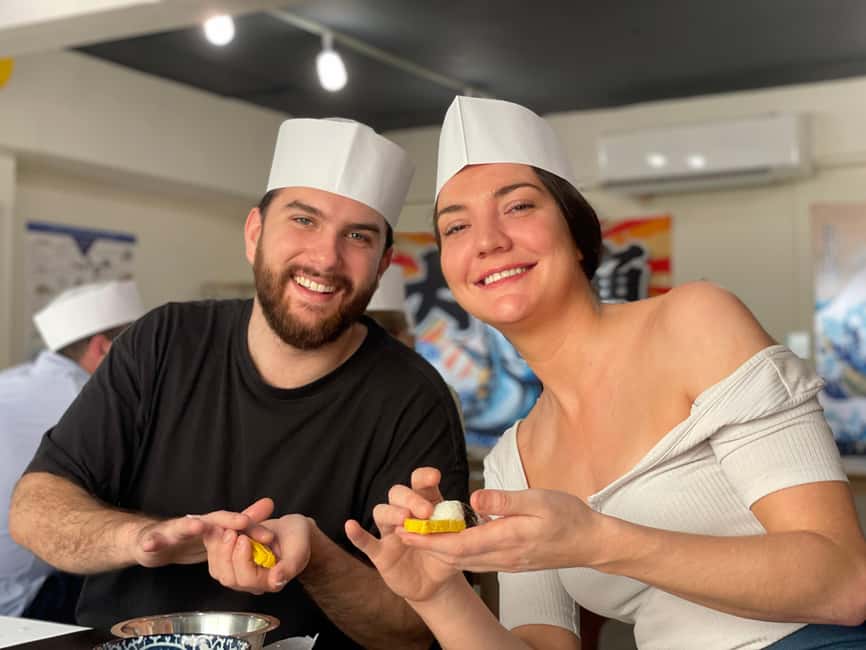
This is a strong fit if you want:
- A guided Tsukiji market walk where someone explains what you’re seeing
- A hands-on sushi lesson taught by a professional chef
- A lunch plan that isn’t a gamble
It’s also ideal if you’re traveling with limited time and want one efficient package: market plus workshop in about half a day.
It’s less ideal if you:
- Need a vegan or vegetarian option (this tour is not suitable for vegans or vegetarians)
- Have strict dietary requirements that depend on changing toppings on the day (topping changes aren’t allowed, and restrictions must be handled in advance)
- Have mobility limitations or wheelchair needs (the class involves walking upstairs to reach the 3rd-floor classroom, and the tour is not suitable for wheelchair users)
Should You Book This Tsukiji Fish Market and Sushi Making Class?
Yes, if you want more than a market photo walk. Booking makes sense when you value instruction, guided sampling, and a real chef-led lesson that ends with lunch you made yourself. The small group limit helps too, and the guide quality highlighted in comments from people who had Take or Tadashi (Tad) is a reassuring sign.
Think twice if your schedule is tight enough that arriving late would risk cutting the tour short, or if you have dietary needs where you’d need topping changes on the spot. If you can plan restrictions ahead of time and you’re comfortable doing hands-on work, this tour is a very practical way to understand sushi from fish to final bite.
If you want a single Tsukiji experience that connects the market to the meal in a tangible way, this one is worth putting on your shortlist.
FAQ
Where do I meet for the Tsukiji tour?
Meet at the main gate of Tsukiji Honganji-Temple, at the front of the temple. Google Maps may route you to the back, so use the front/main gate as your target.
What is the duration of the experience?
The tour lasts 4 hours. Starting times vary, so you’ll need to check availability for the options.
Is there an English-speaking guide?
Yes. The tour includes a live tour guide in English.
How many people are in the group?
This is a small group limited to 8 participants.
What’s included in the price?
Included are lunch (the sushi you make in the workshop), the sushi workshop, a local guide, and a transportation fee to the sushi restaurant depending on the location of the cooking class.
Can I change my sushi toppings on the day of the event?
No. Sushi topping cannot be changed on the day. If you have food restrictions or allergies, you need to let the operator know before 5:00 P.M. JST the day before your tour.
Is this tour suitable for vegetarians or vegans?
No. The activity is not suitable for vegans or vegetarians.
Is the workshop location always the same?
No. The sushi-making experience may be held in Asakusa or Yotsuya depending on availability, and the venue cannot be announced until the day of the tour.