REVIEW · TOKYO
Tokyo Morning Tour: Asakusa, Meiji Shrine and Tsukiji Fish Market
Book on Viator →Operated by Traveling Tokyo · Bookable on Viator
Three icons, one smooth Tokyo morning. This fast morning route is built for people with limited time, using an English-speaking guide to connect Meiji Jingu, Tsukiji, and Asakusa without you needing to map your day.
I love that it’s a small group (max 8), which makes early arrivals feel more relaxed at each stop. I also like that the guide takes photos for you, so you can actually enjoy the landmarks instead of hunting for the perfect angle.
One thing to consider: food and drinks are not included, so if you’re used to eating right after a temple walk or a market browse, plan a snack or a later meal.
In This Review
- Key Things That Make This Morning Tour Worth It
- Why This Tokyo Morning Route Packs Three Big Names Into Four Hours
- Stop 1: Meiji Jingu Shrine and the Forest-Quiet Walk
- Stop 2: Tsukiji Fish Market in the Morning (What You’ll See and How to Handle It)
- Stop 3: Senso-ji Temple, Kaminarimon Gate, and Nakamise Street
- Guide Skills That Save You Time: Photos, Timing, and Photo Spots
- Price and What You Actually Get for $157
- Where You’ll Start and End: Starbucks at HarajukuJapan to Asakusa
- Who This Tokyo Morning Tour Is Best For (and When to Skip It)
- Should You Book This Tour: My Practical Take
- FAQ
- How long is the Tokyo Morning Tour?
- What does the tour cost?
- Which stops are included?
- Is this a small-group tour?
- Do I get an English-speaking guide?
- Are admission tickets included?
- Is food included?
- Is there a mobile ticket?
- Is it free to cancel?
Key Things That Make This Morning Tour Worth It
- Small-group pacing that helps you avoid the worst crowd surges
- Photo-taking included, so you don’t have to keep swapping phones with strangers
- Three major Tokyo sights in one block of time (about 4 hours)
- Admission tickets included for the stops on the schedule
- Extra costs are real: plan for transit (about 600 yen) and your own food
Why This Tokyo Morning Route Packs Three Big Names Into Four Hours
Tokyo rewards smart timing. If you wait too long, the classics get loud, crowded, and harder to enjoy. This tour leans into the early hours, then strings together three of the city’s most recognizable places—Meiji Jingu Shrine, Tsukiji Fish Market, and Senso-ji Temple—inside about four hours total.
The practical win is navigation. With a guide leading the way, you spend your energy looking around instead of checking routes. You also avoid the common Tokyo trap where you plan three stops, then lose an hour to transfers and wrong-turn stress. Here, the route is set, the pace is set, and you can relax into it.
The other big value is interpretation. You don’t just move from photo spot to photo spot; you get historical context for each area. That turns a checklist trip into a story you can remember: why Meiji Shrine is treated with reverence, why Tsukiji matters for food culture, and why Senso-ji sits at the center of Asakusa life.
You can also read our reviews of more tours and experiences in Tokyo.
Stop 1: Meiji Jingu Shrine and the Forest-Quiet Walk
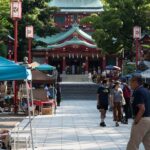
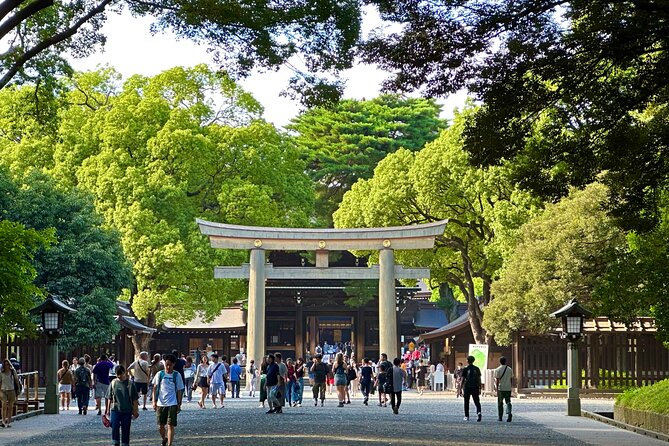
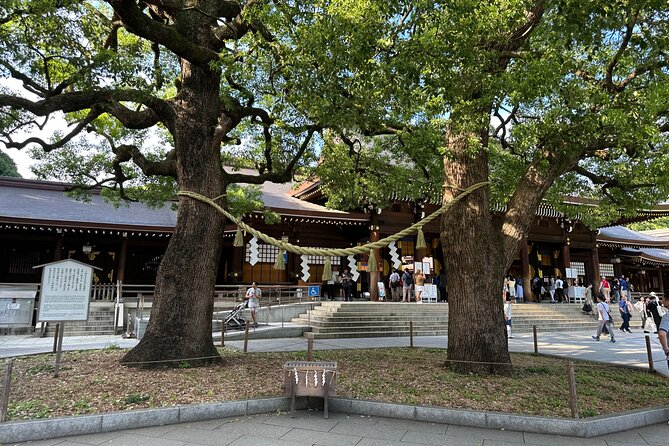
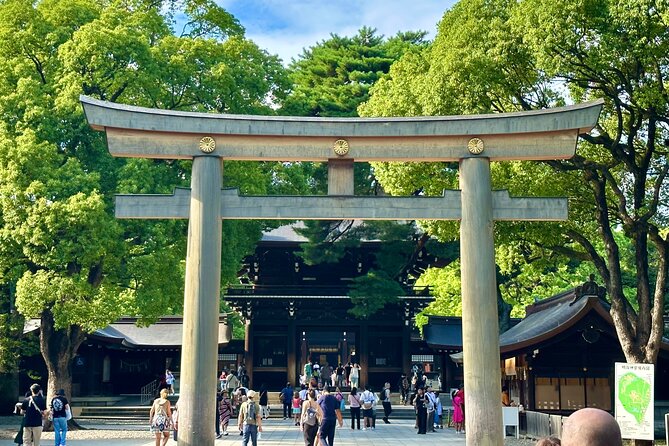
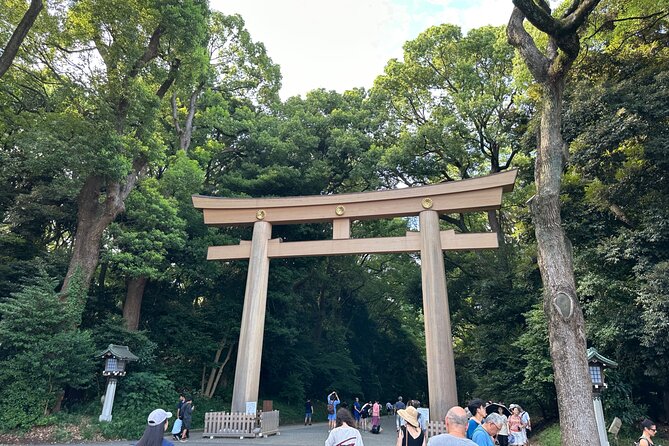
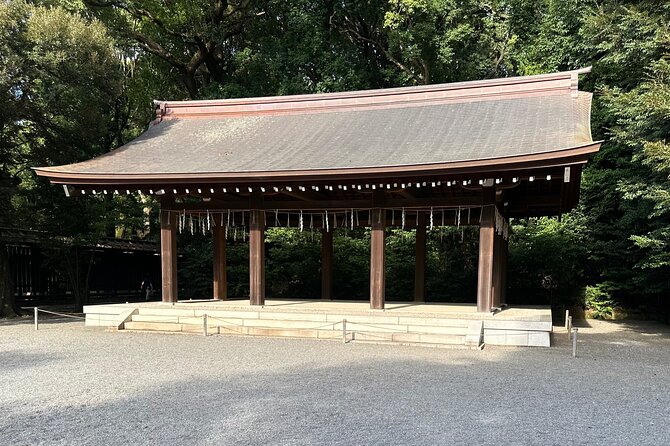
Meiji Jingu is the kind of place that feels like it belongs to a different world. You’ll enter a forest setting and find the shrine’s space designed for calm. The tour focuses on the experience: walking the peaceful paths, seeing the torii gates, and learning about the shrine’s dedication to Emperor Meiji and Empress Shoken.
For your day, this stop works like a reset. After the energy of Tokyo streets, the shrine gives you a slower rhythm. It’s also a good place to settle your brain before Tsukiji, which is more fast, crowded, and sensory.
A small drawback to keep in mind: this is a sacred site with traditional customs. That means you should be ready to act respectfully and keep your focus on the experience, not just selfies. If you like photography, it helps that the guide is taking photos during the tour, so you can step out of the crowd and still get a good shot without juggling timing with everyone else.
Stop 2: Tsukiji Fish Market in the Morning (What You’ll See and How to Handle It)
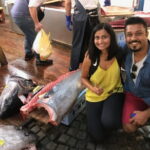
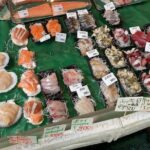
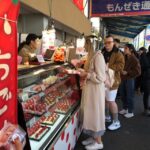
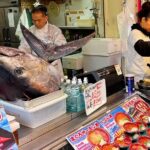
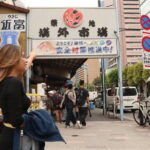
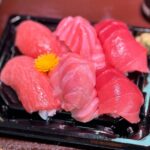
Tsukiji is famous for seafood, and in the morning it has a strong pull. This stop is timed for you to catch the feel of the area when it matters most. You’re also getting context: Tsukiji has more than 80 years of history, and it was once the world’s largest wholesale seafood market. Even when you’re not there for market-business specifics, it explains why this place became a Tokyo culinary landmark.
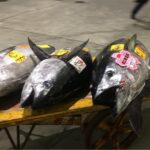
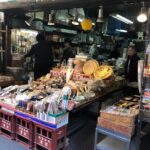
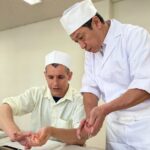
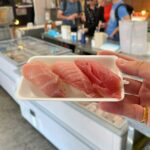
What you’ll likely notice right away is variety. You’ll encounter everything from tuna to octopus tentacles, and the market atmosphere reflects a deep food tradition that locals and chefs take seriously. The tour also highlights that Michelin-starred chefs visit in the morning to source high-quality seafood and ingredients—so you’re seeing a working food culture, not just a tourist exhibit.
Practical consideration: Tsukiji can be hectic by nature. Even with a morning schedule, you’ll want to keep moving with the group and watch your footing in busy areas. Since food and drinks aren’t included, decide in advance if you want to snack here or save your appetite for later. Either can work; just don’t assume the tour price covers meals.
Also, if you’re sensitive to smells and sound in tight markets, this is the stop where you’ll feel it more than at the shrine.
Stop 3: Senso-ji Temple, Kaminarimon Gate, and Nakamise Street
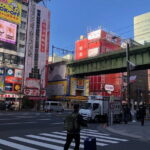
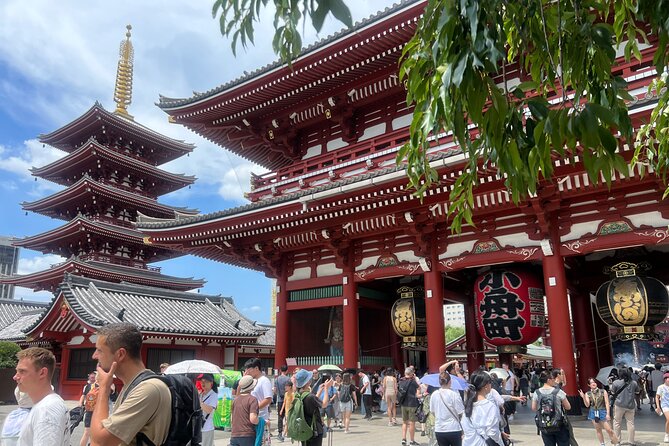
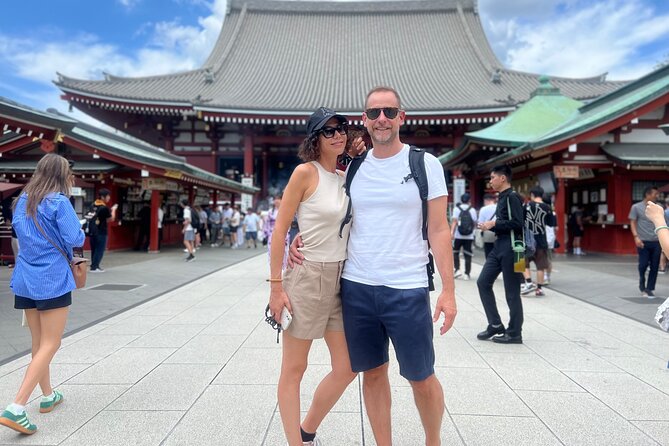
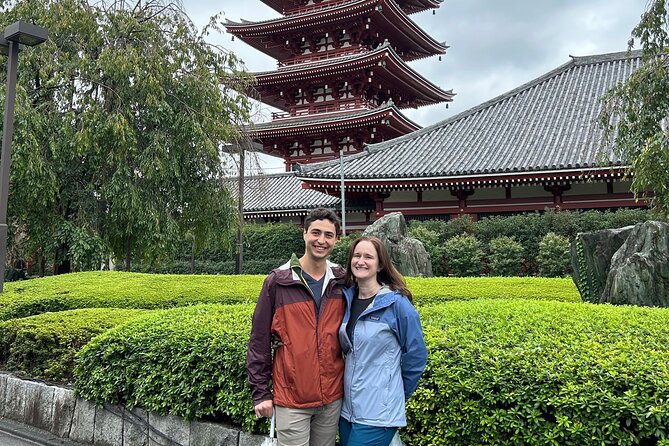
Asakusa’s Senso-ji Temple is one of Tokyo’s most iconic sights, and this tour treats it as more than a quick photo break. You’ll step into the historic district and head to Senso-ji, described as the oldest temple in Tokyo. That matters, because the area is still living with that age: it’s not just a monument; it’s a neighborhood.
You’ll also see the famous Kaminarimon Gate in the bright red style that anchors so many Tokyo photos. After that, the tour includes time at Nakamise, the shopping street that runs alongside the temple approach. That blend—temple landmark plus busy street—creates a satisfying contrast: quiet spiritual space on one side, lively local commerce on the other.
This stop can be a little chaotic because Asakusa draws big crowds. The good news is that the tour is built around a timed circuit, and the guide’s scheduling helps you move when it’s most manageable. If you want souvenirs, this is also the easiest point in the day to shop without needing to detour.
Just remember: because the tour ends in Asakusa, you’ll have flexibility to keep exploring after the official end time. If you have a later plan elsewhere, make sure you can get a ride or transit from Asakusa without panic.
Guide Skills That Save You Time: Photos, Timing, and Photo Spots
The biggest difference between this kind of tour and self-guided sightseeing is how much it removes from your mental workload. The guide handles navigation, stays on schedule, and includes historical commentary so you know what you’re looking at.
Photo help is a standout detail. The tour includes photos taken during the experience, and multiple guides are noted for being attentive about photo spots and timing. In past groups, guides such as Ryota and Andres Burgos have been specifically mentioned for knowing where to stand and how to get good shots without turning the landmark into a long production.
Timing is also where this tour earns its early-morning reputation. The schedule is designed so you arrive with breathing room rather than arriving when every other group hits at once. In practical terms, this means less waiting, fewer jostling moments, and more time just looking around.
One more subtle benefit: having a guide means you can ask questions on the spot. You don’t need to stop everything to look up explanations on your phone. That keeps your pace moving, which is the whole point when you only have half a day.
Price and What You Actually Get for $157
At $157 for about four hours, this isn’t the cheapest way to see Tokyo. But it can be good value if you count what’s included and what it replaces.
Here’s what you are paying for beyond transportation: an English-speaking guide, historical insights, admission tickets included for the stops on the plan, and the added service of photos taken during the tour. The group is capped at 8, which is another built-in value. Smaller groups usually mean less waiting and less confusion.
You should also budget the extras that are explicitly not included: public transportation fare is around 600 yen, and food and drinks are on you. If you plan on eating during the tour, add that cost. If you plan to skip snacks and eat after, you might spend less.
Whether it’s worth it for you depends on how you travel. If you enjoy mapping things yourself, you could recreate the route. But if your priority is efficiency, reduced stress, and strong context for three major landmarks, the structure of this tour is the main reason it can feel like a smart buy.
Where You’ll Start and End: Starbucks at HarajukuJapan to Asakusa
Meeting points matter in Tokyo. This one starts at Starbucks Coffee with HarajukuJapan at 1-chōme−14−30 Jingūmae, Shibuya (listed on the tour details). That’s specific, which helps. You’ll also be near public transportation, so you can get there without complicated transfers.
The tour ends in Asakusa, in Taito City. That ending is useful if you want to continue exploring the Asakusa area after the tour. It’s less convenient if you booked late afternoon reservations far across town, because you’ll need to account for getting from Asakusa to your next stop.
A good habit for any meeting-point tour: arrive early, use the map app to confirm the exact Starbucks location, and take a moment to identify the meeting sign. You’ll lose less time than you think.
Who This Tokyo Morning Tour Is Best For (and When to Skip It)
This tour fits best if you have limited time and you want a focused morning across Tokyo’s most famous cultural and food areas. It’s also a great option if you prefer a plan that reduces decision-making. With an English guide, included admissions, and photo help, you’re set up for a smooth half-day.
It’s especially suitable for first-timers who want to see what makes Tokyo tick in different modes: shrine calm, market energy, and temple-and-street history in Asakusa.
You might skip it if you want long free wandering at only one neighborhood, or if you like total control over timing for food shopping, browsing, or lingering in markets. You might also prefer a different plan if you don’t enjoy early starts, because the entire premise is morning timing to help you avoid the heavier crowd moments.
Should You Book This Tour: My Practical Take
If your goal is seeing Meiji Jingu, Tsukiji, and Senso-ji in one compact morning, this is a strong booking. The small group size (max 8), English guide, admission tickets included, and the photo-taking service address the biggest pain points: logistics, crowd timing, and getting good pictures without hassle.
Just go in with the right expectations. Food isn’t included, so plan a snack or a later meal. And like any market-and-temple morning, you should be ready for some movement and busy energy—especially at Tsukiji.
If you want a Tokyo morning that feels organized, teaches you what you’re seeing, and still leaves you time to continue in Asakusa afterward, this is the kind of tour that makes sense.
FAQ
How long is the Tokyo Morning Tour?
The tour runs for about 4 hours.
What does the tour cost?
The price is $157.
Which stops are included?
You visit Meiji Jingu Shrine, Tsukiji Fish Market, and Senso-ji Temple (Asakusa).
Is this a small-group tour?
Yes. It has a maximum of 8 travelers.
Do I get an English-speaking guide?
Yes. An English-speaking guide is included.
Are admission tickets included?
Yes. Admission tickets are included for the listed stops.
Is food included?
No. Food and drinks are not included.
Is there a mobile ticket?
Yes. The tour uses a mobile ticket.
Is it free to cancel?
Free cancellation is available up to 24 hours in advance for a full refund. If you cancel less than 24 hours before the start time, the paid amount is not refunded.
If you tell me your travel dates and what time of day you plan to eat next, I can help you decide whether to snack during the market stop or save it for Asakusa after the tour.