REVIEW · TOKYO
Tsukiji Fish Market Culture Walking and Food Tour
Book on Viator →Operated by Fantasy Travel · Bookable on Viator
Tsukiji can be loud and confusing. This tour strings it together with temple manners plus Tsukiji food tastings, so you know where to go and what you are looking at. The 3-hour route keeps you moving, but not lost, with a guide who helps with explanations and translating along the way.
I especially like the blend of culture and eating. You start with Tsukiji Hongwanji Temple so you know how to behave, then you transition into the market area for snacks and a shared meal instead of wandering around hungry and guessing.
One thing to consider is pace. You will be on your feet for tastings and walking, and if you have strict food limits (especially fish), you will want to communicate that clearly when you book.
In This Review
- Key things that make this Tsukiji tour work
- Tsukiji Hongwan-ji Temple: start with manners, not menus
- The 2-hour Tsukiji market walk: street tastings that actually make sense
- The hidden restaurant lunch: less hunting, more eating
- Namiyoke Inari Shrine: seeing the sales-area story from local ground
- The guide factor: translation and pacing are the secret ingredients
- Price and value: where the $85.66 really goes
- Logistics that matter: meeting point, timing, and getting there
- What you should eat and how to set expectations
- Who this tour suits best
- Should you book Tsukiji Fish Market Culture Walking and Food Tour?
- FAQ
- Where does the tour start?
- What time does the tour begin?
- How long is the tour?
- How many people are in the group?
- What food is included?
- Is there any admission fee for the temple and shrine stops?
- Can children join this tour?
- What happens if I arrive late?
- Can I cancel for a full refund?
Key things that make this Tsukiji tour work
- Max 10 travelers means more time with your guide and less waiting in a crowd
- Temple and shrine stops give context for what you see in Tsukiji
- Street food tastings plus lunch included saves you from the hardest part: choosing
- A hidden restaurant for the group meal helps you skip the guesswork
- Your guide can translate and help with ordering so you do not miss out
- Free admission at the temple and shrine keeps the budget tight
Tsukiji Hongwan-ji Temple: start with manners, not menus
The tour begins at Tsukiji Hongan-ji Temple, and that first 30 minutes sets the tone for the whole morning. If you have ever walked into a Japanese temple and felt like you might accidentally do something wrong, this part helps. You learn basic temple behavior and a traditional ritual style connected to incense and praying in the Johdo Shinsyu tradition.
Even if you are not a church-and-shrine person, I like this start because it slows you down at the right moment. Tsukiji outside the main market areas can feel like sensory overload, so having cultural grounding right up front makes the rest of the experience easier to enjoy.
You also get a quick chance to ask questions early, when your group is still together and your guide is in full teaching mode.
You can also read our reviews of more tours and experiences in Tokyo.


The 2-hour Tsukiji market walk: street tastings that actually make sense
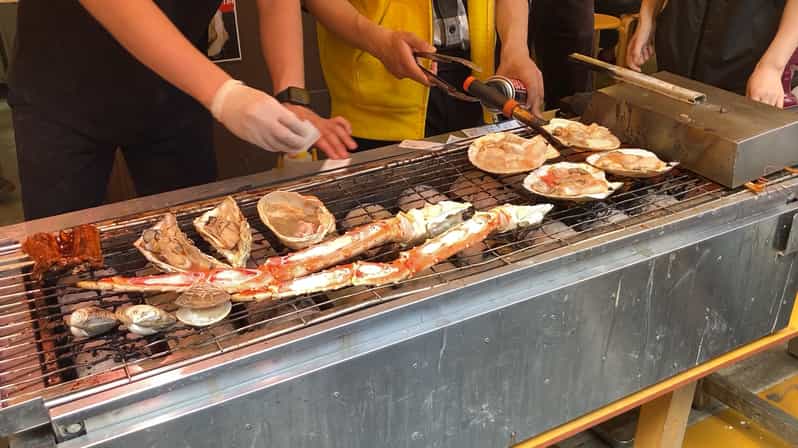
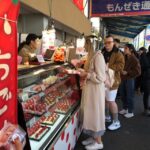
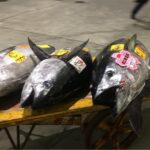
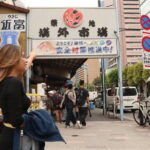
After the temple, you head into the Tsukiji area for about 2 hours of walking and exploring. The key difference here is focus. Instead of trying to figure out what is edible, what is worth stopping for, and what is just display, you follow your guide through the market outside the inner auction spaces.
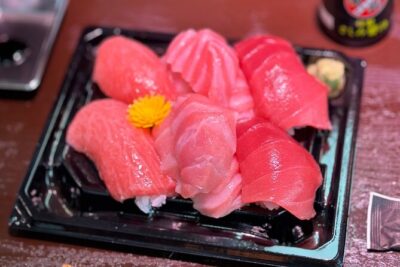
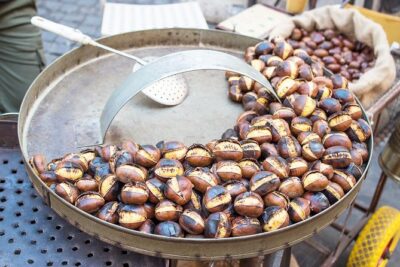
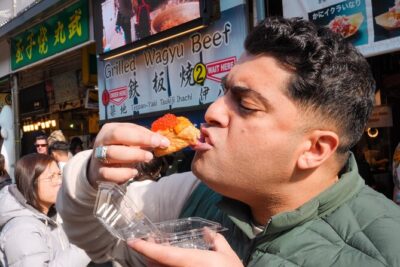
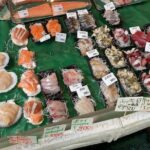
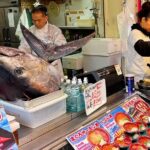
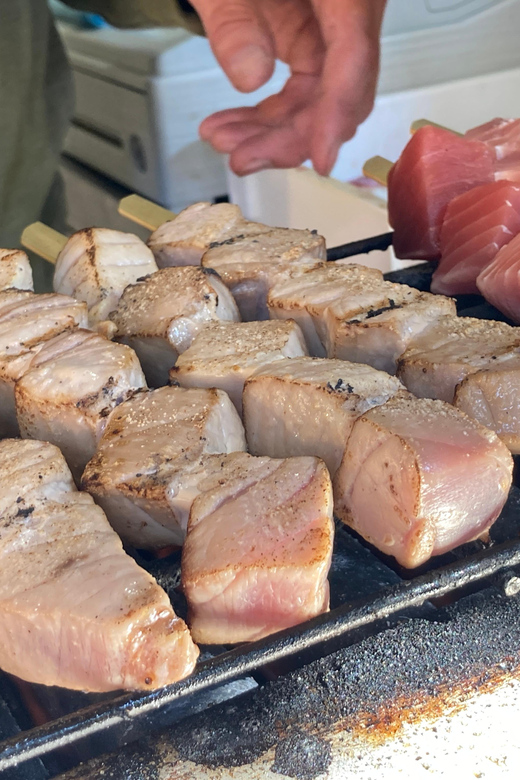
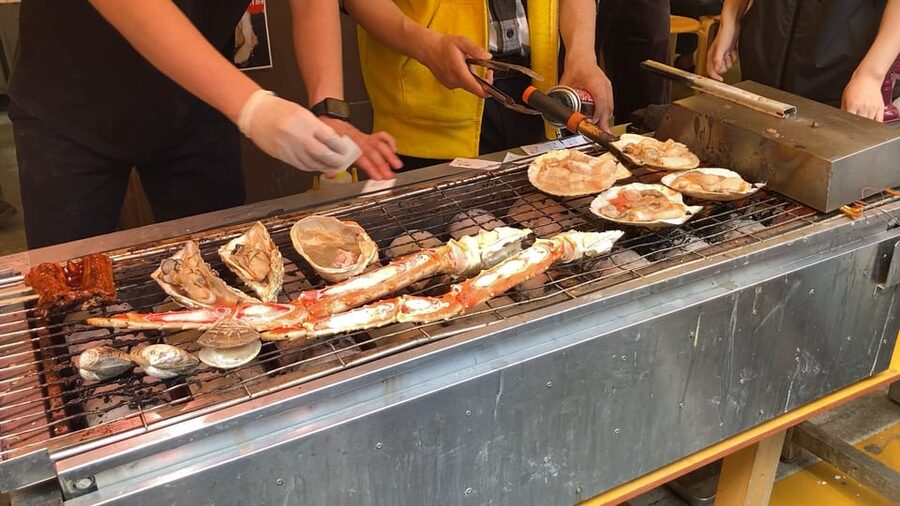
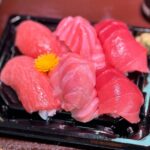
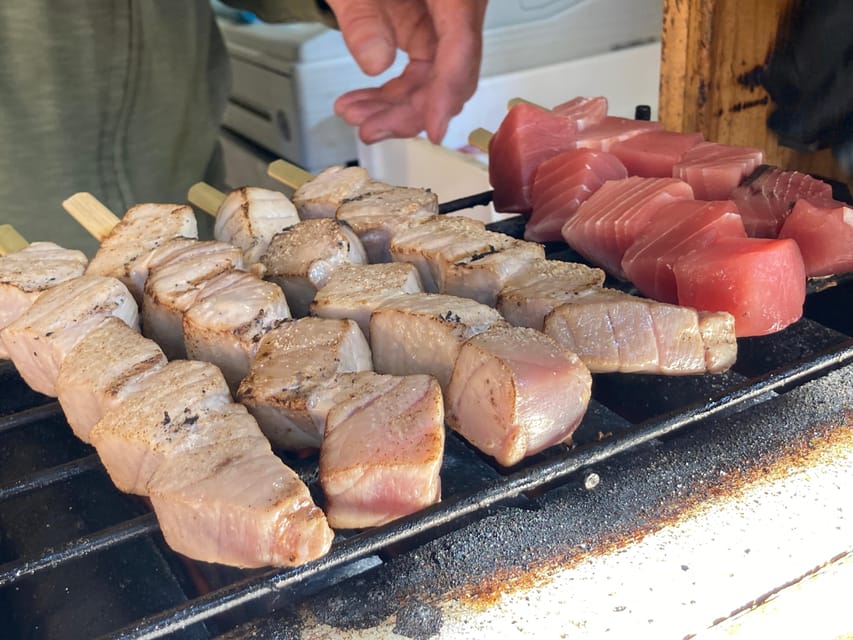
Expect plenty of food sampling along the way. The tour includes street food tastings, and you get examples like tuna on a skewer, eel, and other bite-size picks. There are also sweet stops mixed into the day, including daifuku mentioned as part of the tastings.
This is one of the biggest reasons the tour is good value. If you come to Tsukiji on your own, you spend energy deciding where to eat. Here, the guide handles the decision-making, and you get to spend your time eating and looking.
And yes, there is also shopping energy. Even if you do not buy anything, you will see the rhythm of the place—what gets attention, what people line up for, and how the market feels like a working neighborhood rather than a theme park.
The hidden restaurant lunch: less hunting, more eating
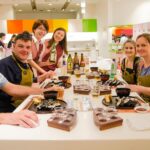
The tour does not stop at snacks. You also get a lunch together at a restaurant your guide takes you to—one that you likely would not find by yourself. This matters because Tsukiji dining can be tricky for visitors. Places fill up, and menus can be hard to navigate when you are tired, hungry, and chasing the clock.
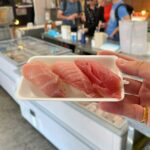
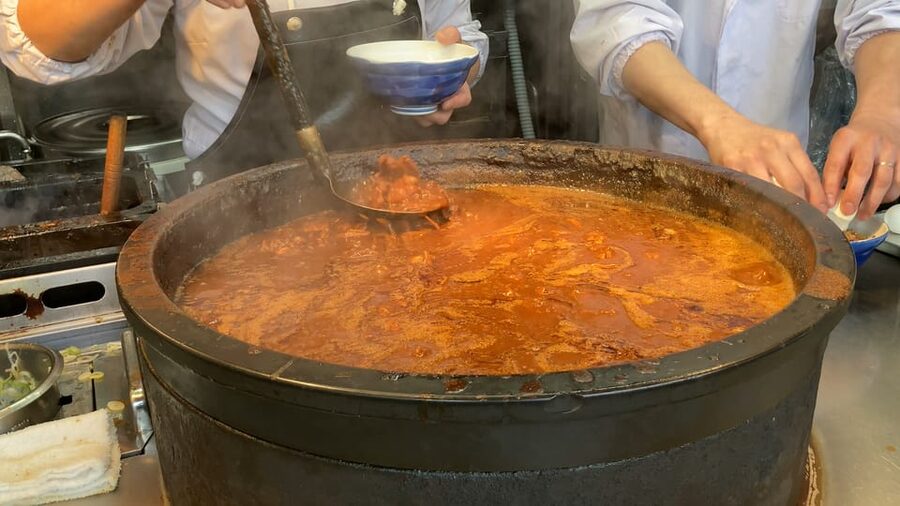
Lunch is built into the tour experience, so you can treat the morning as a full food plan rather than a series of separate purchases. In practice, the lunch has included sashimi in the shared meal, along with more seafood like unagi sticks mentioned in the tour experience.
One smart perk is how the guide supports your group in real time. A good example from the experience: if someone in the group does not eat fish, the guide can find an alternative such as mochi. That does not mean you should assume every dietary need is automatically handled, but it does show the approach is flexible when communicated.
If you are the kind of traveler who hates long waits while trying to decide what to order, this lunch stop is your relief.
Namiyoke Inari Shrine: seeing the sales-area story from local ground
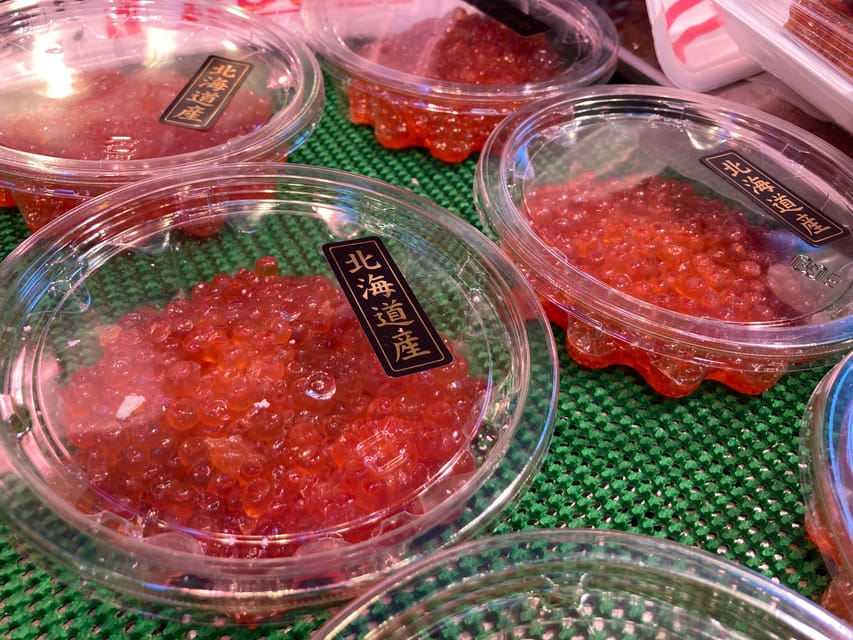
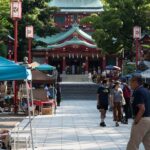
The final stop is Namiyoke Inari Shrine for about 30 minutes. This is the shrine for the local Tsukiji area, and the visit ties the day back to how the neighborhood developed around trade and fishing.
You learn how the shrine relates to Tsukiji, including explanations of local history and what Shito is. You also get a route that lets you see real sales shops along the way to the shrine—so you are not only viewing the market from the most touristy angles.
I like this ending because it gives you something many food tours miss: meaning. By the time you leave, you can connect what you ate to where it comes from and why this corner of Tokyo has such a focused identity.
It also gives you a change of pace. The shrine stop feels more grounded and calm than the street-snack parts, even though you are still in a working area.
The guide factor: translation and pacing are the secret ingredients
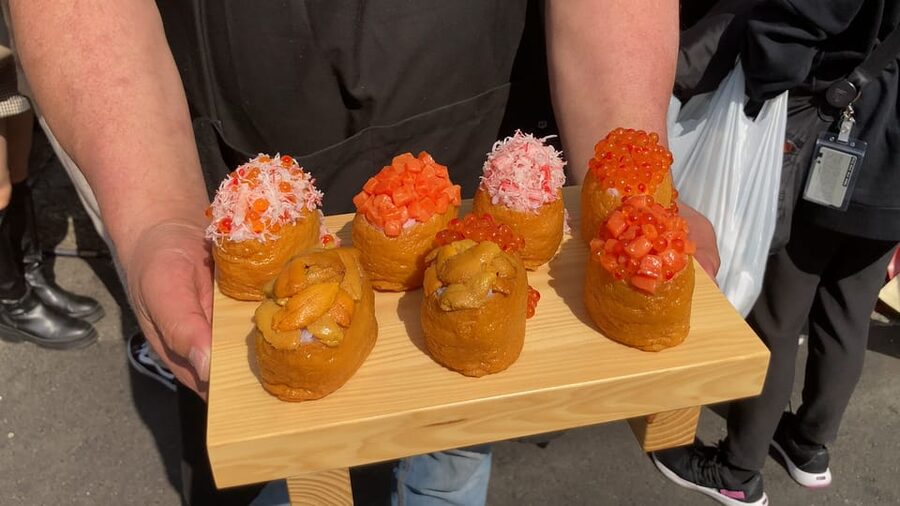
Your tour includes a guide who translates and shares fun, practical insights you would not get alone. That translation help is not just about language. It is about knowing what questions to ask and when to stop for context.
In one standout example, a guide named Inoki is credited with excellent care and strong food knowledge, plus the ability to answer questions and guide the group through both history and tastings. Another big compliment is handling queues while the group shops for snacks—so you do not lose the morning to line math.
Also, the small-group cap of 10 travelers is not a luxury detail. It changes how the tour feels. You are more likely to be able to ask questions. You are more likely to get adjustments for your tastes. And you are less likely to be dragged along with a big mass of people moving in different directions.

Price and value: where the $85.66 really goes
The price is $85.66 per person for about 3 hours, including a temple stop, market time with street tastings, and a seafood lunch. Admission for the temple and shrine portions is listed as free, which helps keep the overall cost from feeling like you paid extra just to stand in front of things.
Here is what I think you are paying for:
- someone else doing the hard part (finding the right places to eat)
- guided context (so the day feels like more than eating random bites)
- translation support (so you can actually understand what you are eating)
- a small group size (more attention, fewer bottlenecks)
If you are visiting for a short time and want a focused Tsukiji experience without turning your morning into a search-and-decide marathon, this is solid value. If you love independent exploring and already have a short list of specific stalls and restaurants you trust, you might spend less on food by going alone—just be ready for more trial-and-error.
One more practical note: the experience is commonly booked around 36 days in advance on average. That tells you this is a popular slot, not a last-minute whim. I would plan ahead so you can pick a schedule that fits your day.
Logistics that matter: meeting point, timing, and getting there
You meet at Tsukiji Hongan-ji Temple (3-chōme-15-1 Tsukiji, Chuo City, Tokyo). The start time is 10:00 am, and the tour ends back at the meeting point.
It is also described as near public transportation, so you should be able to reach it without a complicated transit plan. Still, Tsukiji can be crowded, so give yourself a little buffer. The tour guide waits up to 10 minutes after the starting time, until 10:40am; after that, refunds are not offered for missed participation.
The tour also uses a mobile ticket. That is convenient if you hate paper, but you still want your phone charged, just in case.
What you should eat and how to set expectations
This is a seafood-forward experience. Tastings can include items like tuna on a skewer and eel, and the lunch has included sashimi. If you are not a fish person or you have allergies, tell your guide clearly.
From the experience details, there is at least some willingness to offer alternatives when fish is not an option for someone in the group. Still, do not wait until you are mid-tour and expect perfect tailoring without advance communication.
Also, because it is tastings plus lunch, you should plan for a full day of eating. Do not schedule a big dinner immediately afterward. Leave room for a calmer evening.
Who this tour suits best
This tour fits you if:
- you want Tsukiji food without spending your morning making decisions
- you want cultural context with temple and shrine etiquette
- you prefer small groups and better guide interaction
- you want help with translation rather than guessing your way through menus
It might be less ideal if you want a totally flexible, self-paced market wander, or if you dislike walking and standing for tastings. The structure is designed to keep you fed and informed, so it is not the slow, drift-around kind of trip.
Should you book Tsukiji Fish Market Culture Walking and Food Tour?
I would book it if you want a streamlined Tsukiji morning that combines culture and food in a way that feels practical. The included street tastings and shared lunch do the biggest jobs for you: finding good options and keeping you from wasting time and energy figuring it out.
I would hesitate only if you have strict dietary needs and have not confirmed how your guide can accommodate them, or if you are truly looking for a solo adventure with no group structure.
If you are traveling to Tokyo and want Tsukiji to be a highlight instead of a stressful scavenger hunt, this is a smart way to spend a few hours.
FAQ
Where does the tour start?
The tour starts at Tsukiji Hongan-ji Temple, located at 3-chōme-15-1 Tsukiji, Chuo City, Tokyo 104-8435, Japan.
What time does the tour begin?
The start time is 10:00 am.
How long is the tour?
The duration is about 3 hours.
How many people are in the group?
This tour has a maximum of 10 travelers.
What food is included?
You get street food tastings during the Tsukiji market portion, and a seafood lunch at a hidden restaurant with the group.
Is there any admission fee for the temple and shrine stops?
The temple stop and shrine stop list admission tickets as free.
Can children join this tour?
Children must be accompanied by an adult.
What happens if I arrive late?
The guide waits up to 10 minutes after the tour starting time (until 10:40am). After that, the tour starts and no refunds are provided for the tour fee.
Can I cancel for a full refund?
Yes. You can cancel for free up to 24 hours in advance for a full refund. If you cancel less than 24 hours before the experience starts, the amount you paid is not refunded.