REVIEW · TOKYO
Tokyo Tsukiji Fish Market Food Tour: 15 Stops & Walk Local Street
Book on Viator →Operated by Fuji Tour · Bookable on Viator
Tsukiji can feel like sensory overload, even on a good day. This 2 to 3 hour walk puts guided order around the chaos, with a tight small group (max 15), photo follow-ups, and real talk about how people eat and behave in Japanese markets. I especially like that you get guided context at the same places most people just rush past.
The tour’s big wins are the food culture guidance and the practical pacing—short stops, clear explanations, and an easy meeting point. One thing to consider: even though the tour highlights food tastings, some information also lists food as not included, and the amount can be a sore point. If food is your top priority, read the tasting details carefully before you go.
In This Review
- Key Highlights You’ll Actually Feel in Your Feet
- Price and What $80 Really Buys in Tsukiji
- Meeting at Tsukiji Hongan-ji: Getting Oriented Fast
- Stop 1: Tsukiji Hongan-ji Temple Sets the Tone
- Stop 2: Tsukiji Jogai Market and Its 400+ Shop Street
- Stop 3: The Fish Market Area and the Mini Wholesale Glimpse
- Stop 4: Namiyoke Inari Shrine and the Meaning Behind the Waves
- The Food Part: Tastings Are Promised, But Confirm What You’re Getting
- The Guide Factor: Etiquette Lessons Make Tastings Easier
- What About Closures and Weather? You Need Flexibility
- Photos After the Walk: A Small Touch With Big Value
- How Long Is It, and Will You Feel Rushed?
- Who This Tour Suits Best
- Should You Book This Tsukiji Food Tour?
- FAQ
- How long is the Tokyo Tsukiji Fish Market Food Tour?
- How much does the tour cost?
- How many people are in the group?
- Is food included in the tour?
- Where do we meet and where does it end?
- How do you contact the tour on the day of the experience?
Key Highlights You’ll Actually Feel in Your Feet
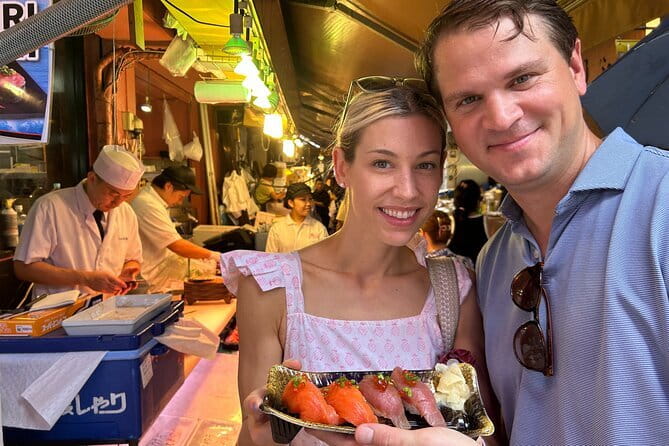
- Max 15 people means you can ask questions without shouting over crowds
- Photo delivery after the tour gives you proof you were there, without digging for awkward selfies
- Sushi and dining etiquette tips help you order and eat with less guesswork
- Temple and shrine stops add calm context and local meaning, not just snack hunting
- A flexible guide approach matters when parts of the area have closures or special circumstances
Price and What $80 Really Buys in Tsukiji
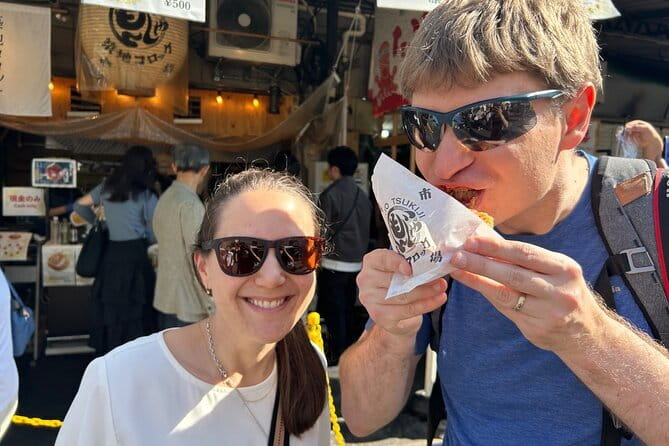
At $80 per person for a 2 to 3 hour experience, you’re paying for more than walking next to fish stalls. You’re buying structure: a guide who explains food customs, helps you interpret what you’re seeing, and keeps the route moving efficiently through Tsukiji.
That price starts to make sense if you want three things at once:
- guided context (so you understand what you’re looking at)
- built-in pacing (so you don’t waste time getting lost)
- tastings plus culture lessons (so it’s more than a photo tour)
It matters because Tsukiji is one of those places where you can burn an hour just figuring out where to stand, when to move, and what’s worth your money. This tour is designed to save you that early confusion.
You can also read our reviews of more tours and experiences in Tokyo.


Meeting at Tsukiji Hongan-ji: Getting Oriented Fast
The tour starts at Tsukiji Hongan-ji Temple, at 3-chōme-15-1 Tsukiji in Chuo City. It ends back at the same meeting point, so you’re not left trying to re-navigate the area afterward.
You’ll also use a mobile ticket, and on the day communication is planned through WhatsApp. That’s a small thing, but it’s a real convenience in Tokyo where directions and last-minute changes can happen. If you’re not used to WhatsApp, make sure you have it installed ahead of time.
Finally, there’s no hotel pickup, so you’ll want to arrive on foot or by public transport. The good news: the meeting spot is listed as near public transport, so you should be able to get there without a long commute.
Stop 1: Tsukiji Hongan-ji Temple Sets the Tone
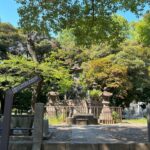
Most Tsukiji tours go straight for the market energy. This one starts with Tsukiji Hongan-ji Temple, a free-entry stop that lasts about 15 minutes.
Why start here? Because it changes how you experience the area. You get a quick grounding in local atmosphere before you hit the food intensity. It’s also a gentle warm-up for your senses—far less loud and chaotic than what comes next.
If you’re the type who hates being herded from one snack counter to another, this first stop gives you a breather while the guide gets you up to speed on what to expect.
Stop 2: Tsukiji Jogai Market and Its 400+ Shop Street
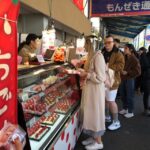
After the temple, you’ll head into the Tsukiji Jogai Market area. This is where the tour starts feeling more like a local neighborhood walk than a museum.
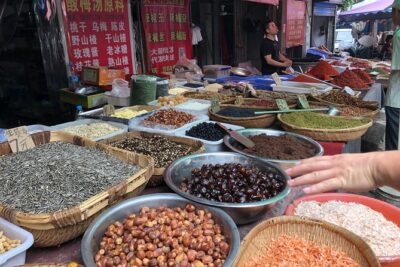
You’ll spend about an hour and a half in this stretch, with the route framed around a shopping street that has over 400 shops. That number is your clue: you’re not meant to try everything. You’re meant to learn how people move through the market, what kinds of stalls you’ll see, and how to pick wisely.
A practical note: when you’re dealing with a lot of small shops, your feet will do most of the work. Wear comfortable shoes. You don’t want to spend your best market time thinking about your aching soles.
Stop 3: The Fish Market Area and the Mini Wholesale Glimpse
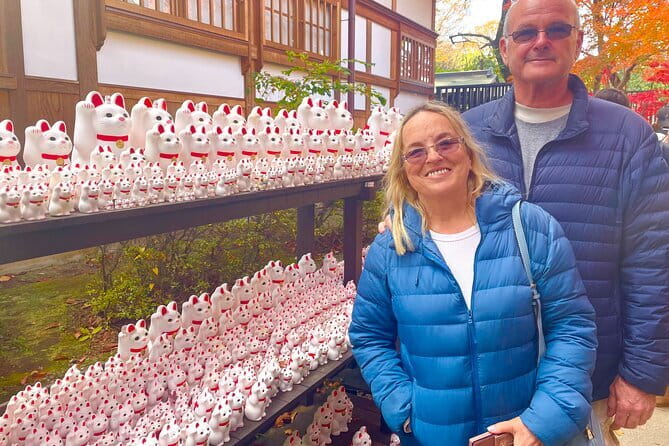
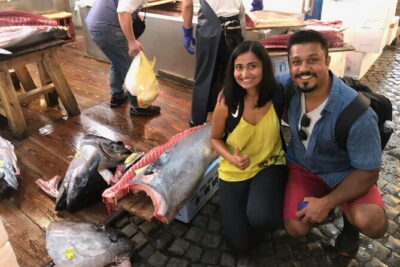
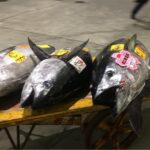
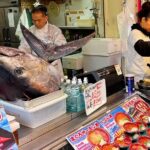
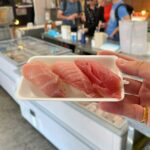
Next comes the Tsukiji Fish Market segment, around 30 minutes. One of the key draws here is that you don’t just see a surface-level tourist version of Tsukiji. You also pass by a mini wholesale market, where you can spot hundreds of fish types and get a sense of the scale and variety.
This is where the guide’s job becomes extra important. Without context, fish markets can turn into a blur: you might recognize sushi, but not know how fish are categorized, why some stalls look busy while others don’t, or what you should ask when you do see tastings.
A short time like 30 minutes means you won’t see everything. Instead, the guide helps you focus on the parts that teach you the most.
Stop 4: Namiyoke Inari Shrine and the Meaning Behind the Waves
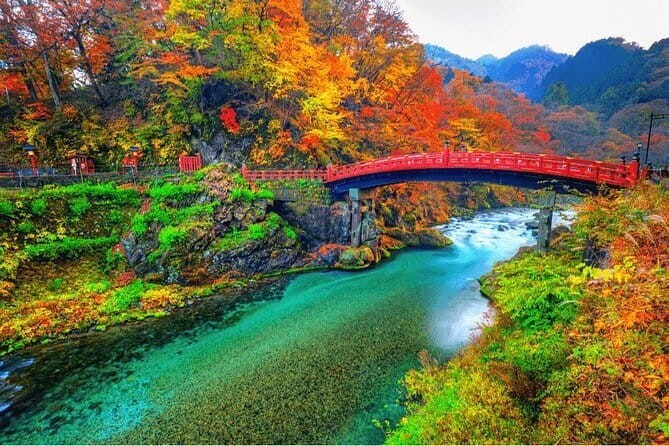
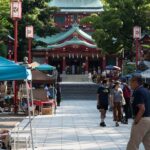
Then you slow it down a bit at Namiyoke Inari Shrine, a short 15-minute stop. The shrine enshrines Namiyoke Inari, a deity tied to warding off disasters and weathering the waves.
This is more than a quick photo pause. It’s a small reminder that Tsukiji isn’t just about food—it’s also about maritime life, risk, and protection, all wrapped into local belief. When you connect that meaning to the fish market nearby, the whole area feels more coherent.
The Food Part: Tastings Are Promised, But Confirm What You’re Getting
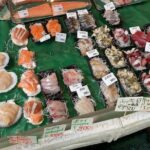
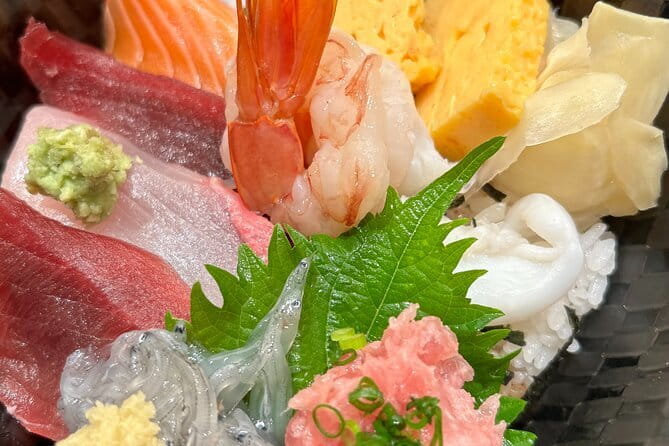
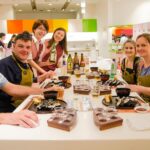
The tour highlights food tastings included, and the overall promise is that you’ll be able to try items such as sushi or Japanese oysters. That sounds straightforward.
At the same time, the information provided also lists food under items not included. And one of the clearest frustrations in feedback is simply this: no food felt included for at least some participants.
So here’s the practical approach I recommend:
- Assume there will be tastings, but don’t assume you’ll get a full meal worth of food.
- When booking, look for the exact tasting list or confirm what’s covered.
- If you’re a big eater and not into “small bites,” plan on budgeting extra food for yourself.
You’ll have a better time if you treat tastings like a guided sampling, not an all-you-can-eat plan.
The Guide Factor: Etiquette Lessons Make Tastings Easier
This is where the tour seems to deliver its biggest value. In particular, you can get guidance on how to eat sushi and the etiquette that comes with it. One guide named Sakura San received praise for explaining sushi-eating style and dining customs with real clarity.
That kind of instruction matters because markets are where tourists often feel lost. You may not know:
- how to order without slowing everything down
- what’s considered good manners
- how to approach tasting so you don’t waste time or money
Even if you already know some Japanese, etiquette tips can still save you from awkward moments. The guide also helps connect the food you’re about to try with the culture behind it, so it feels earned instead of random.
What About Closures and Weather? You Need Flexibility
Tsukiji can have partial closures depending on holidays and day-to-day operations. One standout positive experience described a day where some areas were closed and the guide pivoted quickly to keep things enjoyable.
That matters because a market tour without flexibility becomes a checklist of disappointments. A guide who can adjust keeps the time useful. You still get explanations, you still see the important sights, and you still end with a satisfying meal moment when the day allows it.
Weather also plays a role. Tokyo can get cold, and if you’re walking outdoors for a couple hours, you’ll want a warm layer. The guide and route pacing help, but Tokyo doesn’t care about your itinerary.
Photos After the Walk: A Small Touch With Big Value
The tour includes photos taken during the tour, which are sent after the experience. That’s not just a nice extra. In a place like Tsukiji, you’ll get enough visual stimulation that you might forget what you saw where.
Having photos afterward helps you:
- remember the route
- share with friends without hunting for the best shot
- rebuild your sense of what you experienced while it’s still fresh
It’s also helpful if you’re one of those people who likes taking pictures but finds market crowds make solo filming stressful.
How Long Is It, and Will You Feel Rushed?
Duration is listed as 2 to 3 hours. In practice, a short, structured tour like this usually feels better than a long free-for-all. You get multiple anchor stops, then the guide fills in the in-between time with explanations and small pauses.
But there’s a trade-off. With limited time, you won’t go deep on every stall. If your personal goal is to spend hours shopping, this may feel fast. If your goal is to learn how Tsukiji works and try a few tastings with context, this length is a strong fit.
Who This Tour Suits Best
You’ll probably be happiest if:
- you want a guided walkthrough rather than a self-guided scramble
- you care about Japanese food culture and etiquette
- you like small groups (15 max) and easy Q&A
- you want photos delivered after, so the memory is more complete
It may not be your best choice if:
- you want a full meal included at no extra cost
- you’re looking for a shopping-heavy trip where you browse everything at your own pace
- you dislike walking in short bursts for a couple hours
Should You Book This Tsukiji Food Tour?
I’d book it if you want Tsukiji with training wheels: a guide-led route, culture context, and a small-group pace that keeps you moving smartly. The temple and shrine stops also help you avoid the feeling that it’s only about eating.
I’d pause and confirm the tasting details if your main priority is getting a big amount of food included with no surprises. The marketing says tastings are part of the experience, but the food-not-included language and at least one complaint means it’s worth checking what’s actually served on the day.
If you do that one bit of due diligence, this can be a very efficient way to see Tsukiji with less stress and more meaning.
FAQ
How long is the Tokyo Tsukiji Fish Market Food Tour?
It runs for about 2 to 3 hours.
How much does the tour cost?
The price is $80.00 per person.
How many people are in the group?
The tour is capped at a maximum of 15 travelers.
Is food included in the tour?
The highlights say food tastings are included, and the overview mentions trying items like sushi or Japanese oysters. However, the details also list food under items not included, so it’s worth confirming what tastings are covered for your day.
Where do we meet and where does it end?
You meet in front of Tsukiji Hongan-ji Temple (3-chōme-15-1 Tsukiji, Chuo City, Tokyo). The tour ends back at the same meeting point.
How do you contact the tour on the day of the experience?
For day-of communication, you’re asked to download WhatsApp since it will be used for contact.