REVIEW · TOKYO
Tsukiji Fish Market Street Food & Culture Walking Tour
Book on GetYourGuide →Operated by Goen Japan · Bookable on GetYourGuide
Tsukiji is a feast for the senses. This 90-minute street food walk through the Outer Market is one of the easiest ways to experience the noise, grills, and eye-catching stalls without getting lost, and I especially like the chance to try fatty tuna nigiri and grilled seafood. The one caution is that the market gets crowded, so you’ll want to keep an eye on your belongings.
I also like that the tour doesn’t just hand you food—it adds culture and market history through a live guide who keeps the pace friendly with frequent stops. One tradeoff: it’s still a walking tour, so plan for a lot of standing, especially around the busiest stalls.
In This Review
- Key things to know before you go
- Tsukiji Outer Market: what this 90-minute walk is really for
- Meeting point at Family Mart: how the tour starts smoothly
- The tastings: what you’ll likely eat (and why it works)
- How the guide turns market chaos into understanding
- Tsukiji Hongwanji Temple: why this stop matters
- Jogai Market and the walk between “main view” and real food culture
- Pace, photo stops, and the family-friendly mood
- What the $38 price covers—and how it adds value
- When this tour is a great match (and when it’s not)
- Practical tips for a smooth Tsukiji walk
- Should you book this Tsukiji street food & culture tour?
- FAQ
- How long is the Tsukiji Fish Market Street Food & Culture Walking Tour?
- What is included in the $38 price?
- Is the tour guided in English?
- Where do I meet the guide?
- Do I need to wear comfortable shoes?
- Is free cancellation available?
Key things to know before you go
- Small-group feel (and sometimes a private-style walk): the experience is designed for an easy, relaxed pace
- Street-food variety, not one-item shopping: you’ll sample a mix of meats and sweet treats
- Guide-led context: you learn what the market is, how vendors work, and why certain foods matter
- Photo moments included: you get help capturing the chaos (and you’ll receive edited photos)
- Temple and market stops, not just the main aisles: Tsukiji Hongwanji Temple and Jogai Market are part of the route
Tsukiji Outer Market: what this 90-minute walk is really for
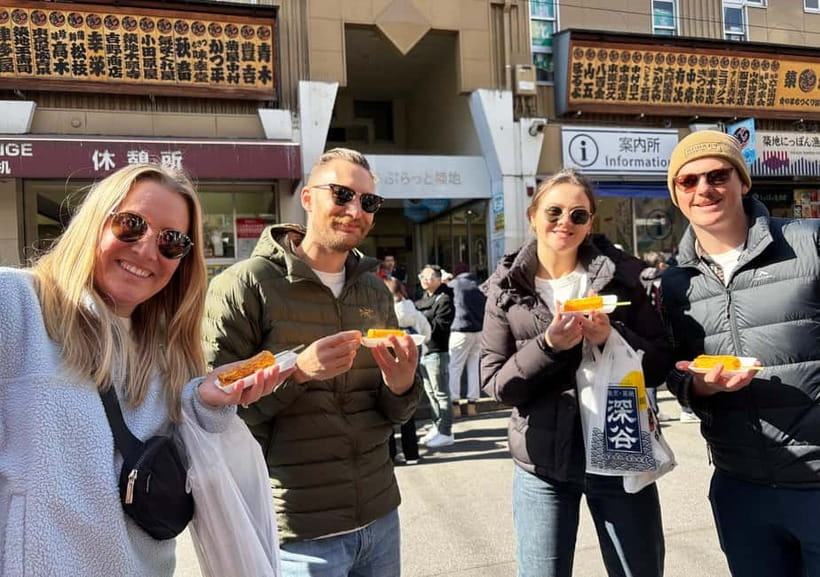
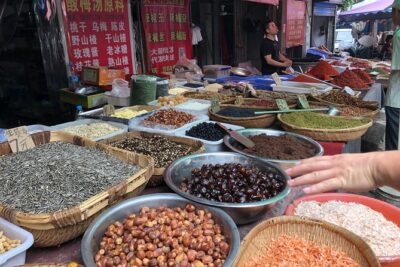
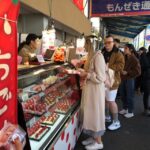
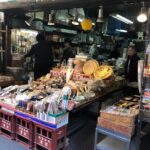
Tsukiji can feel like sensory overload. Lines form fast, stalls change constantly, and it’s easy to spend your visit hunting for the “right” snack instead of actually understanding what you’re looking at. This tour is built to solve that. You get a structured walk through the Outer Market and nearby stops, with breaks worked into the experience so you can slow down when you need to.
The big win here is time. Ninety minutes doesn’t sound long, but it’s enough to sample a range of flavors and still absorb the atmosphere. You’ll also get a local guide who can point out what to notice: the ingredients, the cooking methods, and the little details that make Tsukiji feel like a working food culture rather than just a photo spot.
And because the tour includes admission/entry for the set locations (including Tsukiji Hongwanji Temple, Tsukiji, and Tsukiji Jogai Market), you’re not stuck figuring out logistics while you’re hungry.
You can also read our reviews of more tours and experiences in Tokyo.


Meeting point at Family Mart: how the tour starts smoothly
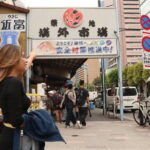
You meet at Family Mart, which is simple and practical when you’re already navigating Tokyo-area stations. The benefit of an easy, recognizable meeting place is you can focus on timing and energy, not guessing where to go. Once you’re assembled, the guide takes over the route and the pace.
This matters because Tsukiji has a rhythm of its own. Even when you think you know where you’re going, the best “food moment” might be just off the main line where people aren’t staring at the same stall. A guide-led approach keeps you from waiting too long in the wrong places.
If you’re arriving a bit early, don’t spend the whole time sprinting around. Hang close to the meeting area and get your camera ready. The tour moves at a human pace, but Tsukiji still moves fast.
The tastings: what you’ll likely eat (and why it works)
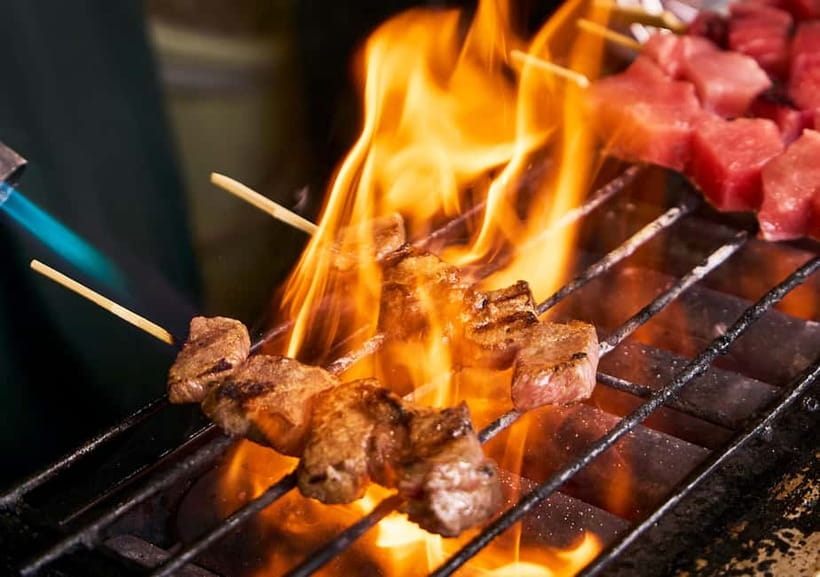
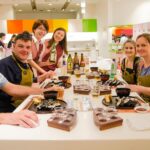
The tour is centered on eating. You’ll taste a variety of foods with an emphasis on different textures and flavors—think juicy items like meats, plus sweet treats. The exact lineup can vary, but the structure stays the same: the guide brings you to a handful of spots so you’re not sampling random bites with no logic.
This is where the experience earns its value. In a market like Tsukiji, a “good snack” is partly luck. A guide shifts the odds. You get directed stops where the food is worth the line and the guide can explain what makes each dish special.
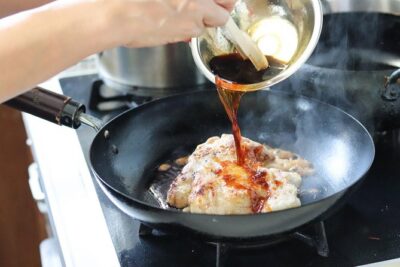
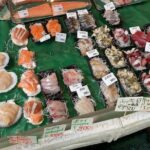
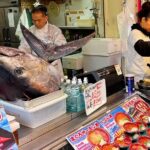
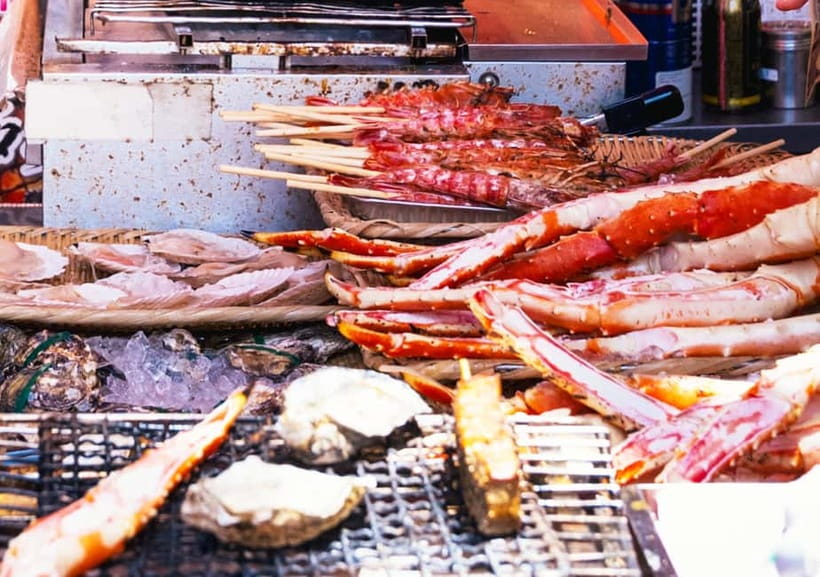
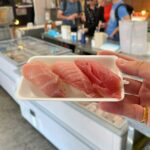
In particular, one highlight from guides on this route is the focus on seafood-focused classics. I love that you may get to try fatty tuna nigiri alongside grilled seafood like scallops—a contrast that shows how Tsukiji handles both raw and grilled preparations. That range also helps if you don’t eat everything. You can better choose what looks and smells best when you understand what you’re looking at.
Photo tip: ask your guide where to pause for shots before the crowd compresses. These moments are built into the walk, so you can actually capture the stalls without blocking anyone.
How the guide turns market chaos into understanding
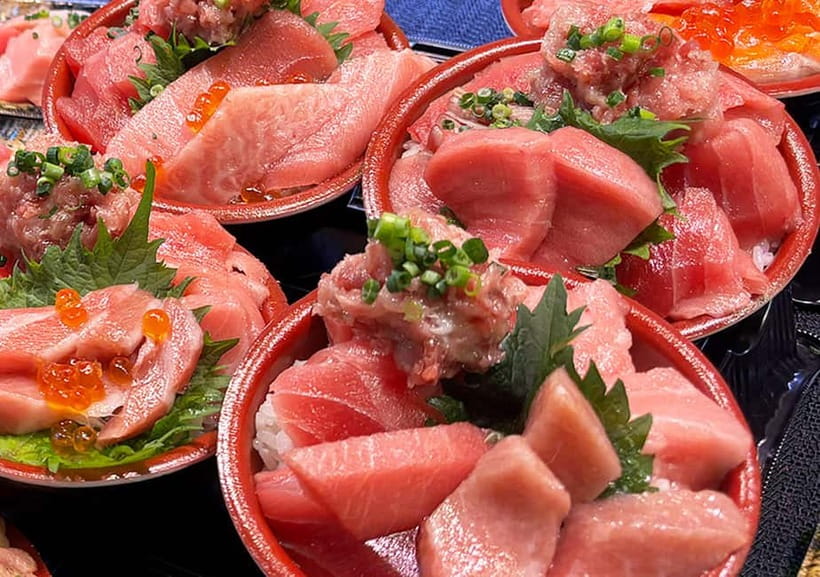
Food markets can be fun, but they can also feel like you’re just eating and moving. Here, the guide adds context—Tsukiji’s history, how the market works, and what to look for in the kinds of vendors you see. That context makes the smells and visuals stick in your memory in a way a quick self-guided snack run usually doesn’t.
Guides on this tour are also interactive. They answer questions and explain how foods are prepared, not just where you should stand to take a bite. That’s especially helpful if you’re unsure about seafood terms or worried about ordering something you don’t like. When you know what a bite is supposed to be (cut, richness, cooking style), you can decide faster and enjoy more.
One of the best parts is the conversation energy. The tour’s tone tends to be friendly and upbeat, which keeps the experience from feeling like a rushed checklist. Even when you’re in a crowd, you still feel guided, not swept along.
Tsukiji Hongwanji Temple: why this stop matters
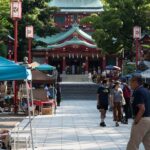
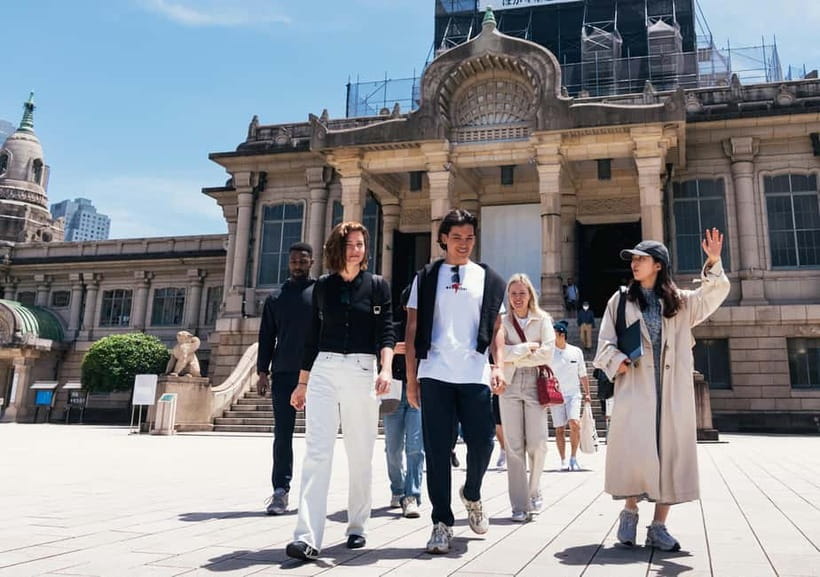
This tour includes entry to Tsukiji Hongwanji Temple, which is a smart add-on if your only goal is food. Temples give you breathing room. They also connect what you’re seeing to the longer story of the area—places people built their lives around, not just places that sell snacks.
Practically, a temple stop is also a reset. You catch your breath, step away from the densest market aisles, and regroup so you can keep tasting without feeling stuffed or overwhelmed. It’s also where you can slow down for photos with a calmer backdrop than the high-traffic stall lanes.
If you’re traveling with kids, this kind of pause can make a difference. A market day can wear out young attention spans quickly, but a structured break helps keep the mood positive.

Jogai Market and the walk between “main view” and real food culture
The tour also includes Tsukiji Jogai Market. This is valuable because it changes the feel of the outing. The Outer Market area is the headline, but Jogai helps you see more of the everyday food culture that surrounds it.
I like that your guide steers you away from purely “see everything” wandering. Instead, you move through the market with a purpose—looking for ingredients and preparations you can taste. That makes it easier to remember what you tried because each stop fits into a pattern.
Another practical benefit: crowds can be heavy. When you’re walking with a guide, you spend less time backtracking. The stops are timed and spaced so you get variety without constantly running into the thickest bottlenecks.
Pace, photo stops, and the family-friendly mood
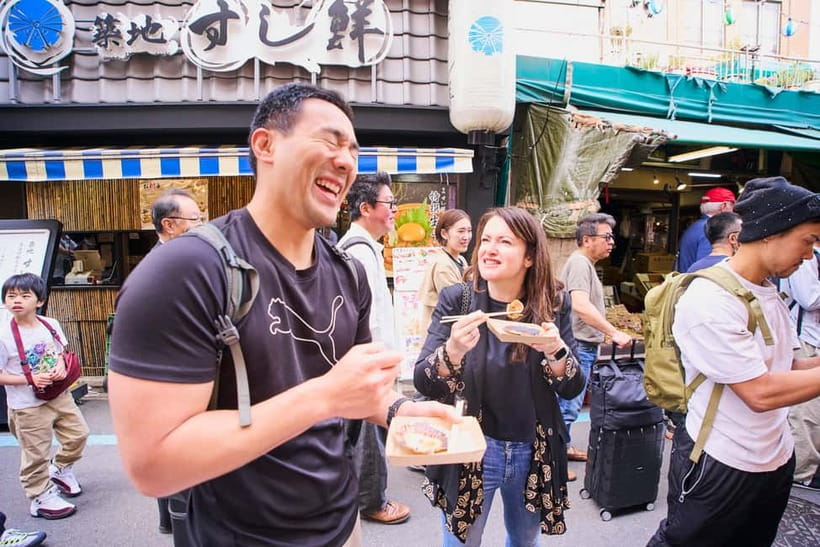
One reason this tour scores so well is the pacing. It’s described as easy and relaxed, with frequent stops and time to rest when you need it. That doesn’t mean it’s slow in a boring way—it means you get little breaks built into the experience so your energy doesn’t crash.
There are also photo moments. Market photography can be tricky because you don’t control the flow of people, and you don’t want to stand in the wrong spot. Having planned pauses helps you get shots of the stalls and your group’s smiles without turning the snack hunt into a traffic jam.
This pacing also helps families. Even if your kids get tired of standing, you’ll have chances to reset. And if you’re traveling solo, the guide’s structure can keep you from feeling awkward trying to ask for recommendations mid-crowd.
What the $38 price covers—and how it adds value
At $38 per person for about 90 minutes, you’re not paying for a long day of sightseeing. You’re paying for a guided tasting experience that bundles several real costs:
- Guiding fee
- Entry/admission to Tsukiji (and specific stops like Tsukiji Hongwanji Temple and Jogai Market)
- Edited photos
- A guided route through the Outer Market where someone else handles the order and pacing
The value here is mainly decision-making. In Tsukiji, choosing where to eat can turn into a guessing game. A guide reduces that stress. You also get edited photos, which is a nice add-on if you know you’ll be holding your phone in one hand while trying to eat with the other.
Will you be able to eat more cheaply on your own? Maybe. But if you want the “market experience” with less planning and more context, this is a fairly efficient way to do it.
If you’re on a tight schedule, the cost can actually feel reasonable because 90 minutes is exactly the window where guidance helps the most.
When this tour is a great match (and when it’s not)
This tour suits you if you want:
- A simple, guided route through Tsukiji’s Outer Market without navigating every stall
- A mix of savory and sweet tastes
- Local explanations of market culture and how the food is prepared
- A pace that includes breaks, not nonstop trudging
It may be less ideal if you prefer total freedom. If you love wandering with no structure and you already know which stalls you want to hit, you might not need a guided tasting. Also, if you hate crowds, be aware the market can get busy, and the tour is designed to operate within that reality.
Practical tips for a smooth Tsukiji walk
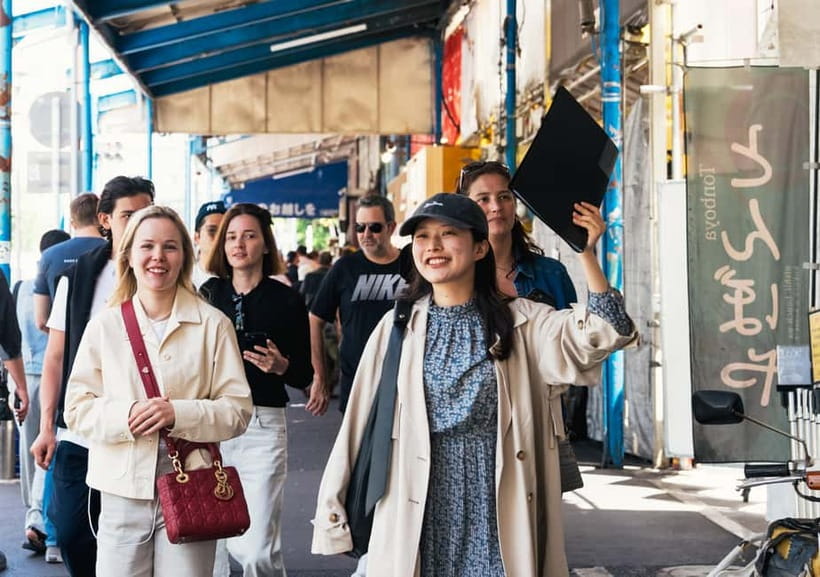
Before you go, keep these practical points in mind:
- Wear comfortable shoes—this is a walking experience.
- Keep an eye on your personal belongings. Crowds mean more opportunities for accidental mix-ups.
- Bring a camera, since there are photo moments and colorful market visuals you’ll want to capture.
One small mindset shift helps: treat the tour like a guided sampler, not a shopping mission. You’ll enjoy it more if you focus on trying a range and listening to what the guide explains, instead of thinking you must “win” by eating the biggest meal of your Tokyo trip.
Should you book this Tsukiji street food & culture tour?
Book it if you want a fast, friendly way to experience Tsukiji’s food scene with guidance, breaks, and context. The combination of market tastings, cultural explanations, and planned photo moments (plus admission included for key stops) makes it a smart option for first-timers, families, and solo travelers who don’t want to spend the day figuring things out.
Skip it only if your priority is maximum independence or you plan to eat only a few items at your own pace. In that case, you might prefer a lighter plan and spend time picking your own stalls without a set route.
Overall, if you’re aiming for a memorable Tsukiji moment without the stress, this tour does that job well.
FAQ
How long is the Tsukiji Fish Market Street Food & Culture Walking Tour?
The tour lasts 90 minutes.
What is included in the $38 price?
The price includes a guiding fee, edited photos, and entry/admission for Tsukiji Hongwanji Temple, Tsukiji, and Tsukiji Jogai Market.
Is the tour guided in English?
Yes, the tour has a live English-speaking guide.
Where do I meet the guide?
You meet at Family Mart.
Do I need to wear comfortable shoes?
Yes. The tour involves walking, and the market can be crowded, so comfortable shoes are strongly recommended.
Is free cancellation available?
Yes. You can cancel up to 24 hours in advance for a full refund.
—
If you tell me your travel dates and whether you’re going with kids or picky eaters, I can help you decide if this format is the best fit for your Tsukiji day.