REVIEW · TOKYO
Tokyo: Tsukiji Fish Market Seafood & Street Eats
Book on Viator →Operated by With Japan · Bookable on Viator
Tsukiji at breakfast feels like a food sprint. I love the small-group pace and the English-speaking guide who explains what you’re seeing, not just where to walk, plus the built-in temple stop that gives your morning a breather. One note up front: the tour price covers guide time and entry, but foods and drinks are for you to purchase separately.
This is a tight 2 hours 30 minutes plan with 10 people max, so it fits neatly between other Tokyo stops. You’ll also get a mobile ticket, and the meeting area is near public transportation, which matters when you’re trying to beat the crowds.
In This Review
- Key things to know before you go
- Tsukiji at breakfast: the 2.5-hour rhythm that actually works
- Price and value: what $42 includes (and what it doesn’t)
- Stop 1: Tsukiji Hongwanji Temple and why it’s a good warm-up
- Stop 2: Tsukiji Fish Market—tuna culture, queues, and what to look for
- Stop 3: Tsukiji Jogai Market—street-food energy you can actually manage
- The guide factor: small group, fast answers, real flexibility
- What to do (and what to bring) so you spend wisely on food
- Timing and the morning logistics that can make or break it
- Who should book this Tsukiji seafood and street-eats tour
- Should you book this Tsukiji tour?
- FAQ
- How long is the Tsukiji Fish Market seafood and street eats tour?
- What is the price per person?
- Is food included in the tour price?
- How many people are in the group?
- Is there an English-speaking guide?
- What stops are included in the itinerary?
- Are admission tickets included?
- Do I get a mobile ticket?
- Where do I meet the guide?
- Does the tour require good weather?
- What is the cancellation policy?
Key things to know before you go
- English-speaking local guidance so market chatter and menu boards make sense
- Two market areas: Tsukiji Fish Market and Tsukiji Jogai Market
- Temple stop first at Tsukiji Hongwanji Temple, so you start with context
- Popular ordering shortcuts as your guide helps you choose what to buy
- Food is extra so you can control your budget and appetite
Tsukiji at breakfast: the 2.5-hour rhythm that actually works
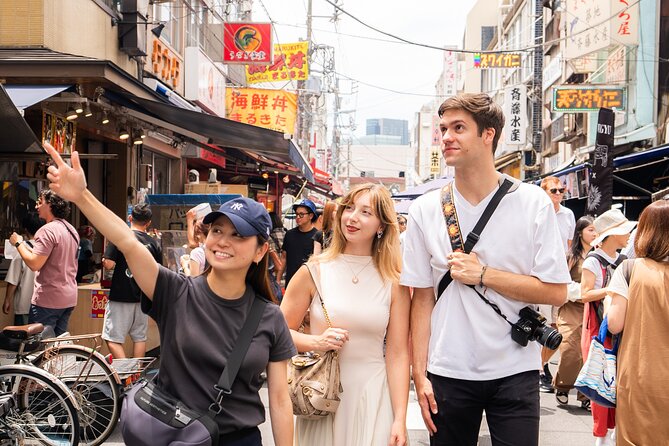
Tsukiji works best early. You’re walking through a food-focused neighborhood where the energy is tied to what’s sold and where people line up. This tour is built for that timing, with a total duration of about 2 hours 30 minutes, so you’re not stuck in “market sightseeing” mode all day.
What I like is that the day isn’t only fish. You begin at Tsukiji Hongwanji Temple, then move into the market zones. That order gives you a quick cultural foundation before you hit the shopping-and-eating part, which helps everything you see land better.
Because the group stays small, you’re not playing follow-the-leader for two and a half hours. You can ask questions, react to what you’re curious about, and adjust your pace if someone in your group needs a slower walk.
You can also read our reviews of more tours and experiences in Tokyo.

Price and value: what $42 includes (and what it doesn’t)
At $42 per person, the headline value is what’s already covered. Your ticket includes:
- An English-speaking local guide
- Entry/admission for Tsukiji Jogai Market
- Entry/admission for Tsukiji Hongwanji Temple
- Admission for the Tsukiji Fish Market stop
Food is not included. That’s not a problem if you plan for it. In fact, it’s a smart way to travel here because seafood choices vary wildly by budget and appetite. You can go light (one snack, one drink) or go full meal.
If you’re trying to compare this to other food tours, use this rule: you’re paying for time, access, and guidance. The actual seafood bill is on you. People who get the best results usually arrive with a plan for what to spend, then let the guide steer them toward high-confidence picks.
Stop 1: Tsukiji Hongwanji Temple and why it’s a good warm-up
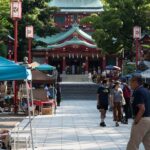
The tour kicks off at 築地本願寺 (Tsukiji Hongwanji Temple). Even if you’re not a hardcore temple person, this stop pays off because it breaks the morning’s intensity. Markets can feel like sensory overload. A quiet, structured start helps you settle your brain before you start making food decisions.
Also, the tour notes this is handled with a local Japanese guide at this first stop. That matters because you’ll likely get clearer, place-specific context before you move into the fish corridors.
Practical tip: treat this as your “reset” moment. Use it to regroup your group, check your phone map, and decide how adventurous you want your seafood purchases to be later.
Stop 2: Tsukiji Fish Market—tuna culture, queues, and what to look for
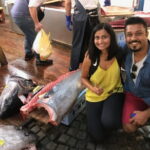
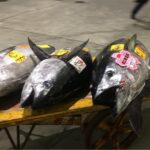
Next up is the Tsukiji Fish Market portion, about 1 hour 30 minutes with admission included. This is where the experience earns its name. You’ll learn the history and culture of Tsukiji while the market shows you the current reality: stalls, vendors, and lines that form because people know exactly what’s good.
The tour framing points to famed tuna auction culture and what made Tsukiji world-famous. You may not be in an auction at every moment, but you will get the background that makes the market make sense. When you understand the why, the shopping choices feel less random.
One of the best things about this style of tour is that your guide handles the “how do we do this” part. In past groups, guides like Haru have been described as helping with popular spots by waiting in line while the group explores, so you’re not stuck timing your visit perfectly just to eat one thing.
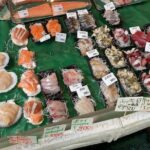
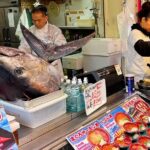
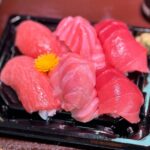
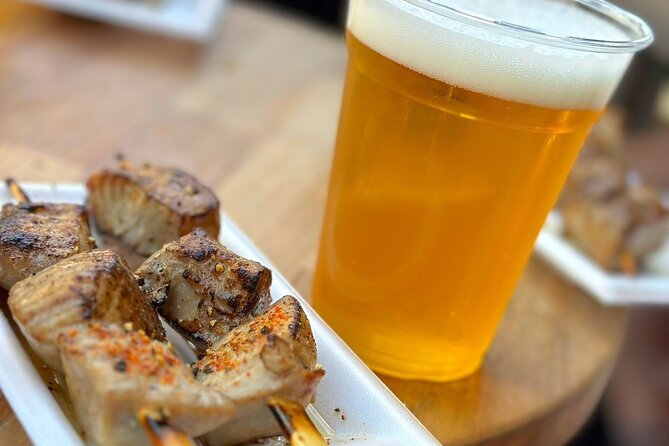
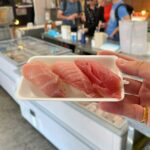
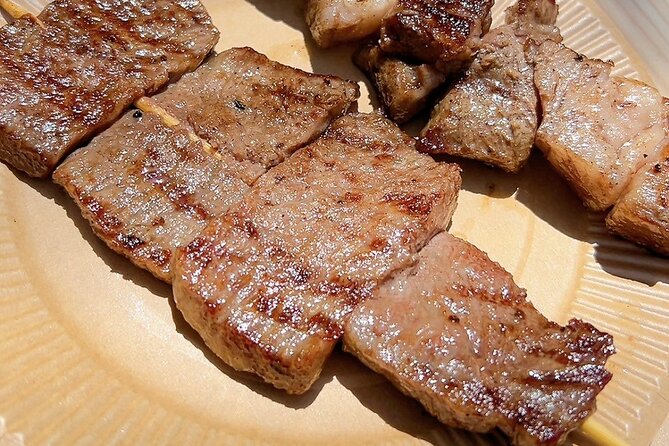
What you might buy here (depending on what’s available and what your guide recommends) can include things like fresh tuna sashimi, rice crackers with seafood flavors, tuna kabobs, and other hot-and-handheld bites. The point isn’t a fixed menu. The point is smart navigation and direction.
Stop 3: Tsukiji Jogai Market—street-food energy you can actually manage
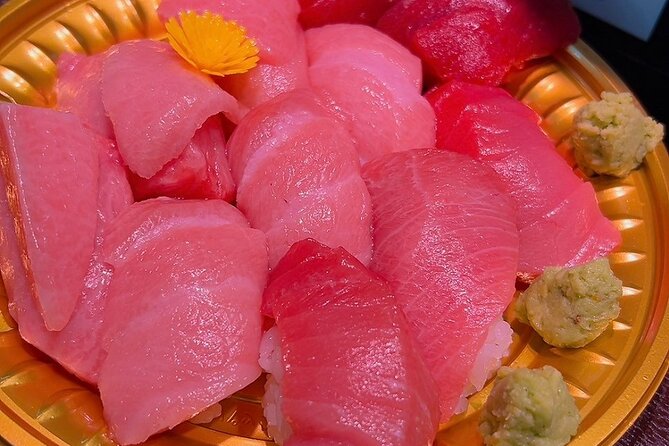
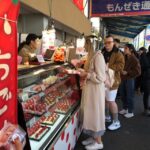
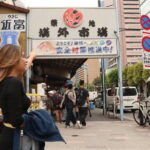
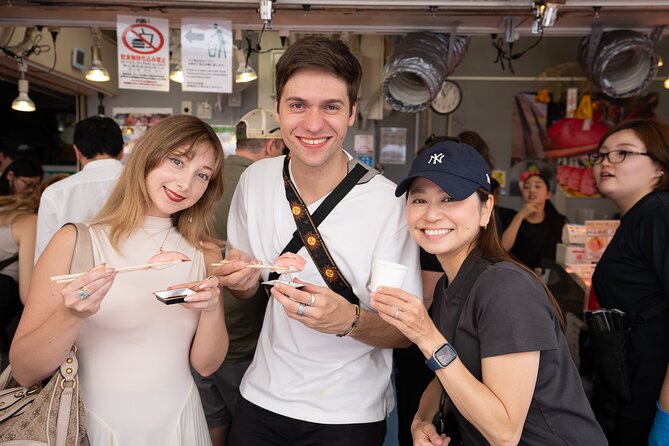
After the main fish market zone, you walk into Tsukiji Jogai Market for about 1 hour, with admission included. This is the part that feels closest to a street food wander: lots of smaller stalls, snack-size decisions, and an easy flow of people grabbing food to go.
Why this stop is worth it: it’s where your guide’s guidance turns into practical ordering. You’re not just “looking at food.” You’re learning what to buy at this kind of market—what’s easiest to eat quickly, what’s most worth the price, and how to choose if you don’t have time to sample everything.
From the kinds of dishes people mention after tours like this, you’ll want to be open to both raw and cooked options. You might run into choices such as fatty tuna sashimi types, eel, scallops, and sit-down seafood dishes like giant crab if that’s part of the day’s route and what your group wants.
If you’re picky or anxious about seafood, you’ll still have options here. The street-market layout makes it easier to branch into cooked items and lighter snacks.
The guide factor: small group, fast answers, real flexibility
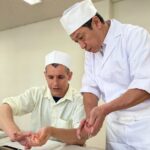
The tour runs with a local Japanese English-speaking guide, and the small group size is a big part of the value. With a maximum of 10 travelers, you can ask follow-up questions without feeling like you’re slowing everyone down.
The best guidance doesn’t just answer questions. It prevents wasted time. In feedback tied to this tour, guides including Haru have been described as:
- arriving early
- adapting when plans go sideways (like getting lost on the subway due to accessibility exits)
- being patient with kids in multi-generational groups
That last point matters more than most people think. Tsukiji is not a museum. It’s walking, lines, and quick choices. A guide who stays calm and keeps the plan moving is what turns the experience from chaotic to enjoyable.
Also, guides have been praised for recommending standout items, especially fatty tuna. If you’re only going to buy one “this is Tsukiji” item, let the guide steer you. That single decision can make the whole morning feel worth it.
What to do (and what to bring) so you spend wisely on food
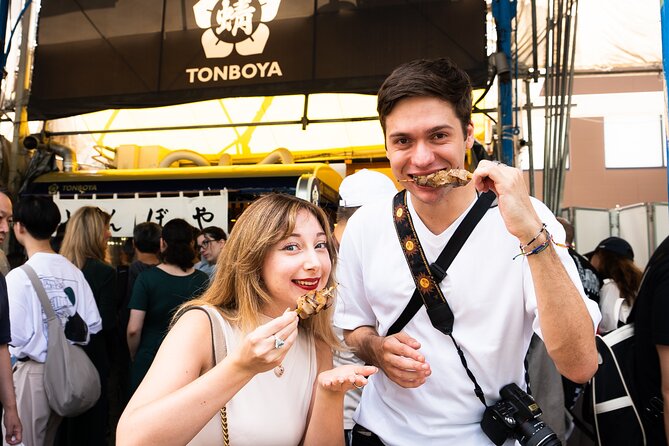
Since foods and drinks aren’t included, your success here depends on your own purchasing choices. The good news: this tour format helps you make better decisions faster.
Here’s how to think about your budget:
- Decide on a range before you start. Even a simple target helps.
- Plan for at least one sit-down option or one “bigger” seafood bite, plus a snack.
- Don’t feel pressured to buy everything. Tsukiji is a place where tasting is tempting, but you’ll enjoy it more if you pace yourself.
Comfort matters in markets. Wear shoes that work on uneven surfaces and floors that can get busy. Keep your bag light, because you’ll be moving between stalls and up to food counters.
If you’re with family, the small group size can be a win. Kids often struggle with long lectures, but a food-centered route with a guide who can handle different ages tends to go over well.
Timing and the morning logistics that can make or break it
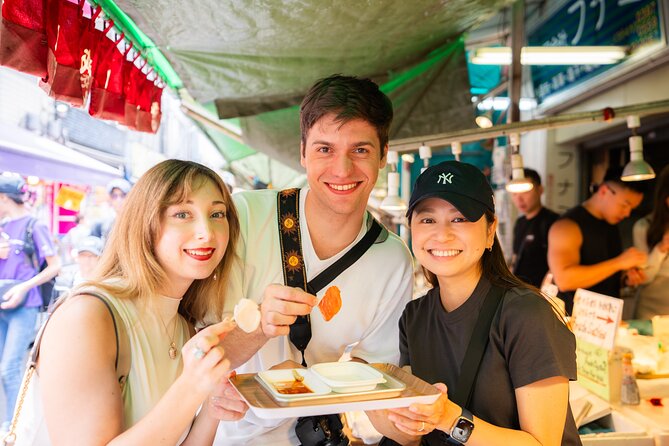
This is designed for the morning. That’s when Tsukiji feels most alive, and it’s when you can fit the tour into a packed Tokyo itinerary. The itinerary breaks down into market time blocks—1 hour 30 minutes at the Fish Market and 1 hour at Tsukiji Jogai Market—so you’re always doing something, not waiting around.
Your meeting point is:
3-chōme-9-10 Tsukiji, Chuo City, Tokyo 104-0045, Japan
The tour ends back at the meeting point, which is helpful if you’re trying to head to another neighborhood right after.
It’s also described as near public transportation. So if you’re using trains and walking a lot, this helps. Still, map your last stretch the night before. In a place like Tsukiji, one wrong exit can cost time.
Who should book this Tsukiji seafood and street-eats tour
This tour is a great fit if you want:
- an English-guided walk through two Tsukiji market areas
- a quick cultural warm-up at Tsukiji Hongwanji Temple
- help choosing what to buy so you don’t waste your visit fumbling with stalls
It also makes sense for:
- first-time Tokyo visitors who want a food-focused activity without a full-day commitment
- families and mixed-age groups who benefit from a patient, small-group pace
Skip it if you want a fixed meal included. This is a “buy what you want, with guidance” setup. If you’re looking for an all-you-can-eat buffet-style experience with everything paid upfront, you may find the food cost expectations annoying.
Should you book this Tsukiji tour?
If you like seafood, enjoy markets, and want an efficient morning plan, I’d say yes. The value is in what you don’t have to figure out alone: where to go, what’s worth your time, and how to order with confidence. The tour also covers key admissions and gives you a compact route that makes Tsukiji feel manageable.
Before booking, be honest about one thing: you must be ready to spend extra on foods and drinks. If you budget for that and treat it like part of your Tokyo food experience, the morning is likely to feel like a highlight, not an overpriced walk.
FAQ
How long is the Tsukiji Fish Market seafood and street eats tour?
The tour lasts about 2 hours 30 minutes.
What is the price per person?
The price is $42.00 per person.
Is food included in the tour price?
No. Foods and drinks are not included, and you purchase what you eat at your own expense.
How many people are in the group?
The tour has a maximum group size of 10 travelers.
Is there an English-speaking guide?
Yes. The tour includes a local Japanese English-speaking guide.
What stops are included in the itinerary?
You visit Tsukiji Hongwanji Temple, then the Tsukiji Fish Market, and finally Tsukiji Jogai Market.
Are admission tickets included?
Yes. Admission is included for Tsukiji Jogai Market, Tsukiji Hongwanji Temple, and the Tsukiji Fish Market stop.
Do I get a mobile ticket?
Yes. The tour includes a mobile ticket.
Where do I meet the guide?
The meeting point is 3-chōme-9-10 Tsukiji, Chuo City, Tokyo 104-0045, Japan.
Does the tour require good weather?
Yes. This experience requires good weather. If it’s canceled due to poor weather, you’ll be offered a different date or a full refund.
What is the cancellation policy?
You can cancel for free up to 24 hours in advance for a full refund.
If you want, tell me your travel dates and who’s in your group (adults, kids, seafood lovers vs. cautious eaters). I can help you decide what to budget for so you don’t feel rushed at the stalls.